
Chronic Fatigue and Social Security Disability Benefits
TELL US WHAT HAPPENED SO WE CAN HELP. FREE CONSULTATION

Contact Us About Your Case
FREE Consultation Today.
Chronic Fatigue and Social Security Disability Benefits
Chronic fatigue can make even simple daily activities feel overwhelming. For many people, severe fatigue affects the ability to concentrate, stay awake, complete tasks, maintain attendance, or perform physical activity consistently. When this happens, our social security lawyers help people file chronic fatigue and social security disability claims.
While fatigue alone does not automatically qualify someone for Social Security Disability benefits, the underlying medical condition causing chronic fatigue may qualify if symptoms prevent a person from maintaining full-time employment.
Chronic fatigue is one of the most common symptoms reported in Social Security Disability claims involving:
- autoimmune disease
- fibromyalgia
- heart disease
- respiratory disorders
- neurological conditions
- mental health disorders
- chronic pain conditions
This guide explains:
- when chronic fatigue may qualify for disability benefits
- the most common medical conditions associated with disabling fatigue
- how Social Security evaluates fatigue-related limitations
- what medical evidence may help support a claim
If chronic fatigue is preventing you from working, you may want to explore whether you qualify for Social Security Disability benefits.

What Is Chronic Fatigue?
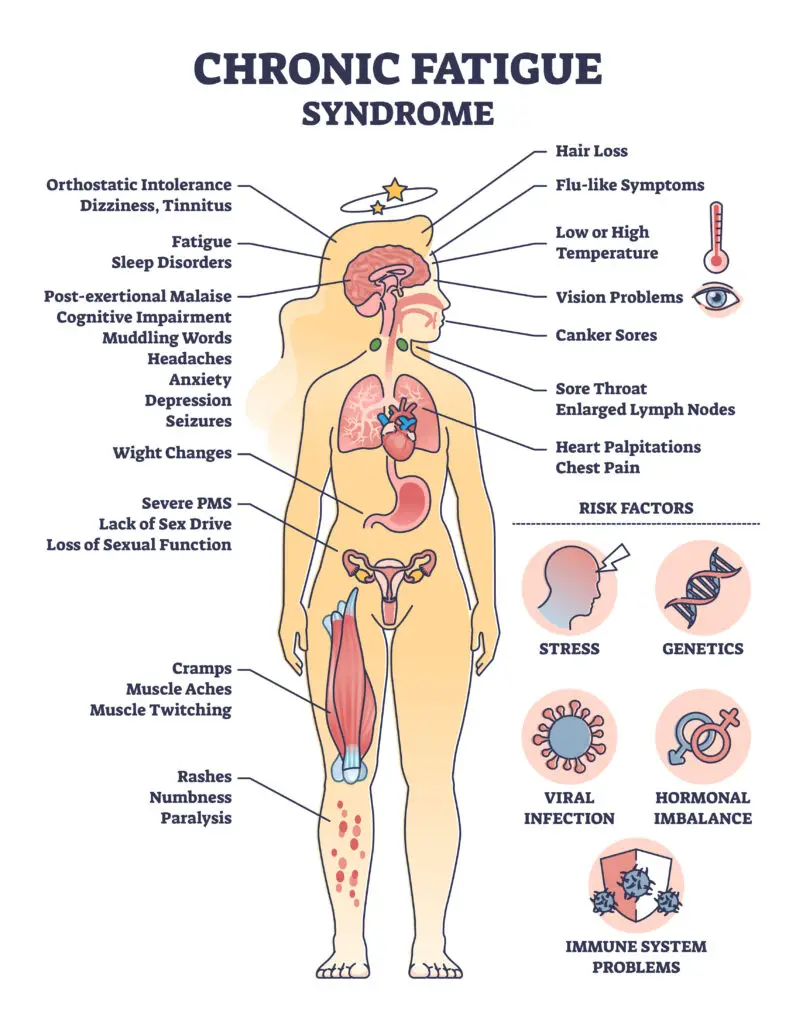
Chronic fatigue is more than simply feeling tired. It can involve:
- overwhelming exhaustion
- reduced stamina
- mental fatigue or “brain fog”
- inability to sustain activity
- prolonged recovery after exertion
Many individuals with chronic fatigue struggle with:
- maintaining concentration
- completing tasks
- standing or walking for extended periods
- regular work attendance
- maintaining productivity throughout the day
Severe fatigue can affect both physical and sedentary jobs.
Can Chronic Fatigue Qualify for Social Security Disability?
Yes, in some cases. Social Security does not evaluate fatigue as a standalone diagnosis in most claims. Instead, the SSA evaluates:
- the underlying medical condition
- the severity of symptoms
- functional limitations caused by fatigue
For example, SSA may evaluate whether fatigue causes limitations in:
- concentration and persistence
- pace and productivity
- standing or walking
- lifting or carrying objects
- maintaining attendance and reliability
If fatigue prevents someone from performing full-time work for at least 12 months, disability benefits may be available.
Common Conditions That Cause Chronic Fatigue and Lead to Disability Claims
Many serious medical conditions can cause severe, persistent fatigue.
Below are some of the most common conditions associated with chronic fatigue in Social Security Disability claims.
Autoimmune Diseases and Chronic Fatigue
Autoimmune diseases frequently cause severe fatigue due to chronic inflammation and immune system dysfunction.
Common autoimmune conditions include:
- lupus
- rheumatoid arthritis
- Sjogren’s syndrome
- scleroderma
- mixed connective tissue disease
- psoriatic arthritis
Individuals with autoimmune disease often experience:
- exhaustion after minimal activity
- flare-ups of symptoms
- joint pain and stiffness
- brain fog
- difficulty maintaining consistent attendance
Common Medications for Autoimmune Conditions
Many individuals with autoimmune disease take prescription medications such as:
These medications are often prescribed for moderate to severe inflammatory disease and may indicate significant functional limitations.
Fibromyalgia and Chronic Fatigue
Fibromyalgia is one of the most common conditions associated with disabling fatigue.
Individuals with fibromyalgia may experience:
- widespread pain
- exhaustion
- sleep disruption
- difficulty concentrating (“fibro fog”)
- reduced stamina
Fatigue from fibromyalgia can interfere with both physical and sedentary work.
Common Medications for Fibromyalgia
Common medications include:
These medications are frequently prescribed for chronic pain and nerve-related symptoms. They types of medications you take can help prove the severity of your condition. Sometimes, the side effects of those medications contribute to the residual functional capacity analysis as well.
Heart Conditions and Fatigue
Heart disease can significantly reduce stamina and physical endurance.
Conditions commonly associated with fatigue include:
- chronic heart failure
- arrhythmias
- coronary artery disease
- pulmonary hypertension
Individuals may experience:
- exhaustion after minimal exertion
- shortness of breath
- dizziness
- reduced physical capacity
Common Cardiac Medications
Common medications include:
These medications are frequently prescribed for serious cardiovascular conditions.
Respiratory Disorders and Fatigue
Respiratory conditions can cause chronic fatigue because the body must work harder to breathe and maintain oxygen levels.
Common respiratory conditions include:
Symptoms may include:
- shortness of breath
- low stamina
- reduced endurance
- daytime exhaustion
Common Respiratory Medications
Common medications include:
These medications are often prescribed for moderate to severe respiratory disease.
Mental Health Disorders and Fatigue
Mental health conditions frequently cause severe fatigue, lack of motivation, and reduced concentration.
Common mental health conditions include:
Individuals may experience:
- emotional exhaustion
- sleep disruption
- inability to concentrate
- difficulty completing tasks
Mental fatigue can significantly interfere with work performance.
Common Mental Health Medications
Common medications include:
These medications are commonly prescribed for mood disorders, anxiety, and cognitive symptoms.
Diabetes and Fatigue
Diabetes and blood sugar instability can cause persistent fatigue and reduced concentration.
Common complications include:
- neuropathy
- kidney disease
- circulation problems
- chronic weakness
Fatigue may worsen as complications progress.
Common Diabetes Medications
How Social Security Evaluates Fatigue
The SSA does not simply ask whether someone feels tired. Instead, the agency evaluates:
- medical evidence
- treatment history
- functional limitations
- consistency of symptoms
SSA may consider whether fatigue affects the ability to:
- maintain concentration and pace
- sustain activity throughout a workday
- maintain regular attendance
- perform physical activity consistently
- complete tasks without excessive breaks
The key issue is whether fatigue prevents reliable, sustained work activity.
Medical Evidence That May Support a Fatigue-Related Disability Claim
Strong documentation is critical in claims involving chronic fatigue.
Helpful evidence may include:
- specialist treatment records
- laboratory testing
- imaging studies
- pulmonary or cardiac testing
- rheumatology records
- psychiatric evaluations
- medication history
- physician statements regarding functional limitations
Consistent treatment can help demonstrate the severity of fatigue symptoms.
Signs Your Chronic Fatigue May Qualify for Disability Benefits
You may want to explore disability eligibility if fatigue causes:
- inability to sustain full-time work
- frequent absences
- reduced concentration
- need for excessive rest breaks
- inability to complete tasks consistently
- difficulty standing or walking for extended periods
When fatigue significantly interferes with reliable work performance, disability benefits may be available.
When to Speak With a Social Security Disability Lawyer
Chronic fatigue claims can be challenging because fatigue is often subjective and difficult to measure directly.
Many individuals seek legal help when:
- they are unsure whether they qualify
- their disability claim has been denied
- they need help documenting limitations
- they are preparing for a disability hearing
A social security disability attorney can help evaluate your medical evidence and explain your options.
FAQs: Chronic Fatigue and Social Security Disability Benefits
Can chronic fatigue qualify for Social Security Disability?
Yes. Chronic fatigue may support a disability claim when it is caused by a medically documented condition that prevents full-time work.
What conditions commonly cause disabling fatigue?
Common conditions include:
- autoimmune disease
- fibromyalgia
- heart failure
- COPD
- depression
- anxiety
- diabetes complications
Does Social Security evaluate fatigue?
Yes. SSA evaluates how fatigue affects concentration, stamina, attendance, and the ability to sustain work activity.
What evidence helps support fatigue-related disability claims?
Helpful evidence may include:
- treatment records
- specialist evaluations
- laboratory testing
- medication history
- physician statements regarding limitations
What should I do if chronic fatigue prevents me from working?
You may want to speak with a Social Security Disability attorney to evaluate whether your condition qualifies for benefits.

Contact MLF Legal for a Free Disability Case Evaluation
If chronic fatigue is preventing you from working, you may qualify for Social Security Disability benefits.
MLF Legal represents disability applicants nationwide. Based in Dallas, Texas, we help individuals across the country pursue disability benefits.
Our social security lawyers can review your situation for free and explain your options.
📞 Call MLF Legal at 214-357-1782 to request a free consultation.
Next Steps:
1st Sign up For a Free One-on-One Disability Case Evaluation
Contact us today to schedule your personalized one-on-one free phone consultation with one of our dedicated legal professionals. Our experienced social security lawyers are here to provide the expert legal guidance and support you need throughout the entire process of your case.
We understand the complexities involved in social security disability claims and are committed to helping you achieve the best possible outcome. Don’t hesitate to reach out and take the first step toward securing the justice you deserve.
2nd Download Free E-Books
Social Security Disability
Navigating the Social Security Disability Benefits process can be complex, but understanding the key steps can help. From gathering medical records to completing the application, this process ensures eligible individuals receive the support they need. Seeking guidance from experts can simplify the journey and increase the chances of a successful outcome.
Call MLF Legal today
214-357-1782
Fill out our online form
for a free consultation.
We only get paid if we win your case.