

What Is a Trial Work Period in Social Security Disability Cases?
A trial work period is a Social Security Disability Insurance work incentive that allows some SSDI beneficiaries to test their ability to return to work without immediately losing their SSDI cash benefits.
This is an important rule, but it is also commonly misunderstood.
A trial work period does not mean that anyone can work unlimited hours forever while receiving disability benefits. It does not apply the same way to every person. It is not the same thing as substantial gainful activity. And it usually becomes relevant after a person has already been approved for SSDI, not while the person is still trying to prove disability in the original claim.
In 2026, Social Security counts a month as a trial work period service month if gross earnings are above $1,210 or, for self-employment, if the person works more than 80 hours in the business during the month.
A trial work period may matter if you:
receive SSDI benefits
want to try returning to work
are working part-time while on SSDI
are self-employed
have fluctuating symptoms
are unsure whether work will stop your benefits
already used some trial work months
are entering the extended period of eligibility
are worried about substantial gainful activity
want to understand how work affects Medicare and SSDI
This guide explains what a trial work period is, how it works, how it differs from SGA, what happens after the trial work period ends, and when it may be time to speak with a Social Security Disability lawyer.

Post Traumatic Hand & Finger Arthritis in Texas Workers’ Comp
Post‑traumatic hand and finger arthritis is one of the most disabling long‑term consequences of workplace hand injuries in Texas workers’ compensation claims. It develops when trauma — such as fractures, crush injuries, tendon ruptures, ligament tears, or dislocations — damages the cartilage and joint surfaces of the hand or fingers. Over time, this leads to pain, stiffness, weakness, deformity, and loss of function.
Insurance carriers frequently dispute post‑traumatic arthritis, claiming it is “degenerative,” “age‑related,” or “not caused by the work injury.” This post explains how post‑traumatic hand and finger arthritis develops, how it’s diagnosed, what treatment is available, and how injured workers can protect their claims.

Substantial Gainful Activity in Social Security Disability Claims
Substantial Gainful Activity, often called SGA, is one of the most important concepts in Social Security Disability claims. It is also one of the most confusing.
If you are applying for Social Security Disability, Social Security will ask a basic question early in the process:
Are you working at a level that shows you are able to perform substantial gainful activity?
If the answer is yes, your claim may be denied before Social Security ever reaches the medical evidence. If the answer is no, Social Security moves forward and evaluates whether your medical conditions are severe enough to prevent full-time work.
In 2026, Social Security’s monthly SGA amount is $1,690 per month for non-blind individuals and $2,830 per month for individuals who are blind under Social Security’s rules.
SGA may matter if you are:
applying for SSDI
applying for SSI disability
working part-time
trying to keep a job while disabled
self-employed
returning to work after approval
doing gig work
earning inconsistent income
attempting a trial work period
worried that work will hurt your disability claim
This guide explains what substantial gainful activity means, how Social Security evaluates work and earnings, how SGA affects SSDI and SSI claims, and what evidence may help if your work activity does not reflect your real ability to sustain employment.

Does Homeowners’ Insurance Cover Swimming Pool Accidents in Texas?
Homeowners’ insurance may cover a Texas swimming pool injury or drowning when the homeowner is legally responsible, but policy exclusions and coverage limits can affect the claim.

Hand & Finger Amputations in Texas Workers’ Compensation Claims
Hand and finger amputations are among the most catastrophic and life‑altering injuries seen in Texas workers’ compensation claims. These injuries often occur in construction, manufacturing, warehousing, oilfield work, transportation, and any job involving heavy machinery, cutting tools, or industrial equipment.
Amputations result in permanent loss of function, reduced grip strength, psychological trauma, and long‑term disability. Insurance carriers frequently dispute these claims, minimize impairment ratings, or deny necessary surgical and prosthetic care.
This post explains how hand and finger amputations occur, how they’re diagnosed and treated, what benefits may be available, and how injured workers can protect their claims.

What Is the Attractive Nuisance Doctrine in Texas Pool Injury Cases?
The Texas attractive nuisance doctrine may hold a property owner liable when an unsafe swimming pool causes the injury or drowning of a child who entered without permission.

Meeting SSA Blue Book Listings for Alzheimer’s Disease
Alzheimer’s disease can affect memory, language, judgment, attention, planning, decision-making, safety awareness, personality, and the ability to complete everyday tasks. For some people, Alzheimer’s disease progresses to the point that working is no longer realistic.
When applying for Social Security Disability benefits, one important question is whether Alzheimer’s disease meets or equals a Social Security Blue Book listing.
A Blue Book listing is a medical standard Social Security uses to identify impairments that may be severe enough to qualify for disability benefits at Step 3 of the sequential evaluation process. Alzheimer’s disease may be evaluated under Social Security’s neurological listings, including Listing 11.17 for neurodegenerative disorders of the central nervous system. SSA specifically identifies early-onset Alzheimer’s disease as an example of a neurodegenerative disorder considered under Listing 11.17.
Alzheimer’s disease may support a social security disability claim when it causes:
memory loss
confusion
poor judgment
difficulty following instructions
trouble completing tasks
language problems
executive functioning problems
disorientation
personality or behavior changes
poor safety awareness
need for supervision
inability to manage medications or finances
unable to work independently
inability to maintain pace
inability to attend work reliably
A diagnosis alone does not always prove disability. The strongest claims connect Alzheimer’s disease to the specific Blue Book criteria, medical evidence, and real-world work limitations.
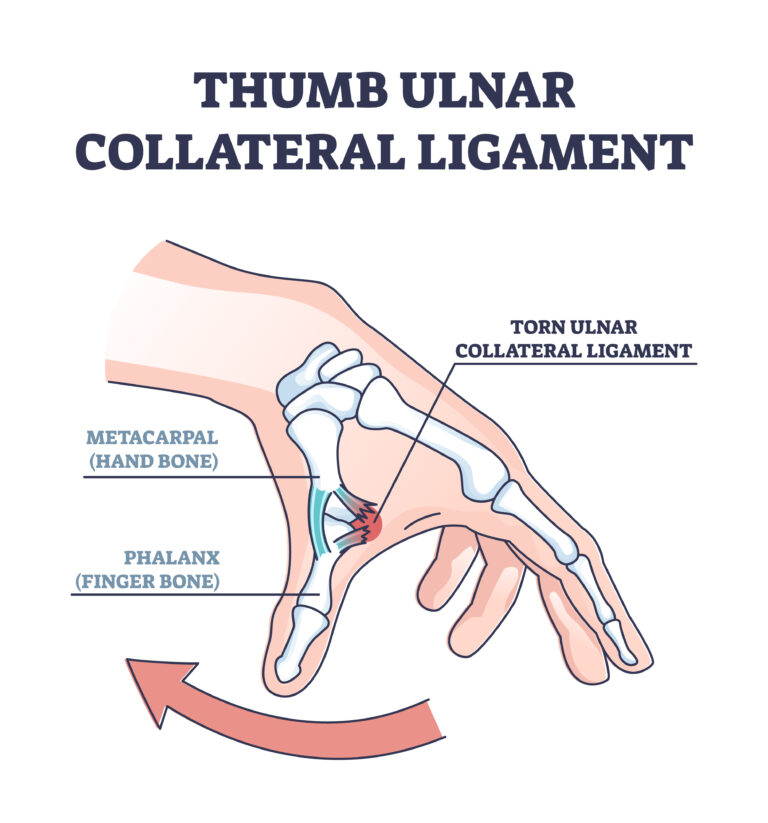
Thumb UCL Tears in Texas Workers’ Compensation Claims (“Gamekeeper’s Thumb” / “Skier’s Thumb”)
Thumb UCL tears — injuries to the ulnar collateral ligament of the thumb — are common in Texas workers’ compensation claims. The UCL stabilizes the thumb’s MCP joint and is essential for gripping, pinching, lifting, and tool use. When torn, workers often experience pain, instability, weakness, and difficulty performing essential job tasks.
Insurance carriers frequently dispute thumb UCL injuries, calling them “minor,” “degenerative,” or “not work‑related.” This post explains how thumb UCL tears occur, how they’re diagnosed, what treatment is available, and how injured workers can protect their claims.

Child Drowning Accidents in Texas: When Can a Property Owner Be Sued?
Texas property owners may be sued when an unsafe pool, broken gate, inadequate fencing, or failure to correct a known danger causes a child’s drowning or near-drowning.
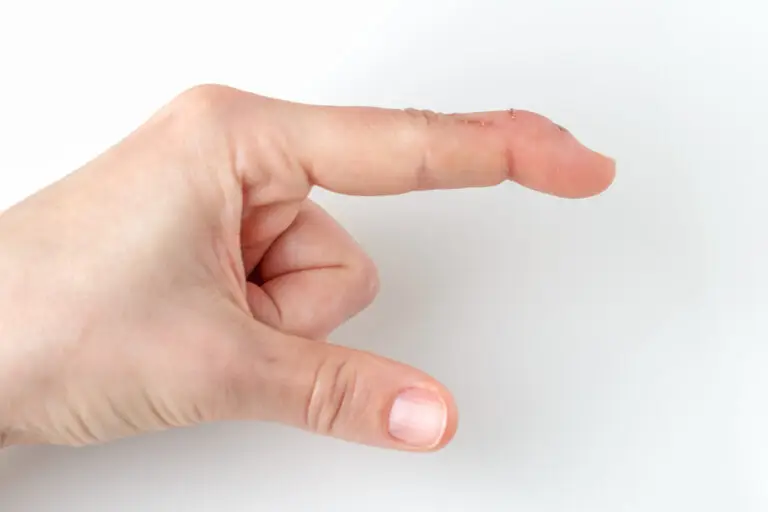
Boutonnière Deformity in Texas Workers’ Compensation Claims
Boutonnière deformity is a painful and function‑limiting finger injury seen in Texas workers’ compensation claims. It occurs when the central slip of the extensor tendon is torn, causing the middle joint (PIP joint) to bend downward while the fingertip (DIP joint) bends upward. This deformity severely limits hand function, grip strength, and the ability to perform essential job tasks.
Insurance carriers frequently dispute Boutonnière deformity, calling it “degenerative,” “minor,” or “not work‑related.” This post explains how the injury occurs, how it’s diagnosed, what treatment is available, and how injured workers can protect their claims.
Rituxan and Social Security Disability Benefits
Rituxan, also known by its generic name rituximab, is an infused medication used to treat several serious autoimmune, inflammatory, and blood-related conditions. If you are taking Rituxan, it may mean you have a medical condition that requires advanced immune-targeting treatment. But taking Rituxan does not automatically qualify someone for Social Security Disability benefits.
Social Security does not approve disability benefits simply because a person takes a certain medication. Instead, SSA evaluates the underlying diagnosis, the severity of symptoms, treatment history, medication side effects, complications, and whether the person can sustain full-time work.
Rituxan may appear in disability claims involving:
rheumatoid arthritis
granulomatosis with polyangiitis
microscopic polyangiitis
pemphigus vulgaris
non-Hodgkin’s lymphoma
chronic lymphocytic leukemia
autoimmune complications
severe fatigue
joint pain
skin blistering or wounds
infections
infusion reactions
immune suppression
treatment-related absences
medication side effects
reduced stamina
residual functional capacity limitations
Rituxan is a CD20-directed cytolytic antibody. FDA labeling lists indications including non-Hodgkin’s lymphoma, chronic lymphocytic leukemia, rheumatoid arthritis in combination with methotrexate after inadequate response to one or more TNF antagonist therapies, granulomatosis with polyangiitis and microscopic polyangiitis, and pemphigus vulgaris.
This guide explains how Rituxan may fit into a Social Security Disability claim, what symptoms and side effects may matter, what medical evidence may help, and how MLF Legal helps disability applicants nationwide.

Apartment Pool Accidents in Texas: Can the Property Owner Be Held Liable?
Texas apartment owners may be liable when broken gates, inadequate fencing, poor maintenance, unsafe drains, or other dangerous pool conditions cause an injury or drowning.

Finger Dislocations in Texas Workers’ Compensation Claims
Finger dislocations are common finger injuries in Texas workers’ compensation claims — especially in construction, warehousing, manufacturing, oilfield work, transportation, and any job requiring gripping, lifting, pushing, pulling, or tool use. A dislocation occurs when the bones of a finger joint are forced out of alignment, often damaging ligaments, tendons, cartilage, and sometimes nerves.
Even when reduced quickly, finger dislocations can lead to long‑term pain, stiffness, instability, and permanent impairment. Insurance carriers frequently dispute these injuries, calling them “minor,” “preexisting,” or “not work‑related.”
This post explains how finger dislocations occur, how they’re diagnosed, what treatment is available, and how injured workers can protect their claims.

Who Is Liable for a Swimming Pool Accident in Texas?
Liability for a Texas swimming pool accident may fall on a homeowner, apartment complex, hotel, HOA, maintenance contractor, or equipment manufacturer. Learn how Texas law determines responsibility.

Hand Sprains & Ligament Tears in Texas Workers’ Compensation Claims
Hand sprains and ligament tears are extremely common in Texas workers’ compensation claims — especially in construction, warehousing, manufacturing, oilfield work, transportation, and any job requiring gripping, lifting, pushing, pulling, or tool use. Ligaments stabilize the joints of the hand and fingers, and when injured, workers often experience pain, weakness, instability, and difficulty performing essential job tasks.
Insurance carriers frequently dispute ligament injuries, calling them “minor,” “degenerative,” or “not work‑related.” This post explains how hand sprains and ligament tears occur, how they’re diagnosed, what treatment is available, and how injured workers can protect their claims.

Amyotrophic Lateral Sclerosis (ALS) and Social Security Disability Benefits
People living with Amyotrophic Lateral Sclerosis (ALS), often called Lou Gehrig’s disease, may experience progressive muscle weakness, difficulty walking, impaired coordination, trouble speaking, swallowing difficulties, and respiratory complications. As the disease advances, these symptoms can significantly impact a person’s ability to work and perform everyday activities independently.
ALS is a progressive neurological disease that affects nerve cells responsible for controlling voluntary muscle movement. Although treatments may help manage symptoms and improve quality of life, the condition currently has no cure and typically worsens over time.

Texas Pool Injury Attorney
Swimming pools should be places for recreation—not preventable drownings, brain injuries, spinal cord damage, or other life-changing accidents. When a property owner, apartment complex, hotel, homeowners’ association, or pool operator fails to maintain a reasonably safe swimming environment, the injured person or surviving family may have the right to pursue compensation.
At MLF Legal, our Texas pool injury attorneys represent children, adults, and families affected by serious swimming pool accidents. We investigate what happened, identify every potentially responsible party, preserve critical evidence, and pursue the insurance coverage and compensation available under Texas law.
If you or someone you love suffered a serious swimming pool injury, contact MLF Legal for a free consultation.

Hand Crush Injuries in Texas Workers’ Compensation Claims
Hand crush injuries are among the most severe, traumatic, and life‑altering injuries seen in Texas workers’ compensation claims. These injuries often occur in construction, manufacturing, warehousing, oilfield work, transportation, and any job involving heavy machinery, vehicles, or tools.
Crush injuries can damage bones, tendons, nerves, blood vessels, ligaments, and soft tissue all at once. They frequently require surgery, long rehabilitation, and may result in permanent impairment or even amputation.
Insurance carriers often dispute crush injuries, claiming the damage is “preexisting,” “not severe,” or “not caused by work.” This post explains how hand crush injuries occur, how they’re diagnosed, what treatment is available, and how injured workers can protect their claims.
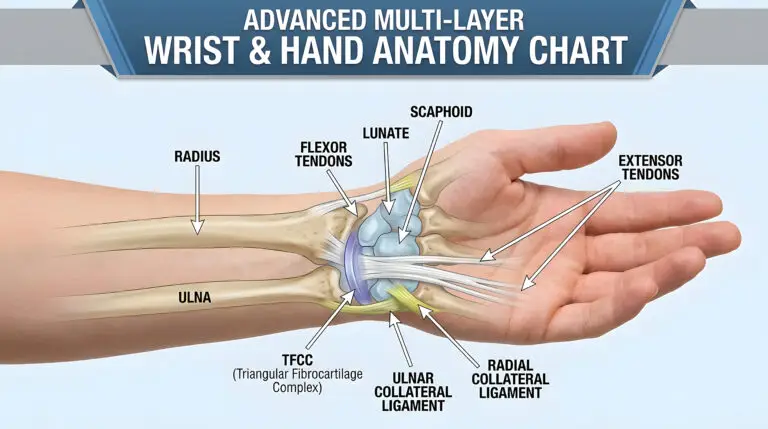
Extensor Tendon Injuries in Texas Workers’ Compensation Claims
Extensor tendon injuries are common in Texas workers’ compensation claims — especially in construction, warehousing, manufacturing, oilfield work, transportation, and any job requiring lifting, gripping, pushing, pulling, or tool use. Extensor tendons allow workers to straighten their fingers, lift objects, release grip, and stabilize the wrist.
When injured, workers often experience pain, weakness, loss of motion, deformity, and difficulty performing essential job tasks. Insurance carriers frequently dispute extensor tendon injuries, calling them “minor,” “degenerative,” or “not work‑related.”
This post explains how extensor tendon injuries occur, how they’re diagnosed, what treatment is available, and how injured workers can protect their claims.

Injured While Driving for Uber or Lyft in Texas: What Are Your Rights?
An injured Texas rideshare driver may have claims against another motorist and rights under personal, rideshare, UM/UIM, PIP, vehicle, or optional injury policies.