

Adderall Anxiety in Social Security Disability Claims
Adderall is commonly prescribed for attention-deficit/hyperactivity disorder, often called ADHD, and sometimes for narcolepsy. For some people, Adderall improves focus, attention, and daily functioning. For others, Adderall may cause or worsen anxiety, panic symptoms, irritability, insomnia, restlessness, rapid heartbeat, appetite loss, or difficulty functioning at work.
Adderall anxiety does not automatically qualify someone for Social Security Disability benefits. But medication side effects may matter if they are medically documented and affect the ability to work reliably.
Adderall anxiety may be relevant in disability claims involving:
ADHD
anxiety disorders
panic attacks
depression
bipolar disorder
PTSD
autism spectrum disorder
sleep problems
medication side effects
rapid heart rate or palpitations
difficulty concentrating
irritability
poor stress tolerance
attendance problems
failed work attempts
The FDA labeling for Adderall XR lists anxiety, agitation, insomnia, dizziness, tachycardia, headache, weight loss, and other symptoms among common adverse reactions in adults. It also warns that stimulant medications may increase blood pressure and heart rate and recommends monitoring for hypertension and tachycardia.
This guide explains how Adderall anxiety may affect work, how Social Security evaluates medication side effects, what medical evidence may help, and when it may be time to speak with a social security disability lawyer.

How Long Do You Have to File a Texas Rideshare Accident Lawsuit?
Most Texas Uber and Lyft injury lawsuits have a two-year limitations period, but governmental notice, minors, wrongful death, and policy deadlines can complicate the calculation.
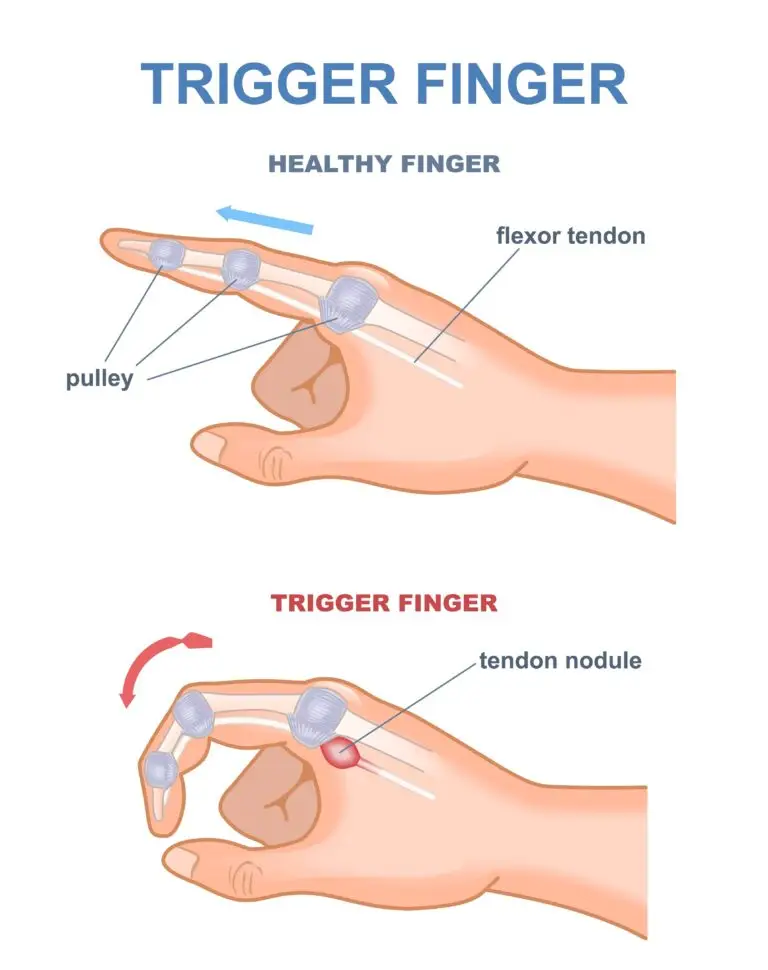
Trigger Finger (Stenosing Tenosynovitis) in Texas Workers’ Compensation Claims
Trigger Finger — medically known as stenosing tenosynovitis — is one of the most painful and function‑limiting hand injuries seen in Texas workers’ compensation claims. It occurs when the flexor tendon becomes inflamed and thickened, causing it to catch or lock as it moves through the tendon pulley system.
Workers often describe the finger “locking,” “catching,” or “snapping” when trying to bend or straighten it. Despite clear medical evidence, insurance carriers frequently dispute trigger finger injuries, calling them “degenerative,” “age‑related,” or “not work‑related.”
This post explains how trigger finger develops, how it’s diagnosed, what treatment is available, and how injured workers can protect their claims.
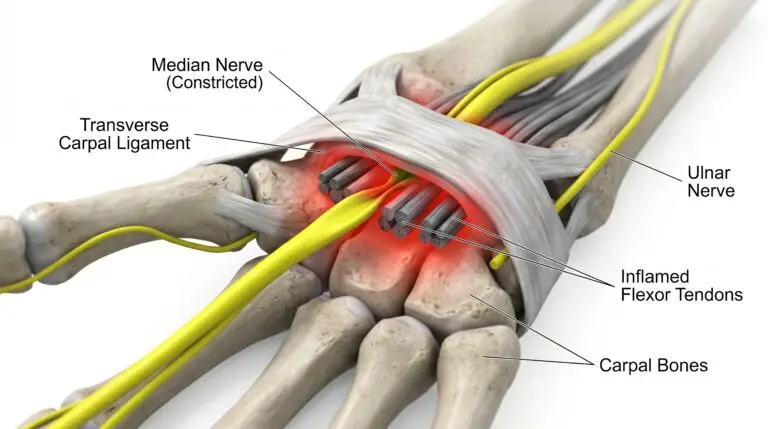
Flexor Tendon Injuries in Texas Workers’ Compensation Claims
Flexor tendon injuries are among the most serious and function‑limiting hand injuries seen in Texas workers’ compensation claims. Flexor tendons allow workers to grip tools, lift objects, make a fist, and perform nearly every essential hand movement. When injured, workers often experience pain, weakness, loss of motion, and difficulty performing job tasks.
Insurance carriers frequently dispute flexor tendon injuries, calling them “minor,” “degenerative,” or “not work‑related.” This post explains how flexor tendon injuries occur, how they’re diagnosed, what treatment is available, and how injured workers can protect their claims.

Residual Functional Capacity for Depression When Filing for Social Security Disability
Depression can affect far more than mood. It can interfere with concentration, memory, pace, motivation, sleep, energy, social interaction, stress tolerance, attendance, decision-making, and the ability to complete a full workday. For many people filing for Social Security Disability benefits, the most important issue is not just the diagnosis of depression, but the person’s residual functional capacity.
Residual Functional Capacity, often called RFC, is Social Security’s assessment of what a person can still do despite medical limitations.
A depression RFC may involve limitations related to:
poor concentration
memory problems
slowed thinking
reduced pace
low motivation
fatigue
sleep disruption
crying spells
panic symptoms
social withdrawal
irritability
difficulty handling stress
difficulty accepting criticism
missed workdays
off-task time
medication side effects
inability to complete a full workday
A diagnosis of depression does not automatically qualify someone for Social Security Disability benefits. Social Security evaluates whether the depression, combined with any other medical conditions, prevents reliable full-time employment.
This guide explains how RFC applies to depression claims, what limitations may matter, what medical evidence may help, and when it may be time to speak with a disability lawyer.

Hit by an Uber or Lyft Driver in Texas: Who Is Responsible?
If an Uber or Lyft driver hits your car, bicycle, motorcycle, or you as a pedestrian, liability and coverage depend on fault and the driver’s app status.
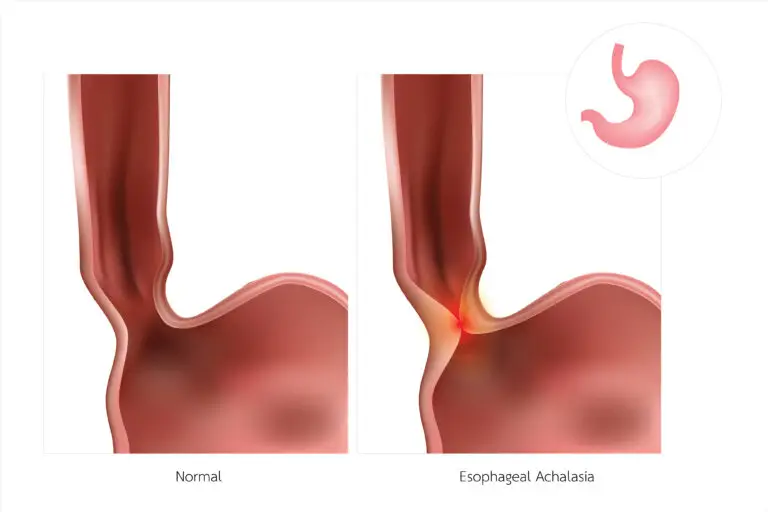
Achalasia and Social Security Disability Benefits
If you searched for “achalaise,” you may have been looking for achalasia. Achalasia is a rare swallowing disorder involving the esophagus, the tube that carries food and liquid from the mouth to the stomach. It can cause trouble swallowing, regurgitation, chest pain, weight loss, aspiration, fatigue, and difficulty eating enough to maintain strength.
Achalasia does not automatically qualify someone for Social Security Disability benefits. However, it may support a disability claim when symptoms, complications, treatment history, and functional limitations prevent reliable full-time work.
Achalasia may be involved in disability claims when it causes:
trouble swallowing
food sticking in the chest
regurgitation of food or liquid
choking or coughing while eating
aspiration
aspiration pneumonia
chest pain
weight loss
malnutrition
fatigue
weakness
inability to eat enough during the workday
frequent medical appointments
procedures or surgeries
anxiety around eating
reduced stamina
absences from complications or treatment
Achalasia is an esophageal motility disorder involving impaired esophageal peristalsis and failure of the lower esophageal sphincter to relax properly during swallowing. In practical terms, food and liquid may have difficulty moving into the stomach.
This guide explains what achalasia is, how it may affect work, how Social Security evaluates achalasia-related disability claims, what medical evidence may help, and when it may be time to speak with a disability lawyer.

What Happens When Another Driver Causes Your Uber or Lyft Accident?
When another motorist causes a Texas rideshare accident, an injured passenger or driver may pursue that motorist while also investigating other available insurance.
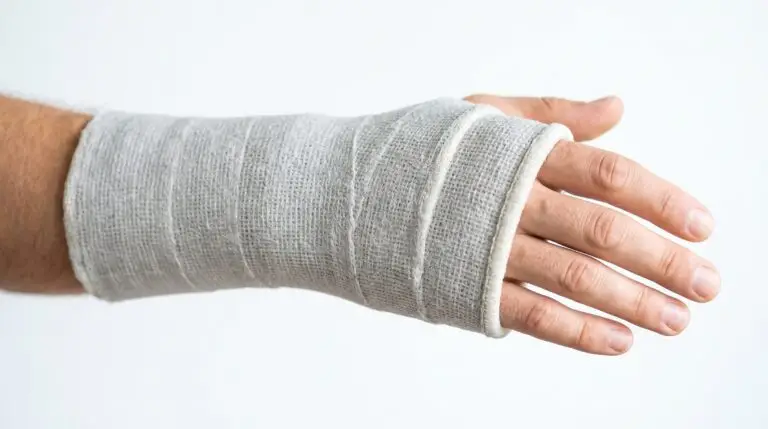
Hand & Finger Fractures in Texas Workers’ Compensation Claims
Hand and finger fractures are among the most common and most disabling injuries in Texas workers’ compensation claims. Workers in construction, warehousing, manufacturing, oilfield work, transportation, food service, and healthcare frequently suffer fractures from crush injuries, falls, machinery accidents, and heavy lifting.
Even “simple” fractures can cause long‑term pain, stiffness, weakness, and permanent impairment — especially when they involve joint surfaces, tendons, or nerves. Insurance carriers often dispute these injuries, calling them “minor,” “preexisting,” or “not work‑related.”
This post explains how hand and finger fractures occur, how they’re diagnosed, what treatment is available, and how injured workers can protect their claims.

ICOTYDE and Social Security Disability Benefits
ICOTYDE is the brand name for icotrokinra. It is an oral medication used for moderate-to-severe plaque psoriasis. Unlike injectable biologics used for psoriasis, ICOTYDE is taken by mouth.
The FDA prescribing information identifies ICOTYDE as an IL-23 receptor antagonist. IL-23 is involved in inflammatory and immune responses, and icotrokinra works by blocking IL-23 receptor activity.
According to the FDA label, ICOTYDE is taken as a 200 mg oral tablet once daily. The label states that it should be taken upon waking on an empty stomach with water and that patients should wait at least 30 minutes before eating or drinking anything other than water.
Doctors may prescribe ICOTYDE for moderate-to-severe plaque psoriasis when a person is a candidate for systemic therapy or phototherapy. That treatment history may be important in a disability claim because it may help show that the psoriasis is more serious than a mild skin condition.
But the medication itself is not the disability. The disability question is whether the psoriasis, related symptoms, treatment effects, or complications prevent reliable full-time work.

Hand & Finger Injuries in Texas Workers’ Compensation Claims
Hand and finger injuries are among the most common and most disabling injuries in Texas workers’ compensation claims. Workers in construction, warehousing, manufacturing, oilfield work, transportation, food service, healthcare, and any job requiring gripping, lifting, pushing, pulling, or tool use are at high risk.
Because the hand is essential for nearly every job task, even “minor” injuries can cause major functional loss — and insurance companies frequently dispute these claims, calling them “degenerative,” “minor,” or “not work‑related.”
This pillar page provides a complete, SEO‑optimized, medically accurate, legally strategic overview of hand and finger injuries in Texas workers’ compensation, including:
Anatomy
Common injury types
Mechanisms of injury
Diagnosis
Treatment
Impairment ratings
Insurance disputes
How MLF Legal wins these cases
It also links to deeper subpages for each hand/finger injury category.

What Evidence Do You Need for a Texas Rideshare Accident Claim?
Strong Texas Uber and Lyft accident claims rely on evidence proving fault, app status, insurance coverage, injuries, and damages. Learn what to preserve.
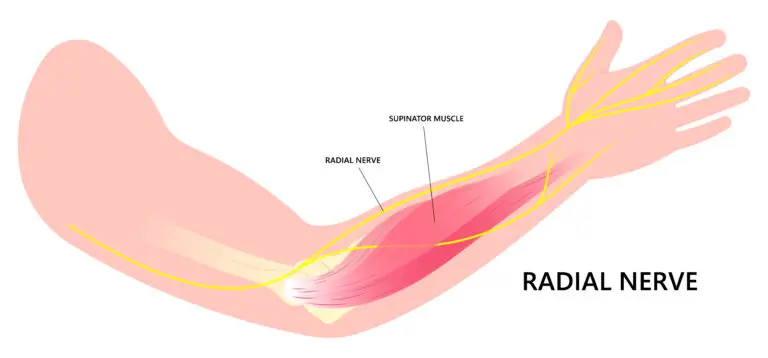
Radial Nerve Compression in Texas Workers’ Compensation Claims
Radial nerve compression — often referred to as Wartenberg’s Syndrome or superficial radial nerve entrapment — is a painful nerve injury affecting the thumb‑side of the wrist and hand. In Texas workers’ compensation claims, radial nerve compression is frequently linked to repetitive gripping, tool vibration, tight equipment, and direct trauma.
Despite clear medical evidence, insurance carriers often dispute radial nerve injuries, calling them “minor,” “degenerative,” or “not work‑related.” This post explains how radial nerve compression develops, how it’s diagnosed, what treatment is available, and how injured workers can protect their claims.
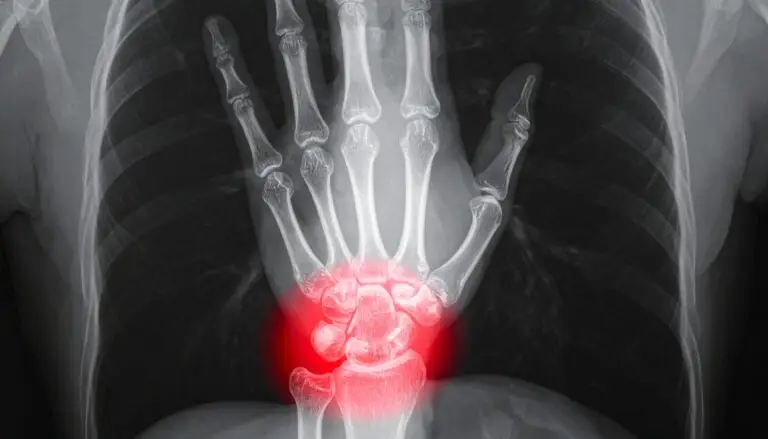
Ulnar Impaction Syndrome in Texas Workers’ Compensation Claims
Ulnar Impaction Syndrome (UIS) — also known as ulnar abutment syndrome — is a painful degenerative wrist condition caused by excessive pressure between the ulna and the carpal bones, especially the lunate and triquetrum. In Texas workers’ compensation claims, UIS is frequently linked to repetitive gripping, heavy lifting, twisting injuries, and trauma that alters wrist mechanics.
UIS is one of the most misunderstood and most disputed wrist conditions in workers’ comp. Carriers often claim it is “degenerative,” “preexisting,” or “not caused by work.” But UIS is commonly triggered or aggravated by workplace trauma — especially TFCC tears, ulnar‑sided wrist injuries, and repetitive strain.
This post explains how UIS develops, how it’s diagnosed, what treatment is available, and how injured workers can protect their claims.

Alzheimer’s Disease and Social Security Disability Benefits
People living with Alzheimer’s disease often experience progressive memory loss, confusion, impaired judgment, difficulty completing familiar tasks, and challenges with communication. As symptoms worsen, individuals may struggle to manage daily responsibilities, maintain employment, or safely perform routine activities without assistance.
Alzheimer’s disease is a progressive neurological disorder that affects memory, thinking, and behavior. Although treatments may help manage symptoms or slow progression, the condition typically results in increasing functional limitations over time.

Can You Sue Uber or Lyft After an Accident in Texas?
A Texas rideshare accident may support claims against a negligent driver, another motorist, or other responsible parties. Direct claims against Uber or Lyft require a fact-specific legal analysis.

23rd Annual Advanced Workers’ Compensation Law Course
This month, Matt, a former Chair of the Workers’ Compensation Law Section of the State Bar of Texas, captivated attendees with his presentation, “Peering at the Evidence: Inside the Record Review That Makes or Breaks Extent-of-Injury Claims.” Collaborating with Dr. John Welsh, a renowned Texas peer review doctor, they delved into the critical aspects of evidence evaluation in workers’ compensation cases. Don’t miss the opportunity to enhance your knowledge and skills in this vital area of law!

Post Traumatic Wrist Arthritis in Texas Workers’ Compensation Claims
Post‑traumatic wrist arthritis is one of the most disabling long‑term consequences of workplace wrist injuries in Texas workers’ compensation claims. It develops when trauma — such as fractures, ligament tears, TFCC injuries, or chronic instability — damages the cartilage and joint surfaces of the wrist. Over time, this leads to pain, stiffness, weakness, and loss of function.
Insurance carriers frequently dispute post‑traumatic arthritis, claiming it is “degenerative,” “age‑related,” or “not caused by the work injury.” This post explains how post‑traumatic wrist arthritis develops, how it’s diagnosed, what treatment is available, and how injured workers can protect their claims.

How Much Is an Uber or Lyft Accident Claim Worth in Texas?
No fixed average determines a Texas Uber or Lyft accident settlement. Learn which medical, financial, insurance, and liability factors affect claim value.

Residual Functional Capacity for Fibromyalgia When Filing For Social Security Disability
Fibromyalgia can affect a person’s ability to work in ways that are difficult to capture with X-rays, MRIs, or routine lab testing. Many people with fibromyalgia experience widespread pain, fatigue, brain fog, poor sleep, flares, medication side effects, and reduced stamina. These symptoms may make it difficult to sit, stand, walk, lift, carry, concentrate, maintain pace, attend work consistently, or complete a full workday.
For many fibromyalgia disability claims, the most important issue is residual functional capacity, often called RFC.
Residual Functional Capacity is Social Security’s assessment of what a person can still do despite medical limitations.
A fibromyalgia RFC may involve limitations related to:
widespread pain
chronic fatigue
brain fog
memory problems
difficulty concentrating
poor sleep
muscle tenderness
headaches
irritable bowel symptoms
sensitivity to stress
medication side effects
reduced stamina
flares
absences
inability to complete a full workday
A diagnosis of fibromyalgia does not automatically qualify someone for Social Security Disability benefits. Social Security evaluates whether the condition, symptoms, treatment history, and functional limitations prevent reliable full-time employment.
This guide explains how RFC applies to fibromyalgia claims, what limitations may matter, what medical evidence may help, and when it may be time to speak with a disability lawyer.