
Iron Deficiency Anemia and Social Security Disability Benefits
TELL US WHAT HAPPENED SO WE CAN HELP. FREE CONSULTATION

Contact Us About Your Case
FREE Consultation Today.
Iron Deficiency Anemia and Social Security Disability Benefits
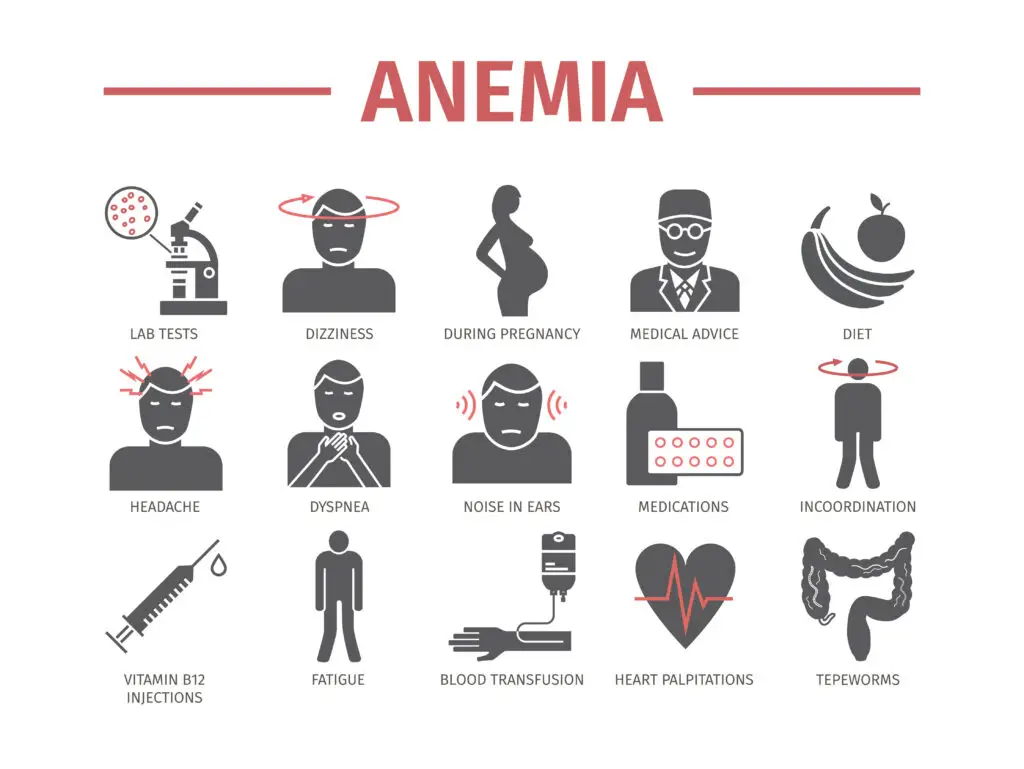
Iron deficiency anemia can cause severe fatigue, weakness, dizziness, shortness of breath, headaches, rapid heartbeat, brain fog, and reduced stamina. For some people, anemia improves with treatment. For others, anemia is chronic, recurrent, or caused by an underlying medical condition that continues to interfere with work.
While iron deficiency anemia alone does not automatically qualify someone for Social Security Disability benefits, it may support a disability claim when it is medically documented and causes serious work-related limitations.
Iron deficiency anemia may appear in disability claims involving:
- celiac disease
- malabsorption
- Crohn’s disease
- ulcerative colitis
- chronic gastrointestinal bleeding
- chronic kidney disease
- heavy menstrual bleeding
- cancer or cancer treatment
- chronic inflammation
- post-surgical digestive complications
- nutritional deficiencies
- autoimmune disease
This guide explains how Social Security evaluates iron deficiency anemia, what symptoms may affect work, what medical evidence may support a claim, and when it may be time to speak with a disability lawyer.

What Is Iron Deficiency Anemia?
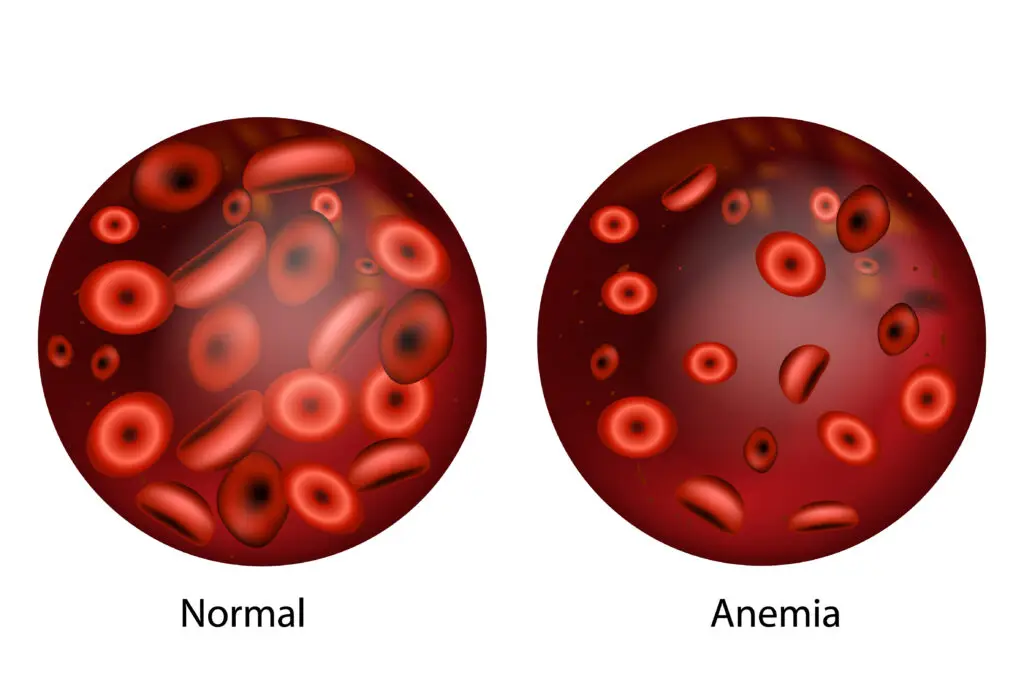
Iron deficiency anemia occurs when the body does not have enough iron to make healthy red blood cells. Red blood cells carry oxygen throughout the body. When iron levels are too low, the body may not deliver enough oxygen to the muscles, brain, heart, and other organs.
Symptoms may include:
- severe fatigue
- weakness
- dizziness
- lightheadedness
- shortness of breath
- rapid heartbeat
- chest discomfort
- headaches
- cold hands or feet
- pale skin
- brain fog
- poor concentration
- reduced stamina
- restless legs
- difficulty with exertion
Mild anemia may cause few symptoms. Severe or chronic anemia can make even basic daily activities difficult.
In a work setting, iron deficiency anemia may interfere with:
- standing
- walking
- lifting
- carrying
- climbing stairs
- staying focused
- maintaining pace
- completing a full workday
- attending work consistently
When anemia is persistent, recurrent, or part of a more serious medical condition, it may become important in a Social Security Disability claim.
Can Iron Deficiency Anemia Qualify for Social Security Disability?
Yes, in some cases. Iron deficiency anemia may support a Social Security Disability claim when it is caused by a medically documented condition and results in significant functional limitations.
Social Security generally does not approve benefits based only on a diagnosis of anemia or a single abnormal lab result. Instead, SSA evaluates:
- the cause of the anemia
- severity of low hemoglobin or iron levels
- how long the anemia has lasted
- whether anemia improves with treatment
- symptoms such as fatigue, dizziness, or shortness of breath
- complications
- hospitalizations or transfusions
- treatment history
- functional limitations
- whether the condition is expected to last at least 12 months
The key question is whether anemia prevents the person from sustaining full-time work.
For example, iron deficiency anemia may affect work by causing:
- severe fatigue
- reduced stamina
- dizziness or faintness
- shortness of breath with activity
- inability to stand or walk long enough
- difficulty concentrating
- slower pace
- need for rest breaks
- missed work for treatment
- inability to complete a full workday
If those limitations are severe and supported by medical evidence, disability benefits may be available.
How Iron Deficiency Anemia Can Affect the Ability to Work
Iron deficiency anemia can affect both physical and sedentary jobs.
Fatigue and Reduced Stamina
Fatigue is one of the most common and limiting symptoms of anemia. A person may feel exhausted after minimal activity or may be unable to sustain activity throughout the day.
Fatigue may affect the ability to:
- complete a full workday
- work five days per week
- maintain pace
- stay productive
- stand or walk for long periods
- lift and carry
- recover after exertion
- perform tasks on consecutive days
Fatigue from anemia may be especially disabling when combined with autoimmune disease, digestive disorders, chronic pain, heart disease, or medication side effects.
Dizziness, Lightheadedness, and Faintness
Iron deficiency anemia may cause dizziness or lightheadedness because the body is not carrying enough oxygen efficiently.
This may affect work involving:
- standing
- walking
- driving
- operating machinery
- climbing stairs
- working at heights
- working around hazards
- fast movement
- patient care
- warehouse or production work
If dizziness creates fall risk or safety concerns, Social Security may consider restrictions involving hazards, machinery, heights, climbing, or driving.
Shortness of Breath and Exertional Limits
Anemia can cause shortness of breath, especially during physical activity. A person may struggle with walking, climbing stairs, lifting, or performing tasks that require sustained exertion.
Shortness of breath may limit:
- walking distance
- standing tolerance
- lifting and carrying
- stair climbing
- pace and productivity
- ability to tolerate heat
- ability to perform physical labor
This can be especially important when anemia occurs with heart disease, lung disease, or chronic inflammatory conditions.
Brain Fog and Concentration Problems
Iron deficiency anemia can contribute to brain fog, poor focus, headaches, and slowed thinking.
Cognitive symptoms may affect:
- memory
- task completion
- attention to detail
- decision-making
- ability to follow instructions
- pace
- productivity
- ability to handle stress
Even sedentary work may be difficult if anemia causes severe fatigue and concentration problems.
Attendance and Medical Treatment
Iron deficiency anemia may require ongoing medical treatment, especially when it is severe, recurrent, or caused by bleeding or malabsorption.
Treatment may involve:
- oral iron supplements
- iron infusions
- B12 or folate treatment if additional deficiencies exist
- blood transfusions in severe cases
- gastrointestinal evaluation
- endoscopy or colonoscopy
- specialist visits
- treatment for the underlying condition
Frequent appointments, infusions, hospitalizations, or symptom flares may affect regular attendance.
Common Causes of Iron Deficiency Anemia in Disability Claims
Iron deficiency anemia is often a sign of another medical problem. Below are common causes that may appear in Social Security Disability claims.
Celiac Disease and Iron Deficiency Anemia
Celiac disease can damage the small intestine and interfere with nutrient absorption. Iron deficiency anemia may be one of the first signs of celiac disease.
Celiac-related anemia may occur with:
- malabsorption
- chronic diarrhea
- abdominal pain
- weight loss
- vitamin deficiencies
- fatigue
- brain fog
- neuropathy
- osteoporosis
- persistent symptoms despite a gluten-free diet
Celiac disease may support a disability claim when anemia, digestive symptoms, fatigue, malnutrition, or complications prevent reliable full-time work.
Malabsorption and Iron Deficiency Anemia
Malabsorption occurs when the digestive system cannot absorb nutrients properly. Iron, B12, folate, vitamin D, calcium, and other deficiencies may develop.
Malabsorption-related anemia may occur with:
- celiac disease
- Crohn’s disease
- short bowel syndrome
- chronic pancreatitis
- pancreatic insufficiency
- post-surgical digestive complications
- bile acid malabsorption
- chronic diarrhea
Symptoms may include fatigue, weakness, dizziness, brain fog, weight loss, diarrhea, and poor stamina.
Crohn’s Disease, Ulcerative Colitis, and Anemia
Inflammatory bowel disease can cause anemia through bleeding, inflammation, malabsorption, poor intake, and chronic disease activity.
Symptoms may include:
- chronic diarrhea
- rectal bleeding
- abdominal pain
- weight loss
- fatigue
- urgency
- dehydration
- frequent flares
- hospitalizations
Anemia may add to the work limitations caused by IBD by worsening fatigue, weakness, dizziness, and reduced stamina.
Chronic Gastrointestinal Bleeding and Anemia
Chronic gastrointestinal bleeding can cause iron deficiency anemia when blood loss occurs over time.
Possible causes include:
- ulcers
- inflammatory bowel disease
- colon polyps
- diverticular disease
- GI tumors
- esophageal or stomach disorders
- medication-related bleeding
- angiodysplasia
- hemorrhoids in some cases
GI bleeding may cause anemia, weakness, dizziness, faintness, fatigue, and hospitalizations. Social Security may consider both the bleeding disorder and the resulting functional limitations.
Heavy Menstrual Bleeding and Anemia
Heavy menstrual bleeding can cause chronic or recurrent iron deficiency anemia. In severe cases, anemia may cause fatigue, dizziness, weakness, shortness of breath, and reduced stamina.
Work limitations may involve:
- missed workdays
- severe fatigue
- dizziness
- need for frequent medical treatment
- reduced physical endurance
- difficulty concentrating
This page can support future content on gynecological conditions and disability claims if you build that cluster later.
Chronic Kidney Disease and Anemia
Chronic kidney disease can contribute to anemia because the kidneys help regulate red blood cell production. Some people may also have iron deficiency or other deficiencies.
Kidney-related anemia may cause:
- severe fatigue
- weakness
- shortness of breath
- dizziness
- poor stamina
- difficulty concentrating
Anemia may be one part of a broader disability claim involving kidney disease, diabetes, heart disease, or autoimmune disease.
Autoimmune Disease, Chronic Inflammation, and Anemia
Autoimmune and inflammatory conditions may contribute to anemia through chronic inflammation, medication effects, malabsorption, kidney involvement, or digestive complications.
Relevant conditions may include:
- lupus
- rheumatoid arthritis
- psoriatic arthritis
- scleroderma
- Sjogren’s syndrome
- mixed connective tissue disease
- inflammatory bowel disease
- celiac disease
Fatigue from anemia may combine with pain, joint stiffness, brain fog, flare-ups, and medication side effects.
Cancer, Treatment, and Iron Deficiency Anemia
Cancer and cancer treatment may contribute to anemia through bleeding, nutritional problems, surgery, chemotherapy, inflammation, or bone marrow effects.
Anemia may worsen fatigue, weakness, shortness of breath, poor concentration, and stamina problems. If cancer-related anemia is part of a broader claim, Social Security evaluates the diagnosis, treatment, complications, duration, and functional limitations.
Relevant Social Security Blue Book Listings for Iron Deficiency Anemia
Iron deficiency anemia may be evaluated under different Social Security Blue Book sections depending on the cause and complications.
There is not always one listing that applies to every iron deficiency anemia claim. Instead, Social Security may evaluate:
- digestive disorder listings if anemia is caused by celiac disease, inflammatory bowel disease, malabsorption, or gastrointestinal bleeding
- hematological disorder listings if the anemia is severe, chronic, or requires significant treatment
- cardiovascular listings if anemia worsens heart symptoms
- respiratory listings if shortness of breath and exertional limitations are severe
- immune system listings if anemia is related to autoimmune disease
- kidney disease listings if anemia is related to chronic kidney disease
Even if a person does not meet a specific Blue Book listing, iron deficiency anemia may still support disability through a Residual Functional Capacity assessment.
Iron Deficiency Anemia and Residual Functional Capacity
Residual Functional Capacity, or RFC, describes what a person can still do despite medical limitations.
For iron deficiency anemia, RFC limitations may involve:
- reduced stamina
- limited standing
- limited walking
- limited lifting and carrying
- need for rest breaks
- reduced pace
- off-task time
- absences for treatment
- difficulty concentrating
- avoidance of hazards if dizziness occurs
- inability to tolerate physically demanding work
- inability to complete a full workday
For example:
- Fatigue may reduce pace and productivity.
- Dizziness may require hazard restrictions.
- Shortness of breath may limit exertion.
- Brain fog may affect concentration.
- Infusions or transfusions may cause absences.
- The underlying digestive disorder may require bathroom breaks.
In many anemia claims, RFC is critical because the person may not meet a listing but may still be unable to sustain competitive employment.
Medical Evidence That May Support an Iron Deficiency Anemia Disability Claim
Strong medical evidence is important because anemia severity can fluctuate and may improve or worsen with treatment.
Helpful evidence may include:
- complete blood count results
- hemoglobin and hematocrit levels
- ferritin levels
- serum iron testing
- transferrin saturation
- total iron-binding capacity
- B12 and folate testing
- reticulocyte counts
- gastroenterology records
- endoscopy reports
- colonoscopy reports
- biopsy results
- records of GI bleeding
- menstrual history and gynecology records when relevant
- kidney function testing
- inflammatory markers
- infusion records
- transfusion records
- hospitalization records
- medication history
- physician statements about work limitations
The strongest evidence explains not just that anemia exists, but how it affects stamina, concentration, attendance, and physical activity.
Lab Findings That May Matter in Anemia Claims
Lab findings may help show the severity and persistence of iron deficiency anemia.
Important labs may include:
- hemoglobin
- hematocrit
- mean corpuscular volume
- ferritin
- serum iron
- transferrin saturation
- total iron-binding capacity
- red blood cell indices
- B12
- folate
- inflammatory markers
- kidney function tests
Repeated abnormal results may be especially important if they show chronic or recurrent anemia despite treatment.
Treatment History and Iron Deficiency Anemia
Treatment history may help show severity, persistence, and response to medical care.
Medical treatment may include:
- oral iron supplements
- intravenous iron infusions
- dietary changes
- B12 or folate replacement if needed
- treatment for celiac disease or malabsorption
- treatment for gastrointestinal bleeding
- treatment for inflammatory bowel disease
- blood transfusions in severe cases
- surgery or procedures to address bleeding
- management of kidney disease or chronic inflammation
Treatment does not automatically prove disability. But chronic and long-lasting symptoms, despite treatment, may support the claim.
Medication Side Effects and Anemia-Related Claims
Some treatments or medications connected to the underlying condition may cause side effects that affect work.
Relevant medication-related issues may include:
- nausea from iron supplements
- constipation or stomach upset
- fatigue after infusions
- reactions to infusions
- side effects from biologics or immunosuppressants
- steroid side effects
- medication-related bleeding risks
- dizziness or brain fog from other medications
Social Security may consider medication side effects if they are documented and affect the ability to work safely or consistently.
Tracking Anemia Symptoms for a Disability Claim
A symptom log may help document how anemia affects daily life. A useful log may include:
- fatigue level
- dizziness or lightheadedness
- shortness of breath
- headaches
- weakness
- heart palpitations
- brain fog
- activity tolerance
- walking distance
- need for rest breaks
- missed work or activities
- medical appointments
- infusion or transfusion dates
- symptoms after treatment
- digestive symptoms if present
A symptom log is not a substitute for medical evidence, but it can help support medical records and testimony.
Examples of Work Limitations Caused by Iron Deficiency Anemia
Iron deficiency anemia may support disability eligibility when it causes limitations such as:
- inability to sustain full-time work
- severe fatigue despite treatment
- reduced walking or standing tolerance
- inability to perform physical labor
- dizziness or near-fainting
- need to avoid hazards
- shortness of breath with exertion
- difficulty concentrating
- reduced pace and productivity
- need for unscheduled rest breaks
- absences for medical treatment
- inability to complete a full workday
At a disability hearing, these limitations may be important because a vocational expert may consider whether a person with those restrictions could sustain competitive employment.
Signs Iron Deficiency Anemia May Support a Disability Claim
You may want to explore disability eligibility if iron deficiency anemia causes:
- persistent severe fatigue
- chronic dizziness or lightheadedness
- shortness of breath with minimal activity
- recurrent low hemoglobin or ferritin
- need for repeated iron infusions
- blood transfusions
- hospitalizations
- missed workdays
- inability to maintain pace
- inability to complete a full workday
- complications from celiac disease, malabsorption, IBD, kidney disease, or bleeding
When anemia prevents reliable, sustained employment, disability benefits may be available.
When to Speak With a Social Security Disability Lawyer
Iron deficiency anemia and social security disability claims can be challenging because anemia may improve with treatment in some cases. The disability claim must show how the anemia and underlying condition affect the ability to work over time.
Many people seek legal help when:
- they are unsure whether anemia qualifies
- their disability claim has been denied
- they have celiac disease, Crohn’s disease, malabsorption, or chronic bleeding
- their symptoms persist despite treatment
- they need repeated infusions or transfusions
- their records do not clearly explain work limitations
- they are preparing for a disability hearing
A social security disability attorney can help evaluate how iron deficiency anemia fits into the overall disability claim and what evidence may be needed.
FAQs: Iron Deficiency Anemia and Social Security Disability Benefits
Can iron deficiency anemia qualify for Social Security Disability?
Yes, iron deficiency anemia may support a Social Security Disability claim when it is medically documented and causes serious work-related limitations. Social Security evaluates the cause of the anemia, severity, treatment history, symptoms, complications, and ability to sustain full-time work.
Does low iron automatically qualify for disability benefits?
No. Low iron or anemia alone does not automatically qualify someone for disability benefits. The key issue is whether anemia and the underlying medical condition prevent reliable, full-time work.
What symptoms of iron deficiency anemia matter in a disability claim?
Important symptoms may include severe fatigue, weakness, dizziness, shortness of breath, rapid heartbeat, headaches, brain fog, poor concentration, reduced stamina, and inability to complete a full workday.
What conditions commonly cause iron deficiency anemia in disability claims?
Common causes include celiac disease, malabsorption, Crohn’s disease, ulcerative colitis, chronic gastrointestinal bleeding, chronic kidney disease, heavy menstrual bleeding, cancer, chronic inflammation, and post-surgical digestive complications.
What evidence helps prove iron deficiency anemia in a disability claim?
Helpful evidence may include complete blood count results, hemoglobin and hematocrit levels, ferritin, iron studies, B12 and folate testing, gastroenterology records, colonoscopy or endoscopy reports, infusion records, transfusion records, hospitalization records, and physician statements about work limitations.
Can anemia-related fatigue affect residual functional capacity?
Yes. Fatigue from anemia may affect residual functional capacity by limiting stamina, pace, standing, walking, lifting, concentration, attendance, and the ability to complete a full workday.
Can iron infusions or blood transfusions help support a disability claim?
They may help show severity if the medical records document recurrent anemia, persistent symptoms, or the need for ongoing treatment. Social Security will still evaluate how the condition affects the ability to work.
What should I do if iron deficiency anemia prevents me from working?
You may want to speak with a Social Security Disability attorney to evaluate whether your medical records, symptoms, treatment history, and work limitations may support a disability claim.
Contact MLF Legal for a Free Disability Case Evaluation
If iron deficiency anemia, celiac disease, malabsorption, chronic diarrhea, gastrointestinal bleeding, fatigue, dizziness, or another medical condition prevents you from working, you may qualify for Social Security Disability benefits.
MLF Legal represents disability applicants nationwide. Based in Dallas, Texas, we help individuals across the country pursue disability benefits.
Our social security lawyers can review your situation for free and explain your options.
📞 Call MLF Legal at 214-357-1782 to request a free consultation.
Next Steps:
1st Sign up For a Free One-on-One Disability Case Evaluation
Contact us today to schedule your personalized one-on-one free phone consultation with one of our dedicated legal professionals. Our experienced social security lawyers are here to provide the expert legal guidance and support you need throughout the entire process of your case.
We understand the complexities involved in social security disability claims and are committed to helping you achieve the best possible outcome. Don’t hesitate to reach out and take the first step toward securing the justice you deserve.
2nd Download Free E-Books
Social Security Disability
Navigating the Social Security Disability Benefits process can be complex, but understanding the key steps can help. From gathering medical records to completing the application, this process ensures eligible individuals receive the support they need. Seeking guidance from experts can simplify the journey and increase the chances of a successful outcome.
Call MLF Legal today
214-357-1782
Fill out our online form
for a free consultation.
We only get paid if we win your case.