
Amyotrophic Lateral Sclerosis (ALS) and Social Security Disability Benefits
TELL US WHAT HAPPENED SO WE CAN HELP. FREE CONSULTATION

Contact Us About Your Case
FREE Consultation Today.
Amyotrophic Lateral Sclerosis (ALS) and Social Security Disability Benefits
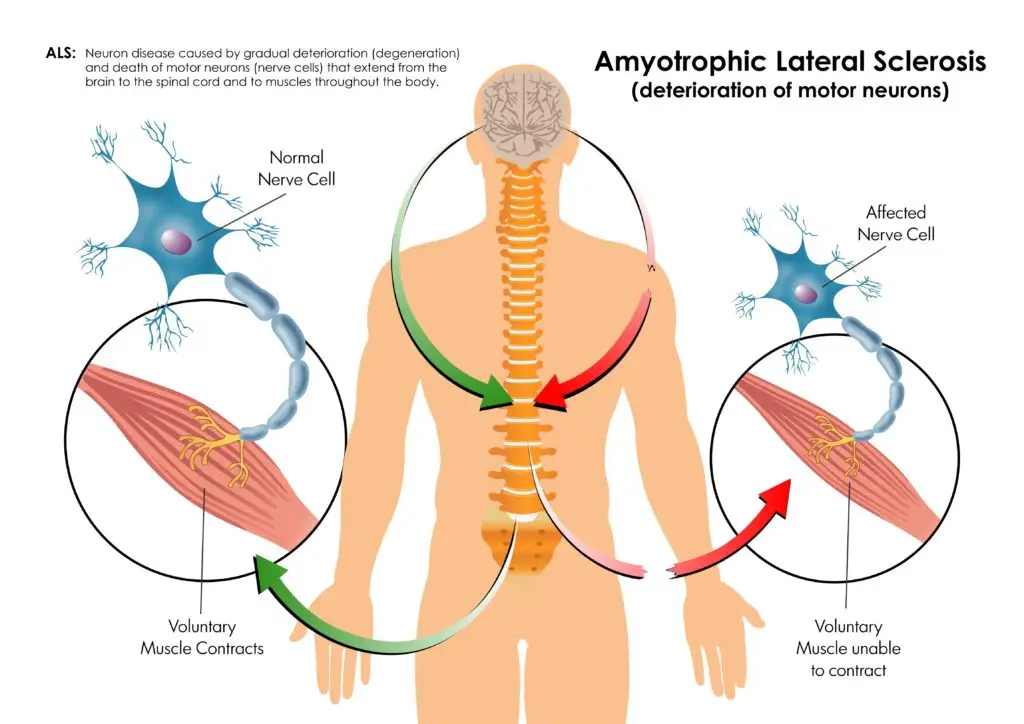
People living with Amyotrophic Lateral Sclerosis (ALS), often called Lou Gehrig’s disease, may experience progressive muscle weakness, difficulty walking, impaired coordination, trouble speaking, swallowing difficulties, and respiratory complications. As the disease advances, these symptoms can significantly impact a person’s ability to work and perform everyday activities independently.
ALS is a progressive neurological disease that affects nerve cells responsible for controlling voluntary muscle movement. Although treatments may help manage symptoms and improve quality of life, the condition currently has no cure and typically worsens over time.

Can ALS Qualify for Social Security Disability Benefits?
Yes. ALS is recognized by the Social Security Administration (SSA) as a severe neurological condition that may qualify individuals for Social Security Disability Insurance (SSDI) benefits.
Because ALS causes progressive functional decline, many individuals are unable to maintain substantial gainful employment after diagnosis. The SSA generally understands the serious nature of the disease and evaluates claims accordingly.
How the SSA Evaluates ALS
When reviewing an ALS disability claim, the SSA may consider:
- Neurological examinations
- EMG and nerve conduction studies
- Clinical findings documenting muscle weakness
- Speech and swallowing evaluations
- Respiratory testing results
- Treatment records from specialists
- Evidence of functional limitations
The agency evaluates how symptoms affect a person’s ability to stand, walk, use their hands, communicate, breathe, and complete work-related activities. These considerations are part of the residual functional capacity assessment.
How ALS Qualifies Under the Social Security Disability Blue Book
The Social Security Administration evaluates Amyotrophic Lateral Sclerosis (ALS) under Blue Book Listing 11.10 (Amyotrophic Lateral Sclerosis) in the Neurological Disorders section. According to the SSA, Listing 11.10 is met when ALS is established by clinical and laboratory findings.
Unlike many other neurological conditions, ALS does not require applicants to prove specific levels of physical or mental limitations to satisfy the listing. Instead, the SSA focuses on confirming the diagnosis through objective medical evidence, including neurological examinations, diagnostic testing, and other clinical findings consistent with ALS.
ALS is also designated as a Compassionate Allowance condition, meaning the SSA may expedite review of disability applications because of the disease’s severe and progressive nature. Even with expedited processing, applicants should provide comprehensive medical records from treating neurologists, diagnostic studies such as electromyography (EMG), and documentation supporting the diagnosis.
Because Listing 11.10 is based on establishing the diagnosis itself, individuals diagnosed with ALS often have a more direct path to disability approval than applicants with many other neurological disorders. However, complete and well-documented medical evidence remains essential to avoid unnecessary delays in the claims process.
Medical Evidence That Strengthens an ALS Claim
Strong disability claims often include:
- A confirmed ALS diagnosis from a neurologist
- Detailed treatment records
- Documentation of progressive symptom worsening
- Muscle strength testing results
- Respiratory evaluations
- Statements regarding daily functional limitations
- Supporting opinions from treating physicians
Comprehensive medical evidence helps demonstrate the severity of the condition and its impact on employment.
Common Work Limitations Caused by ALS
Individuals with ALS may experience:
- Progressive muscle weakness
- Difficulty standing or walking
- Impaired hand function and dexterity
- Balance and coordination problems
- Speech difficulties
- Swallowing impairments
- Fatigue and reduced endurance
- Respiratory limitations
As symptoms progress, maintaining reliable full-time employment often becomes increasingly difficult.
What If Your Disability Claim Is Denied?
Although many ALS claims are approved, some applicants still experience delays or denials due to incomplete records or administrative issues. If your claim is denied, you have the right to appeal and provide additional evidence.
Our social security disability attorneys can help ensure your medical records fully document your limitations and assist throughout the appeals process.
How MLF Legal Helps With ALS Disability Claims
At MLF Legal, we understand the challenges individuals and families face when dealing with ALS. Our social security disability attorneys works to gather the medical evidence needed to support a strong Social Security Disability claim and advocates for clients throughout the application and appeals process.
Contact MLF Legal today for a free consultation to discuss your eligibility for disability benefits.

FAQs: Amyotrophic Lateral Sclerosis (ALS) and Social Security Disability Benefits
Is ALS automatically considered a disability?
ALS is widely recognized as a severe disabling condition. Individuals diagnosed with ALS may qualify for SSDI benefits when the medical evidence supports their diagnosis and limitations.
What medical records are needed for an ALS disability claim?
The SSA typically reviews neurological evaluations, diagnostic testing, treatment records, respiratory assessments, and documentation of functional limitations.
Can I apply for SSDI immediately after an ALS diagnosis?
Yes. Individuals diagnosed with ALS should consider applying as soon as symptoms begin affecting their ability to work.
Does ALS have to be severe before someone qualifies for SSDI?
Not necessarily. The SSA considers the progressive nature of ALS and evaluates how the condition affects a person’s ability to perform substantial work activities.
Can family members help support an ALS disability claim?
Yes. Statements from family members and caregivers may help demonstrate how ALS affects daily functioning, mobility, communication, and independence.
Contact MLF Legal for a Free Disability Case Evaluation
If ALS prevents you from working, or another medical condition prevents you from working, you may qualify for Social Security Disability benefits.
MLF Legal represents disability applicants nationwide. Based in Dallas, Texas, we help individuals across the country pursue disability benefits.
Our social security lawyers can review your situation for free and explain your options.
📞 Call MLF Legal at 214-357-1782 to request a free consultation.
Next Steps:
1st Sign up For a Free One-on-One Disability Case Evaluation
Contact us today to schedule your personalized one-on-one free phone consultation with one of our dedicated legal professionals. Our experienced social security lawyers are here to provide the expert legal guidance and support you need throughout the entire process of your case.
We understand the complexities involved in social security disability claims and are committed to helping you achieve the best possible outcome. Don’t hesitate to reach out and take the first step toward securing the justice you deserve.
2nd Download Free E-Books
Social Security Disability
Navigating the Social Security Disability Benefits process can be complex, but understanding the key steps can help. From gathering medical records to completing the application, this process ensures eligible individuals receive the support they need. Seeking guidance from experts can simplify the journey and increase the chances of a successful outcome.
Call MLF Legal today
214-357-1782
Fill out our online form
for a free consultation.
We only get paid if we win your case.