

Common Medical Treatments for Soft Tissue Injuries After a Car Wreck
Soft tissue injuries are some of the most common injuries people suffer in Texas car accidents. They affect muscles, tendons, ligaments, and connective tissues—and while they may not show up on X rays, they can cause significant pain, stiffness, and long term limitations. Proper medical treatment is essential not only for recovery but also for documenting the injury for your car accident claim.
Insurance companies often minimize soft tissue injuries, arguing they are “minor” or “short term.” But the reality is that these injuries often require structured, consistent medical care.
At MLF Legal, we help injured Texans understand their treatment options and use medical documentation to strengthen their claims.

Back and Neck Strains After a Car Wreck
Back and neck strains are some of the most common injuries people suffer in Texas car accidents. Even a low‑speed collision can stretch, tear, or inflame the muscles, tendons, and ligaments that support the spine. These injuries often don’t show up on X‑rays, and symptoms may not appear until hours or days after the crash.
Insurance companies frequently downplay back and neck strains as “minor,” but these injuries can cause significant pain, limit mobility, and interfere with work and daily life.
At MLF Legal, our personal injury lawyers help injured Texans document these injuries, prove their impact, and recover the compensation they deserve.
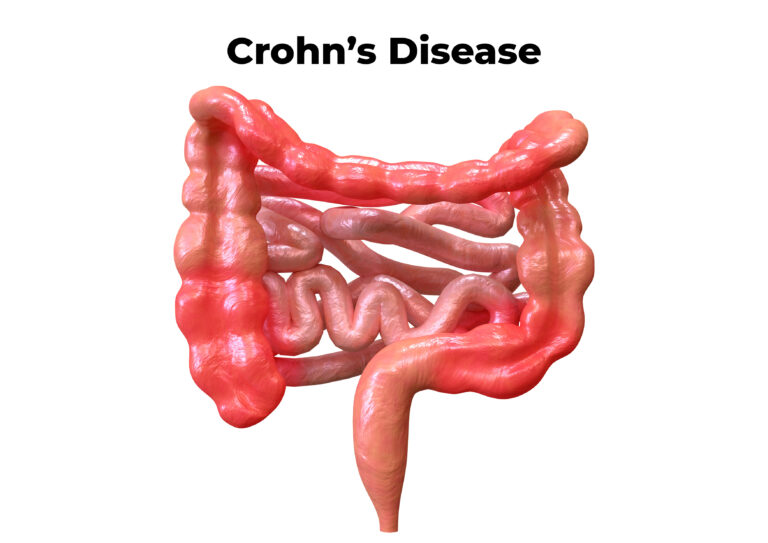
Crohn’s Disease and Social Security Disability Benefits
Crohn’s disease is a chronic, inflammatory bowel disease that can affect any part of the digestive tract — and for many Americans, it is a lifelong, painful, and unpredictable condition that makes full‑time work extremely difficult. Crohn’s causes inflammation that can lead to severe abdominal pain, chronic diarrhea, weight loss, fatigue, malnutrition, anemia, and repeated hospitalizations. Flare‑ups may occur without warning and can last for days, weeks, or months.
Many individuals with Crohn’s disease and social security disability require long‑term medication management, including steroids, immunosuppressants, and biologics. Others undergo repeated surgeries for strictures, fistulas, abscesses, or bowel obstructions. Even with treatment, symptoms may persist or worsen over time. The unpredictability of Crohn’s — combined with its physical and emotional toll — often makes it impossible to maintain consistent attendance, productivity, or stamina in the workplace.
The Social Security Administration (SSA) recognizes the seriousness of Crohn’s disease under Listing 5.06 (Inflammatory Bowel Disease). However, qualifying for disability benefits requires strong medical documentation and a clear demonstration of how the condition limits your ability to work.
At MLF Legal, our social security disability lawyers help Americans with Crohn’s disease build strong, well‑supported disability claims that meet SSA’s strict requirements. If Crohn’s has made working impossible, call 214‑357‑1782 for help.
Soft Tissue Injuries After a Car Wreck
Soft tissue injuries are among the most common injuries people suffer in Texas car accidents—and also some of the most underestimated. Because these injuries affect muscles, tendons, and ligaments rather than bones, they often don’t show up on X rays and may not cause immediate pain. Many victims walk away from a crash feeling shaken but otherwise fine, only to develop stiffness, swelling, or severe pain hours or days later.
Insurance companies frequently downplay soft tissue injuries, calling them “minor” or “not serious.” But these injuries can disrupt work, limit mobility, and lead to long term complications if not properly treated.
At MLF Legal, we help injured Texans document soft tissue injuries, prove their impact, and recover the compensation they deserve.

Bile Acid Malabsorption (BAM) and Social Security Disability Benefits
Bile Acid Malabsorption (BAM) is one of the most underdiagnosed and misunderstood digestive disorders — yet for many Texans, it is a chronic, debilitating condition that disrupts daily life and makes full‑time work extremely difficult. BAM occurs when the body fails to properly reabsorb bile acids in the small intestine, causing them to spill into the colon. This leads to chronic diarrhea, urgency, abdominal pain, bloating, gas, and nutritional deficiencies.
While some people experience mild symptoms, others live with severe, unpredictable flare‑ups that require immediate access to a restroom. Many individuals cannot travel, sit through meetings, or maintain consistent attendance at work. BAM is often misdiagnosed as IBS‑D, Crohn’s disease, celiac disease, or general chronic diarrhea — delaying treatment and worsening symptoms. Even with medication, dietary changes, and ongoing medical care, many people continue to struggle with daily limitations.
Although BAM does not have its own listing in the Social Security Administration’s (SSA) Blue Book, it can qualify for disability benefits when symptoms are severe enough to prevent sustained employment. At MLF Legal, we help Texans with BAM build strong, well‑supported disability claims that meet SSA’s strict requirements. If BAM has made working impossible, call 214‑357‑1782 for help.
Humira and Social Security Disability Benefits
Humira (adalimumab) is a biologic medication used to treat moderate to severe autoimmune diseases. Many people prescribed Humira suffer from chronic inflammatory conditions that can significantly interfere with their ability to work.
While taking Humira does not automatically qualify someone for Social Security Disability benefits, the underlying medical condition requiring treatment may qualify if symptoms prevent a person from maintaining full-time employment.
Conditions commonly treated with Humira—such as rheumatoid arthritis, Crohn’s disease, ulcerative colitis, and psoriatic arthritis—can sometimes qualify for Social Security Disability Insurance (SSDI) or Supplemental Security Income (SSI) benefits when symptoms become severe.
This guide explains:
• what Humira is prescribed for
• symptoms that may interfere with employment
• when autoimmune diseases may qualify for disability benefits
• how Social Security evaluates these claims
If an autoimmune disease is preventing you from working, you may want to explore whether disability benefits are available.

Vicarious Liability in Texas Car Accident Cases
Vicarious liability in Texas car accident cases is a critical legal doctrine because it allows an injured person to hold not only the driver responsible—but also the company or individual who benefited from the driver’s actions. When a driver causes a crash while performing work duties or acting on behalf of someone else, the law may hold that employer or principal financially responsible for the harm.
For injured Texans, vicarious liability can unlock additional insurance coverage, increase available compensation, and strengthen the overall case.
At MLF Legal, we identify every party who may be legally responsible and pursue all available sources of recovery.
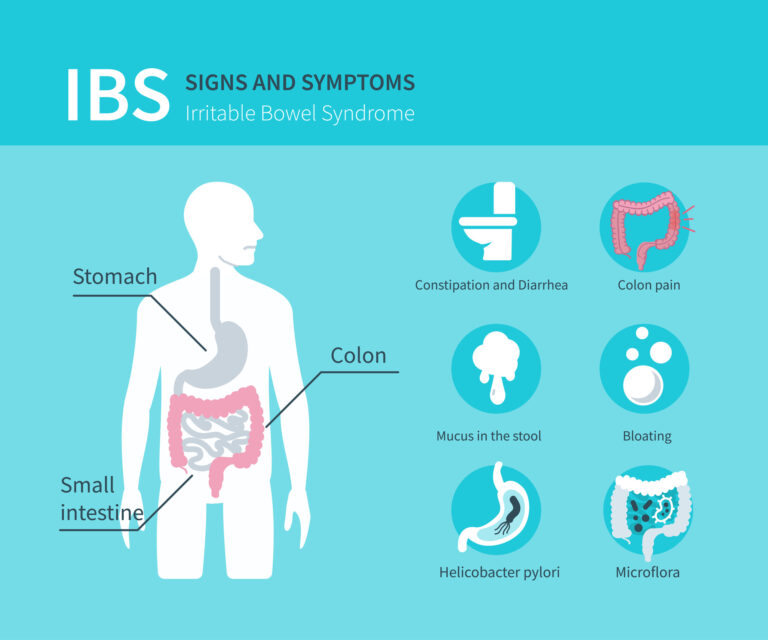
Irritable Bowel Syndrome (IBS) and Social Security Disability Benefits
Irritable Bowel Syndrome (IBS) is one of the most common digestive disorders in the United States — and one of the most misunderstood. While some people experience mild symptoms, many Texans live with severe, chronic IBS that disrupts every part of daily life. IBS can cause unpredictable abdominal pain, cramping, bloating, diarrhea, constipation, nausea, and urgent bowel movements that make it nearly impossible to maintain a consistent work schedule.
For individuals with moderate to severe IBS, symptoms may flare without warning. Some people experience daily pain, frequent bathroom trips, or episodes of diarrhea so sudden they cannot safely work outside the home. Others struggle with constipation that causes severe discomfort, fatigue, and nausea. IBS often coexists with anxiety, depression, fibromyalgia, migraines, and other chronic conditions — all of which can further limit a person’s ability to work full‑time.
Although IBS does not have its own listing in the Social Security Administration’s (SSA) Blue Book, it can still qualify for disability benefits when symptoms are severe enough to prevent sustained employment. At MLF Legal, we help Texans with IBS build strong, well‑documented disability claims that meet SSA’s strict requirements. If IBS has made working impossible, call 214‑357‑1782 for help.
Negligent Entrustment in Texas Car Accident Cases
Not every Texas car accident is caused solely by the driver behind the wheel. Sometimes, the person who allowed that driver to use the vehicle is also legally responsible. This is known as negligent entrustment, and it can significantly expand the sources of recovery for injured victims.
Negligent entrustment claims are especially important when the at fault driver has minimal insurance, a history of reckless behavior, or was driving someone else’s vehicle at the time of the crash.
At MLF Legal, we help injured Texans identify negligent entrustment, hold all responsible parties accountable, and maximize available compensation.

Celebrex and Social Security Disability Benefits
Celebrex (celecoxib) is a prescription medication commonly used to treat arthritis and chronic joint pain. Many people who take Celebrex suffer from long-term musculoskeletal conditions that can interfere with their ability to work.
While taking Celebrex alone does not qualify someone for Social Security Disability benefits, the underlying medical condition requiring treatment—such as severe arthritis or degenerative joint disease—may qualify if symptoms prevent a person from maintaining full-time employment.
Conditions frequently treated with Celebrex, including osteoarthritis, rheumatoid arthritis, and ankylosing spondylitis, can sometimes qualify for Social Security Disability Insurance (SSDI) or Supplemental Security Income (SSI) benefits when they become severe.
This guide explains:
• what Celebrex is prescribed for
• symptoms that may affect your ability to work
• when arthritis may qualify for disability benefits
• how Social Security evaluates musculoskeletal conditions
If chronic joint pain is preventing you from working, you may want to explore whether disability benefits are available.

What Is a Required Medical Examination (RME) Doctor in Texas Workers’ Compensation?
A Required Medical Examination (RME) doctor is a physician chosen by the insurance company and approved by the Division of Workers’ Compensation (DWC) to examine an injured worker for specific statutory reasons. RMEs are governed by Texas Labor Code §§ 408.004, 408.151 and 28 TAC §126.5, which outline when carriers may request an RME, how often they may do so, and how the resulting report may be used.
Unlike peer review doctors—who only review records—RME doctors physically examine the injured worker. Their reports often become powerful tools for the insurance company.

Esophageal Disorders and Social Security Disability Benefits
Esophageal disorders are often overlooked in disability evaluations, yet they can be among the most painful, disruptive, and function‑limiting digestive conditions. For many Texans, esophageal disease is not just heartburn or occasional swallowing difficulty — it is a chronic, debilitating medical problem that affects eating, speaking, sleeping, and the ability to work consistently. Conditions such as esophageal strictures, achalasia, esophagitis, Barrett’s esophagus, esophageal spasms, and motility disorders can cause severe chest pain, difficulty swallowing (dysphagia), chronic coughing, aspiration, weight loss, and repeated medical procedures.
These symptoms can make daily life unpredictable and exhausting. Many individuals struggle to maintain adequate nutrition because swallowing is painful or impossible. Others experience chronic regurgitation, choking episodes, or aspiration that leads to respiratory complications. Severe Esophageal disorders and social security disability cases often require repeated endoscopies, dilation procedures, long‑term medication management, or even surgical intervention. When these symptoms interfere with the ability to work full‑time, Social Security Disability benefits may be available — but qualifying requires strong medical documentation and a clear demonstration of functional limitations.
The Social Security Administration (SSA) does not have a dedicated listing for esophageal disorders, but these conditions can qualify for disability when they cause significant complications or when their symptoms prevent a person from sustaining full‑time employment. At MLF Legal, we help Texans with esophageal disorders build strong, well‑supported disability claims that meet SSA’s strict requirements. If your esophageal condition has made working impossible, call 214‑357‑1782 for help.

Gabapentin and Social Security Disability Benefits
Gabapentin is a commonly prescribed medication used to treat nerve pain, seizures, and certain neurological conditions. Many people who take gabapentin experience chronic medical conditions that can interfere with their ability to work.
While taking gabapentin alone does not qualify someone for Social Security Disability benefits, the underlying condition requiring the medication may prevent a person from maintaining full-time employment.
Conditions often treated with gabapentin—such as peripheral neuropathy, nerve damage, spinal disorders, and seizure disorders—can sometimes qualify for Social Security Disability Insurance (SSDI) or Supplemental Security Income (SSI) benefits when symptoms become severe.
This guide explains:
• what gabapentin is prescribed for
• symptoms that may affect the ability to work
• when nerve conditions may qualify for disability benefits
• how Social Security evaluates these claims
If you are unable to work because of nerve pain or neurological symptoms, you may want to explore whether disability benefits are available.

What Is a Peer Review Doctor in Texas Workers’ Compensation?
A peer review doctor is a physician hired by the insurance company to review medical records and issue an opinion about the injured worker’s diagnosis, treatment, or extent of injury. In Texas, peer review doctors never examine the injured worker. Their opinions are based solely on paperwork — and insurance companies use these opinions strategically.

Malabsorption Syndromes and Social Security Disability Benefits
Malabsorption syndromes are among the most disabling digestive conditions evaluated by the Social Security Administration (SSA). For many Texans, malabsorption is not simply a nutritional issue — it is a chronic, medically complex disorder that affects every part of daily life. When the body cannot properly absorb nutrients, vitamins, minerals, fats, or proteins, the result can be severe weight loss, chronic diarrhea, fatigue, muscle wasting, anemia, neurological problems, bone loss, and repeated hospitalizations. These symptoms make it extremely difficult to maintain full‑time employment, especially in jobs requiring stamina, concentration, or consistent attendance.
Malabsorption is not a diagnosis by itself. It is a consequence of underlying digestive disorders such as celiac disease, Crohn’s disease, short bowel syndrome, pancreatic insufficiency, chronic liver disease, bacterial overgrowth, tropical sprue, or post‑surgical complications. Many individuals require specialized diets, enzyme replacement therapy, supplements, feeding tubes, or parenteral nutrition. Even with treatment, symptoms may persist or worsen over time, and flare‑ups can leave individuals bedridden or hospitalized.
The SSA recognizes the seriousness of malabsorption under several digestive listings, including Listing 5.08 (weight loss) and Listing 5.07 (short bowel syndrome). But qualifying for disability benefits requires detailed medical documentation and a clear demonstration of how the condition limits your ability to work. At MLF Legal, we help Texans with malabsorption syndromes build strong, well‑supported disability claims that meet SSA’s strict requirements. If malabsorption has made working impossible, call 214‑357‑1782 for help.

Gross Negligence and Punitive Damages in Texas Car Accident Cases
Most Texas car accident claims involve ordinary negligence—careless mistakes that cause injuries. But some crashes happen because a driver’s conduct was far more dangerous than a simple lapse in judgment. When a driver acts with extreme disregard for the safety of others, Texas law may classify their behavior as gross negligence, opening the door to punitive damages.
Punitive damages are not about compensating the victim. They are designed to punish reckless behavior and deter others from doing the same.
At MLF Legal, our Dallas car wreck lawyers help injured Texans identify when gross negligence applies, build the evidence needed to prove it, and pursue the full compensation the law allows.
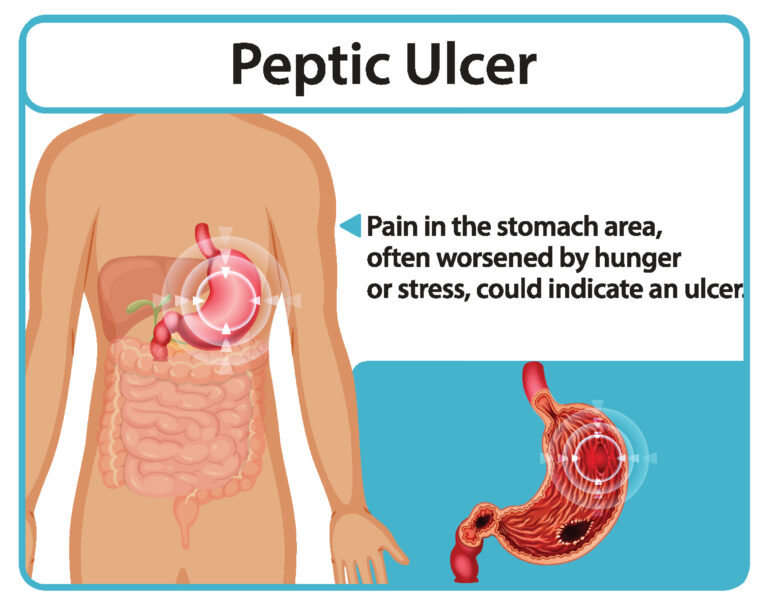
Peptic Ulcer Disease (PUD) and Social Security Disability Benefits
Peptic Ulcer Disease (PUD) is often mistaken for simple heartburn or indigestion, but for many Texans, it is a chronic, painful, and medically serious condition that affects far more than the stomach. Peptic ulcers — open sores that form in the lining of the stomach or upper small intestine — can cause severe abdominal pain, nausea, vomiting, weight loss, bleeding, and dangerous complications such as perforation or obstruction. When ulcers become chronic, recurrent, or resistant to treatment, they can significantly impair a person’s ability to work full‑time.
For individuals living with severe PUD, daily life becomes unpredictable. Pain may flare after eating, during stress, or without warning. Some people experience chronic fatigue from anemia caused by slow internal bleeding. Others face repeated hospitalizations for gastrointestinal hemorrhaging, dehydration, or complications requiring endoscopy or surgery. Even with treatment — including proton pump inhibitors, antibiotics for H. pylori, dietary changes, and lifestyle modifications — symptoms may persist or worsen over time.
The Social Security Administration (SSA) does not have a dedicated listing for peptic ulcer disease, but the condition can qualify for disability when it causes significant complications or when its symptoms prevent a person from sustaining full‑time employment. At MLF Legal, we help Texans with PUD build strong, well‑supported disability claims that meet SSA’s strict requirements. If peptic ulcer disease has made working impossible, call 214‑357‑1782 for help.

Prescription Medications and Social Security Disability Eligibility
Many Americans rely on prescription medications to manage serious medical conditions. While taking a medication does not automatically qualify someone for Social Security Disability benefits, the underlying medical condition requiring treatment may prevent a person from working full time.
If you take prescription medication for a chronic illness such as rheumatoid arthritis, heart disease, neuropathy, severe asthma, or multiple sclerosis, you may wonder whether your condition could qualify for Social Security Disability Insurance (SSDI) or Supplemental Security Income (SSI) benefits.
At MLF Legal, our disability attorneys help individuals nationwide understand their rights and pursue the benefits they deserve. Our firm is headquartered in Dallas, Texas, and we represent Social Security disability applicants across the United States.
This guide explains:
• how Social Security evaluates disability claims
• how prescription medications can reflect the severity of a condition
• medical conditions commonly associated with disability claims
• when it may be helpful to speak with a disability lawyer
If a medical condition is preventing you from working, understanding your options is the first step.

Negligence Per Se in Texas Car Wreck Cases
Negligence per se is one of the most powerful legal tools available in Texas car accident cases. Instead of proving that a driver acted unreasonably, negligence per se allows you to show they broke a safety law—and that violation itself establishes negligence. When a driver runs a red light, speeds through a school zone, or drives drunk, Texas law may treat the violation as automatic evidence of negligence.
At MLF Legal, we use negligence per se to strengthen liability arguments, counter insurance company defenses, and maximize compensation for injured Texans.

GERD (Gastroesophageal Reflux Disease) and Social Security Disability Benefits
Gastroesophageal Reflux Disease (GERD) is often dismissed as a minor inconvenience — something that can be managed with over‑the‑counter antacids or lifestyle changes. But for many Texans, GERD and social security disability is a chronic, painful, and debilitating medical condition that affects far more than digestion. Severe GERD can cause constant burning pain, difficulty swallowing, chronic coughing, hoarseness, chest discomfort, sleep disruption, and repeated inflammation of the esophagus. Over time, it can lead to serious complications such as esophagitis, strictures, Barrett’s esophagus, aspiration, and even precancerous changes.
For individuals living with severe or treatment‑resistant GERD, the condition can interfere with every part of daily life. Eating becomes a challenge. Sleep becomes fragmented. Pain becomes constant. Many people experience flare‑ups that make it difficult to concentrate, maintain stamina, or perform physical tasks. Others require ongoing medical treatment, endoscopies, medication adjustments, or surgery. When GERD is severe enough to limit your ability to work full‑time, Social Security Disability benefits may be available — but qualifying is not always straightforward.
The Social Security Administration (SSA) does not have a specific listing for GERD, but the condition can qualify for disability when it causes significant complications or when its symptoms prevent a person from sustaining full‑time employment. At MLF Legal, we help Texans with severe GERD and related digestive disorders build strong, well‑supported disability claims that meet SSA’s strict requirements. If GERD has made working impossible, call 214‑357‑1782 for help.