

Prescription Medications and Social Security Disability Eligibility
Many Americans rely on prescription medications to manage serious medical conditions. While taking a medication does not automatically qualify someone for Social Security Disability benefits, the underlying medical condition requiring treatment may prevent a person from working full time.
If you take prescription medication for a chronic illness such as rheumatoid arthritis, heart disease, neuropathy, severe asthma, or multiple sclerosis, you may wonder whether your condition could qualify for Social Security Disability Insurance (SSDI) or Supplemental Security Income (SSI) benefits.
At MLF Legal, our disability attorneys help individuals nationwide understand their rights and pursue the benefits they deserve. Our firm is headquartered in Dallas, Texas, and we represent Social Security disability applicants across the United States.
This guide explains:
• how Social Security evaluates disability claims
• how prescription medications can reflect the severity of a condition
• medical conditions commonly associated with disability claims
• when it may be helpful to speak with a disability lawyer
If a medical condition is preventing you from working, understanding your options is the first step.

Negligence Per Se in Texas Car Wreck Cases
Negligence per se is one of the most powerful legal tools available in Texas car accident cases. Instead of proving that a driver acted unreasonably, negligence per se allows you to show they broke a safety law—and that violation itself establishes negligence. When a driver runs a red light, speeds through a school zone, or drives drunk, Texas law may treat the violation as automatic evidence of negligence.
At MLF Legal, we use negligence per se to strengthen liability arguments, counter insurance company defenses, and maximize compensation for injured Texans.

GERD (Gastroesophageal Reflux Disease) and Social Security Disability Benefits
Gastroesophageal Reflux Disease (GERD) is often dismissed as a minor inconvenience — something that can be managed with over‑the‑counter antacids or lifestyle changes. But for many Texans, GERD and social security disability is a chronic, painful, and debilitating medical condition that affects far more than digestion. Severe GERD can cause constant burning pain, difficulty swallowing, chronic coughing, hoarseness, chest discomfort, sleep disruption, and repeated inflammation of the esophagus. Over time, it can lead to serious complications such as esophagitis, strictures, Barrett’s esophagus, aspiration, and even precancerous changes.
For individuals living with severe or treatment‑resistant GERD, the condition can interfere with every part of daily life. Eating becomes a challenge. Sleep becomes fragmented. Pain becomes constant. Many people experience flare‑ups that make it difficult to concentrate, maintain stamina, or perform physical tasks. Others require ongoing medical treatment, endoscopies, medication adjustments, or surgery. When GERD is severe enough to limit your ability to work full‑time, Social Security Disability benefits may be available — but qualifying is not always straightforward.
The Social Security Administration (SSA) does not have a specific listing for GERD, but the condition can qualify for disability when it causes significant complications or when its symptoms prevent a person from sustaining full‑time employment. At MLF Legal, we help Texans with severe GERD and related digestive disorders build strong, well‑supported disability claims that meet SSA’s strict requirements. If GERD has made working impossible, call 214‑357‑1782 for help.

Unintentional Weight Loss From Digestive Disorders and Social Security Disability Benefits
Unintentional weight loss caused by digestive disorders is one of the clearest signs that the body is no longer absorbing nutrients properly — and one of the strongest indicators of a serious medical condition. For many Texans, weight loss is not a cosmetic issue or a lifestyle choice. It is a symptom of chronic illness, malabsorption, inflammation, metabolic dysfunction, or gastrointestinal disease. When digestive disorders prevent the body from absorbing calories, vitamins, minerals, and fluids, the result can be severe fatigue, muscle wasting, weakness, dizziness, cognitive difficulties, and an inability to sustain full‑time work.
Weight loss is often a downstream effect of conditions such as Crohn’s disease, ulcerative colitis, celiac disease, gastroparesis, chronic liver disease, pancreatitis, short bowel syndrome, and other gastrointestinal disorders. These conditions can cause chronic diarrhea, vomiting, abdominal pain, nausea, early satiety, and nutrient malabsorption — all of which make it difficult or impossible to maintain a healthy weight. Many individuals require specialized diets, supplements, feeding tubes, or even parenteral nutrition. Others experience repeated hospitalizations for dehydration, electrolyte imbalances, or severe malnutrition.
The Social Security Administration (SSA) recognizes the seriousness of involuntary weight loss under Listing 5.08, but qualifying for disability benefits requires detailed medical documentation and proof that the weight loss is caused by a medically determinable digestive disorder. Many claims are denied simply because the medical records were incomplete or the functional limitations were not clearly explained. At MLF Legal, we help Texans with severe weight loss and digestive disorders build strong, well‑supported disability claims that meet SSA’s strict requirements. If unintentional weight loss has made working impossible, call 214‑357‑1782 for help.

Concussions and Mild TBIs After a Car Crash
Concussions and mild traumatic brain injuries (TBIs) are some of the most overlooked—and most serious—injuries people suffer in Texas car accidents. Unlike cuts or broken bones, brain injuries are invisible. Symptoms may appear immediately, or they may develop slowly over hours or days. Many victims don’t realize they’ve suffered a concussion until they begin experiencing headaches, dizziness, memory problems, or changes in mood.
At MLF Legal, we help injured Texans understand the signs of concussions, document their symptoms, and recover the compensation they deserve.

Herniated Disc Injuries After a Car Wreck
Herniated disc injuries after a car wreck are among the most painful and life‑disrupting injuries people suffer in Texas car accidents. These injuries often develop when the force of a collision compresses or twists the spine, causing one of the discs between the vertebrae to bulge, tear, or rupture. Because disc injuries can affect nerves throughout the body, symptoms may appear immediately—or days later—and often worsen over time.
At MLF Legal, our personal injury attorneys help injured Texans understand their spinal injuries, document their symptoms, and recover the compensation they deserve.

Short Bowel Syndrome (SBS) and Social Security Disability Benefits
Short Bowel Syndrome (SBS) is one of the most medically complex and life‑altering digestive disorders evaluated by the Social Security Administration (SSA). For many Texans, SBS is not simply a digestive inconvenience — it is a chronic, debilitating condition that affects nutrition, hydration, energy levels, and the body’s ability to absorb essential nutrients. SBS often develops after major intestinal surgery, trauma, Crohn’s disease complications, cancer treatment, or congenital defects. The loss of functional small intestine dramatically reduces the body’s ability to digest food, absorb nutrients, and maintain stable health.
Living with SBS means facing daily challenges that most people never have to consider. Many individuals experience chronic diarrhea, dehydration, electrolyte imbalances, severe fatigue, weight loss, malnutrition, and frequent hospitalizations. Some require long‑term parenteral nutrition (TPN), feeding tubes, or specialized diets. Others struggle with complications such as kidney stones, gallstones, bacterial overgrowth, or liver damage caused by long‑term nutritional support. These symptoms can make it nearly impossible to maintain full‑time employment, especially in jobs requiring physical stamina, consistent attendance, or the ability to work without frequent interruptions.
The SSA recognizes the severity of Short Bowel Syndrome under Listing 5.07, but qualifying for disability benefits requires extensive medical documentation and a clear demonstration of how the condition limits your ability to work. Many claims are denied simply because the medical evidence was incomplete or the functional limitations were not fully explained. At MLF Legal, we help Texans with SBS build strong, well‑supported disability claims that meet SSA’s strict requirements. If Short Bowel Syndrome has made working impossible, call 214‑357‑1782 for help.

Common Delayed Symptoms After a Car Wreck
Many people walk away from a car wreck feeling shaken but otherwise “fine.” Then, hours or even days later, the pain sets in. This delay is extremely common. During a crash, your body releases adrenaline and stress hormones that mask pain. Once those chemicals fade, injuries that were present all along begin to reveal themselves.
Delayed symptoms after a car wreck can be just as serious—sometimes more serious—than injuries felt immediately. Understanding what to watch for helps protect your health and strengthens your injury claim.
At MLF Legal, our Dallas car wreck lawyers help injured Texans document delayed symptoms, connect with medical providers, and recover the compensation they deserve.

Celiac Disease and Social Security Disability Benefits
Celiac disease is often misunderstood as a simple dietary intolerance, but for many Texans, it is a chronic autoimmune disorder that affects far more than the digestive system. When someone with celiac disease consumes gluten, the immune system attacks the small intestine, damaging the villi responsible for absorbing nutrients. Over time, this damage can lead to severe malnutrition, weight loss, chronic diarrhea, abdominal pain, anemia, neurological symptoms, bone loss, and a wide range of systemic complications. Even with a strict gluten‑free diet, some individuals continue to experience debilitating symptoms due to refractory celiac disease, coexisting autoimmune conditions, or long‑term intestinal damage.
For people with severe or treatment‑resistant celiac disease, daily life becomes a constant struggle. Eating becomes a source of anxiety. Symptoms can flare without warning. Fatigue, weakness, and cognitive difficulties make it hard to concentrate or maintain stamina. Many individuals require ongoing medical care, nutritional support, and repeated testing to monitor intestinal healing. Others face complications such as small bowel cancer, dermatitis herpetiformis, osteoporosis, or neurological impairment. When these symptoms interfere with the ability to work full‑time, Social Security Disability benefits may be available — but qualifying requires strong medical documentation and a clear demonstration of functional limitations.
The Social Security Administration (SSA) does not have a dedicated listing for celiac disease, but the condition can qualify for disability when it causes severe complications or when its symptoms prevent a person from sustaining full‑time employment. At MLF Legal, we help Texans with celiac disease build strong, well‑supported disability claims that meet SSA’s strict requirements. If celiac disease has made working impossible, call 214‑357‑1782 for help.

Gastroparesis and Social Security Disability Benefits
Gastroparesis is a chronic digestive disorder that can completely disrupt a person’s ability to work, maintain nutrition, and perform daily activities. For many Texans, gastroparesis is not just an uncomfortable stomach issue — it is a debilitating medical condition that affects every part of life. When the stomach cannot empty properly, food remains in the digestive tract for too long, causing nausea, vomiting, bloating, abdominal pain, early fullness, weight loss, dehydration, and dangerous electrolyte imbalances. These symptoms can strike unpredictably, making it nearly impossible to maintain a consistent work schedule or meet the physical and cognitive demands of full‑time employment.
Gastroparesis is often caused by diabetes, nerve damage, autoimmune disease, viral infections, surgery, or unknown factors. Many individuals require feeding tubes, gastric electrical stimulation, specialized diets, or long‑term medication management. Others experience repeated hospitalizations for dehydration, malnutrition, or uncontrolled vomiting. Even with treatment, symptoms may persist or worsen over time, and flare‑ups can leave individuals bedridden for days or weeks.
The Social Security Administration (SSA) does not have a dedicated listing for gastroparesis, but the condition can qualify for disability when it causes severe complications or when its symptoms prevent a person from sustaining full‑time employment. At MLF Legal, we help Texans with gastroparesis build strong, well‑supported disability claims that meet SSA’s strict requirements. If gastroparesis has made working impossible, call 214‑357‑1782 for help.

Failure to Yield Accidents in Texas
Failure to yield accidents are some of the most common crashes on Texas roads, especially in busy intersections, parking lots, and areas where drivers must merge or share the right of way. These collisions happen when a driver ignores traffic rules, misjudges another vehicle’s speed, or simply assumes they have the right of way when they don’t. Because of this, failure to yield crashes often lead to serious injuries, significant medical bills, and long term disruption to the lives of injured Texans.
At MLF Legal, our Dallas car wreck lawyers help victims of failure to yield accidents understand their rights, prove fault, and recover the full compensation they deserve.
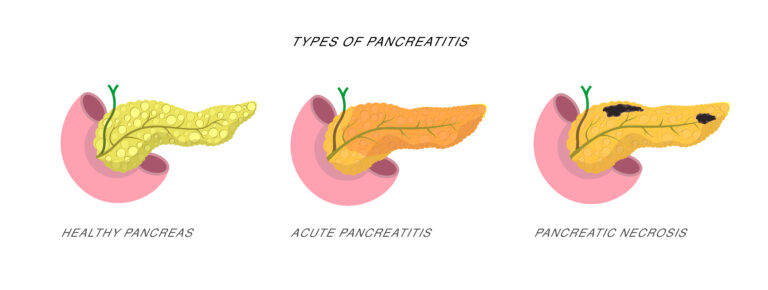
Pancreatitis and Social Security Disability Benefits
Pancreatitis is one of the most painful and medically serious digestive disorders evaluated by the Social Security Administration (SSA). For many Texans, pancreatitis is not a temporary illness — it is a chronic, debilitating condition that affects digestion, nutrition, metabolism, and daily functioning. Whether caused by gallstones, alcohol use, autoimmune disease, high triglycerides, genetic disorders, or unknown factors, pancreatitis can lead to repeated hospitalizations, severe abdominal pain, nausea, vomiting, weight loss, and long‑term complications that make full‑time work impossible.
Acute pancreatitis can strike suddenly and require emergency medical care. Chronic pancreatitis develops over time and causes permanent damage to the pancreas, impairing its ability to produce digestive enzymes and regulate blood sugar. Many individuals with chronic pancreatitis experience exocrine pancreatic insufficiency (EPI), diabetes, malnutrition, and constant pain. Others require feeding tubes, enzyme replacement therapy, or surgery. Even with treatment, flare‑ups can be unpredictable and debilitating.
The SSA does not have a dedicated listing for pancreatitis, but the condition can qualify for disability when it causes severe complications or when its symptoms prevent a person from sustaining full‑time employment. At MLF Legal, we help Texans with pancreatitis build strong, well‑supported disability claims that meet SSA’s strict requirements. If pancreatitis has made working impossible, call 214‑357‑1782 for help.

GI Hemorrhaging and Social Security Disability Benefits
Gastrointestinal (GI) hemorrhaging is one of the most dangerous and medically urgent digestive conditions evaluated by the Social Security Administration (SSA). Unlike many chronic digestive disorders that develop gradually, GI bleeding can occur suddenly, progress rapidly, and require immediate hospitalization. For many Texans, recurrent or severe GI hemorrhaging leads to chronic anemia, extreme fatigue, dizziness, weakness, and an inability to safely perform even basic daily activities — let alone maintain full‑time employment.
GI hemorrhaging is not a diagnosis by itself; it is a symptom of an underlying condition such as ulcers, inflammatory bowel disease, diverticular disease, liver cirrhosis, esophageal varices, tumors, or vascular malformations. These underlying causes often require long‑term treatment, repeated endoscopies, blood transfusions, iron infusions, and ongoing monitoring. Even with treatment, many individuals experience recurrent bleeding episodes that disrupt their lives, limit their physical capacity, and create significant medical risk.
The SSA recognizes the severity of GI hemorrhaging under Listing 5.02, but qualifying for disability benefits requires detailed medical documentation, proof of recurrent bleeding, and evidence of how the condition limits your ability to work. Many claims are denied simply because the medical records were incomplete or the functional limitations were not clearly explained. At MLF Legal, we help Texans with GI bleeding and related digestive disorders build strong, well‑supported disability claims that meet SSA’s strict requirements. If GI hemorrhaging has made working impossible, call 214‑357‑1782 for help.

What Kind Of Injury Is Whiplash After a Car Wreck?
Whiplash is one of the most common injuries people suffer in Texas car accidents—especially rear end collisions. Even though insurance companies often downplay it as a “minor” injury, whiplash after a car wreck can cause significant pain, limited mobility, and long term complications if not treated properly. Many victims don’t feel symptoms until hours or even days after the crash, which makes early medical care essential.
At MLF Legal, we help injured Texans understand their injuries, document their symptoms, and recover the compensation they deserve.

Chronic Liver Disease and Social Security Disability Benefits
Chronic liver disease is one of the most serious and life‑altering medical conditions evaluated by the Social Security Administration (SSA). For many Texans, liver disease is not a slow or silent condition—it is a progressive, painful, and exhausting illness that affects nearly every system in the body. Whether caused by hepatitis, cirrhosis, autoimmune disorders, alcohol‑related damage, or metabolic disease, chronic liver disease can lead to severe fatigue, abdominal swelling, jaundice, confusion, bleeding disorders, and repeated hospitalizations. These symptoms make it extremely difficult to maintain full‑time employment, especially in jobs requiring physical stamina, concentration, or consistent attendance.
Liver disease also brings unpredictable complications. Fluid buildup in the abdomen (ascites), gastrointestinal bleeding, hepatic encephalopathy, infections, and nutritional deficiencies can develop suddenly and require urgent medical care. Many individuals undergo frequent lab testing, imaging, endoscopies, and hospital stays. Others require long‑term medication management, paracentesis procedures, or evaluation for liver transplantation. Even with treatment, symptoms may worsen over time, and flare‑ups can leave individuals bedridden for days or weeks.
The SSA recognizes the severity of chronic liver disease under Listing 5.05, but qualifying for disability benefits requires detailed medical evidence and a clear demonstration of how the condition limits your ability to work. Many claims are denied simply because the documentation was incomplete or the functional limitations were not fully explained. At MLF Legal, we help Texans with chronic liver disease and social security disability claims build strong, well‑supported claims that meet SSA’s strict requirements. If your liver condition has made working impossible, call 214‑357‑1782 for help.

Left Turn Accidents in Texas
Left turn accidents are some of the most common—and most misunderstood—crashes on Texas roads. These collisions often happen in busy intersections where drivers must judge speed, distance, and timing in a matter of seconds. When a driver miscalculates or fails to yield, the results can be devastating. Because of this, left turn crashes frequently lead to serious injuries, significant medical bills, and long term disruption to the lives of injured Texans.
At MLF Legal, we help victims of left turn accidents understand their rights, prove fault, and recover the full compensation they deserve.

Real Texas Workers’ Compensation Lawyers — Not Just PI Attorneys Advertising for Comp
In Texas, it’s common to see personal injury firms running ads for “workers’ comp” cases. But here’s what most injured workers don’t realize:
Many PI firms don’t actually handle Texas workers’ compensation claims.
They’re hoping your case turns into:
A third‑party lawsuit, or
A non‑subscriber negligence claim
If it doesn’t, they often decline the case or refer it out — leaving injured workers confused and unprotected.
MLF Legal is different.
Workers’ compensation isn’t a marketing angle for us.
It’s a core practice area.

Inflammatory Bowel Disease (IBD) and Social Security Disability Benefits
Living with Inflammatory Bowel Disease (IBD) is far more than dealing with occasional stomach pain or digestive discomfort. For many Texans, IBD is a lifelong, unpredictable, and often debilitating medical condition that affects every part of daily life. Whether you have Crohn’s disease, ulcerative colitis, or a related inflammatory condition, the symptoms can be relentless: chronic diarrhea, severe abdominal pain, fatigue, weight loss, anemia, malnutrition, and repeated hospitalizations. Flare‑ups can strike without warning, making it difficult to maintain a consistent work schedule or perform even basic tasks.
IBD is not just a digestive disorder — it is a systemic disease that can affect the joints, skin, eyes, and overall energy levels. Many individuals require aggressive treatments such as immunosuppressants, biologic therapies, steroids, or surgery. Even with treatment, symptoms may persist or worsen over time. The Social Security Administration (SSA) recognizes the severity of IBD under Listing 5.06, but qualifying for disability benefits still requires extensive medical documentation and a clear demonstration of how your condition limits your ability to work.
At MLF Legal, we understand how overwhelming this process can feel. Our disability team has helped countless Texans with Crohn’s disease and ulcerative colitis secure the benefits they need to stabilize their lives. We know how to gather the right medical evidence, communicate effectively with your doctors, and present your case in a way that aligns with SSA’s strict criteria. If IBD has made it difficult or impossible to work, call 214‑357‑1782 for help.

Social Security Disability Benefits for Digestive Disorders (SSA §5.00)
Digestive disorders are among the most misunderstood and underestimated medical conditions evaluated by the Social Security Administration. While many people think of stomach issues as temporary or manageable, the reality for thousands of Texans is far more serious. Chronic digestive diseases can cause relentless pain, unpredictable flare‑ups, severe fatigue, malnutrition, dehydration, and repeated hospitalizations. They can disrupt every part of daily life — from eating and sleeping to maintaining basic routines — and they often make it impossible to sustain full‑time employment. For many individuals, these conditions are not just uncomfortable; they are life‑altering and financially devastating.
When your digestive disorder affects your ability to work, the Social Security Disability system becomes a critical lifeline. But qualifying for benefits is not simple. Digestive conditions often fluctuate, symptoms can be difficult to document, and many claimants struggle to prove the full extent of their limitations. The SSA requires extensive medical evidence, consistent treatment records, and clear documentation of how your condition impacts your functional capacity. Without strong legal guidance, many legitimate claims are denied — not because the person isn’t disabled, but because the evidence wasn’t presented in the way SSA requires.

Head On Collisions in Texas
Head on collisions are among the most catastrophic types of car accidents in Texas. When two vehicles collide front to front, the force of impact is multiplied, often resulting in life altering injuries, long term medical needs, and devastating financial consequences. These crashes are especially common on rural roads, two lane highways, and areas where drivers drift across the center line.
At MLF Legal, our Dallas car wreck lawyers help victims of head on collisions understand their rights, prove fault, and recover the full compensation they deserve.