
Unintentional Weight Loss From Digestive Disorders and Social Security Disability Benefits
TELL US WHAT HAPPENED SO WE CAN HELP. FREE CONSULTATION

Contact Us About Your Case
FREE Consultation Today.
Unintentional Weight Loss From Digestive Disorders and Social Security Disability Benefits
Unintentional weight loss caused by digestive disorders is one of the clearest signs that the body is no longer absorbing nutrients properly — and one of the strongest indicators of a serious medical condition. For many Texans, unintentional weight loss and social security disability is not a cosmetic issue or a lifestyle choice. It is a symptom of chronic illness, malabsorption, inflammation, metabolic dysfunction, or gastrointestinal disease. When digestive disorders prevent the body from absorbing calories, vitamins, minerals, and fluids, the result can be severe fatigue, muscle wasting, weakness, dizziness, cognitive difficulties, and an inability to sustain full‑time work.
Weight loss is often a downstream effect of conditions such as Crohn’s disease, ulcerative colitis, celiac disease, gastroparesis, chronic liver disease, pancreatitis, short bowel syndrome, and other gastrointestinal disorders. These conditions can cause chronic diarrhea, vomiting, abdominal pain, nausea, early satiety, and nutrient malabsorption — all of which make it difficult or impossible to maintain a healthy weight. Many individuals require specialized diets, supplements, feeding tubes, or even parenteral nutrition. Others experience repeated hospitalizations for dehydration, electrolyte imbalances, or severe malnutrition.
The Social Security Administration (SSA) recognizes the seriousness of involuntary weight loss under blue book Listing 5.08, but qualifying for disability benefits requires detailed medical documentation and proof that the weight loss is caused by a medically determinable digestive disorder. Many unintentional weight loss and social security disability claims are denied simply because the medical records were incomplete or the functional limitations were not clearly explained.
At MLF Legal, our social security lawyers help Texans with severe weight loss and digestive disorders build strong, well‑supported disability claims that meet SSA’s strict requirements. If unintentional weight loss has made working impossible, call 214‑357‑1782 for help.
Understanding Unintentional Weight Loss in Digestive Disorders
Unintentional weight loss occurs when the body cannot absorb or retain enough nutrients to maintain normal function. Digestive disorders can cause weight loss through:
Malabsorption — nutrients pass through the digestive tract without being absorbed
Chronic diarrhea — rapid transit prevents nutrient uptake
Vomiting — loss of calories and fluids
Inflammation — increases metabolic demand
Pain or nausea — reduces appetite
Surgical removal of intestines — reduces absorption surface
Delayed gastric emptying — causes early fullness
Liver or pancreatic dysfunction — impairs digestion
Weight loss is often accompanied by:
Muscle wasting
Fatigue
Weakness
Dizziness
Low blood pressure
Nutritional deficiencies
Cognitive difficulties
Increased infection risk
These symptoms can severely limit a person’s ability to work.
Digestive Disorders Commonly Associated With Weight Loss
Many digestive conditions can cause significant weight loss, including:
Crohn’s disease
Ulcerative colitis
Celiac disease
Chronic pancreatitis
Chronic liver disease
Gastroparesis
GI cancers
Severe GERD
Chronic infections
Malabsorption syndromes
Each of these conditions has its own supporting blog within this cluster.
Does Unintentional Weight Loss Qualify for Social Security Disability?
Yes — unintentional weight loss and social security disability claims can qualify for disability benefits if your symptoms are severe, medically documented, and caused by a digestive disorder. SSA evaluates weight loss under Listing 5.08, which requires:
1. Weight loss due to any digestive disorder
AND
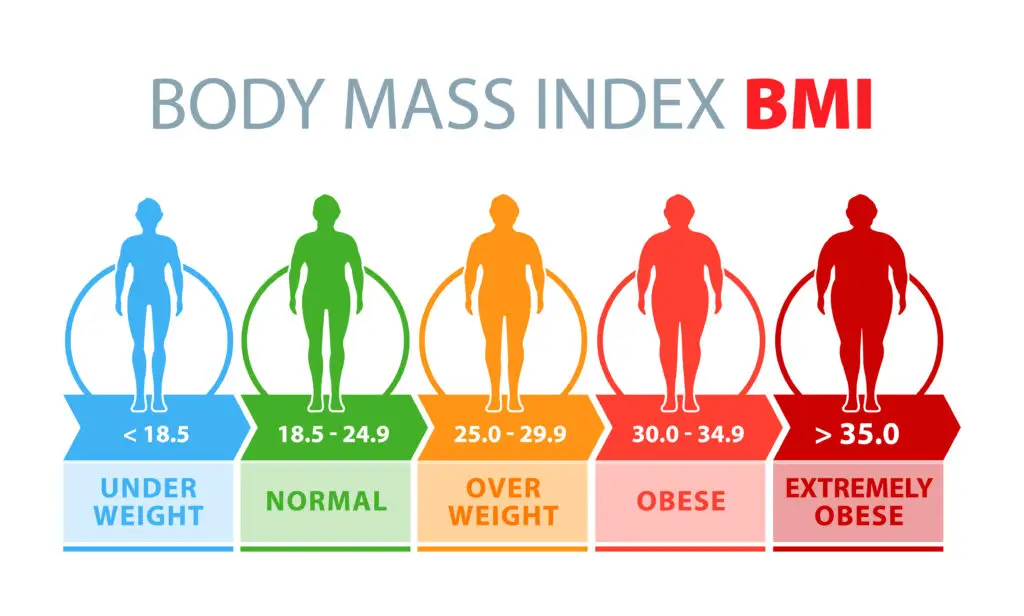
2. Body Mass Index (BMI) of 17.50 or less
on two evaluations at least 60 days apart within a 12‑month period.
SSA also requires:
A medically determinable digestive disorder
Evidence that the disorder causes the weight loss
Documentation of treatment and response
Even if you do not meet the listing, you may still qualify through a Residual Functional Capacity (RFC) evaluation showing you cannot sustain full‑time work.
3. Medical‑Vocational Allowances
SSA considers age, education, and work history when determining whether a person can adjust to other work. This is part of the sequential evaluation process.
FAQs: Unintentional Weight Loss From Digestive Disorders and Social Security Disability Benefits
Can weight loss alone qualify for disability?
Weight loss must be caused by a medically determinable digestive disorder to qualify.
Do I need a low BMI to qualify?
A BMI of 17.50 or less helps meet the listing, but you may still qualify through RFC.
Can malnutrition support my claim?
Yes. Malnutrition is strong evidence of functional impairment.
Does weight loss from Crohn’s or celiac disease qualify?
Yes. Many digestive disorders can cause disability‑level weight loss.
Can I qualify if I still work part‑time?
Possibly. SSA evaluates your ability to sustain full‑time work.
Medical Evidence Needed for a Weight Loss Disability Claim
SSA requires extensive documentation, including:
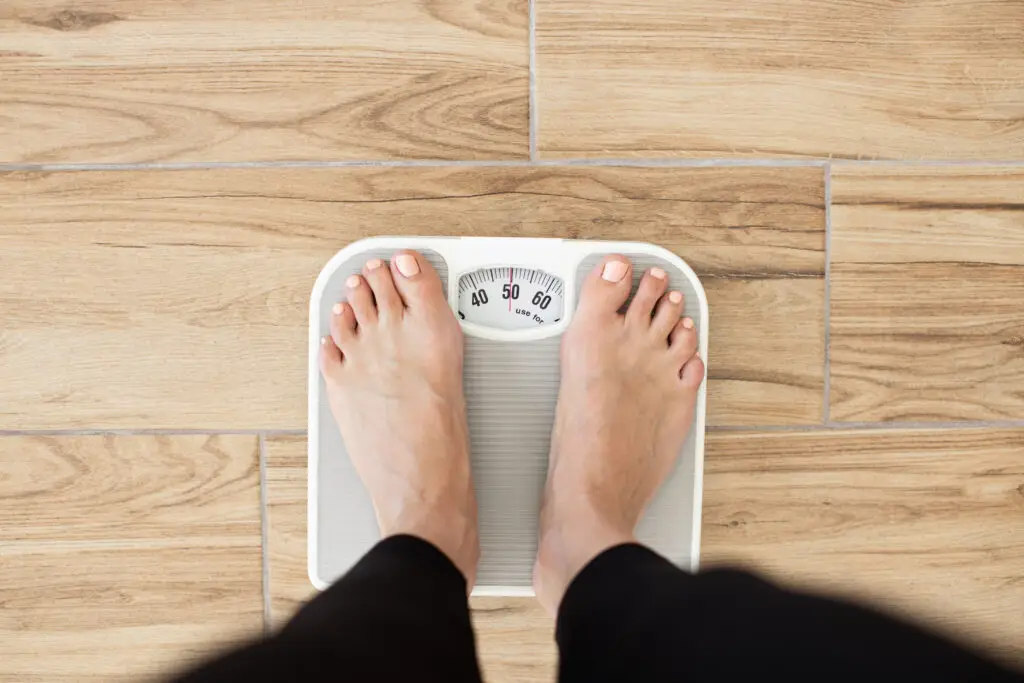
Weight records over time
BMI calculations
Nutritional assessments
Lab results showing deficiencies
Imaging or endoscopy reports
Stool studies
Hospitalization records
Notes from gastroenterologists or nutrition specialists
Documentation of underlying digestive disorders
Records of supplements, feeding tubes, or TPN
MLF Legal’s social security disability lawyers help clients gather and organize this evidence to build a strong claim.
How Weight Loss Limits Work Capacity
SSA evaluates how your condition affects:
Physical Functioning
Fatigue limiting stamina
Weakness affecting mobility
Dizziness or fainting risks
Difficulty standing, walking, or lifting
Cognitive Functioning
Brain fog
Difficulty concentrating
Memory issues from malnutrition
Attendance
Frequent medical appointments
Hospitalizations
Unpredictable flare‑ups
Safety
Risk of collapse
Nutritional instability
Medication side effects
How MLF Legal Strengthens Weight Loss Disability Claims
Our social security disability lawyers focus on:
Documenting weight trends and BMI
Demonstrating how symptoms affect work attendance and performance
Obtaining detailed statements from treating physicians
Highlighting complications such as malnutrition or dehydration
Preparing clients for SSA interviews and disability hearings
Appealing denials with strong medical and legal arguments
We understand the complexity of digestive‑related weight loss and know how to present your case effectively.
When to Apply for Disability Benefits
You should consider applying if:
You cannot maintain full‑time work
Your BMI is consistently low
You experience severe fatigue or weakness
You have chronic diarrhea or vomiting
You require nutritional support
Your symptoms persist despite treatment
If you’re unsure whether you qualify, MLF Legal can evaluate your case.
Call MLF Legal for Help With Your Weight Loss Disability Claim
Unintentional weight loss and social security disability caused by digestive disorders can make working impossible. You deserve support and financial stability. Call MLF Legal at 214‑357‑1782 to get help filing your claim or appealing a denial.
Call MLF Legal today
214-357-1782
Fill out our online form
for a free consultation.
We only get paid if we win your case.