
Can I Work With Lupus?
TELL US WHAT HAPPENED SO WE CAN HELP. FREE CONSULTATION

Contact Us About Your Case
FREE Consultation Today.
Can I Work With Lupus?
Many people with lupus continue working for years, especially when symptoms are controlled and the job fits their limitations. Others reach a point where fatigue, joint pain, brain fog, medication side effects, organ complications, or unpredictable flares make reliable full-time work difficult or impossible.
The key question is not simply whether you have lupus.
It is whether you can work reliably, consistently, and safely despite lupus.
Lupus does not automatically qualify someone for Social Security Disability benefits. Social Security looks at how the condition actually affects your ability to function in a workplace.
That may include your ability to:
- stand and walk
- lift and carry
- use your hands
- concentrate
- maintain pace
- tolerate stress
- attend work consistently
- complete a normal workday
Lupus may affect work through:
- severe fatigue
- joint pain and swelling
- hand problems
- brain fog
- headaches
- frequent flares
- kidney, lung, heart, or nerve involvement
- medication side effects
- recurrent infections
- excessive absences
This guide explains when a person may still be able to work with lupus, when lupus may become disabling, and how Social Security evaluates lupus-related work limitations.

What Is Lupus?
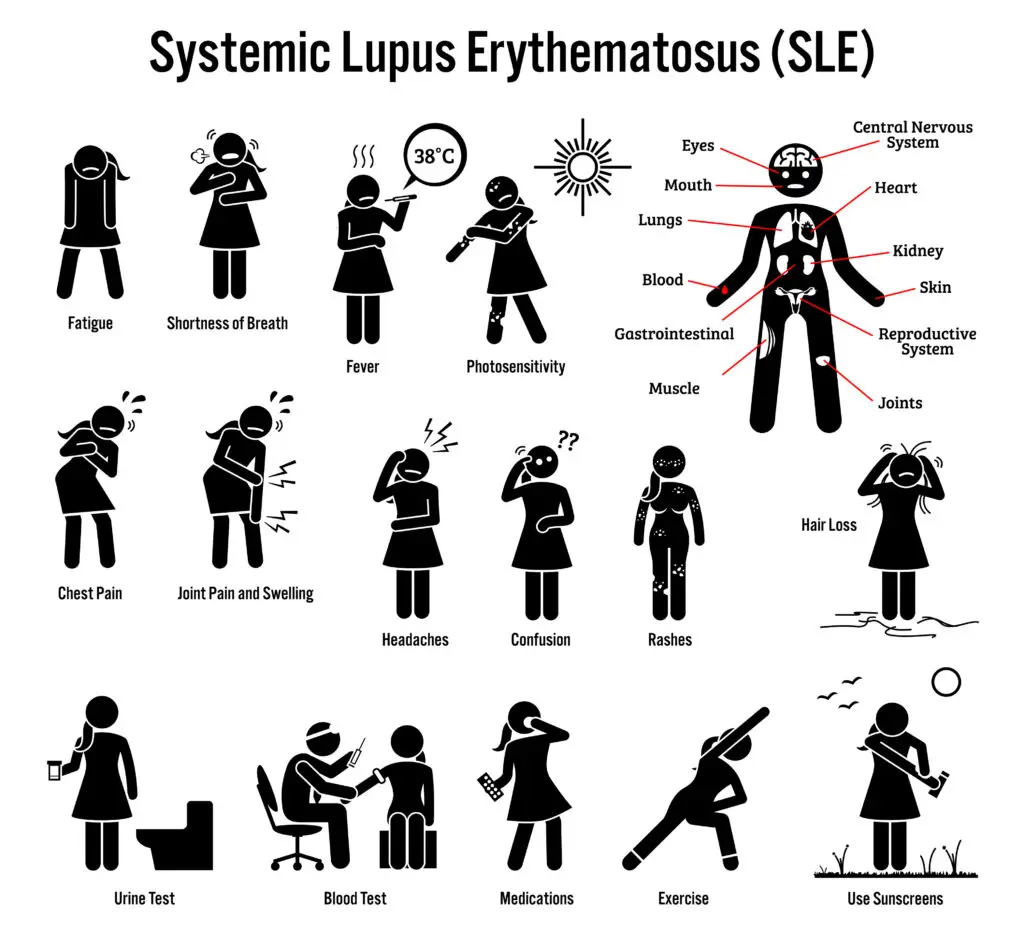
Lupus is a chronic autoimmune disease in which the immune system attacks the body’s own tissues.
The most common form is systemic lupus erythematosus, or SLE. Lupus can affect many parts of the body, including:
- joints
- muscles
- skin
- kidneys
- lungs
- heart
- blood vessels
- nervous system
- blood cells
Because lupus can affect multiple body systems, two people with the same diagnosis may have very different work limitations.
One person may mainly struggle with fatigue and joint pain. Another may have kidney disease, neuropathy, shortness of breath, cognitive problems, or recurrent hospitalizations.
That is why Social Security focuses on functional limitations, not the diagnosis alone.
Can You Work With Lupus?
Yes, some people can work with lupus.
A person may be able to continue working if:
- symptoms are mild or well controlled
- flares are infrequent
- fatigue is manageable
- joint problems do not significantly interfere with job duties
- medications are effective
- side effects are tolerable
- attendance remains reliable
- workplace accommodations are effective
Working may become much harder when lupus causes:
- severe fatigue
- frequent or prolonged flares
- significant hand or joint problems
- brain fog
- kidney, lung, heart, or nerve involvement
- recurrent infections
- medication side effects
- excessive absences
- inability to complete full shifts
Social Security evaluates whether you can sustain competitive employment over time, not whether you can function briefly on a good day.
How Lupus Can Affect Your Ability to Work
Lupus can interfere with work in several different ways, and the combined effect often matters more than any one symptom.
Fatigue and Reduced Stamina
Fatigue is one of the most common and disabling lupus symptoms. It may result from inflammation, pain, poor sleep, anemia, kidney disease, medication effects, depression, infection, or overall disease activity.
Fatigue may cause:
- slower pace
- need for extra breaks
- reduced concentration
- inability to complete full shifts
- difficulty working consecutive days
- prolonged recovery after activity
- absences after flares
A person may be able to perform an activity once but be unable to repeat it throughout an eight-hour workday.
Joint Pain, Hand Problems, and Physical Limitations
Lupus can cause joint pain, swelling, tenderness, stiffness, and weakness. The hands, wrists, knees, ankles, feet, shoulders, and elbows may be affected.
These symptoms may interfere with:
- typing
- writing
- gripping
- handling objects
- lifting
- carrying
- reaching
- standing
- walking
- climbing stairs
Hand problems are especially important because even sedentary jobs may require frequent keyboarding, writing, handling papers, and using a mouse or phone.
Brain Fog, Concentration, and Memory
People with lupus may experience cognitive symptoms commonly described as brain fog.
This may involve:
- poor concentration
- forgetfulness
- slowed thinking
- difficulty finding words
- trouble multitasking
- reduced mental stamina
- difficulty following instructions
At work, these symptoms may lead to:
- mistakes
- missed deadlines
- difficulty learning new procedures
- reduced productivity
- trouble completing multi-step tasks
- off-task time
Flares and Attendance Problems
Lupus often fluctuates. A person may have relatively stable periods followed by significant flares.
During a flare, symptoms may include:
- severe fatigue
- increased joint pain
- swelling
- fever
- headaches
- rash
- weakness
- cognitive problems
- organ-related symptoms
Flares may cause:
- missed workdays
- late arrivals
- early departures
- reduced productivity
- inability to use the hands
- inability to stand or walk normally
- need for urgent medical care
For many claimants, the frequency and unpredictability of flares are just as important as the severity of symptoms on any one day.
Lupus and Organ Involvement
Because lupus can affect multiple organs, Social Security should consider all medically documented complications together.
Kidney Disease
Lupus nephritis may cause:
- fatigue
- swelling
- high blood pressure
- abnormal kidney function
- fluid retention
- frequent monitoring
- medication changes
- hospitalization
Kidney involvement may significantly reduce stamina and attendance.
Lung and Heart Problems
Lupus may affect the lungs, heart, or surrounding tissues. It may also contribute to anemia or inflammation that reduces endurance.
Possible work-related problems include:
- shortness of breath
- chest discomfort
- difficulty climbing stairs
- reduced walking tolerance
- need for frequent rest
- reduced physical stamina
Neuropathy
Lupus may also affect nerves, causing:
- numbness
- tingling
- burning pain
- weakness
- reduced sensation
- balance problems
Neuropathy may affect hand use, walking, driving, and safety-sensitive work.
Lupus, Skin Problems, and Sun Sensitivity
Lupus can cause rashes and significant photosensitivity.
A person with severe sun sensitivity may have difficulty with outdoor work involving:
- construction
- landscaping
- delivery
- utility work
- agriculture
- outdoor security
- road work
Environmental restrictions may be appropriate when medically supported.
Lupus and Headaches, Anemia, and Other Symptoms
Lupus often involves symptoms that may not seem disabling by themselves but can become significant when combined with fatigue and pain.
For example:
Headaches
Severe headaches may cause:
- difficulty concentrating
- light sensitivity
- nausea
- need to lie down
- reduced productivity
- absences
Anemia
Anemia may worsen:
- fatigue
- weakness
- dizziness
- shortness of breath
- poor concentration
Social Security should consider the combined effect of all medically documented symptoms.
Can Lupus Prevent Sedentary Work?
Yes.
A common assumption is that someone who cannot perform physical labor can simply move to a desk job. But sedentary work still requires:
- regular attendance
- sitting for prolonged periods
- frequent hand use
- typing and writing
- concentration
- memory
- pace
- interaction with others
- completion of full workdays
Lupus may prevent sedentary work if a person has:
- severe fatigue
- hand limitations
- brain fog
- headaches
- chronic pain
- medication sedation
- unpredictable flares
- excessive absences
A disability claim should explain why even seated work is not sustainable when that is the case.
Can You Work Full-Time or Part-Time With Lupus?
Some people can work full-time with lupus. Others can manage only limited part-time activity.
A person may struggle with full-time work because of:
- fatigue
- need for recovery time
- flares
- medical appointments
- reduced stamina
- brain fog
- pain
- medication effects
- difficulty working consecutive days
Part-time work does not automatically disqualify someone from Social Security Disability. The effect depends on earnings, hours, accommodations, and whether the work amounts to substantial gainful activity.
Should I Quit Working Because of Lupus?
A person should not stop working simply because lupus has been diagnosed.
Stopping work is a medical, financial, and legal decision.
Before leaving work, it may help to consider:
- whether your doctor believes work is worsening symptoms
- whether accommodations are possible
- whether flares are causing excessive absences
- whether fatigue prevents full shifts
- whether brain fog is causing mistakes
- whether organ complications create safety concerns
- whether medication side effects interfere with work
- whether your earnings affect SSDI or SSI eligibility
A Social Security Disability lawyer can help evaluate whether lupus-related limitations may support a claim.
Workplace Accommodations for Lupus
Some people may be able to remain employed with accommodations such as:
- flexible scheduling
- remote work
- reduced lifting
- ergonomic equipment
- sit/stand flexibility
- extra breaks
- reduced outdoor exposure
- later start times
- reduced repetitive hand use
- time off for appointments
- reduced overtime
Accommodations may help some people remain employed. But if fatigue, flares, brain fog, or absences remain severe despite accommodations, full-time work may still be unrealistic.
Lupus Medications and Work Limitations
Treatment history is important in lupus disability claims.
Treatment may include:
- hydroxychloroquine
- corticosteroids
- methotrexate
- mycophenolate
- azathioprine
- biologic medications
- immunosuppressive medications
- NSAIDs
- pain medications
- medications for kidney or cardiovascular complications
Some people may receive medications such as Benlysta or Rituxan in appropriate treatment settings.
Taking medication alone does not prove disability. What matters is whether symptoms remain severe despite treatment and whether treatment itself causes additional limitations.
Medication Side Effects
Possible side effects may include:
- fatigue
- nausea
- dizziness
- brain fog
- sleep problems
- mood changes
- increased infection risk
- gastrointestinal problems
- steroid-related weakness
- headaches
These side effects may affect concentration, attendance, stamina, safety, and productivity.
Infection Risk
Some lupus treatments suppress the immune system.
If that leads to recurrent infections, a person may experience:
- frequent absences
- prolonged recovery
- medication interruptions
- hospitalizations
- increased medical monitoring
This may be especially important for people working in healthcare, childcare, or crowded public environments.
Lupus and Residual Functional Capacity
Residual Functional Capacity, or RFC, describes what a person can still do despite medical limitations.
A lupus RFC may include limits on:
- lifting and carrying
- standing and walking
- sitting
- reaching
- handling and fingering
- outdoor or sun exposure
- concentration and pace
- attendance
- need for additional breaks
- ability to work consecutive days
A strong lupus claim connects symptoms to specific restrictions.
For example:
- Joint pain may limit standing, walking, and lifting.
- Hand symptoms may limit typing and gripping.
- Brain fog may reduce concentration and pace.
- Fatigue may require additional rest.
- Flares may cause absences.
- Photosensitivity may limit outdoor work.
- Kidney or lung disease may reduce stamina.
- Medication side effects may affect alertness and reliability.
Relevant Social Security Blue Book Listings for Lupus
Lupus may be evaluated under Social Security’s immune system listings.
Some people with systemic lupus erythematosus may meet or medically equal the applicable listing when the required medical and functional criteria are satisfied.
Others may not meet a listing but may still qualify through residual functional capacity.
A strong lupus disability claim should therefore consider both:
- the Blue Book listing analysis
- the RFC analysis
A person does not need to meet a listing if the combined limitations still prevent past work and other work.
Medical Evidence That Helps Prove Lupus Work Limitations
Helpful medical evidence may include:
- rheumatology records
- primary care records
- nephrology records
- neurology records
- pulmonology or cardiology records
- physical examination findings
- laboratory testing
- kidney and urine studies
- imaging
- medication history
- records of flares
- hospitalization records
- infusion records
- fatigue documentation
- cognitive complaints
- provider statements about work limitations
Because lupus can affect many body systems, records from multiple specialists may be important.
Evidence of Flares and Absences
Helpful documentation may include:
- flare dates
- symptoms during flares
- duration of flares
- missed workdays
- medication changes
- steroid treatment
- emergency visits
- hospitalizations
- recovery time
A strong claim should show the pattern over time rather than relying only on isolated appointments.
Doctor Statements for Lupus Work Limitations
A treating provider’s statement may address:
- sitting tolerance
- standing tolerance
- walking tolerance
- lifting and carrying
- hand use
- fatigue
- need for rest breaks
- concentration
- flare frequency
- expected absences
- environmental restrictions
- organ involvement
- medication side effects
- ability to complete a full workday
The most useful opinions are specific and supported by the treatment record.
Tracking Lupus Symptoms for a Disability Claim
A symptom log may help document:
- fatigue
- joint pain
- swelling
- stiffness
- flare dates
- headaches
- brain fog
- memory problems
- skin symptoms
- sun sensitivity
- walking tolerance
- hand problems
- medication side effects
- missed work
- recovery after activity
A symptom log does not replace medical evidence, but it can help show patterns that may not appear during short medical appointments.
Signs Lupus May Prevent Full-Time Work
Lupus may support disability eligibility when it causes:
- severe fatigue
- frequent flares
- significant joint or hand limitations
- brain fog
- kidney, heart, lung, or nerve complications
- recurrent infections
- medication side effects
- excessive absences
- reduced pace
- inability to complete full shifts
- inability to work consistently from week to week
When these limitations are persistent and medically documented, the claim may be stronger.
Common Mistakes in Lupus Disability Claims
Common problems include:
- relying only on the diagnosis
- failing to document fatigue
- failing to document flares
- ignoring brain fog
- not describing hand limitations
- failing to document organ involvement
- not reporting medication side effects
- failing to explain absences
- minimizing symptoms during medical visits
- failing to explain why sedentary work is not sustainable
A strong claim should explain how lupus affects work in practical, specific terms.
When to Speak With a Social Security Disability Lawyer
Many people seek legal help when:
- their claim has been denied
- lupus causes frequent flares
- fatigue prevents full-time work
- hand or joint problems interfere with job duties
- brain fog causes concentration problems
- organ involvement has developed
- medication side effects affect functioning
- absences are becoming excessive
- they cannot return to past work
- Social Security assumes they can perform sedentary work
Our social security disability attorneys can help evaluate whether lupus meets a Blue Book listing or whether the evidence supports disability through RFC.

FAQs: Can I Work With Lupus?
Can I work with lupus?
Yes. Some people with lupus can continue working when symptoms are controlled and job demands are manageable. Others cannot sustain full-time work because of fatigue, flares, pain, brain fog, organ involvement, or medication side effects.
Does lupus automatically qualify for Social Security Disability?
No. A lupus diagnosis alone does not automatically qualify someone for disability. Social Security evaluates the medical evidence, severity of symptoms, treatment history, organ involvement, and work-related limitations.
What lupus symptoms make working difficult?
Common work-limiting symptoms include severe fatigue, joint pain, swelling, brain fog, headaches, weakness, neuropathy, kidney problems, shortness of breath, frequent flares, and medication side effects.
Can lupus prevent sedentary work?
Yes. Sedentary work still requires attendance, concentration, pace, hand use, sitting tolerance, and completion of full workdays. Lupus may prevent sedentary work when fatigue, brain fog, pain, hand limitations, or flares interfere with those requirements.
Do lupus flares matter in an SSDI claim?
Yes. The frequency, duration, and severity of flares can be important because repeated flares may cause excessive absences, reduced productivity, and inability to maintain a regular work schedule.
What evidence helps prove lupus work limitations?
Helpful evidence may include rheumatology records, laboratory findings, records of flares, kidney or other organ testing, medication history, fatigue documentation, cognitive complaints, hospitalization records, and provider statements describing specific work restrictions.
Can medication side effects from lupus treatment affect my claim?
Yes. If medication causes fatigue, dizziness, cognitive problems, infections, nausea, or other documented limitations, Social Security may consider those effects as part of the overall disability analysis.
What should I do if lupus prevents me from working?
You may want to speak with a Social Security Disability attorney to evaluate whether your lupus symptoms, medical evidence, treatment history, RFC limitations, and work history may support a disability claim.
Contact MLF Legal for a Free Disability Case Evaluation
If lupus, chronic fatigue, joint pain, brain fog, organ complications, medication side effects, or another medical condition prevents you from working, you may qualify for Social Security Disability benefits.
MLF Legal represents disability applicants nationwide. Based in Dallas, Texas, we help individuals across the country pursue disability benefits.
Our social security lawyers can review your situation for free and explain your options.
📞 Call MLF Legal at 214-357-1782 to request a free consultation.
Next Steps:
1st Sign up For a Free One-on-One Disability Case Evaluation
Contact us today to schedule your personalized one-on-one free phone consultation with one of our dedicated legal professionals. Our experienced social security lawyers are here to provide the expert legal guidance and support you need throughout the entire process of your case.
We understand the complexities involved in social security disability claims and are committed to helping you achieve the best possible outcome. Don’t hesitate to reach out and take the first step toward securing the justice you deserve.
2nd Download Free E-Books
Social Security Disability

Navigating the Social Security Disability Benefits process can be complex, but understanding the key steps can help. From gathering medical records to completing the application, this process ensures eligible individuals receive the support they need. Seeking guidance from experts can simplify the journey and increase the chances of a successful outcome.
Call MLF Legal today
214-357-1782
Fill out our online form
for a free consultation.
We only get paid if we win your case.