
Ulcerative Colitis and Social Security Disability Benefits
TELL US WHAT HAPPENED SO WE CAN HELP. FREE CONSULTATION

Contact Us About Your Case
FREE Consultation Today.
Ulcerative Colitis and Social Security Disability Benefits
Ulcerative colitis can cause chronic diarrhea, bloody stool, abdominal pain, bowel urgency, fatigue, anemia, weight loss, dehydration, and unpredictable flare-ups. For some people, symptoms improve with treatment. For others, ulcerative colitis remains severe enough to interfere with attendance, productivity, restroom access, stamina, and the ability to complete a full workday. When this happens, our social security attorneys help people file ulcerative colitis and social security disability claims.
While ulcerative colitis does not automatically qualify someone for Social Security Disability benefits, it may support a disability claim when symptoms and complications prevent reliable full-time work.
Ulcerative colitis may be involved in disability claims when it causes:
- chronic diarrhea
- bloody stool
- bowel urgency
- frequent restroom breaks
- abdominal pain and cramping
- anemia
- fatigue
- dehydration
- weight loss
- malnutrition
- medication side effects
- hospitalizations
- surgeries
- frequent flare-ups
- excessive absences from work
This guide explains how Social Security evaluates ulcerative colitis, what symptoms and complications may support an SSDI or SSI claim, what medical evidence may help, and when it may be time to speak with a disability lawyer.

What Is Ulcerative Colitis?
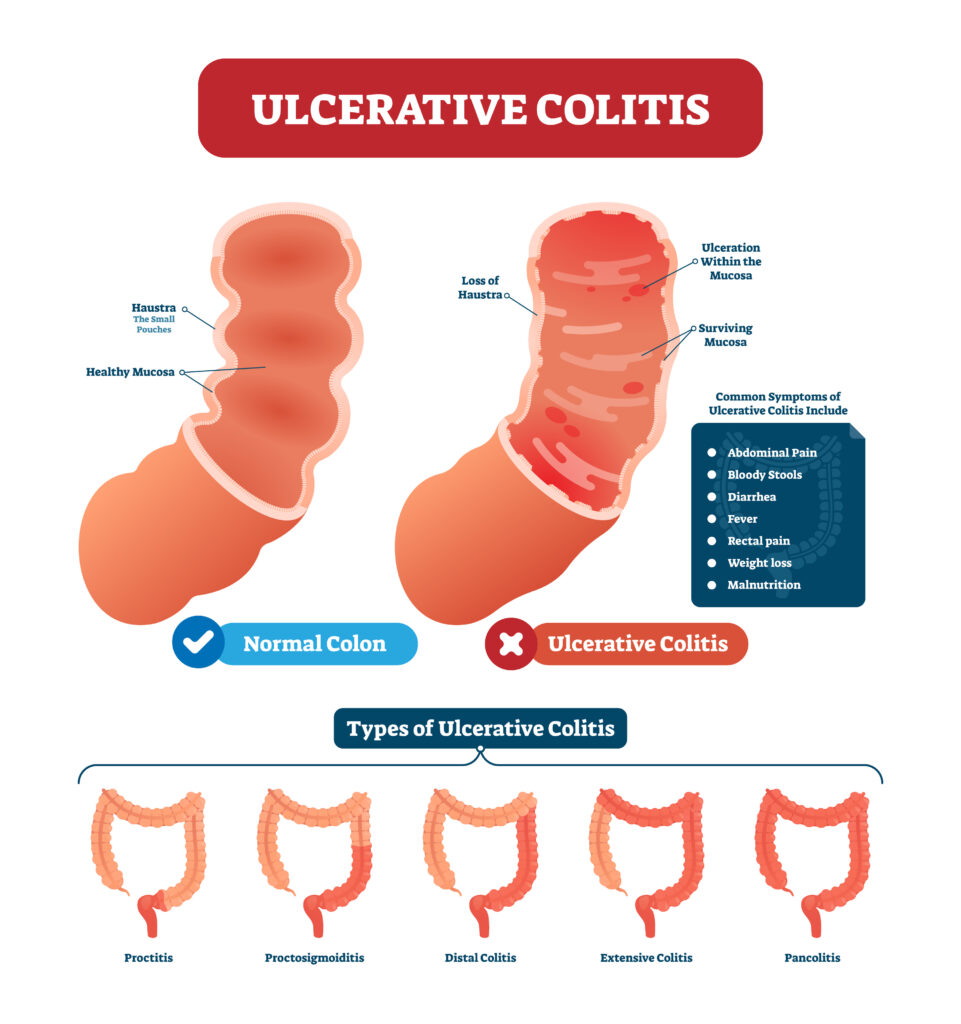
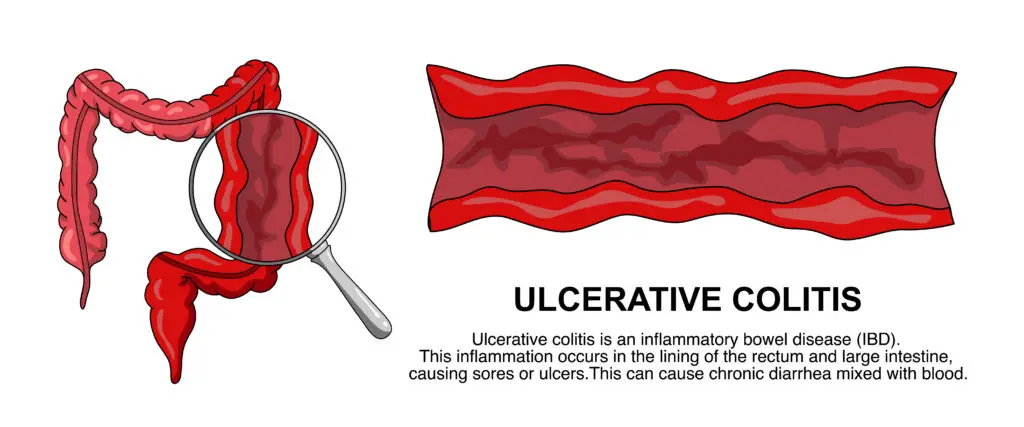
Ulcerative colitis is a type of inflammatory bowel disease. It causes inflammation and ulcers in the lining of the colon and rectum.
Ulcerative colitis is different from Crohn’s disease. Crohn’s disease can affect different parts of the digestive tract, while ulcerative colitis primarily affects the colon and rectum. Both conditions, however, can cause serious digestive symptoms and work limitations.
Common symptoms of ulcerative colitis include:
- diarrhea
- bloody stool
- rectal bleeding
- bowel urgency
- abdominal cramping
- abdominal pain
- mucus in stool
- fatigue
- fever during flares
- anemia
- dehydration
- loss of appetite
- weight loss
- nausea
- frequent restroom use
Symptoms may come and go. Some people experience periods of remission followed by sudden flares. Others have persistent symptoms despite treatment.
Can Ulcerative Colitis Qualify for Social Security Disability?
Yes, in some cases. Ulcerative colitis may support a Social Security Disability claim when it is medically documented and causes significant work-related limitations.
Social Security generally does not approve benefits based only on a diagnosis of ulcerative colitis. Instead, SSA evaluates:
- the severity of symptoms
- frequency of flare-ups
- treatment history
- colonoscopy findings
- lab results
- anemia or nutritional complications
- hospitalizations
- surgeries
- medication side effects
- restroom frequency
- attendance problems
- ability to complete a full workday
- whether symptoms are expected to last at least 12 months
The key issue is whether ulcerative colitis prevents the person from sustaining full-time work on a regular and continuing basis.
For example, ulcerative colitis may support a disability claim when it causes:
- frequent urgent restroom breaks
- inability to remain at a workstation
- excessive time off task
- repeated absences
- fatigue that limits full-time work
- abdominal pain that interferes with concentration
- anemia-related weakness or dizziness
- hospitalizations or emergency treatment
- medication side effects that affect work
If those limitations are severe and supported by medical evidence, disability benefits may be available.
How Ulcerative Colitis Can Affect the Ability to Work
Ulcerative colitis can affect both physical and sedentary jobs. The limitations are often related to restroom access, unpredictable flares, pain, fatigue, and treatment needs. These will all be considered in the analysis of your residual functional capacity.
Chronic Diarrhea and Bathroom Urgency
Chronic diarrhea and urgent bowel movements are often the most work-limiting symptoms of ulcerative colitis.
These symptoms may cause:
- frequent restroom breaks
- sudden need to leave a workstation
- fear of accidents
- inability to wait for scheduled breaks
- reduced productivity
- difficulty staying on task
- dehydration
- fatigue
- missed work
Bathroom urgency can be especially difficult in jobs involving:
- production lines
- call centers
- customer service
- delivery routes
- driving
- security posts
- classrooms
- healthcare
- food service
- construction
- warehouse work
- jobs with limited restroom access
Even sedentary work can become unrealistic if a person cannot remain at a workstation long enough to meet employer expectations.
Abdominal Pain and Cramping
Ulcerative colitis can cause abdominal pain, cramping, bloating, and rectal discomfort. Pain may worsen during flares or before bowel movements.
Pain may affect work by causing:
- difficulty concentrating
- reduced pace
- need for unscheduled breaks
- difficulty sitting upright
- irritability
- missed workdays
- inability to complete tasks
This type of limiting pain may be especially important when it causes off-task time or interferes with productivity.
Rectal Bleeding and Anemia
Ulcerative colitis may cause rectal bleeding. Chronic blood loss can contribute to iron deficiency anemia.
Anemia may cause:
- severe fatigue
- weakness
- dizziness
- shortness of breath
- headaches
- rapid heartbeat
- brain fog
- reduced stamina
Anemia can make it difficult to stand, walk, lift, concentrate, or complete a full workday.
Fatigue and Reduced Stamina
Fatigue is common in ulcerative colitis. It may result from inflammation, anemia, poor sleep, pain, dehydration, malnutrition, medication side effects, or frequent restroom trips.
Fatigue may affect the ability to:
- work a full shift
- maintain pace
- stay on task
- stand or walk for long periods
- attend work consistently
- recover after flares
- work five days per week
Fatigue from ulcerative colitis may be disabling even when the person is not actively in the bathroom.
Dehydration, Weight Loss, and Malnutrition
Severe ulcerative colitis can cause dehydration, weight loss, and nutritional problems, especially during flares.
These complications may lead to:
- weakness
- dizziness
- poor stamina
- difficulty walking
- need for IV fluids
- hospitalizations
- reduced lifting ability
- inability to tolerate physical activity
If ulcerative colitis causes ongoing nutritional instability, it may significantly affect work capacity.
Flare-Ups and Absences
Ulcerative colitis often involves flares. A person may function better during remission but become unable to work during active disease.
Flares may cause:
- severe diarrhea
- bloody stool
- abdominal pain
- fever
- dehydration
- fatigue
- emergency treatment
- medication changes
- hospitalization
- missed workdays
- inability to complete full shifts
Social Security evaluates whether a person can work reliably over time. A person may be unable to sustain employment if ulcerative colitis causes frequent or unpredictable absences.
Ulcerative Colitis and Residual Functional Capacity
Residual Functional Capacity, or RFC, describes what a person can still do despite medical limitations.
For ulcerative colitis, RFC limitations may involve:
- frequent restroom breaks
- immediate restroom access
- time away from workstation
- unscheduled breaks
- reduced pace
- off-task time
- absences from flares
- limited standing or walking due to fatigue
- reduced lifting due to weakness
- difficulty concentrating due to pain, anemia, or fatigue
- inability to complete a full workday
- inability to sustain a full workweek
A strong ulcerative colitis disability claim should explain how symptoms affect specific work functions.
For example:
- Bathroom urgency may prevent production-line work.
- Frequent diarrhea may make driving or delivery routes unrealistic.
- Fatigue may prevent full-time work even in a seated job.
- Anemia may limit stamina and concentration.
- Flares may cause absences beyond employer tolerance.
Relevant Social Security Blue Book Listings for Ulcerative Colitis
Ulcerative colitis may be evaluated under Social Security’s digestive disorder listings, particularly the listings related to inflammatory bowel disease.
A claimant may meet or equal a listing if ulcerative colitis causes severe complications such as serious obstruction, anemia, low albumin, significant weight loss, repeated hospitalizations, or other listing-level findings. The exact listing analysis depends on the medical records.
However, many ulcerative colitis claims do not meet a Blue Book listing. Even if a person does not meet a listing, ulcerative colitis may still support disability through a Residual Functional Capacity assessment.
In many cases, the most important question is whether symptoms like diarrhea, urgency, pain, fatigue, anemia, and absences prevent the person from maintaining full-time employment.
Common Medications for Ulcerative Colitis
Medication history can help show ongoing treatment, but taking medication alone does not prove disability.
Common ulcerative colitis treatments may include:
- aminosalicylates
- corticosteroids
- immunosuppressants
- biologic medications
- JAK inhibitors
- anti-diarrheal medications when appropriate
- iron supplements or iron infusions
- nutritional support
- antibiotics in some situations
Biologic and advanced therapies may include:
Medication use may help show that the condition is serious and requires ongoing medical management. The important question is whether symptoms continue to limit work despite treatment.
Medication Side Effects and Ulcerative Colitis Disability Claims
Medication side effects may affect work if they are documented and contribute to functional limitations.
Possible side effects may include:
- fatigue
- nausea
- dizziness
- headaches
- brain fog
- increased infection risk
- stomach upset
- sleep problems
- mood changes from steroids
- need for lab monitoring
- infusion reactions
- frequent appointments
Social Security may consider medication side effects when they affect the ability to work safely, consistently, or productively.
Surgery for Ulcerative Colitis and Disability Claims
Some people with severe ulcerative colitis require surgery. Surgery may improve symptoms for some people, but others continue to experience complications.
Surgical issues may include:
- colectomy
- ileostomy
- J-pouch surgery
- pouchitis
- bowel frequency after surgery
- leakage or accidents
- abdominal pain
- dehydration
- nutritional issues
- post-surgical fatigue
- need for supplies or ongoing care
- absences for follow-up treatment
Post-surgical digestive complications may support a disability claim when they continue to interfere with work.
Ulcerative Colitis and Mental Health
Living with ulcerative colitis can contribute to anxiety, depression, social withdrawal, and panic symptoms. Fear of accidents, restroom urgency, chronic pain, fatigue, and unpredictable flares can affect mental health and daily functioning.
Mental health symptoms may affect work by causing:
- social withdrawal
- panic about leaving home
- difficulty concentrating
- reduced stress tolerance
- missed work
- avoidance of public places
- depression during flares
- reduced motivation
These symptoms should be documented and considered as part of the overall disability claim when they affect work.
Medical Evidence That May Support an Ulcerative Colitis Disability Claim
Strong medical evidence is important in ulcerative colitis claims.
Helpful evidence may include:
- gastroenterology records
- colonoscopy reports
- biopsy results
- imaging studies
- lab results
- inflammatory markers
- hemoglobin and hematocrit levels
- iron studies
- albumin levels
- stool testing
- emergency room records
- hospitalization records
- infusion records
- medication history
- surgery records
- records of flare-ups
- records of chronic diarrhea or rectal bleeding
- documentation of restroom frequency
- physician statements about work limitations
The strongest evidence connects the diagnosis to specific work problems, such as bathroom breaks, absences, fatigue, pain, or inability to remain at a workstation.
Lab Findings That May Matter in Ulcerative Colitis Claims
Lab testing may help show inflammation, anemia, nutritional problems, dehydration, or complications.
Relevant findings may include:
- low hemoglobin
- low hematocrit
- low ferritin
- elevated inflammatory markers
- low albumin
- electrolyte abnormalities
- abnormal stool studies
- evidence of infection when relevant
- vitamin or mineral deficiencies
Repeated abnormal labs may help show that symptoms are persistent or recurrent despite treatment.
Colonoscopy and Biopsy Evidence
Colonoscopy and biopsy findings can be important in ulcerative colitis claims because they may document inflammation, ulceration, bleeding, or disease extent.
Helpful findings may include:
- active colitis
- ulceration
- friability
- bleeding
- chronic inflammation
- disease involving extensive portions of the colon
- severe flare findings
- complications requiring treatment changes
Colonoscopy findings are important, but Social Security still evaluates how the disease affects work function.
Evidence of Restroom Limitations
Because restroom use is often central to ulcerative colitis claims, documentation should be as specific as possible.
Helpful evidence may include:
- notes describing bowel movement frequency
- records of urgency
- records of accidents or near-accidents
- treatment notes documenting diarrhea despite medication
- flare logs
- hospitalization records
- provider statements about restroom access
- symptom logs showing frequency and duration of restroom breaks
A vague statement like “frequent diarrhea” is usually less helpful than records showing how often symptoms occur and how long they interrupt activity.
Doctor Statements for Ulcerative Colitis Work Limitations
A treating provider’s statement may help explain how ulcerative colitis affects work.
A useful statement may address:
- restroom frequency
- urgency
- time away from workstation
- flare-up frequency
- likely absences
- fatigue and stamina
- abdominal pain
- anemia-related limitations
- need for unscheduled breaks
- medication side effects
- expected duration of limitations
The most helpful opinions are specific, consistent with treatment records, and tied to work-related functions.
Tracking Ulcerative Colitis Symptoms for a Disability Claim
A symptom log may help document how ulcerative colitis affects daily life. A useful log may include:
- number of bowel movements per day
- urgency episodes
- accidents or near-accidents
- rectal bleeding
- abdominal pain level
- fatigue level
- nausea or vomiting
- foods or stressors that worsen symptoms
- medication side effects
- missed work or activities
- medical appointments
- infusion dates
- emergency care
- flare-up dates
- recovery time after flares
A symptom log is not a substitute for medical evidence, but it may help support treatment records and testimony.
Examples of Work Limitations Caused by Ulcerative Colitis
Ulcerative colitis may support disability eligibility when it causes limitations such as:
- frequent urgent restroom breaks
- inability to stay at a workstation
- excessive off-task time
- missed work from flares
- early departures due to symptoms
- abdominal pain that affects concentration
- fatigue that prevents full-time work
- anemia-related weakness or dizziness
- need for infusions or frequent treatment
- hospitalizations
- inability to work in jobs with limited restroom access
- inability to complete a full workday
At a disability hearing, these limitations may be important because a vocational expert may consider whether a person with those restrictions could sustain competitive employment.
Signs Ulcerative Colitis May Support a Disability Claim
You may want to explore disability eligibility if ulcerative colitis causes:
- chronic diarrhea despite treatment
- frequent urgent restroom use
- rectal bleeding
- severe abdominal pain
- anemia
- weight loss
- dehydration
- severe fatigue
- repeated flares
- hospitalizations
- surgery or post-surgical complications
- excessive absences
- failed attempts to keep working
When ulcerative colitis prevents reliable, sustained full-time employment, disability benefits may be available.
When to Speak With a Social Security Disability Lawyer
Ulcerative colitis disability claims can be challenging because symptoms may fluctuate, and some of the most limiting problems, like restroom urgency and fatigue, may not be obvious during a brief exam.
Many people seek legal help when:
- they are unsure whether ulcerative colitis qualifies
- their SSDI claim has been denied
- they have chronic diarrhea, bleeding, anemia, or fatigue
- they have frequent flare-ups
- they need biologic therapy or infusions
- they have been hospitalized
- their records do not clearly explain restroom needs or absences
- they are preparing for a disability hearing
A social security disability attorney can help evaluate how ulcerative colitis affects RFC and what evidence may be needed.
FAQs: Ulcerative Colitis and Social Security Disability Benefits
Can ulcerative colitis qualify for Social Security Disability?
Yes. Ulcerative colitis may qualify for Social Security Disability if it meets or equals a digestive disorder listing or if the evidence shows that symptoms prevent reliable full-time work. Social Security evaluates medical records, treatment history, symptoms, complications, restroom needs, absences, and functional limitations.
Does ulcerative colitis automatically qualify for SSDI?
No. A diagnosis of ulcerative colitis alone does not automatically qualify someone for SSDI. The key issue is whether ulcerative colitis causes work-related limitations severe enough to prevent full-time employment.
What ulcerative colitis symptoms matter most in a disability claim?
Important symptoms may include chronic diarrhea, bowel urgency, rectal bleeding, abdominal pain, fatigue, anemia, dehydration, weight loss, malnutrition, medication side effects, and frequent flare-ups.
Can frequent bathroom breaks support an ulcerative colitis disability claim?
Yes. Frequent urgent restroom breaks may be very important if they interfere with the ability to stay at a workstation, remain on task, meet productivity expectations, or complete a full workday.
Can ulcerative colitis fatigue affect residual functional capacity?
Yes. Fatigue from inflammation, anemia, dehydration, pain, poor sleep, or medication side effects may affect RFC by limiting stamina, pace, concentration, attendance, and ability to complete a full workday.
What evidence helps prove ulcerative colitis in an SSDI claim?
Helpful evidence may include gastroenterology records, colonoscopy reports, biopsy results, lab testing, inflammatory markers, anemia records, stool testing, medication history, infusion records, hospitalization records, surgery records, symptom logs, and physician statements about work limitations.
Can ulcerative colitis prevent sedentary work?
Yes. Sedentary work may still be difficult if ulcerative colitis causes frequent restroom breaks, urgent diarrhea, abdominal pain, fatigue, absences, off-task time, or inability to remain at a workstation.
What should I do if ulcerative colitis prevents me from working?
You may want to speak with a Social Security Disability attorney to evaluate whether your medical records, symptoms, treatment history, RFC limitations, and work history may support an SSDI claim.
Contact MLF Legal for a Free Disability Case Evaluation
If ulcerative colitis, chronic diarrhea, bowel urgency, rectal bleeding, anemia, fatigue, abdominal pain, or medication side effects prevent you from working, you may qualify for Social Security Disability benefits.
MLF Legal represents disability applicants nationwide. Based in Dallas, Texas, we help individuals across the country pursue disability benefits.
Our social security lawyers can review your situation for free and explain your options.
📞 Call MLF Legal at 214-357-1782 to request a free consultation.
Next Steps:
1st Sign up For a Free One-on-One Disability Case Evaluation
Contact us today to schedule your personalized one-on-one free phone consultation with one of our dedicated legal professionals. Our experienced social security lawyers are here to provide the expert legal guidance and support you need throughout the entire process of your case.
We understand the complexities involved in social security disability claims and are committed to helping you achieve the best possible outcome. Don’t hesitate to reach out and take the first step toward securing the justice you deserve.
2nd Download Free E-Books
Social Security Disability

Navigating the Social Security Disability Benefits process can be complex, but understanding the key steps can help. From gathering medical records to completing the application, this process ensures eligible individuals receive the support they need. Seeking guidance from experts can simplify the journey and increase the chances of a successful outcome.
Call MLF Legal today
214-357-1782
Fill out our online form
for a free consultation.
We only get paid if we win your case.