
Panic Attacks and Social Security Disability Benefits
TELL US WHAT HAPPENED SO WE CAN HELP. FREE CONSULTATION

Contact Us About Your Case
FREE Consultation Today.
Panic Attacks and Social Security Disability Benefits
Panic attacks can be frightening, unpredictable, and physically overwhelming. For some people, panic attacks happen occasionally and can be managed with treatment. For others, panic attacks become so frequent or severe that they interfere with work, daily activities, relationships, driving, sleep, and the ability to function outside the home. When this happens, our social security lawyers help people file panic attacks and social security disability claims.
While panic attacks alone do not automatically qualify someone for Social Security Disability benefits, the underlying condition causing them may qualify if it prevents the person from maintaining full-time employment.
Panic attacks are commonly associated with:
- panic disorder
- generalized anxiety disorder
- post-traumatic stress disorder
- major depression
- bipolar disorder
- autism spectrum disorder
- chronic pain conditions
- medical conditions that cause shortness of breath, dizziness, or rapid heartbeat
This guide explains when panic attacks may support a disability claim, how Social Security evaluates anxiety-related limitations, what evidence may help, and when it may be time to speak with a disability lawyer.

What Are Panic Attacks?
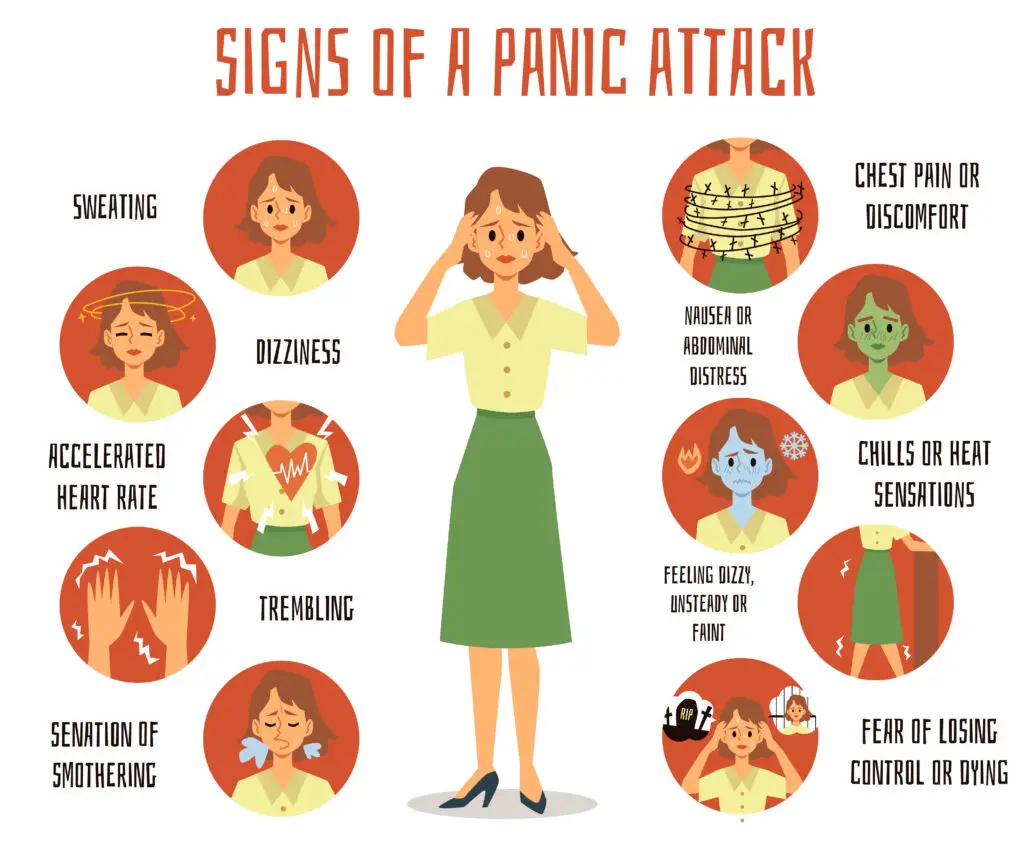
A panic attack is a sudden episode of intense fear or physical distress. Symptoms may feel severe and may resemble a heart attack, breathing emergency, or loss of control.
Common panic attack symptoms include:
- racing heart
- chest tightness or chest pain
- shortness of breath
- dizziness
- sweating
- shaking or trembling
- nausea
- fear of dying or losing control
- numbness or tingling
- feeling detached from reality
Many panic attacks come on suddenly. Some are triggered by stress, crowds, driving, work demands, trauma reminders, social situations, or medical symptoms. Others seem to happen without warning.
In a work setting, panic attacks may affect:
- attendance
- concentration
- pace
- reliability
- interaction with others
- ability to tolerate stress
- ability to remain at the workstation
- ability to travel to and from work
When panic attacks are frequent, unpredictable, or difficult to control, they can create serious work limitations.
Can Panic Attacks Qualify for Social Security Disability?
Yes, in some cases. Panic attacks may support a Social Security Disability claim when they are part of a medically documented mental health condition and cause significant work-related limitations.
Social Security generally does not approve benefits based only on the statement “I have panic attacks.” Instead, the agency evaluates:
- the underlying diagnosis
- frequency and severity of panic attacks
- treatment history
- medication use and side effects
- functional limitations
- whether symptoms are expected to last at least 12 months
The key issue is whether panic attacks prevent reliable, sustained full-time work.
For example, Social Security may consider whether panic attacks cause:
- frequent absences
- inability to complete a normal workday
- inability to interact with coworkers or the public
- difficulty tolerating workplace stress
- inability to maintain concentration
- need to leave the workstation unexpectedly
If these limitations are severe and supported by medical evidence, disability benefits may be available.
How Panic Attacks Can Affect the Ability to Work
Panic attacks can affect work in several different ways.
Attendance and Reliability
Many people with severe panic attacks miss work because symptoms are unpredictable or disabling. Others may leave work early, arrive late, or be unable to complete a full shift.
This matters because Social Security evaluates whether a person can work on a regular and continuing basis.
Concentration and Pace
After a panic attack, some people feel exhausted, mentally foggy, or unable to focus. This can affect:
- task completion
- accuracy
- productivity
- decision-making
- ability to follow instructions
Even if a panic attack lasts only a short time, the recovery period may interfere with the rest of the workday.
Interaction With Others
Panic attacks may be triggered by social settings, conflict, supervision, crowds, or customer interaction. This can affect jobs involving:
- public contact
- teamwork
- meetings
- customer service
- fast-paced environments
If anxiety limits social functioning, that can be important in a disability claim.
Stress Tolerance
Workplaces involve deadlines, criticism, changes in routine, performance expectations, and interaction with others. Panic disorder and anxiety can reduce a person’s ability to tolerate ordinary work stress.
Some people may be able to function in calm environments but decompensate under normal workplace pressure.
Safety Concerns
Panic attacks may create safety concerns in jobs involving:
- driving
- machinery
- heights
- hazardous equipment
- emergency response
- caregiving roles
If panic attacks cause dizziness, disorientation, or loss of control, those symptoms may limit certain types of work.
Common Conditions That Cause Panic Attacks and Lead to Disability Claims
Panic attacks often appear as part of a larger medical or mental health condition. These underlying conditions may also support disability eligibility.
Panic Disorder and Social Security Disability
Panic disorder involves recurring panic attacks and ongoing fear of future attacks. This can cause avoidance behaviors and major lifestyle limitations.
People with panic disorder may avoid:
- driving
- stores
- crowds
- public transportation
- work settings
- social interaction
- medical appointments
Panic disorder can become disabling when the person cannot reliably leave home, complete tasks, interact with others, or tolerate normal work stress.
Generalized Anxiety Disorder and Panic Attacks
Generalized anxiety disorder can cause persistent worry, physical tension, poor sleep, irritability, and difficulty concentrating. Panic attacks may occur during periods of intense stress or overwhelm.
Work-related limitations may include:
- difficulty staying focused
- excessive worry about mistakes
- inability to handle deadlines
- avoidance of stressful tasks
- frequent absences
- reduced productivity
Common Medications
Common medications for anxiety may include:
PTSD and Panic Attacks
Post-traumatic stress disorder can cause panic attacks, flashbacks, nightmares, hypervigilance, irritability, and avoidance of trauma reminders.
Panic attacks related to PTSD may be triggered by:
- loud noises
- crowds
- certain locations
- conflict
- physical sensations
- memories or reminders of trauma
PTSD may interfere with work because of:
- difficulty interacting with others
- trouble concentrating
- irritability or anger
- sleep disruption
- avoidance behavior
- panic symptoms in public or work settings
Depression and Panic Attacks
Major depression and panic attacks often occur together. Depression may cause low motivation, fatigue, poor concentration, sleep problems, and social withdrawal. Panic attacks may add unpredictable episodes of intense fear and physical distress.
The combination can make full-time work especially difficult because symptoms may affect:
- attendance
- pace
- focus
- social functioning
- ability to handle stress
- motivation and persistence
Common Medications
Bipolar Disorder and Panic Attacks
People with bipolar disorder may experience panic attacks during depressive episodes, manic episodes, mixed episodes, or periods of severe stress.
Bipolar disorder may affect work through:
- mood instability
- impulsivity
- irritability
- depression
- sleep disruption
- difficulty maintaining routine
- panic symptoms
- inconsistent attendance
When panic attacks occur alongside mood instability, the impact on reliability and workplace functioning can be significant.
Common Medications
Autism Spectrum Disorder and Panic Attacks
Some people with autism spectrum disorder experience panic attacks or severe anxiety when overwhelmed by sensory input, social demands, transitions, or changes in routine.
Workplace challenges may include:
- sensory overload
- difficulty with social communication
- panic in crowded environments
- difficulty adapting to changes
- shutdowns or meltdowns
- inability to tolerate unpredictable settings
When these symptoms prevent reliable work, disability benefits may be available.
Medical Conditions That Can Mimic or Trigger Panic Attacks
Some physical medical conditions can cause symptoms similar to panic attacks, including racing heart, shortness of breath, dizziness, sweating, and chest discomfort.
These may include:
- arrhythmias
- chronic heart failure
- pulmonary hypertension
- COPD
- asthma
- thyroid disorders
- POTS
- medication side effects
When a physical condition contributes to panic-like episodes, the disability claim may involve both physical and mental limitations.
Common Related Medications
Prescription Medications Commonly Used for Panic Attacks and Anxiety
Medication history can help show that a person is receiving treatment. However, taking medication alone does not qualify someone for disability.
Common medications used for anxiety or panic symptoms may include:
- Zoloft
- Lexapro
- Prozac
- Cymbalta
- Buspirone
- Xanax
- Klonopin
- Ativan
- Hydroxyzine
- Propranolol
Some medications may cause side effects that affect work, including:
- sedation
- fatigue
- dizziness
- slowed thinking
- brain fog
- reduced coordination
Social Security may consider medication side effects if they are documented and affect work-related functioning.
How Social Security Evaluates Panic Attacks
Social Security evaluates panic attacks by reviewing the medical condition causing them and the resulting functional limitations.
In many cases, panic attacks are evaluated under mental health rules involving anxiety, trauma-related disorders, depression, or other psychiatric conditions.
SSA may consider limitations in areas such as:
- understanding and remembering information
- concentration, persistence, and pace
- interacting with others
- adapting or managing oneself
- handling stress and changes in routine
- maintaining attendance and completing a workday
The more clearly medical records document these limitations, the stronger the claim may be.
Panic Attacks and Residual Functional Capacity
Residual Functional Capacity, or RFC, describes what a person can still do despite medical limitations.
For panic attacks, RFC limitations may include difficulty with:
- public interaction
- coworker interaction
- supervisor interaction
- fast-paced work
- strict production quotas
- high-stress environments
- frequent changes in routine
- complex decision-making
- maintaining attendance
- completing a full workday without interruptions
A person with severe panic attacks may need work with limited social interaction, simple tasks, predictable routines, and low stress. In more serious cases, even those restrictions may not be enough if panic attacks cause frequent absences or inability to stay on task.
Medical Evidence That May Support a Panic Attack Disability Claim
Strong documentation is important because panic attacks often do not show up on imaging tests or routine labs.
Helpful evidence may include:
- psychiatric evaluations
- therapy or counseling records
- primary care records
- emergency room records for panic-like episodes
- medication history
- documentation of panic attack frequency
- records of work absences or failed work attempts
- statements from treating providers about functional limitations
- hospitalization or intensive outpatient treatment records, if applicable
The strongest claims usually show a consistent history of symptoms, treatment, and work-related limitations.
Tracking Panic Attacks for a Disability Claim
A panic attack log may help document frequency and severity. A useful log may include:
- date and time of attack
- duration
- trigger, if known
- symptoms
- whether medication was needed
- whether emergency care was required
- how long recovery took
- whether work or daily activity was interrupted
This type of documentation may help support testimony and treatment records.
Examples of Work Limitations Caused by Panic Attacks
Panic attacks may support disability eligibility when they cause limitations such as:
- missing work several days per month
- leaving work unexpectedly
- inability to interact with the public
- inability to tolerate ordinary workplace stress
- needing excessive breaks
- being off task due to anxiety symptoms
- inability to complete a full workday
- inability to drive or commute reliably
- panic symptoms triggered by workplace environments
At a disability hearing, these limitations may be important because vocational experts often evaluate whether a person can sustain competitive employment with absences, off-task time, or social limitations.
Signs Your Panic Attacks May Support a Disability Claim
You may want to explore disability eligibility if panic attacks cause:
- frequent missed work
- repeated ER visits
- inability to leave home reliably
- inability to drive or use public transportation
- inability to interact with others at work
- difficulty concentrating after attacks
- panic symptoms despite treatment
- inability to complete a normal workday
When panic attacks prevent reliable, sustained employment, disability benefits may be available.
When to Speak With a Social Security Disability Lawyer
Panic attack disability claims can be challenging because symptoms may be episodic, subjective, and difficult to prove without consistent documentation.
Many people seek legal help when:
- they are unsure whether panic attacks qualify
- their disability claim has been denied
- they have multiple mental or physical conditions
- their medical records do not clearly explain work limitations
- they are preparing for a disability hearing
A social security disability attorney can help evaluate how panic attacks fit into the overall claim and what evidence may be needed.

Frequently Asked Questions About Panic Attacks and Disability Benefits
Can panic attacks qualify for Social Security Disability?
Yes, panic attacks may support a disability claim when they are caused by a medically documented condition and significantly interfere with the ability to work. Social Security evaluates the frequency, severity, treatment history, and work-related limitations caused by panic attacks.
Does Social Security consider anxiety attacks?
Yes. Social Security may consider anxiety attacks as part of a mental health disability claim, especially when they affect concentration, attendance, interaction with others, ability to handle stress, or ability to complete a normal workday.
What conditions commonly cause panic attacks?
Panic attacks may occur with panic disorder, generalized anxiety disorder, PTSD, depression, bipolar disorder, autism spectrum disorder, medical conditions affecting breathing or heart rhythm, and some medication side effects.
What evidence helps prove panic attacks in a disability claim?
Helpful evidence may include psychiatric evaluations, therapy records, medication history, emergency room records, panic attack logs, provider statements, and documentation of work absences or functional limitations.
Can medication side effects from anxiety treatment affect disability eligibility?
Yes. Medication side effects such as sedation, dizziness, fatigue, or brain fog may be considered if they are documented and affect the ability to work.
What should I do if panic attacks prevent me from working?
You may want to speak with a Social Security Disability attorney to evaluate whether your symptoms and underlying medical conditions may qualify for benefits.
Contact MLF Legal for a Free Disability Case Evaluation
If panic attacks, anxiety, PTSD, or another mental health condition prevents you from working, you may qualify for Social Security Disability benefits.
MLF Legal represents disability applicants nationwide. Based in Dallas, Texas, we help individuals across the country pursue disability benefits.
Our social security lawyers can review your situation for free and explain your options.
📞 Call MLF Legal at 214-357-1782 to request a free consultation.
Next Steps:
1st Sign up For a Free One-on-One Disability Case Evaluation
Contact us today to schedule your personalized one-on-one free phone consultation with one of our dedicated legal professionals. Our experienced social security lawyers are here to provide the expert legal guidance and support you need throughout the entire process of your case.
We understand the complexities involved in social security disability claims and are committed to helping you achieve the best possible outcome. Don’t hesitate to reach out and take the first step toward securing the justice you deserve.
2nd Download Free E-Books
Social Security Disability
Navigating the Social Security Disability Benefits process can be complex, but understanding the key steps can help. From gathering medical records to completing the application, this process ensures eligible individuals receive the support they need. Seeking guidance from experts can simplify the journey and increase the chances of a successful outcome.
Call MLF Legal today
214-357-1782
Fill out our online form
for a free consultation.
We only get paid if we win your case.