
Malabsorption and SSDI Benefits
TELL US WHAT HAPPENED SO WE CAN HELP. FREE CONSULTATION

Contact Us About Your Case
FREE Consultation Today.
Malabsorption and SSDI Benefits
Malabsorption can cause serious health problems when the body cannot properly absorb nutrients from food. For some people, malabsorption causes chronic diarrhea, fatigue, anemia, weakness, vitamin deficiencies, weight loss, neuropathy, bone loss, and frequent medical complications. When this happens, we help people pursue malabsorption and SSDI claims.
While malabsorption alone does not automatically qualify someone for Social Security Disability benefits, the underlying condition causing malabsorption may qualify if it prevents the person from keeping full-time employment.
Malabsorption may be involved in disability claims related to:
- celiac disease
- Crohn’s disease
- ulcerative colitis
- inflammatory bowel disease
- short bowel syndrome
- chronic pancreatitis
- pancreatic insufficiency
- chronic diarrhea
- chronic liver disease
- bile acid malabsorption
- post-surgical digestive complications
- small intestinal bacterial overgrowth
- autoimmune digestive disorders
This guide explains how Social Security evaluates malabsorption, what symptoms and complications may support a disability claim, what medical evidence may help, and when it may be time to speak with a social security disability lawyer.

What Is Malabsorption?
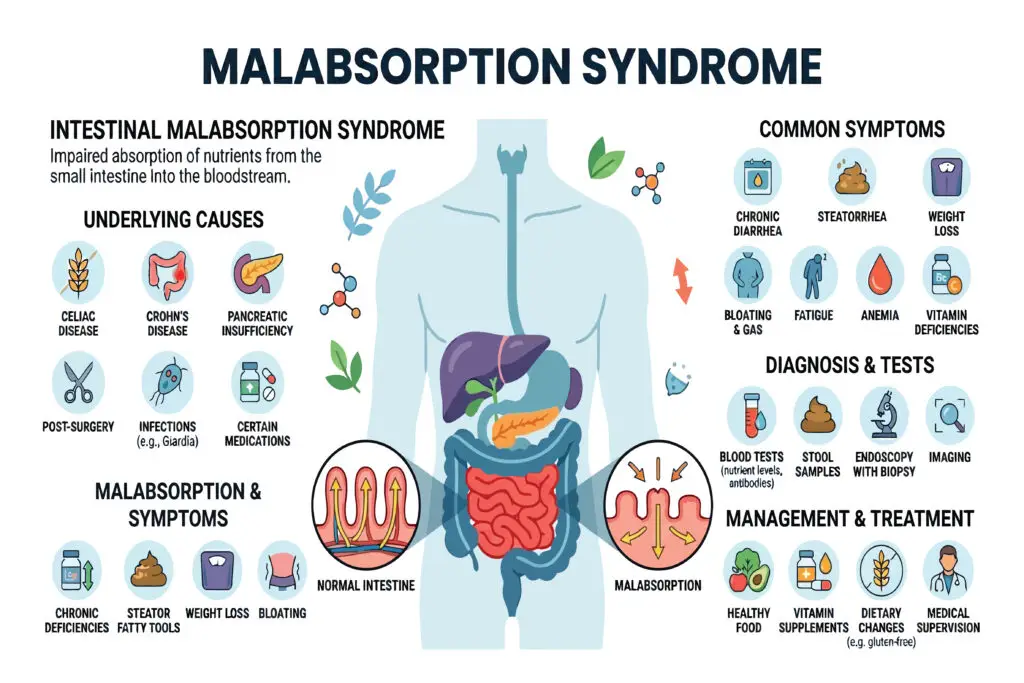
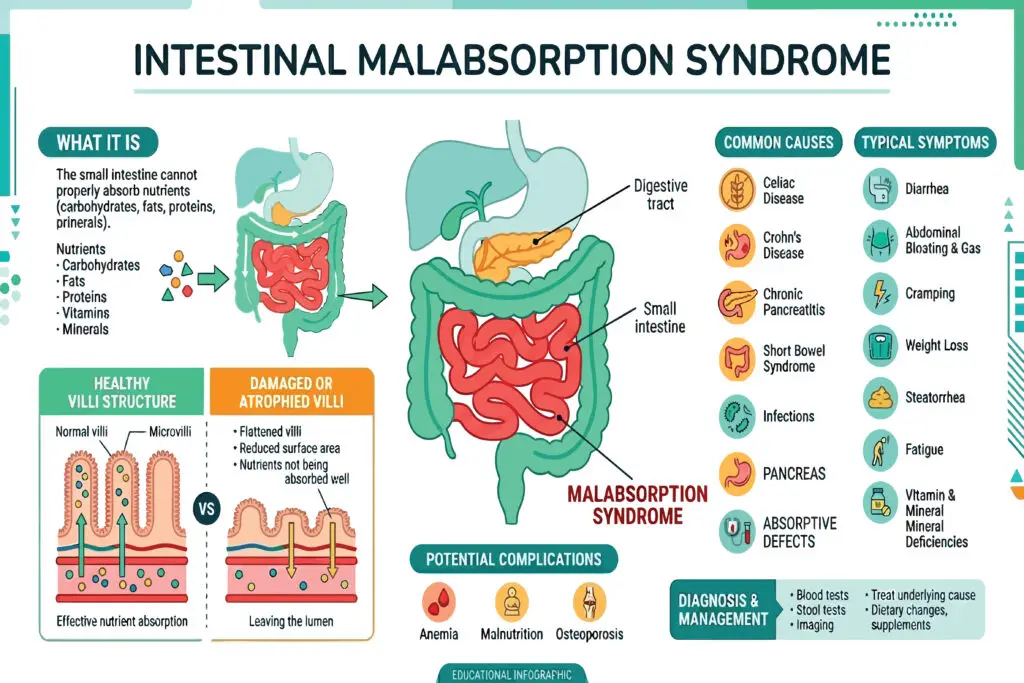
Malabsorption occurs when the digestive system cannot properly absorb nutrients, vitamins, minerals, fats, proteins, carbohydrates, or fluids. This can happen when the intestines, pancreas, liver, gallbladder, or digestive tract are damaged or not functioning properly.
Malabsorption may lead to deficiencies involving:
- iron
- vitamin B12
- folate
- vitamin D
- calcium
- magnesium
- protein
- fat-soluble vitamins
- electrolytes
Symptoms may include:
- chronic diarrhea
- greasy or foul-smelling stools
- abdominal pain
- bloating
- nausea
- fatigue
- weakness
- dizziness
- brain fog
- weight loss
- anemia
- dehydration
- neuropathy
- bone pain
- frequent infections
- muscle cramps
When malabsorption is severe or persistent, it can affect almost every part of the body. That is why it is so important to talk about malabsorption and SSDI claims.
Can Malabsorption Qualify for Social Security Disability?
Yes, in some cases. Malabsorption may support a Social Security Disability claim when it is caused by a medically documented condition and results in serious work-related limitations.
Social Security generally does not approve disability benefits based only on a diagnosis of malabsorption.
Instead, SSA evaluates:
- the underlying medical condition
- the severity of symptoms
- nutritional deficiencies
- weight loss
- chronic diarrhea
- fatigue
- anemia
- dehydration
- complications
- treatment history
- functional limitations
- whether the condition is expected to last at least 12 months
The key issue is whether malabsorption prevents the person from being able to work full-time on a regular basis.
For example, malabsorption may affect work by causing:
- frequent bathroom breaks
- unpredictable diarrhea
- severe fatigue
- weakness
- dizziness
- brain fog
- missed workdays
- need for medical appointments
- inability to maintain weight
- neuropathy affecting standing or walking
- pain that interferes with pace and concentration
If these limitations are severe and written into the medical evidence, disability benefits may be available.
How Malabsorption Can Affect the Ability to Work
Malabsorption can affect both physical and desk jobs. The limitations often depend on the cause of the malabsorption and the problems that develop. Malabsorption and SSDI claims usually come down to how it affects functional ability.
Chronic Diarrhea and Bathroom Urgency
Chronic diarrhea is one of the most common work-limiting symptoms associated with malabsorption.
It may cause:
- frequent restroom breaks
- urgent bathroom needs
- inability to remain at a workstation
- fear of accidents
- dehydration
- fatigue
- missed work
- reduced productivity
Jobs with strict break schedules, limited bathroom access, production quotas, driving routes, customer-facing duties, or assembly-line work may be especially difficult.
Fatigue and Weakness
Malabsorption can cause fatigue when the body does not absorb enough calories, protein, iron, B12, folate, vitamin D, or other nutrients.
Fatigue may affect the ability to:
- complete a full workday
- stand or walk for long periods
- concentrate
- maintain pace
- stay on task
- attend work consistently
- recover after activity
Fatigue from malabsorption may be especially serious when combined with anemia, autoimmune disease, chronic inflammation, or digestive flare-ups. Malabsorption and SSDI cases are built on these types of symptoms.
Weight Loss and Malnutrition
Severe malabsorption may cause unintentional weight loss or malnutrition. This can lead to muscle wasting, weakness, poor stamina, dizziness, and increased risk of medical complications.
Work-related limitations may include:
- reduced lifting ability
- reduced walking tolerance
- poor endurance
- need for rest breaks
- inability to tolerate physical exertion
- increased absences due to illness
- hospitalization or nutritional support
Malnutrition can also worsen other conditions, making full-time work even more difficult.
Anemia, Dizziness, and Shortness of Breath
Malabsorption may cause iron deficiency anemia, B12 deficiency, folate deficiency, or other blood-related problems. Anemia can significantly affect work capacity.
Symptoms may include:
- fatigue
- weakness
- dizziness
- lightheadedness
- shortness of breath
- rapid heartbeat
- poor concentration
- headaches
These symptoms can interfere with physical labor, standing jobs, driving, and even desk work if concentration and stamina are affected. It is important to highlight these types of symptoms in malabsorption and SSDI hearings.
Brain Fog and Concentration Problems
Nutritional deficiencies, anemia, dehydration, chronic inflammation, poor sleep, and fatigue may contribute to brain fog.
Brain fog may affect:
- memory
- concentration
- task completion
- pace
- decision-making
- ability to follow instructions
- ability to handle stress
Even if a person can sit at a desk, cognitive symptoms may make full-time work difficult when they interfere with productivity and reliability.
Neuropathy and Balance Problems
Malabsorption can contribute to nerve problems when the body does not absorb enough B12, vitamin E, copper, or other nutrients. Some underlying digestive or autoimmune conditions may also cause neuropathy.
Neuropathy may cause:
- burning pain
- numbness
- tingling
- weakness
- balance problems
- difficulty walking
- frequent falls
If neuropathy affects the feet or legs, the person may have difficulty standing, walking, climbing stairs, or working safely around hazards. Obviously, these are significant symptoms that make for good malabsorption and SSDI cases.
Bone Loss, Osteoporosis, and Fractures
Malabsorption may interfere with vitamin D and calcium absorption, increasing the risk of osteopenia, osteoporosis, bone pain, and fractures.
Bone-related complications may affect work by causing:
- chronic pain
- fracture risk
- difficulty walking
- lifting restrictions
- fall risk
- need to avoid hazards
- reduced ability to perform physical labor
This can be especially important in people with celiac disease, inflammatory bowel disease, chronic liver disease, or long-term steroid use.
Common Conditions That Cause Malabsorption and Lead to Disability Claims
Malabsorption is usually a complication of another medical condition. Below are common conditions that may appear in malabsorption and SSDI claims.
Celiac Disease and Malabsorption
Celiac disease is an autoimmune condition triggered by gluten. When a person with celiac disease eats gluten, the immune system can damage the small intestine, making it harder to absorb nutrients.
Celiac-related malabsorption may cause:
- chronic diarrhea
- abdominal pain
- bloating
- weight loss
- iron deficiency anemia
- vitamin deficiencies
- fatigue
- brain fog
- osteoporosis
- neuropathy
- dermatitis herpetiformis
Celiac disease may support a disability claim when symptoms or complications prevent reliable full-time work, especially when symptoms persist despite a gluten-free diet.
Crohn’s Disease and Malabsorption
Crohn’s disease can cause inflammation anywhere in the digestive tract. When Crohn’s affects the small intestine or causes surgery, strictures, chronic diarrhea, or poor nutrient absorption, malabsorption may become a major issue.
Crohn’s-related malabsorption may cause:
- chronic diarrhea
- abdominal pain
- weight loss
- fatigue
- anemia
- malnutrition
- vitamin deficiencies
- fistulas or abscesses
- frequent flares
- hospitalizations or surgeries
Work limitations may include bathroom urgency, absences, fatigue, pain, and inability to maintain pace.
Ulcerative Colitis and Malabsorption
Ulcerative colitis primarily affects the colon and rectum, but severe disease can still contribute to nutritional problems, anemia, dehydration, fatigue, and weight loss.
Symptoms may include:
- bloody diarrhea
- urgency
- abdominal cramping
- fatigue
- anemia
- dehydration
- weight loss
- frequent flares
Ulcerative colitis may support a disability claim when symptoms prevent the person from staying at a workstation, maintaining attendance, or completing a normal workday.
Short Bowel Syndrome and Malabsorption
Short bowel syndrome occurs when a person does not have enough functioning small intestine to absorb nutrients and fluids properly. It may occur after surgery for Crohn’s disease, blood flow problems, trauma, cancer, or other digestive conditions.
Symptoms may include:
- severe diarrhea
- dehydration
- malnutrition
- weight loss
- electrolyte problems
- fatigue
- need for nutritional support
- frequent medical care
Short bowel syndrome can be highly disabling when it causes ongoing nutritional instability, dehydration, or inability to sustain normal activity.
Chronic Pancreatitis and Pancreatic Insufficiency
The pancreas helps digest fats, proteins, and carbohydrates. Chronic pancreatitis or pancreatic insufficiency can interfere with digestion and cause malabsorption.
Symptoms may include:
- abdominal pain
- greasy stools
- diarrhea
- weight loss
- nausea
- vomiting
- fatigue
- diabetes complications
- need for pancreatic enzyme therapy
Work limitations may include pain, bathroom urgency, fatigue, absences, and difficulty maintaining nutrition – all things that support malabsorption and SSDI claims.
Bile Acid Malabsorption
Bile acid malabsorption can cause chronic diarrhea, urgency, abdominal cramping, and dehydration. It may occur after gallbladder removal, intestinal disease, ileal resection, Crohn’s disease, or other digestive conditions.
Work-related limitations may include:
- frequent bathroom breaks
- inability to remain at a workstation
- urgency accidents
- dehydration
- missed work
- difficulty performing jobs with limited restroom access
Post-Surgical Digestive Complications and Malabsorption
Digestive surgery can sometimes cause long-term malabsorption, chronic diarrhea, dumping syndrome, bowel urgency, pain, or nutritional deficiencies.
This may occur after:
- bowel resection
- bariatric surgery
- gallbladder removal
- pancreatic surgery
- stomach surgery
- intestinal surgery
Symptoms may include:
- diarrhea
- abdominal pain
- weight loss
- dehydration
- fatigue
- nausea
- food intolerance
- vitamin deficiencies
Autoimmune and Systemic Conditions Linked to Malabsorption
Some autoimmune and systemic diseases may contribute to digestive symptoms, nutrient problems, inflammation, or secondary malabsorption.
These may include:
- lupus
- scleroderma
- Sjogren’s syndrome
- mixed connective tissue disease
- autoimmune liver disease
- inflammatory bowel disease
- celiac disease
Symptoms may include fatigue, diarrhea, weight loss, abdominal pain, reflux, motility problems, and nutritional deficiencies.
Relevant Social Security Blue Book Listings for Malabsorption
Malabsorption and SSDI claims may be evaluated under different Social Security Blue Book listings depending on the underlying condition and complications.
There is not always one listing labeled simply “malabsorption.” Instead, Social Security may evaluate the claim under listings involving digestive disorders, weight loss, inflammatory bowel disease, liver disease, immune system disorders, neurological complications, musculoskeletal complications, or other affected body systems.
Potentially relevant areas may include:
- digestive disorder listings
- inflammatory bowel disease listings
- weight loss or malnutrition-related listings
- chronic liver disease listings
- immune system listings for autoimmune disease
- neurological listings if neuropathy or balance problems are severe
- musculoskeletal listings if bone loss or fractures affect mobility
Even if a person does not meet a specific Blue Book listing, malabsorption may still support disability through a Residual Functional Capacity assessment.
Malabsorption and Residual Functional Capacity
Residual Functional Capacity, or RFC, describes what a person can still do despite medical limitations.
For malabsorption, RFC limitations may involve:
- restroom breaks
- time away from workstation
- absences
- off-task time
- need for unscheduled breaks
- reduced stamina
- limited standing or walking
- reduced lifting capacity
- difficulty concentrating
- need to avoid certain workplace conditions
- inability to complete a full workday
- inability to sustain work five days per week
Medical Evidence That May Support a Malabsorption Disability Claim
Strong medical evidence is important because malabsorption may have several possible causes and complications.
Helpful evidence may include:
- gastroenterology records
- primary care records
- endoscopy reports
- colonoscopy reports
- biopsy results
- imaging studies
- stool testing
- blood tests
- vitamin and mineral levels
- iron studies
- B12 and folate testing
- vitamin D levels
- albumin and protein levels
- weight records
- nutritional assessments
- dietitian records
- hospitalization records
- medication history
- documentation of chronic diarrhea
- documentation of dehydration
- physician statements about work limitations
The strongest evidence connects the medical diagnosis to specific functional problems, such as bathroom frequency, fatigue, weakness, absences, or inability to sustain work.
Lab Findings That May Matter in Malabsorption Claims
Lab testing may help show the severity and impact of malabsorption.
Relevant findings may include:
- low iron
- low ferritin
- low B12
- low folate
- low vitamin D
- low calcium
- low magnesium
- abnormal electrolytes
- low albumin
- anemia
- inflammatory markers
- abnormal liver or pancreatic tests
Lab results should be interpreted by medical providers, but they may help show that symptoms are caused by a medically documented condition rather than unsupported complaints.
Treatment History and Malabsorption
Treatment history may help show the severity and persistence of malabsorption.
Depending on the condition, treatment may include:
- gluten-free diet for celiac disease
- biologic medications for inflammatory bowel disease
- steroids or immunosuppressants
- pancreatic enzyme replacement
- bile acid binders
- vitamin supplementation
- iron infusions
- B12 injections
- nutritional shakes or supplements
- IV fluids
- feeding tube support
- parenteral nutrition in severe cases
- surgery
Treatment does not automatically prove disability. But persistent symptoms despite treatment may support the claim.
Medication History and Malabsorption-Related Conditions
Medications may help show ongoing treatment for the underlying condition causing malabsorption.
Relevant medications may include:
- Humira
- Stelara
- Skyrizi
- Rinvoq
- Methotrexate
- steroids
- anti-diarrheal medications
- bile acid binders
- pancreatic enzymes
- anti-nausea medications
- iron supplements or infusions
- B12 injections
- vitamin D supplementation
Medication side effects may also matter if they affect work.
Possible side effects may include:
Social Security may consider medication side effects when they are documented and affect the ability to work safely or consistently.
Tracking Malabsorption Symptoms for a Disability Claim
A symptom log may help document how malabsorption affects daily life. A useful log may include:
- bowel movement frequency
- urgency episodes
- accidents
- abdominal pain
- nausea or vomiting
- fatigue level
- dizziness
- food intolerance
- weight changes
- hydration problems
- missed work or activities
- medical appointments
- medication side effects
- rest breaks needed
- days spent mostly in bed
A symptom log is not a substitute for medical evidence, but it can help support medical records and testimony.
Examples of Work Limitations Caused by Malabsorption
Malabsorption may support disability eligibility when it causes limitations such as:
- frequent bathroom breaks
- urgent diarrhea
- inability to remain at a workstation
- excessive absences
- fatigue that limits full-time work
- weakness from anemia or malnutrition
- dizziness or faintness
- brain fog
- poor concentration
- reduced pace
- neuropathy affecting walking
- need for frequent medical treatment
- inability to complete a full workday
At a disability hearing, these limitations may be important because a vocational expert may consider whether a person with those restrictions could sustain competitive employment.
Signs Malabsorption May Support a Disability Claim
You may want to explore disability eligibility if malabsorption causes:
- chronic diarrhea despite treatment
- severe fatigue
- unintentional weight loss
- anemia
- vitamin deficiencies
- dehydration
- frequent medical appointments
- hospitalizations
- neuropathy
- falls or balance problems
- inability to maintain full-time work
- failed attempts to continue working
When malabsorption prevents reliable, sustained employment, disability benefits may be available.
When to Speak With a Social Security Disability Lawyer
Malabsorption and SSDI claims can be challenging because the condition often involves multiple symptoms and body systems. A person may have digestive symptoms, nutritional deficiencies, fatigue, neurologic symptoms, and musculoskeletal complications at the same time.
Many people seek legal help when:
- they are unsure whether malabsorption qualifies
- their disability claim has been denied
- they have celiac disease, Crohn’s disease, short bowel syndrome, or pancreatic disease
- their records do not clearly explain work limitations
- they have chronic diarrhea, fatigue, or weight loss
- they are preparing for a disability hearing
A social security disability attorney can help evaluate how malabsorption fits into the overall disability claim and what evidence may be needed.
FAQs: Malabsorption and SSDI Benefits
Can malabsorption qualify for Social Security Disability?
Yes, malabsorption may support a Social Security Disability claim when it is caused by a medically documented condition and results in serious work-related limitations. Social Security evaluates the underlying condition, symptoms, complications, treatment history, and functional limitations.
What conditions cause malabsorption?
Common causes include celiac disease, Crohn’s disease, ulcerative colitis, short bowel syndrome, chronic pancreatitis, pancreatic insufficiency, bile acid malabsorption, chronic diarrhea, liver disease, and post-surgical digestive complications.
What symptoms of malabsorption matter in a disability claim?
Important symptoms may include chronic diarrhea, bathroom urgency, fatigue, weight loss, anemia, weakness, dizziness, brain fog, neuropathy, dehydration, vitamin deficiencies, and frequent medical appointments.
Does celiac disease-related malabsorption qualify for disability?
Celiac disease-related malabsorption may support a disability claim if it causes severe symptoms or complications that prevent full-time work. This may include chronic diarrhea, malnutrition, anemia, fatigue, neuropathy, osteoporosis, or persistent symptoms despite a gluten-free diet.
What evidence helps prove malabsorption in a disability claim?
Helpful evidence may include gastroenterology records, endoscopy or colonoscopy reports, biopsy results, stool testing, blood tests, vitamin levels, iron studies, weight records, nutritional assessments, hospitalization records, and physician statements about work restrictions.
Can chronic diarrhea from malabsorption affect disability eligibility?
Yes. Chronic diarrhea may be important if it causes frequent restroom breaks, urgency, accidents, dehydration, absences, or inability to remain at a workstation.
Can vitamin deficiencies from malabsorption support a disability claim?
Yes. Vitamin deficiencies may support a claim if they cause documented limitations such as fatigue, anemia, neuropathy, dizziness, weakness, brain fog, bone loss, or frequent medical complications.
What should I do if malabsorption prevents me from working?
You may want to speak with a Social Security Disability attorney to evaluate whether your medical records, symptoms, complications, and work limitations may support a disability claim.
Contact MLF Legal for a Free Disability Case Evaluation
If malabsorption, celiac disease, Crohn’s disease, chronic diarrhea, weight loss, anemia, fatigue, or another digestive condition prevents you from working, you may qualify for Social Security Disability benefits.
MLF Legal represents disability applicants nationwide. Based in Dallas, Texas, we help individuals across the country pursue disability benefits.
Our social security lawyers can review your situation for free and explain your options.
📞 Call MLF Legal at 214-357-1782 to request a free consultation.
Next Steps:
1st Sign up For a Free One-on-One Disability Case Evaluation
Contact us today to schedule your personalized one-on-one free phone consultation with one of our dedicated legal professionals. Our experienced social security lawyers are here to provide the expert legal guidance and support you need throughout the entire process of your case.
We understand the complexities involved in social security disability claims and are committed to helping you achieve the best possible outcome. Don’t hesitate to reach out and take the first step toward securing the justice you deserve.
2nd Download Free E-Books
Social Security Disability

Navigating the Social Security Disability Benefits process can be complex, but understanding the key steps can help. From gathering medical records to completing the application, this process ensures eligible individuals receive the support they need. Seeking guidance from experts can simplify the journey and increase the chances of a successful outcome.
Call MLF Legal today
214-357-1782
Fill out our online form
for a free consultation.
We only get paid if we win your case.