
What Evidence Do You Need for a Texas Rideshare Accident Claim?
FREE CONSULTATION
Contact Us About Your Case
FREE Consultation Today.
What Evidence Do You Need for a Texas Rideshare Accident Claim?
The most important evidence for a Texas rideshare accident claim may include the police report, photographs, video, witness statements, Uber or Lyft trip records, the driver’s app status, GPS data, vehicle information, medical records, bills, and proof of lost income. Together, this evidence can establish who caused the crash, which insurance period applies, what injuries resulted, and how the accident affected the injured person.
Rideshare evidence can disappear quickly. Surveillance footage may be overwritten. Witnesses may become difficult to locate. Vehicles may be repaired. App and trip information may be harder to obtain with time. Prompt preservation is therefore one of the most important steps after an Uber or Lyft accident.
MLF Legal investigates rideshare crashes and pursues evidence held by drivers, insurers, companies, witnesses, and third parties. Learn more from our Texas rideshare injury attorneys or request a free consultation.
What Must the Evidence Prove?
A successful rideshare injury claim generally requires evidence supporting four issues:
- Liability: Who caused or contributed to the collision?
- Coverage: Which personal, rideshare, commercial, or UM/UIM policy applies?
- Causation: Did the crash cause or aggravate the claimed injuries?
- Damages: What medical, financial, physical, and personal losses resulted?
A single document rarely proves everything. The strongest cases use several independent sources that support the same account.
1. The Texas Police Crash Report
A responding officer may prepare a Texas Peace Officer’s Crash Report, commonly called a CR-3. The report may identify:
- Drivers and vehicle owners
- Insurance information
- Passengers and witnesses
- Vehicle positions and damage
- Road and weather conditions
- Citations or suspected violations
- Contributing factors
- A diagram and narrative
Texas crash reports may be obtained through the Texas Department of Transportation crash-report system.
A police report is useful, but it does not automatically decide civil liability. The officer may not have witnessed the collision, information may be incomplete, and later evidence may change the analysis. Review the report for errors and preserve other evidence even if the report appears favorable.
2. Photographs and Video From the Scene
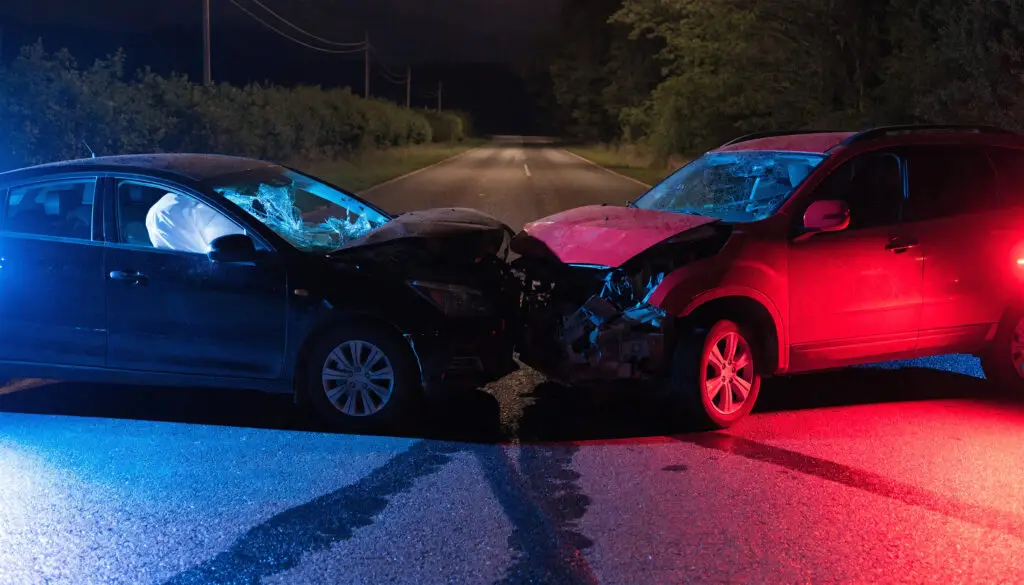
Images can preserve details that disappear within minutes. If it is safe, photograph or record:
- All vehicles and license plates
- Damage to each area of every vehicle
- Final vehicle positions
- Skid marks, debris, and fluid
- Traffic lights and signs
- Lane markings
- Intersections and sight lines
- Construction zones or roadway defects
- Weather and lighting
- Damaged clothing and personal property
- The rideshare decal and vehicle interior
Take wide images of the entire scene and close images of important details. Do not edit the original files. Keep the phone or storage account containing the originals because metadata may help confirm when and where an image was created.
3. Uber or Lyft Trip Receipts and Screenshots
An injured passenger should preserve every part of the booked trip. Save screenshots or electronic copies showing:
- The driver’s name and profile
- Vehicle make, model, color, and license plate
- Pickup and destination
- Trip date and time
- Route and map
- Fare and receipt
- Messages with the driver
- Safety or accident reports
- Claim or incident numbers
Do not delete the app or trip history. Forward receipts to a secure email address and back up screenshots.
The passenger’s records may show that a covered ride was underway. They can also help identify the driver, vehicle, timeline, and intended route.
4. The Driver’s App-Status Records
App status is one of the most important differences between a rideshare claim and an ordinary car-accident case. It may determine which insurance coverage applies.
Relevant records may show:
- When the driver logged in
- Whether the driver was available for requests
- When a ride was offered
- When the driver accepted it
- Whether the driver was traveling to a pickup
- When the passenger entered the vehicle
- Time the ride ended
- When the driver logged out
Texas generally requires different insurance depending on whether the driver was offline, waiting for a request, or engaged in an accepted ride. The framework appears in Texas Insurance Code Chapter 1954 and Texas Occupations Code Chapter 2402.
For an explanation of the coverage stages, read How Does Uber and Lyft Insurance Work After a Texas Accident?.
5. GPS, Route, and Location Data
GPS and route information may establish:
- Where the rideshare vehicle traveled
- Its route before the collision
- Whether the driver was approaching a pickup
- When the vehicle stopped
- Whether the driver departed from the expected route
- The relationship between ride acceptance and crash time
Location data may exist in the rideshare platform, the driver’s phone, the passenger’s phone, the vehicle’s systems, or navigation applications. Access to private information must follow applicable legal procedures.
6. Dashcam, Surveillance, and Traffic Video
Video can be powerful evidence of speed, lane position, traffic signals, visibility, impact, or statements made afterward.
Potential sources include:
- Rideshare dashcams
- Other motorists’ dashcams
- Nearby businesses
- Apartment or residential cameras
- Parking facilities
- Public-transit vehicles
- Toll or roadway systems
- Doorbell cameras
Many systems overwrite footage within days or weeks. Identify nearby cameras promptly and send preservation requests before the recording disappears. Not every traffic camera records or retains video, so do not assume footage will be available later.
7. Witness Statements and Contact Information
Independent witnesses can help when drivers give conflicting accounts. Obtain each witness’s:
- Full name
- Phone number
- Email address
- Home or work address, when appropriate
- Short description of what the witness observed
Witnesses may include passengers, nearby motorists, pedestrians, business employees, first responders, or people who saw the driver’s conduct before impact.
Record contact information at the scene if possible. A name written incorrectly in a police report may make a witness difficult to find later.
8. Vehicle Event Data and Inspections
Modern vehicles can contain electronic information concerning a crash. Depending on the vehicle and system, event data may address:
- Vehicle speed
- Braking
- Accelerator position
- Seat-belt use
- Airbag deployment
- Steering or stability inputs
- Timing and severity of impact
The vehicle itself can also provide evidence of damage patterns, tire condition, brake failure, defective components, or poor maintenance.
Do not permit a materially involved vehicle to be destroyed, salvaged, or significantly altered before appropriate inspection when a serious defect or catastrophic injury is suspected. Owners, insurers, repair shops, and storage facilities may need written notice.
9. Cellphone and Communication Records
Distracted driving is a common issue in rideshare cases. Relevant evidence may include:
- Calls or text messages
- App interactions
- Navigation activity
- Communications with the passenger
- Photographs or social-media activity
- Screen-use information
Cellphone records are private and must be sought through lawful, properly limited methods. A broad demand may be inappropriate. The request should focus on information relevant to the collision and time period.
10. Driver and Vehicle Records
Depending on the claims, relevant records may concern:
- Driver licensing
- Driving history
- Prior accidents or violations
- Vehicle registration and ownership
- Inspection and maintenance
- Tires, brakes, lights, and safety systems
- Rideshare driver eligibility documents
- Commercial permits or coverage, when applicable
These records may help show negligent driving, improper maintenance, ownership responsibility, or whether another person or company should be included in the claim.
11. Insurance Policies and Coverage Documents
An insurance card does not reveal every applicable term. A complete investigation may require:
- The driver’s personal auto policy
- Rideshare endorsements
- The transportation network company policy
- Another driver’s liability policy
- Commercial automobile coverage
- Uninsured or underinsured motorist coverage
- Personal injury protection
- Medical payments coverage
- Umbrella or excess policies
Policy declarations, endorsements, exclusions, and coverage-position letters can be critical. Available coverage may determine whether proven damages can be fully paid.
Do not confuse the existence of a rideshare policy with direct liability by Uber or Lyft. MLF Legal explains that distinction in Can You Sue Uber or Lyft After an Accident in Texas?.
12. Medical Records and Diagnostic Evidence
Medical evidence connects the collision to the injury. Important records may include:
- Ambulance and emergency-room records
- Hospital records
- Physician and specialist notes
- Physical-therapy records
- X-rays, CT scans, and MRI studies
- Surgical reports
- Prescriptions
- Work restrictions
- Prognosis and future-care recommendations
Tell providers accurately how the crash happened, when symptoms began, and every area affected. Follow reasonable treatment recommendations and keep appointments.
A delay or unexplained treatment gap may allow the insurer to argue that the injury was minor or caused by something else. There may be legitimate reasons for a gap, but those reasons should be documented.
13. Prior Medical Records
Preexisting conditions do not automatically defeat a claim. A person may recover for a new injury or the aggravation of an earlier condition. Prior records can help establish the difference between the person’s condition before and after the collision.
Do not hide earlier treatment. Inaccurate answers can damage credibility. Instead, work with counsel and medical providers to identify:
- The earlier diagnosis
- Previous symptoms and limitations
- Whether the condition was stable
- New symptoms after the crash
- Objective changes in imaging or examination
- Additional treatment made necessary by the collision
14. Medical Bills and Payment Records
Records of medical expenses may include:
- Itemized provider bills
- Hospital statements
- Pharmacy receipts
- Explanations of benefits
- Health-insurance payments
- PIP or MedPay payments
- Outstanding balances
- Medical liens and reimbursement demands
Texas generally limits recovery of healthcare expenses to amounts actually paid or still legally owed under Texas Civil Practice and Remedies Code § 41.0105.
For more information, read Who Pays Medical Bills After an Uber or Lyft Accident in Texas?.
15. Lost-Wage and Earning-Capacity Evidence
To prove lost income, preserve:
- Pay stubs
- Employer verification
- Attendance and leave records
- Tax returns
- W-2 or 1099 forms
- Disability documents
- Work restrictions
- Business records for self-employed workers
- Uber or Lyft earnings history for rideshare drivers
Loss of earning capacity concerns the ability to earn in the future, not only wages already missed. Serious claims may require vocational or economic expert analysis.
16. Evidence of Pain, Impairment, and Daily Limitations
Not every compensable loss appears on a bill. Evidence of noneconomic harm may include:
- A contemporaneous symptom journal
- Photographs of injuries or scarring
- Mobility aids
- Activity restrictions
- Testimony from family, friends, or coworkers
- Evidence of missed events and lost activities
- Mental-health treatment records
- Medical opinions about permanent limitations
A journal should be honest and specific. Record symptoms, sleep disruption, appointments, activities you cannot perform, and assistance you need. Do not exaggerate or create entries only for litigation.
17. Social-Media Evidence
Insurers may review public posts. A photograph or casual comment can be taken out of context to dispute pain, limitations, or emotional distress.
Do not delete relevant content after a claim arises, because deletion can create preservation issues. Instead:
- Avoid discussing the collision or claim online
- Do not post medical updates
- Limit activity-related posts
- Ask others not to tag you
- Preserve any relevant preexisting posts
- Follow your attorney’s advice about lawful preservation
What Is a Preservation Letter?
A preservation letter gives a person or company notice that identified evidence should not be destroyed, altered, or overwritten. Depending on the case, notices may be sent to:
- Uber or Lyft
- Drivers and vehicle owners
- Insurance companies
- Businesses with surveillance video
- Towing and storage facilities
- Repair shops
- Employers
- Vehicle manufacturers
- Phone or data custodians, when legally appropriate
A letter does not automatically produce the evidence. Formal requests, subpoenas, discovery, court orders, or expert inspections may still be required. It can, however, identify the materials that must be protected while the claim proceeds.
Evidence You Should Preserve Yourself
Create a secure physical and electronic file containing:
- Trip receipts and screenshots
- Original photographs and videos
- Police-report information
- Driver and witness details
- Rideshare and insurance communications
- Claim numbers
- Medical records and bills
- Prescription and travel receipts
- Wage-loss documents
- A symptom and recovery journal
- Damaged personal property
Back up electronic evidence in more than one location. Keep original files, not only edited or compressed copies.
Mistakes That Can Weaken a Rideshare Claim
Avoid these common evidence problems:
- Failing to call police
- Leaving without driver or witness information
- Deleting the app or trip receipt
- Waiting too long to seek medical care
- Ignoring recommended treatment
- Repairing or disposing of key evidence too soon
- Giving inconsistent accident histories
- Posting about the claim on social media
- Signing broad authorizations without understanding them
- Giving a recorded statement before receiving advice
- Waiting until video or electronic data disappears
For a complete immediate-action guide, read What to Do After an Uber or Lyft Accident in Texas.
How Long Do You Have to Gather Evidence and File Suit?
Evidence should be preserved immediately. The legal filing deadline is not an evidence-retention guarantee.
Texas generally provides two years to file a personal injury lawsuit under Texas Civil Practice and Remedies Code § 16.003. Exceptions may alter the deadline, and claims involving governmental entities may require earlier notice.
Surveillance video, app records, vehicle data, and witness memories may disappear long before two years pass.
How MLF Legal Builds a Rideshare Evidence File
Depending on the case, our personal injury lawyers can:
- Obtain and review the police report
- Inspect the scene and vehicles
- Preserve app, GPS, trip, and video evidence
- Interview witnesses
- Determine the driver’s app and ride status
- Identify all responsible parties
- Obtain applicable insurance information
- Organize medical records and bills
- Document lost wages and future earning loss
- Consult accident-reconstruction, medical, vocational, and economic experts
- Address insurer defenses
- File suit and use discovery when necessary
Our Texas personal injury lawyers and Texas car accident attorneys understand how evidence from multiple sources fits together.
Contact an MLF Legal Texas Rideshare Accident Attorney
The best evidence may exist for only a short time. Acting quickly can preserve the app records, video, witness information, and physical proof needed to establish your claim.
MLF Legal represents injured passengers, rideshare drivers, pedestrians, cyclists, and motorists throughout Dallas, Fort Worth, North Texas, and across Texas.
Call MLF Legal at 214-357-1782 or 817-496-3447, or schedule a free consultation. Se habla español.
FAQs: What Evidence Do You Need for a Texas Rideshare Accident Claim?
There is no single item for every case. The police report, scene images, trip receipt, app-status data, witness statements, medical records, and insurance policies often work together to prove the claim.
Trip receipts, screenshots, driver communications, app-login records, ride-acceptance timestamps, GPS data, and platform records may establish the driver’s status.
You can preserve the information available in your account. Additional company records may require a formal request, subpoena, discovery, or other legal process.
Not always. A report is useful but may contain incomplete information or conclusions based on post-crash statements. Photographs, video, witnesses, vehicle data, and expert analysis may also be needed.
The claim may still be proven through physical evidence, video, vehicle data, app records, photographs, medical evidence, and the drivers’ statements.
Relevant prior records may be necessary, but broad authorizations can reach unrelated information. Consult counsel before signing an authorization or giving recorded answers.
Yes. Deleting relevant evidence after a dispute arises may create serious problems. Preserve relevant material and obtain legal advice before changing or deleting content.
Evidence supports liability, causation, damages, and coverage. A documented claim is generally stronger than one relying only on unsupported statements. Read How Much Is an Uber or Lyft Accident Claim Worth in Texas?.
Injured at work in Texas and your employer doesn’t have workers’ comp?
You may have the right to sue and recover full compensation.
Contact MLF Legal today for a free consultation. You pay nothing unless we win your case.
Call MLF Legal today
214-357-1782
Fill out our online form
for a free consultation.
We only get paid if we win your case.