
Apartment Pool Accidents in Texas: Can the Property Owner Be Held Liable?
Texas apartment owners may be liable when broken gates, inadequate fencing, poor maintenance, unsafe drains, or other dangerous pool conditions cause an injury or drowning.

Texas apartment owners may be liable when broken gates, inadequate fencing, poor maintenance, unsafe drains, or other dangerous pool conditions cause an injury or drowning.

Liability for a Texas swimming pool accident may fall on a homeowner, apartment complex, hotel, HOA, maintenance contractor, or equipment manufacturer. Learn how Texas law determines responsibility.
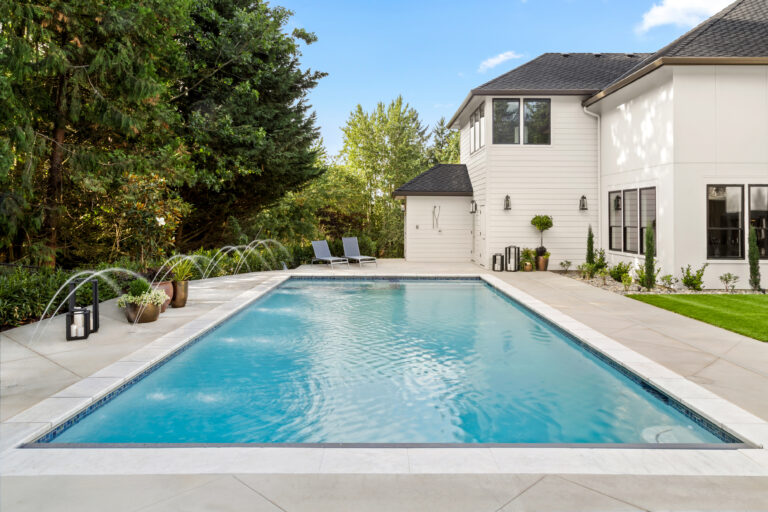
Swimming pools should be places for recreation—not preventable drownings, brain injuries, spinal cord damage, or other life-changing accidents. When a property owner, apartment complex, hotel, homeowners’ association, or pool operator
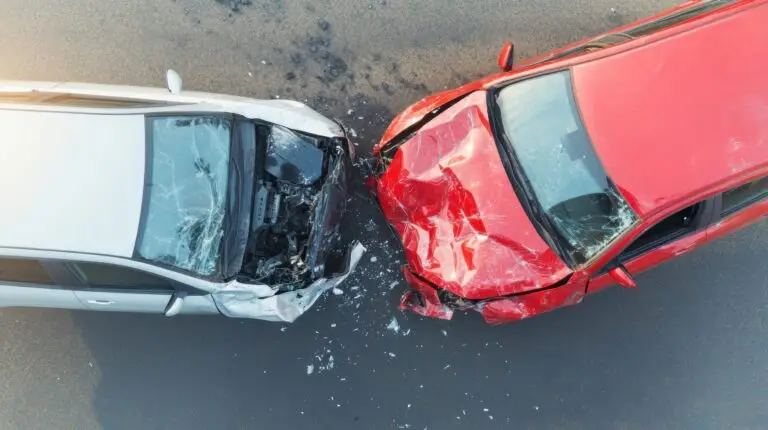
An injured Texas rideshare driver may have claims against another motorist and rights under personal, rideshare, UM/UIM, PIP, vehicle, or optional injury policies.
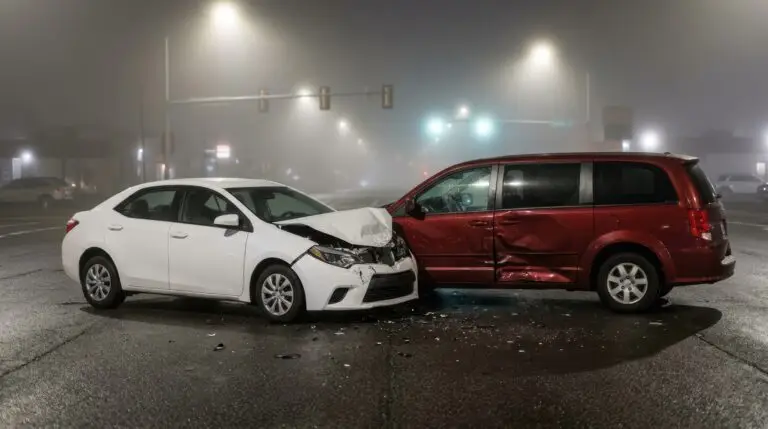
Most Texas Uber and Lyft injury lawsuits have a two-year limitations period, but governmental notice, minors, wrongful death, and policy deadlines can complicate the calculation.
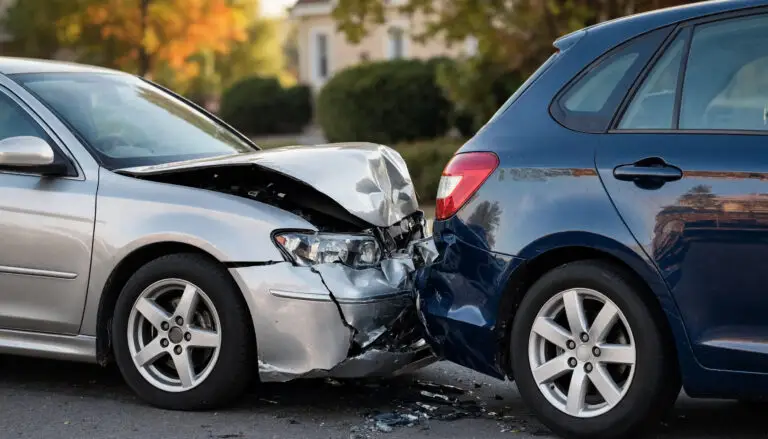
If an Uber or Lyft driver hits your car, bicycle, motorcycle, or you as a pedestrian, liability and coverage depend on fault and the driver’s app status.
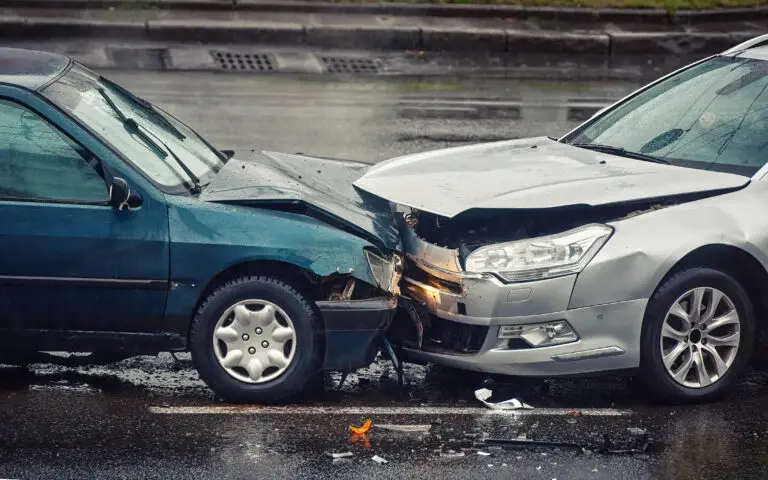
When another motorist causes a Texas rideshare accident, an injured passenger or driver may pursue that motorist while also investigating other available insurance.
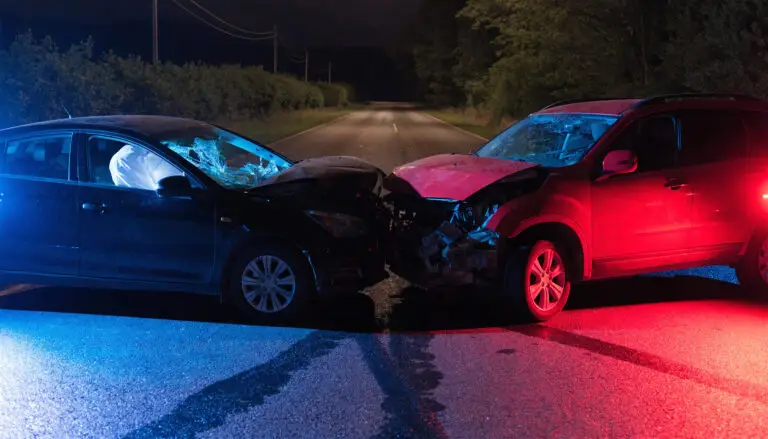
Strong Texas Uber and Lyft accident claims rely on evidence proving fault, app status, insurance coverage, injuries, and damages. Learn what to preserve.
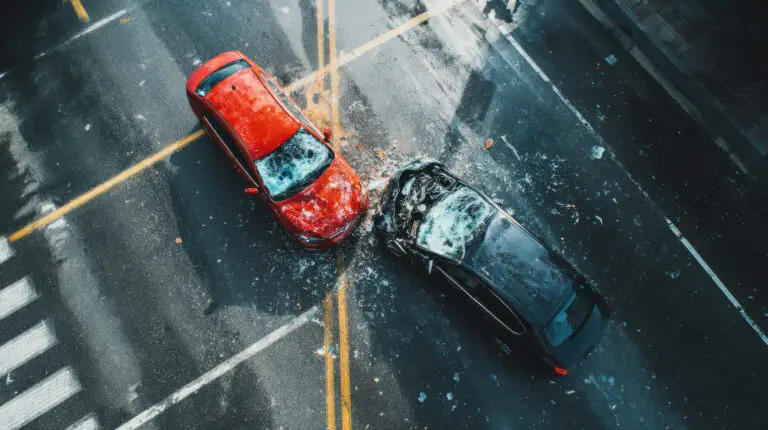
A Texas rideshare accident may support claims against a negligent driver, another motorist, or other responsible parties. Direct claims against Uber or Lyft require a fact-specific legal analysis.
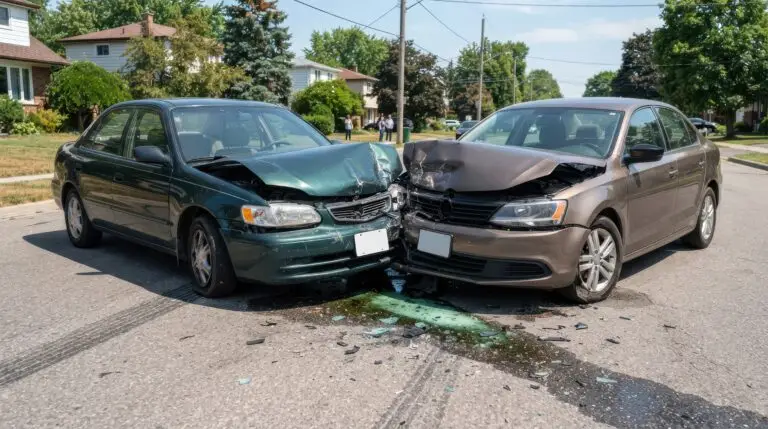
No fixed average determines a Texas Uber or Lyft accident settlement. Learn which medical, financial, insurance, and liability factors affect claim value.