
Seroquel Sedation and Work Limitations in Social Security Disability Claims
TELL US WHAT HAPPENED SO WE CAN HELP. FREE CONSULTATION

Contact Us About Your Case
FREE Consultation Today.
Seroquel Sedation and Work Limitations in Social Security Disability Claims
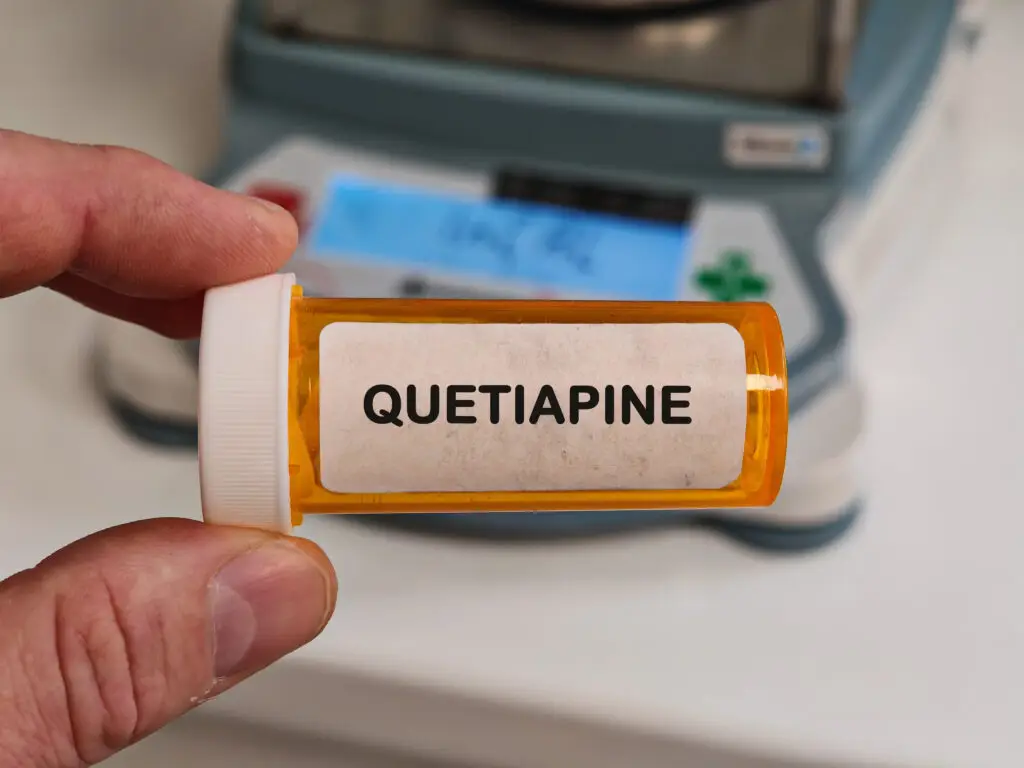
Seroquel, also known as quetiapine, is commonly prescribed for serious mental health conditions such as bipolar disorder, schizophrenia, schizoaffective disorder, depression-related symptoms, sleep disturbance, anxiety symptoms, and mood instability. For many people, Seroquel can help control symptoms. For others, it may cause significant sedation, drowsiness, fatigue, brain fog, slowed thinking, or difficulty waking up.
While Seroquel sedation alone does not automatically qualify someone for Social Security Disability benefits, medication side effects may be important if they are documented and affect the ability to work.
Seroquel sedation may appear in disability claims involving:
- bipolar disorder
- schizophrenia
- schizoaffective disorder
- major depression
- anxiety disorders
- PTSD
- mood swings
- sleep disturbance
- medication side effects
- brain fog
- chronic fatigue
- difficulty concentrating
- memory problems
This guide explains how Seroquel sedation can affect work, how Social Security may evaluate medication side effects, what medical evidence may support a disability claim, and when it may be time to speak with a disability lawyer.

What Is Seroquel?
Seroquel is an antipsychotic medication used to treat certain psychiatric conditions. It may be prescribed as part of treatment for mood, thought, sleep, anxiety, or emotional regulation symptoms.
Doctors may prescribe Seroquel for conditions involving:
- bipolar disorder
- manic episodes
- depressive episodes
- schizophrenia
- schizoaffective disorder
- major depression as part of a broader treatment plan
- severe anxiety symptoms in some cases
- PTSD-related sleep or mood symptoms in some cases
- insomnia or sleep disturbance in some treatment contexts
Medication use alone does not prove disability. However, a medication like Seroquel may show that a person is being treated for a serious mental health condition. The key question is whether the underlying condition, medication side effects, or both prevent the person from sustaining full-time work.
What Is Seroquel Sedation?
Sedation means a medication causes sleepiness, slowed alertness, or reduced mental and physical energy. Seroquel can be sedating for some people, especially depending on dose, timing, formulation, other medications, and individual response.
Seroquel sedation may feel like:
- excessive sleepiness
- difficulty waking up
- morning grogginess
- daytime drowsiness
- mental slowing
- brain fog
- fatigue
- poor concentration
- reduced alertness
- slowed reaction time
- dizziness
- low motivation
- difficulty staying awake
- feeling “drugged” or heavy
For some people, sedation improves with medication adjustments. For others, it remains a significant problem, especially when combined with depression, bipolar disorder, PTSD, chronic fatigue, pain, sleep problems, or other medications.
Can Seroquel Sedation Qualify for Social Security Disability?
Seroquel sedation may support a Social Security Disability claim when it is documented and contributes to work-related limitations.
Social Security generally does not approve benefits based only on a statement like “Seroquel makes me tired.” Instead, SSA evaluates:
- the underlying diagnosis
- why Seroquel was prescribed
- the severity of medication side effects
- whether side effects are documented in medical records
- if the doctor adjusted medication because of sedation
- whether symptoms continue despite treatment
- how sedation affects work functions
- whether the limitations are expected to last at least 12 months
The issue is not the medication by itself. The issue is whether the person can work reliably despite the mental health condition and any medically necessary treatment.
Seroquel sedation may be relevant if it causes:
- inability to wake up consistently
- late arrivals
- missed work
- excessive sleepiness during the day
- off-task time
- reduced pace
- difficulty concentrating
- memory problems
- unsafe driving
- inability to operate machinery
- need for extra breaks
- inability to complete a full workday
If these limitations are severe, persistent, and supported by medical evidence, they may become important in an SSDI or SSI claim.
How Seroquel Sedation Can Affect the Ability to Work
Seroquel sedation can affect both mental and physical work demands.
Difficulty Waking Up and Getting to Work
One of the most practical problems with sedating medication is difficulty waking up and starting the day.
A person may experience:
- sleeping through alarms
- morning grogginess
- delayed reaction time
- inability to drive early in the day
- late arrivals
- missed appointments
- inability to function during morning hours
This may affect jobs with strict start times, early shifts, driving requirements, attendance policies, or production expectations.
Daytime Drowsiness
Daytime drowsiness can interfere with many types of work. A person may struggle to stay alert during meetings, phone calls, computer work, customer service, driving, or repetitive tasks.
Daytime drowsiness may affect:
- attention
- alertness
- productivity
- task completion
- safety
- communication
- ability to stay on schedule
- ability to remain at a workstation
Even sedentary work may be difficult if the person cannot stay awake or alert enough to perform tasks consistently.
Brain Fog and Slowed Thinking
Seroquel sedation may contribute to brain fog or slowed thinking.
This can make it difficult to:
- understand instructions
- remember tasks
- process information quickly
- make decisions
- respond to questions
- complete paperwork
- use a computer efficiently
- maintain pace
- avoid mistakes
Brain fog can be especially important in office jobs, customer service jobs, skilled work, clerical work, healthcare, transportation, and any job requiring attention to detail.
Reduced Pace and Productivity
Sedation may slow a person down. They may be able to complete simple tasks but not at the pace required in competitive employment.
Reduced pace may appear as:
- taking longer to complete tasks
- needing repeated instructions
- making more mistakes
- missing deadlines
- falling behind on quotas
- needing extra time to recover from grogginess
- being less productive during certain parts of the day
At a disability hearing, reduced pace and off-task time may be important vocational issues.
Off-Task Time
Seroquel sedation may cause a person to be off task during the workday.
A person may be off task because they are:
- sleepy
- mentally foggy
- trying to stay awake
- recovering from morning grogginess
- unable to focus
- moving slowly
- confused or forgetful
- dealing with other mental health symptoms
If off-task time is excessive, it may prevent competitive employment.
Safety Concerns
Seroquel sedation may create safety concerns in jobs requiring alertness, coordination, driving, machinery, or quick reactions.
Sedation may affect work involving:
- commercial driving
- delivery driving
- forklifts
- machinery
- heights
- ladders
- sharp tools
- patient care
- childcare
- security work
- emergency response
- warehouse work
- construction
If sedation affects reaction time, balance, alertness, or judgment, work restrictions may be necessary.
Attendance and Reliability
Sedation may affect attendance when it causes late arrivals, missed workdays, early departures, or inability to sustain activity for a full shift.
Attendance problems may occur because of:
- difficulty waking
- medication adjustments
- excessive daytime sleepiness
- mental health flares
- poor sleep quality
- need for psychiatric appointments
- medication side effects
- combined effects of multiple medications
Social Security evaluates whether a person can work reliably, not just whether they can perform some tasks occasionally.
Seroquel Sedation and Residual Functional Capacity
Residual Functional Capacity, or RFC, describes what a person can still do despite medical limitations.
For Seroquel sedation, RFC limitations may involve:
- simple routine tasks
- no fast-paced production work
- no strict quotas
- limited decision-making
- reduced pace
- off-task time
- absences
- no hazardous machinery
- restrictions against commercial driving
- no heights or ladders
- limited public interaction if mental health symptoms are also present
- low-stress work
- extra reminders or redirection
- inability to complete a full workday
The strongest disability claims explain how medication side effects affect specific work functions.
For example:
- Sedation may limit alertness.
- Brain fog may limit concentration and memory.
- Drowsiness may create safety restrictions.
- Morning grogginess may affect attendance.
- Slowed thinking may reduce productivity.
- Fatigue may prevent full-time work.
Seroquel Sedation and Mental Health Conditions
Seroquel sedation is usually only one part of the disability claim. The underlying mental health condition is often the main issue.
Below are common conditions associated with Seroquel treatment that may also support disability claims.
Bipolar Disorder, Seroquel, and Work Limitations
Seroquel is commonly used in bipolar disorder treatment. Bipolar disorder may involve depressive episodes, manic episodes, hypomanic episodes, mixed episodes, mood swings, irritability, poor sleep, impulsivity, and reduced concentration.
Work limitations may include:
- inconsistent attendance
- mood-related productivity changes
- poor stress tolerance
- conflict with others
- difficulty concentrating
- impulsive decisions
- reduced judgment
- medication side effects
- hospitalizations or crisis treatment
Seroquel sedation may add to these limitations by causing grogginess, fatigue, slowed thinking, or difficulty waking.
Depression, Seroquel, and Work Limitations
Major depression can cause fatigue, low motivation, poor concentration, sleep disturbance, social withdrawal, crying spells, and reduced pace.
Seroquel may be part of a treatment plan for some people with depression-related symptoms. Sedation may worsen work limitations when depression already causes fatigue, low energy, or poor concentration.
Work-related limitations may include:
- inability to complete tasks
- reduced pace
- difficulty waking
- missed workdays
- poor concentration
- social withdrawal
- inability to handle stress
- need for breaks
Schizophrenia, Seroquel, and Work Limitations
Seroquel may be prescribed for schizophrenia or schizoaffective disorder. These conditions may cause hallucinations, delusions, disorganized thinking, paranoia, social withdrawal, reduced motivation, and cognitive problems.
Work limitations may include:
- difficulty interacting with others
- confusion
- poor concentration
- difficulty following instructions
- reduced pace
- inconsistent functioning
- inability to tolerate stress
- medication side effects
Sedation may worsen cognitive slowing, social withdrawal, reduced alertness, and pace problems.
Anxiety, PTSD, Seroquel, and Sedation
Some people with anxiety or PTSD may be prescribed Seroquel as part of a broader treatment plan. Anxiety and PTSD can cause panic symptoms, hypervigilance, poor sleep, avoidance, irritability, and difficulty concentrating.
Sedation may create additional limitations, especially if the person already struggles with fatigue, sleep disruption, panic attacks, or social withdrawal.
Work limitations may include:
- difficulty handling stress
- panic attacks
- inability to interact with others
- poor concentration
- missed work
- emotional shutdowns
- fatigue from poor sleep or medication effects
Seroquel Sedation and Other Medication Side Effects
Seroquel sedation may occur with other medication side effects that also affect work.
Possible work-related side effects may include:
- drowsiness
- dizziness
- dry mouth
- blurred vision
- slowed thinking
- fatigue
- weakness
- weight gain
- low blood pressure symptoms
- balance problems
- sleep disruption
- brain fog
- reduced motivation
Some people take multiple medications, and the combined effects may be more limiting than one medication alone.
Medication combinations may involve:
- antidepressants
- anti-anxiety medications
- mood stabilizers
- stimulants
- sleep medications
- neuropathy medications
- pain medications
- anti-seizure medications
Social Security may consider the combined impact of symptoms, treatment, and side effects.
Seroquel Sedation, Driving, and Hazard Restrictions
Sedation may affect driving and workplace safety. This can be important when past work involved transportation, machinery, tools, or hazardous environments.
Potential restrictions may include no:
- commercial driving
- operating heavy machinery
- forklifts
- work at heights
- ladders or scaffolds
- dangerous moving equipment
- safety-sensitive work
- work requiring rapid response
- jobs requiring high alertness throughout the day
These restrictions may be especially important for people whose past work involved driving, warehouse work, construction, manufacturing, healthcare, security, or equipment operation.
Seroquel Sedation and Sedentary Work
Some people assume medication sedation only affects physical jobs. That is not true. Sedentary work can still be difficult if sedation affects attention, memory, pace, and reliability.
Sedentary jobs may require:
- staying awake
- maintaining attention
- typing
- answering phones
- remembering instructions
- completing paperwork
- meeting deadlines
- interacting with others
- handling stress
- maintaining pace
- attending work reliably
Seroquel sedation may interfere with sedentary work if it causes excessive drowsiness, brain fog, off-task time, reduced productivity, or absences.
Medication Side Effects and Social Security Disability
Medication side effects can be relevant in a Social Security Disability claim. However, they need to be documented.
Helpful documentation may include:
- doctor notes mentioning sedation
- reports of morning grogginess
- reports of daytime sleepiness
- dosage changes due to side effects
- medication timing changes
- failed medication trials
- records showing persistent side effects
- provider statements about work limitations
- therapy or psychiatry notes documenting functional problems
A claimant should not stop or change medication without medical advice. But if Seroquel sedation affects work, it is important to tell the treating provider so the issue appears in the medical records.
Medical Evidence That May Support a Claim Involving Seroquel Sedation
Helpful evidence may include:
- psychiatry records
- therapy notes
- primary care records
- medication history
- dosage records
- pharmacy records
- records of medication changes
- records of side effects
- mental status exams
- psychological evaluations
- hospitalization records
- crisis treatment records
- sleep-related records if relevant
- work records showing attendance or performance problems
- provider statements about work restrictions
The strongest evidence connects Seroquel sedation to specific work limitations, such as off-task time, missed work, reduced pace, safety restrictions, or inability to complete a full workday.
Questions to Ask Your Doctor About Seroquel Sedation
If Seroquel sedation affects your ability to work, you may want to discuss it with your medical provider.
Helpful questions may include:
- Could Seroquel be causing my daytime sleepiness?
- Could the dosage or timing be affecting morning grogginess?
- Are my symptoms caused by medication, my condition, or both?
- Are there alternative treatment options?
- Should my side effects be documented in my records?
- Is it safe for me to drive or operate machinery?
- Do I need work restrictions related to sedation or alertness?
- Could my other medications be increasing sedation?
Medical documentation is stronger when side effects are discussed directly with treating providers.
Tracking Seroquel Sedation for a Disability Claim
A symptom or side effect log may help document how sedation affects daily life. A useful log may include:
- time medication is taken
- dose changes
- wake-up time
- morning grogginess
- daytime sleepiness
- naps or rest breaks
- difficulty concentrating
- memory problems
- missed appointments
- late arrivals
- missed work or activities
- dizziness or balance problems
- driving concerns
- side effects after medication changes
- recovery time after sleepiness episodes
A log is not a substitute for medical records, but it may help support treatment notes and testimony.
Examples of Work Limitations From Seroquel Sedation
Seroquel sedation may support disability eligibility when it contributes to limitations such as:
- inability to wake up consistently
- excessive daytime drowsiness
- reduced pace
- off-task time
- difficulty concentrating
- memory problems
- unsafe driving
- inability to operate machinery
- need for unscheduled breaks
- absences or late arrivals
- inability to complete a full workday
- inability to sustain full-time work
At a disability hearing, these limitations may be important because a vocational expert may consider whether a person with those restrictions could sustain competitive employment.
Signs Seroquel Sedation May Be Relevant to Your Disability Claim
You may want to explore disability eligibility if Seroquel sedation occurs along with:
- bipolar disorder
- schizophrenia
- schizoaffective disorder
- major depression
- PTSD
- anxiety
- panic attacks
- severe mood swings
- social withdrawal
- difficulty concentrating
- memory problems
- failed work attempts
- inability to maintain full-time work
When medication side effects and the underlying mental health condition prevent reliable, sustained employment, disability benefits may be available.
When to Speak With a Social Security Disability Lawyer
Claims involving medication side effects can be challenging because Social Security usually needs more than a general complaint of sleepiness. The claim should connect the side effect to medical treatment and work-related limitations.
Many people seek legal help when:
- their disability claim has been denied
- their records do not clearly document side effects
- they take multiple psychiatric medications
- they have bipolar disorder, depression, PTSD, anxiety, or schizophrenia
- sedation affects attendance, pace, or safety
- they have failed attempts to keep working
- they are preparing for a disability hearing
A social security disability attorney can help evaluate how Seroquel sedation fits into the overall claim and what evidence may be needed.

FAQs: Seroquel Sedation and Work Limitations in Social Security Disability Claims
Can Seroquel sedation qualify for Social Security Disability?
Seroquel sedation may support a disability claim if it is documented and contributes to work-related limitations. Social Security evaluates the underlying mental health condition, treatment history, medication side effects, and how symptoms affect the ability to work.
Does taking Seroquel automatically qualify someone for disability?
No. Taking Seroquel alone does not qualify someone for disability benefits. The key issue is whether the underlying condition and any documented medication side effects prevent reliable full-time work.
What Seroquel side effects may affect work?
Work-related side effects may include sedation, drowsiness, fatigue, brain fog, slowed thinking, dizziness, poor concentration, memory problems, morning grogginess, and reduced alertness.
Can Seroquel sedation affect residual functional capacity?
Yes. Seroquel sedation may affect RFC by limiting pace, concentration, memory, alertness, attendance, safety, ability to drive, ability to operate machinery, and ability to complete a full workday.
Can Seroquel sedation prevent sedentary work?
Yes. Sedentary work may still require alertness, attention, memory, pace, attendance, and productivity. If Seroquel sedation causes excessive drowsiness, off-task time, or unreliable attendance, it may affect the ability to perform sedentary work.
What evidence helps prove Seroquel sedation in a disability claim?
Helpful evidence may include psychiatry records, therapy notes, medication history, dosage changes, doctor notes documenting side effects, pharmacy records, mental status exams, provider statements, symptom logs, and records showing failed work attempts.
Should I stop taking Seroquel if it makes me too sleepy?
Do not stop or change Seroquel without talking to your medical provider. If sedation affects your ability to function, tell your doctor so the issue can be evaluated and documented.
What should I do if Seroquel sedation prevents me from working?
You may want to speak with a Social Security Disability attorney to evaluate whether your medical records, medication side effects, mental health symptoms, and work limitations may support a disability claim.
Contact MLF Legal for a Free Disability Case Evaluation
If Seroquel sedation, drowsiness, brain fog, bipolar disorder, schizophrenia, depression, PTSD, anxiety, or another medical condition prevents you from working, you may qualify for Social Security Disability benefits.
MLF Legal represents disability applicants nationwide. Based in Dallas, Texas, we help individuals across the country pursue disability benefits.
Our social security lawyers can review your situation for free and explain your options.
📞 Call MLF Legal at 214-357-1782 to request a free consultation.
Next Steps:
1st Sign up For a Free One-on-One Disability Case Evaluation
Contact us today to schedule your personalized one-on-one free phone consultation with one of our dedicated legal professionals. Our experienced social security lawyers are here to provide the expert legal guidance and support you need throughout the entire process of your case.
We understand the complexities involved in social security disability claims and are committed to helping you achieve the best possible outcome. Don’t hesitate to reach out and take the first step toward securing the justice you deserve.
2nd Download Free E-Books
Social Security Disability
Navigating the Social Security Disability Benefits process can be complex, but understanding the key steps can help. From gathering medical records to completing the application, this process ensures eligible individuals receive the support they need. Seeking guidance from experts can simplify the journey and increase the chances of a successful outcome.
Call MLF Legal today
214-357-1782
Fill out our online form
for a free consultation.
We only get paid if we win your case.