
Humira and Social Security Disability Benefits
TELL US WHAT HAPPENED SO WE CAN HELP. FREE CONSULTATION

Contact Us About Your Case
FREE Consultation Today.
Humira and Social Security Disability Benefits
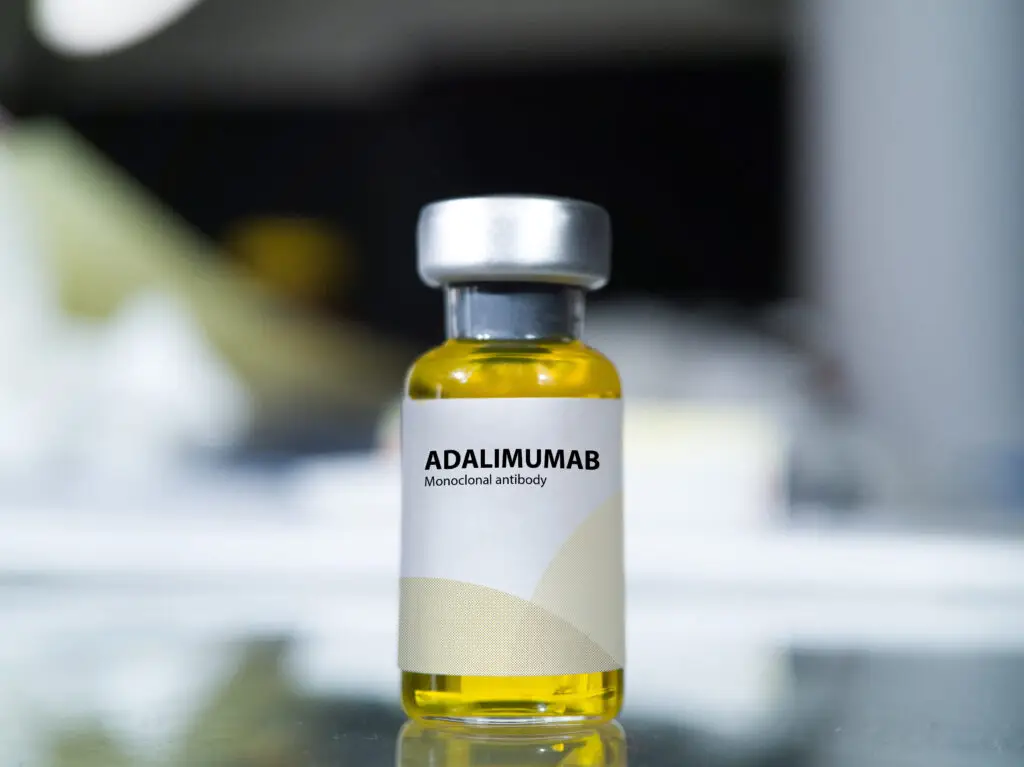
Humira (adalimumab) is a biologic medication used to treat moderate to severe autoimmune diseases. Many people prescribed Humira suffer from chronic inflammatory conditions that can significantly interfere with their ability to work.
While taking Humira does not automatically qualify someone for Social Security Disability benefits, the underlying medical condition requiring treatment may qualify if symptoms prevent a person from maintaining full-time employment.
Conditions commonly treated with Humira—such as rheumatoid arthritis, Crohn’s disease, ulcerative colitis, and psoriatic arthritis—can sometimes qualify for Social Security Disability Insurance (SSDI) or Supplemental Security Income (SSI) benefits when symptoms become severe.
This guide explains:
- what Humira is prescribed for
- symptoms that may interfere with employment
- when autoimmune diseases may qualify for disability benefits
- how Social Security evaluates these claims
If an autoimmune disease is preventing you from working, you may want to explore whether disability benefits are available.

What Is Humira Prescribed For?
Humira is a biologic medication that reduces inflammation by targeting the immune system. Doctors typically prescribe it when autoimmune diseases are moderate to severe and other treatments have not been effective.
Humira is commonly used to treat:
- rheumatoid arthritis
- psoriatic arthritis
- ankylosing spondylitis
- Crohn’s disease
- ulcerative colitis
- plaque psoriasis
Autoimmune diseases occur when the immune system mistakenly attacks healthy tissue, leading to chronic inflammation and tissue damage.
Symptoms of autoimmune conditions may include:
- severe joint pain
- chronic fatigue
- swelling and stiffness
- digestive complications
- skin inflammation
- reduced mobility
These symptoms can make it difficult to maintain consistent employment.
Common Humira Side Effects
Like many biologic medications, Humira can cause side effects that may affect daily functioning.
Common side effects include:
- fatigue
- headaches
- injection site reactions
- increased risk of infection
- nausea
Many individuals taking Humira also experience symptoms caused by their underlying autoimmune disease, including chronic fatigue and pain.
These symptoms can contribute to work limitations.
When Autoimmune Diseases Become Disabling
Autoimmune diseases can progress over time and may cause severe symptoms that interfere with work.
Examples of disabling symptoms include:
- persistent joint pain and inflammation
- extreme fatigue
- digestive problems or frequent bathroom use
- difficulty standing or walking
- limited range of motion in joints
- cognitive problems sometimes referred to as “brain fog”
Some people with autoimmune diseases experience unpredictable flare-ups, making consistent work attendance difficult.
In severe cases, these conditions can prevent a person from maintaining reliable employment.
Can Autoimmune Diseases Qualify for Social Security Disability?
Yes. In some cases, autoimmune diseases may qualify for Social Security Disability benefits.
The Social Security Administration evaluates autoimmune conditions based on:
- medical evidence
- symptom severity
- functional limitations
For example, Social Security may review:
- rheumatology specialist records
- laboratory testing
- imaging studies
- physician treatment notes
- medication history
The agency also evaluates how symptoms affect a person’s ability to perform work activities such as:
- standing or walking
- lifting objects
- using hands for repetitive tasks
- concentrating or maintaining productivity
If symptoms prevent someone from performing full-time work for 12 months or longer, disability benefits may be available.
Medical Evidence That May Support an Autoimmune Disability Claim
Strong medical documentation can be critical in disability claims involving autoimmune diseases.
Evidence may include:
- rheumatology specialist evaluations
- laboratory testing showing inflammation markers
- imaging studies showing joint damage
- colonoscopy or imaging for inflammatory bowel disease
- physician treatment records
- medication history including Humira
Consistent treatment records can help demonstrate the severity and progression of a condition.
Signs Your Autoimmune Condition May Qualify for Disability Benefits
Many people live with autoimmune diseases for years before exploring disability benefits. However, you may want to evaluate your eligibility if your condition causes:
- severe fatigue that limits daily activity
- chronic pain or inflammation
- difficulty standing or walking
- frequent flare-ups that interrupt work
- digestive symptoms requiring frequent breaks
- inability to maintain consistent work attendance
When these symptoms prevent a person from maintaining full-time employment, disability benefits may be available.

FAQs: Humira and Social Security Disability Benefits
Does taking Humira qualify you for Social Security Disability?
No. Taking Humira alone does not qualify someone for Social Security Disability benefits. However, the underlying autoimmune condition requiring the medication may qualify if it prevents a person from working.
What conditions treated with Humira may qualify for disability?
Conditions sometimes treated with Humira that may qualify include:
- rheumatoid arthritis
- Crohn’s disease
- ulcerative colitis
- psoriatic arthritis
- ankylosing spondylitis
Eligibility depends on how symptoms affect a person’s ability to work.
Can rheumatoid arthritis qualify for Social Security Disability?
Yes. Severe rheumatoid arthritis may qualify for disability if joint inflammation and damage significantly limit mobility or the ability to perform work activities.
Can Crohn’s disease qualify for disability benefits?
In some cases, Crohn’s disease may qualify for disability when symptoms such as chronic diarrhea, abdominal pain, weight loss, and fatigue prevent a person from maintaining employment.
What medical evidence supports autoimmune disability claims?
Helpful evidence may include:
- rheumatology evaluations
- laboratory testing
- imaging studies
- colonoscopy results
- physician treatment records
- medication history
When to Speak With a Social Security Disability Lawyer
Applying for disability benefits can be complicated, especially for autoimmune conditions that fluctuate over time.
Many people seek legal help when:
- they are unsure whether their condition qualifies
- their disability application has been denied
- they need help gathering medical evidence
- they are preparing for a disability hearing
An experienced social security lawyer can review your medical records and help determine whether your condition may qualify for benefits.
Contact MLF Legal for a Free Disability Case Evaluation
If an autoimmune disease is preventing you from working, you may qualify for Social Security Disability benefits.
MLF Legal represents Social Security disability applicants nationwide. Our firm is headquartered in Dallas, Texas, and our social security disability lawyers help individuals across the United States pursue disability benefits.
Our team can review your situation and explain your options.
📞 Call MLF Legal at 214-357-1782 to request a free consultation with our social security disability lawyers.
Call MLF Legal today
214-357-1782
Fill out our online form
for a free consultation.
We only get paid if we win your case.