
Hiatal Hernia and Social Security Disability Benefits
TELL US WHAT HAPPENED SO WE CAN HELP. FREE CONSULTATION

Contact Us About Your Case
FREE Consultation Today.
Hiatal Hernia and Social Security Disability Benefits
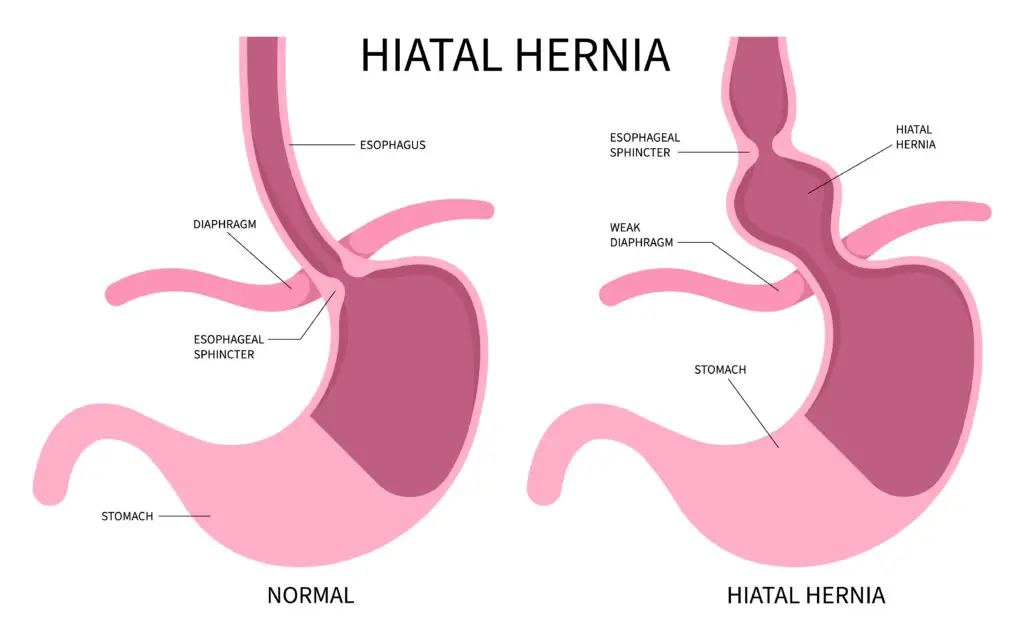
A hiatal hernia is more than occasional heartburn or discomfort — for many Texans, it is a chronic, painful, and disruptive medical condition that affects breathing, digestion, sleep, and the ability to work consistently. A hiatal hernia occurs when part of the stomach pushes upward through the diaphragm into the chest cavity. While some people experience mild symptoms, others suffer from severe reflux, chest pain, difficulty swallowing, chronic coughing, aspiration, and repeated medical complications.
Hiatal hernias are often associated with GERD, esophagitis, Barrett’s esophagus, esophageal strictures, and respiratory issues. Large or paraesophageal hernias can cause serious complications, including obstruction, strangulation, or gastrointestinal bleeding. Many individuals require long‑term medication management, lifestyle restrictions, or surgical repair. Even after surgery, symptoms may persist or recur.
Although hiatal hernias and social security disability claims do not have their own listing in the Social Security Administration’s (SSA) Blue Book, they can qualify for disability benefits when symptoms or complications prevent a person from sustaining full‑time employment.
At MLF Legal, our social security disability lawyers help Americans with hiatal hernias build strong, well‑supported hiatal hernias and social security disability claims that meet SSA’s strict requirements. If a hiatal hernia has made working impossible, call 214‑357‑1782 for help.
Understanding Hiatal Hernias
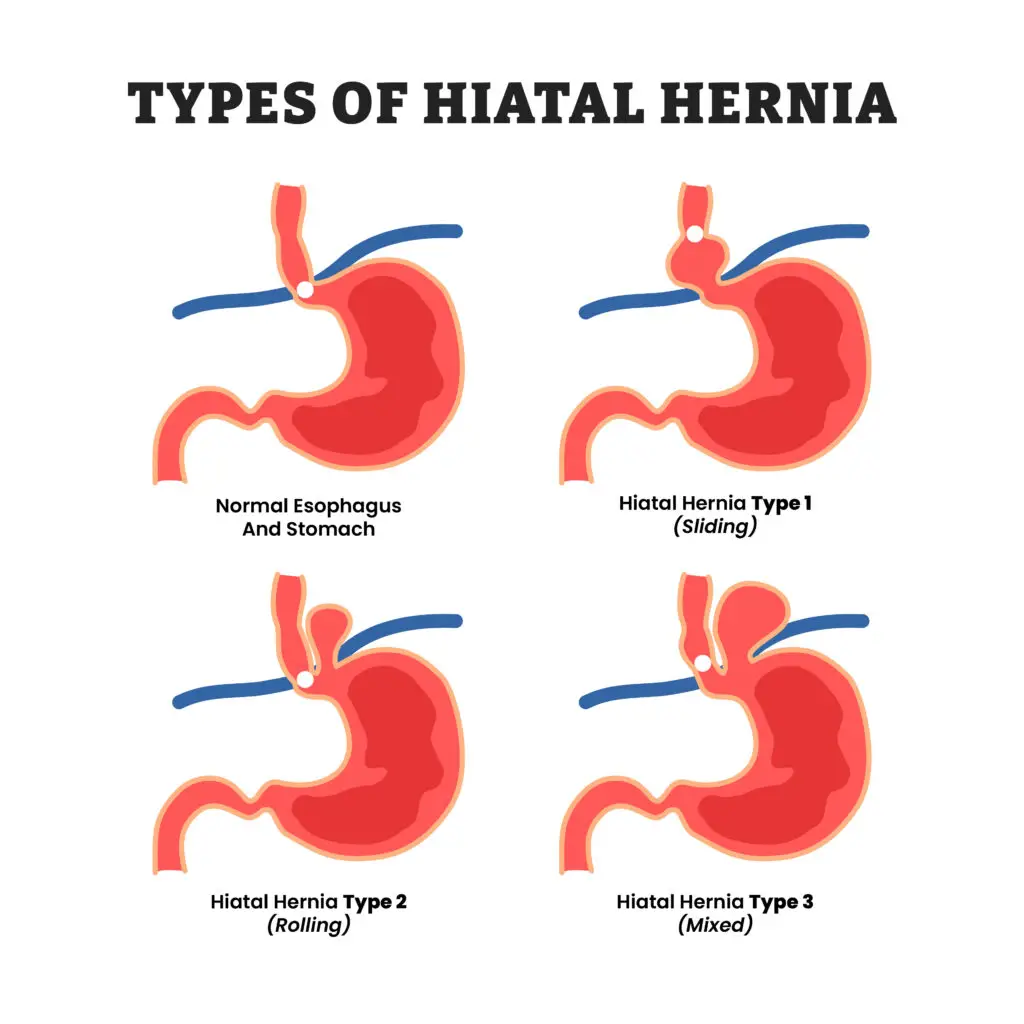
A hiatal hernia occurs when the upper part of the stomach pushes through the diaphragm into the chest cavity. There are two main types:
1. Sliding Hiatal Hernia
The most common type. The stomach slides up into the chest during swallowing or pressure changes.
2. Paraesophageal Hiatal Hernia
Less common but more dangerous. The stomach becomes trapped next to the esophagus and can become strangulated.
Common symptoms include:
Severe heartburn or acid reflux
Chest pain
Difficulty swallowing (dysphagia)
Regurgitation
Chronic coughing
Hoarseness
Shortness of breath
Nausea or vomiting
Bloating
Fatigue
Sleep disruption
Severe cases may involve:
Esophagitis
Barrett’s esophagus
Esophageal strictures
Aspiration pneumonia
GI bleeding
Anemia
Obstruction or strangulation
Surgical repair
These complications can significantly impair a person’s ability to work.
Does a Hiatal Hernia Qualify for Social Security Disability?
Yes — Hiatal Hernias and social security disability claimants can qualify for disability benefits, but not through a dedicated listing. Instead, SSA evaluates hiatal hernias under:
1. Related Listings
A hiatal hernia may be evaluated under:
Listing 5.00 — Digestive Disorders (general)
Listing 5.08 — Weight Loss (if BMI is 17.50 or less)
Listing 3.00 — Respiratory Disorders (if aspiration or breathing issues occur)
Listing 13.00 — Cancer (if complications lead to precancerous changes)
2. Residual Functional Capacity (RFC)
Most hiatal hernias and social security disability claims are approved through RFC, which evaluates:
Pain severity
Ability to swallow safely
Frequency of reflux or regurgitation
Ability to sit, stand, walk, or lift
Ability to maintain attendance
Medication side effects
Impact of bending, lifting, or physical activity
Sleep disruption and fatigue
3. Medical‑Vocational Allowances
SSA considers age, education, and work history when determining whether a person can adjust to other work. This is all part of the sequential evaluation process.
Symptoms of a Hiatal Hernia That Affect Work Ability
Hiatal hernias can interfere with:
Physical Functioning
Pain limiting movement
Difficulty bending or lifting
Fatigue from poor sleep
Shortness of breath
Weakness from anemia or malnutrition
Cognitive Functioning
Difficulty concentrating
Brain fog from pain or medications
Sleep‑related cognitive impairment
Attendance
Frequent medical appointments
Flare‑ups requiring rest
Emergency visits for chest pain or aspiration
Safety
Risk of aspiration
Dizziness from anemia
Chest pain that interrupts tasks
Medical Evidence Needed for a Hiatal Hernia Disability Claim
SSA requires strong documentation, including:
Endoscopy results
Imaging studies (CT, MRI, barium swallow)
Esophageal manometry
pH monitoring
Documentation of reflux or aspiration
Notes from gastroenterologists or surgeons
Surgical reports (if applicable)
Weight records
Nutritional assessments
Hospitalization records
MLF Legal helps clients gather and organize this evidence to build a compelling claim.
How a Hiatal Hernia Limits Work Capacity
SSA evaluates how your condition affects:
Ability to work without severe pain
Ability to eat enough to maintain energy
Ability to perform physical tasks
Ability to maintain regular attendance
Ability to concentrate despite discomfort
Ability to work without risk of aspiration or choking
Chronic pain, reflux, and breathing issues are often the most disabling symptoms.
FAQs: Hiatal Hernia and Social Security Disability Benefits
Can a hiatal hernia qualify for disability?
Yes. Severe hiatal hernias can qualify if symptoms prevent full‑time work.
Does SSA have a listing for hiatal hernias?
No, but they can qualify under related listings or through RFC.
Can a hiatal hernia cause long‑term complications?
Yes. Complications include reflux, aspiration, strictures, and anemia.
Do I need imaging to prove my claim?
Yes. Imaging studies and endoscopy results are essential evidence.
Can a hiatal hernia cause weight loss that supports a disability claim?
Yes. Weight loss and malnutrition are strong evidence of impairment.
How MLF Legal Strengthens IBS Disability Claims
Our team focuses on:
Documenting the frequency and severity of symptoms
Demonstrating how reflux and pain affect work performance
Obtaining detailed statements from treating physicians
Highlighting complications such as aspiration or strictures
Preparing clients for SSA interviews and disability hearings
Appealing denials with strong medical and legal arguments
We understand the complexity of hiatal hernias and know how to present your case effectively.
When to Apply for Disability Benefits
You should consider applying if:
You cannot maintain full‑time work
You experience severe reflux or chest pain
You have difficulty swallowing
You experience aspiration or breathing issues
You require surgery or have long‑term complications
Your symptoms persist despite treatment
If you’re unsure whether you qualify, MLF Legal can evaluate your case.
Call MLF Legal for Help With Your Hiatal Hernia Disability Claim
A hiatal hernia can make working impossible. You deserve support and financial stability.
Call MLF Legal at 214‑357‑1782 to get help filing your claim or appealing a denial.
1st
Sign up For a Free One-on-One Social Security Disability Case Evaluation
Get a Legal Opinion
Contact us today to schedule your personalized one-on-one free phone consultation with one of our dedicated legal professionals. Our experienced social security lawyers are here to provide the expert legal guidance and support you need throughout the entire process of your case.
We understand the complexities involved in social security disability claims and are committed to helping you achieve the best possible outcome. Don’t hesitate to reach out and take the first step toward securing the justice you deserve.
2nd
Download Free E-Books
Social Security Disability
Navigating the Social Security Disability Benefits process can be complex, but understanding the key steps can help. From gathering medical records to completing the application, this process ensures eligible individuals receive the support they need. Seeking guidance from experts can simplify the journey and increase the chances of a successful outcome.
Call MLF Legal today
214-357-1782
Fill out our online form
for a free consultation.
We only get paid if we win your case.