
What Happens When Another Driver Causes Your Uber or Lyft Accident?
FREE CONSULTATION
Contact Us About Your Case
FREE Consultation Today.
What Happens When Another Driver Causes Your Uber or Lyft Accident?
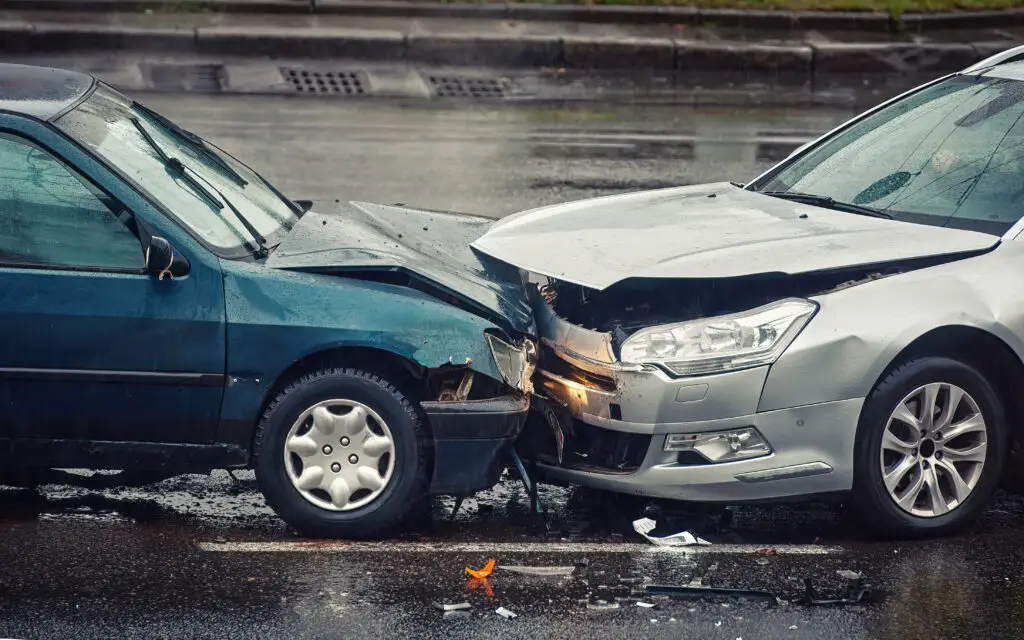
When another driver causes your Uber or Lyft accident in Texas, you may bring a claim against that driver and the driver’s liability insurer. If the negligent driver has no insurance, too little insurance, or leaves the scene, uninsured or underinsured motorist coverage may provide another source of recovery. Depending on the evidence, the rideshare driver or another party may also share responsibility.
Being an Uber or Lyft passenger does not mean your only claim is against the rideshare driver or company. The evidence—not the name on the app—determines who should be held responsible.
MLF Legal investigates every driver, policy, and potential defendant after a rideshare collision. Learn more from our Texas rideshare injury attorneys or contact MLF Legal for a free consultation.
Who Is Responsible When Another Driver Hits an Uber or Lyft?
A driver who causes a collision through negligence may be responsible for the resulting injuries and losses. Examples include:
- Running a red light or stop sign
- Making an unsafe turn
- Following too closely
The injured person must prove that the other driver failed to use reasonable care, caused the collision, and produced legally compensable damages.
Can an Uber or Lyft Passenger File a Claim Against the Other Driver?
Yes. A rideshare passenger may pursue the motorist whose negligence caused the crash. The passenger does not have to choose the rideshare driver simply because that was the vehicle carrying the passenger.
Passengers are rarely responsible for how either vehicle was driven. However, they still need evidence showing:
- How the crash occurred
- Which driver or drivers were negligent
- That the collision caused or aggravated the injuries
- The amount of medical, income, and other damages
MLF Legal’s article on passenger rights in Texas rideshare accidents explains additional passenger issues.
What If Both Drivers Blame Each Other?
This is common. The other motorist may blame the rideshare driver, while the rideshare driver says the other vehicle caused everything. Their insurers may each deny or delay responsibility.
Evidence that can resolve the dispute includes:
- The police report
- Witness statements
- Damage patterns
- Traffic-signal timing
- Cellphone evidence when legally obtained
- GPS and route information
An injured passenger may present claims to more than one insurer while fault is investigated. Filing against all potentially responsible parties can protect the claim when the evidence has not yet established the final allocation.
Can Both the Other Driver and the Rideshare Driver Be Liable?
Yes. More than one driver can contribute to a crash. For example, another motorist may make an unsafe lane change while the rideshare driver is speeding or looking at the app.
Texas uses proportionate responsibility. A factfinder may assign percentages of responsibility to multiple people or entities. Texas Civil Practice and Remedies Code Chapter 33 governs proportionate-responsibility issues in covered cases.
An injured passenger’s damages may potentially be pursued against more than one responsible party, subject to Texas law, insurance, and the facts.
Which Insurance Pays First?
When another motorist causes the crash, that driver’s liability insurance is usually the primary source for the third-party claim. Texas drivers are generally required to carry at least:
- $30,000 for bodily injury to one person
- $60,000 for bodily injury to two or more people in one accident
- $25,000 for property damage
These limits are often called 30/60/25 coverage. The Texas Department of Insurance auto guide explains the state’s basic automobile coverages.
Minimum limits may be inadequate when several people are injured or one person suffers catastrophic harm. Other policies must then be investigated.
Does Uber or Lyft Insurance Still Matter?
Potentially. Even when another driver caused the crash, the rideshare vehicle’s coverage and the driver’s app status may still matter.
Relevant questions include:
- Was the rideshare driver offline?
- Was the driver logged in and waiting for a request?
- Had the driver accepted the passenger’s trip?
- Was the passenger already in the vehicle?
- Does an applicable policy provide UM/UIM, PIP, MedPay, or other first-party protection?
- Did the rideshare driver share any responsibility?
Texas’s rideshare insurance framework appears in Texas Insurance Code Chapter 1954 and Texas Occupations Code Chapter 2402.
For a detailed explanation of each period, read How Does Uber and Lyft Insurance Work After a Texas Accident?.
What If the Other Driver Has No Insurance?
An uninsured driver may still be legally liable, but collecting directly from an individual can be difficult. Uninsured motorist coverage, commonly called UM coverage, may provide a practical source of recovery.
Texas insurers must generally offer UM/UIM coverage unless the named insured rejects it in writing. The requirement appears in Texas Insurance Code § 1952.101.
Potentially applicable UM coverage may exist under:
- A policy covering the rideshare vehicle
- The passenger’s own automobile policy
- A resident relative or household policy
- Another policy under which the injured person qualifies as an insured
Coverage should not be assumed. The policies, written rejections, definitions, exclusions, and insured status must be reviewed.
What If the Other Driver Does Not Have Enough Insurance?
Underinsured motorist coverage, or UIM, may apply when the negligent driver has liability insurance but the available amount is insufficient to compensate the injured person’s proven damages.
The Texas Department of Insurance explains that UM/UIM coverage may address medical bills, pain and suffering, property damage, and other covered losses when the other motorist has little or no insurance.
UIM benefits are not automatic. Disputes can concern:
- Whether the claimant is an insured
- Whether coverage was rejected
- The amount of actual damages
- Credits for other insurance payments
- Policy conditions
- Whether the other driver was legally responsible
An attorney should examine every potentially applicable policy before the claimant signs releases or finalizes the liability claim.
What Happens in a Hit-and-Run Rideshare Accident?
If the other driver leaves the scene, call 911 immediately and provide every available detail, including:
- Vehicle make, model, and color
- License-plate information
- Direction of travel
- Description of the driver
- Visible vehicle damage
- Photographs or video
- Witness information
Ask nearby businesses and property owners to preserve surveillance footage. Dashcam recordings and roadway cameras may help identify the vehicle.
UM coverage may apply to a qualifying hit-and-run claim. The Texas Department of Insurance provides additional hit-and-run coverage guidance.
What If the Other Driver’s Insurer Denies Fault?
An insurance denial is not a court judgment. The insurer may rely on its driver’s account, incomplete evidence, or an argument that the rideshare driver caused the collision.
A claimant can respond with:
- Physical evidence
- Independent witnesses
- Video
- Vehicle data
- Expert analysis
- Applicable traffic laws
- Medical evidence establishing injury causation
The claim may be presented against another responsible driver or applicable first-party insurer while the dispute continues. Litigation may be necessary when voluntary negotiations fail.
Who Pays Medical Bills While Fault Is Being Investigated?
The other driver’s liability insurer usually does not pay each bill as treatment occurs. The injured person may need to use:
- Health insurance
- Personal injury protection
- Medical payments coverage
- Other available benefits
- A provider arrangement or letter of protection
The liability claim may later include recoverable medical expenses through a settlement or judgment. Reimbursement rights and liens may affect the final distribution.
Read Who Pays Medical Bills After an Uber or Lyft Accident in Texas? for a complete explanation.
What Compensation May Be Available?
Depending on the evidence, an injured passenger or driver may seek compensation for:
The amount depends on fault, injuries, medical proof, future needs, available insurance, and other case-specific factors. The policy limit is not the automatic value of the claim.
For more information, read How Much Is an Uber or Lyft Accident Claim Worth in Texas?.
What Evidence Should You Preserve?
Preserve evidence from both the rideshare trip and the collision:
- Police-report information
- Driver and witness contact details
- Photographs and video
- Rideshare driver profile
- Trip receipt and route
- App messages
- GPS information
- Insurance cards
- Medical records and bills
- Wage-loss documentation
- Correspondence from every insurer
Electronic data and surveillance video may be overwritten. Send preservation requests promptly when necessary.
See MLF Legal’s guide, What Evidence Do You Need for a Texas Rideshare Accident Claim?.
What Should You Do Immediately After the Crash?
Take these steps when possible:
- Call 911.
- Seek prompt medical care.
- Photograph the vehicles and scene.
- Save the Uber or Lyft trip information.
- Collect information from every driver and witness.
- Report the collision through the rideshare app.
- Keep copies of every claim number and communication.
- Avoid recorded statements and broad medical authorizations until you understand the request.
- Do not accept an early settlement before the injuries and coverage are known.
- Contact a Texas rideshare accident lawyer.
For additional guidance, read What to Do After an Uber or Lyft Accident in Texas.
Do You Sue the Other Driver, Uber, Lyft, or Everyone?
The proper defendants depend on the evidence. A claim may involve:
- The other negligent motorist
- The rideshare driver
- A vehicle owner
- An employer
- Another responsible company
- A direct claim against Uber or Lyft when supported by the facts and law
Making a claim under insurance maintained for rideshare activity is not the same as proving direct negligence by Uber or Lyft. Read Can You Sue Uber or Lyft After an Accident in Texas? for the distinction.
How Long Do You Have to File a Texas Claim?
Texas generally requires a personal injury lawsuit to be filed within two years after the claim accrues under Texas Civil Practice and Remedies Code § 16.003.
Exceptions and earlier notice requirements may apply. Insurance negotiations do not necessarily extend the deadline. Evidence can disappear long before the limitations period expires.
How MLF Legal Can Help
Our Personal Injury Lawyers can:
- Investigate both drivers’ conduct
- Preserve app, video, vehicle, and location evidence
- Identify every potentially responsible party
- Determine the rideshare driver’s app status
- Obtain liability, rideshare, and UM/UIM policies
- Address conflicting accounts and coverage denials
- Document medical expenses, lost income, and future damages
- Identify liens and reimbursement claims
- Negotiate with multiple insurers
- File suit and prepare the case for trial when necessary
Our Texas personal injury lawyers and Texas car accident attorneys handle claims involving several drivers and insurers.
Contact an MLF Legal Texas Rideshare Accident Attorney
When another driver causes an Uber or Lyft crash, the claim can involve several insurers and competing accounts. MLF Legal can investigate the evidence, locate available coverage, and pursue compensation from those responsible.
MLF Legal represents injured passengers, rideshare drivers, pedestrians, cyclists, and motorists throughout Dallas, Fort Worth, North Texas, and across Texas.
Call the Texas rideshare accident attorneys at MLF Legal at 214-357-1782 or 817-496-3447, or schedule a free consultation. Se habla español.
FAQs: What Happens When Another Driver Causes Your Uber or Lyft Accident?
Yes. A passenger may pursue the driver whose negligence caused the collision. Claims may also exist against other responsible parties.
Both may share liability. Texas law allows responsibility to be allocated among multiple parties based on the evidence.
Possibly, depending on the driver’s app status, the policy, and available first-party coverages. The other driver’s liability policy is usually the primary target when that driver caused the crash.
Minimum limits may be insufficient. Underinsured motorist coverage and other responsible parties or policies should be investigated.
Potentially. Your policy or a household policy may provide PIP, MedPay, or UM/UIM benefits if you qualify as an insured and the coverage was not rejected.
Call police, document everything, identify witnesses and cameras, and report the hit-and-run. UM coverage may apply under a qualifying policy.
Do not settle before understanding the diagnosis, future treatment, wage loss, all available policies, and liens. Signing a release generally ends the claim.
Clear fault does not resolve injury causation, damages, policy limits, liens, or coverage. Multiple insurers may still dispute what they owe.
Injured at work in Texas and your employer doesn’t have workers’ comp?
You may have the right to sue and recover full compensation.
Contact MLF Legal today for a free consultation. You pay nothing unless we win your case.
Call MLF Legal today
214-357-1782
Fill out our online form
for a free consultation.
We only get paid if we win your case.