
Residual Functional Capacity for Heart Failure When Filing for Social Security Disability
TELL US WHAT HAPPENED SO WE CAN HELP. FREE CONSULTATION

Contact Us About Your Case
FREE Consultation Today.
Residual Functional Capacity for Heart Failure When Filing for Social Security Disability
Heart failure can affect nearly every part of a person’s ability to work. It may limit walking, standing, lifting, climbing stairs, staying on task, maintaining pace, attending work reliably, and completing a full workday. For many people, the most important issue in a Social Security Disability claim is not just the diagnosis of heart failure, but the person’s residual functional capacity.
Residual Functional Capacity, often called RFC, is Social Security’s assessment of what a person can still do despite medical impairments.
RFC for heart may involve limitations related to:
- shortness of breath
- fatigue
- weakness
- swelling in the legs or feet
- dizziness
- chest discomfort
- reduced exercise tolerance
- need for rest breaks
- medication side effects
- hospitalizations
- emergency room visits
- absences
- difficulty sustaining full-time work
A diagnosis of heart failure does not automatically qualify someone for Social Security Disability benefits. Social Security evaluates whether the condition, symptoms, treatment, and functional limitations prevent reliable full-time employment.
This guide explains how RFC applies to heart failure claims, what limitations may matter, what medical evidence may help, and when it may be time to speak with a social security disability lawyer.
What Is Residual Functional Capacity?
Residual Functional Capacity is Social Security’s evaluation of the most a person can still do despite physical and mental limitations.
In a heart failure claim, RFC may address whether a person can:
- sit
- stand
- walk
- lift
- carry
- climb stairs
- bend
- maintain pace
- stay on task
- work around hazards
- tolerate heat or exertion
- attend work reliably
- complete a normal workday and workweek
Residual functional capacity for heart failure cases is important because many disability claims are not approved by meeting a Blue Book listing alone. Instead, Social Security may decide the case by asking whether the claimant can perform past work or adjust to other work.
For heart failure, RFC often becomes the bridge between the medical diagnosis and the real-world question: Can this person sustain competitive employment?
Why RFC Matters in Heart Failure Disability Claims
Heart failure claims often involve symptoms that fluctuate. A person may look stable at a medical appointment but become short of breath walking across a parking lot, climbing stairs, standing too long, or trying to complete a full day of activity.
RFC matters because Social Security must consider what the person can do on a regular and continuing basis.
A heart failure claimant may have difficulty with:
- walking more than short distances
- standing for extended periods
- lifting or carrying weight
- climbing stairs
- maintaining energy through the day
- recovering after exertion
- avoiding dizziness or near-syncope
- staying focused despite fatigue
- attending work after flare-ups or hospitalizations
The strongest disability claims connect heart failure symptoms to specific work restrictions.
For example:
- Shortness of breath may limit walking, standing, lifting, and pace.
- Fatigue may require rest breaks or reduce productivity.
- Swelling may limit standing, walking, and sitting tolerance.
- Dizziness may require hazard restrictions.
- Medication side effects may affect alertness and attendance.
- Hospitalizations may support absence-related limitations.
Heart Failure Symptoms That May Affect RFC
Heart failure can cause several symptoms that affect work capacity. Social Security should evaluate the combined effect of all symptoms, not just one test result.
Common work-related symptoms may include:
- shortness of breath
- fatigue
- weakness
- chest discomfort
- swelling in the legs, ankles, or feet
- rapid weight gain from fluid retention
- dizziness
- lightheadedness
- palpitations
- reduced stamina
- difficulty lying flat
- sleep disruption
- brain fog
- poor concentration
- reduced tolerance for heat or exertion
These symptoms may affect both physical jobs and sedentary jobs.
Shortness of Breath and Heart Failure RFC
Shortness of breath is one of the most important symptoms in a heart failure RFC assessment.
That’s because shortness of breath may limit the ability to:
- walk across a workplace
- climb stairs
- stand for long periods
- lift and carry objects
- bend or stoop
- speak for long periods
- work at a consistent pace
- tolerate exertion
- complete a full workday
A claimant may appear comfortable while sitting in a doctor’s office but become short of breath with ordinary activity. That difference matters.
Helpful evidence may include:
- reports of dyspnea on exertion
- cardiology notes
- physical exam findings
- oxygen saturation readings
- exercise tolerance testing
- stress test results
- emergency room records
- hospitalizations
- reports of difficulty walking, climbing stairs, or completing daily tasks
Fatigue and Heart Failure RFC
Fatigue can be disabling in heart failure claims. It may come from reduced cardiac output, poor circulation, fluid overload, poor sleep, medication effects, deconditioning, anemia, depression, or other medical conditions.
Fatigue may affect RFC by limiting:
- stamina
- pace
- concentration
- ability to work full shifts
- ability to work consecutive days
- need for rest breaks
- ability to recover after activity
- attendance and reliability
A person with heart failure may be able to perform limited activity briefly but may not be able to sustain activity throughout a normal workday.
For example, someone may be able to prepare a meal or attend a doctor’s appointment but be unable to maintain the pace, attendance, and stamina required for competitive employment.
Swelling, Fluid Retention, and RFC
Heart failure may cause swelling in the legs, ankles, feet, or abdomen. Fluid retention can affect comfort, stamina, mobility, and posture.
Swelling may affect work by causing:
- difficulty standing
- difficulty walking
- leg heaviness
- foot pain
- need to elevate the legs
- difficulty wearing work shoes
- reduced sitting tolerance
- increased fatigue
- increased shortness of breath
- need for medication adjustments
Leg elevation can be especially important in an RFC assessment. If a person needs to elevate their legs during the workday, Social Security may need to consider whether that need is compatible with competitive employment.
Medical records should document swelling, edema, fluid retention, weight changes, diuretic adjustments, and any physician recommendations for leg elevation.
Dizziness, Lightheadedness, and Safety Restrictions
Heart failure, arrhythmias, low blood pressure, medication side effects, or reduced circulation may cause dizziness or lightheadedness.
Dizziness may create RFC limitations involving:
- no ladders
- no scaffolds
- absolutely no unprotected heights
- no dangerous machinery
- no commercial driving
- limited safety-sensitive work
- limited standing or walking
- need for position changes
- need for breaks during symptoms
Dizziness is especially important if the person has syncope, near-syncope, falls, or episodes that occur unpredictably.
Chest Pain, Angina, and Exertional Limits
Some people with heart failure also have coronary artery disease or ischemic heart disease. Chest pain or angina may limit exertion and work pace.
Chest symptoms may affect RFC by limiting:
- lifting
- carrying
- climbing
- walking quickly
- prolonged standing
- physically demanding work
- stressful work
- work in extreme temperatures
- work requiring rapid emergency response
If chest pain occurs with activity, stress, or exertion, medical records should document the triggers, frequency, treatment, and recovery time.
Heart Failure and Walking Limitations
Walking limitations are often central to residual functional capacity for heart failure determinations.
A person may be limited by:
- shortness of breath
- fatigue
- leg swelling
- weakness
- dizziness
- low oxygen levels
- chest discomfort
- poor endurance
Helpful evidence may include documentation of:
- how far the person can walk
- whether they need to stop and rest
- stair tolerance
- gait observations
- exercise testing
- cardiac rehabilitation records
- functional capacity evaluations
- provider statements about exertional limitations
Walking limitations may prevent physical work, but they can also affect sedentary work if the person cannot get to the workstation, restroom, parking lot, meetings, or appointments without excessive fatigue or symptoms.
Heart Failure and Standing Limitations
Standing can be difficult for people with heart failure, especially when fatigue, swelling, dizziness, or shortness of breath is present.
Standing limitations may affect jobs involving:
- retail
- food service
- healthcare
- security
- manufacturing
- warehouse work
- teaching
- maintenance
- construction
- delivery
- assembly work
A person may need to alternate sitting and standing, take breaks, avoid prolonged standing, or elevate their legs.
If standing tolerance is limited, the medical evidence should explain how long the person can stand and what symptoms occur when they stand too long.
Heart Failure and Lifting or Carrying Restrictions
Heart failure may limit lifting and carrying because exertion can increase shortness of breath, fatigue, chest symptoms, dizziness, or palpitations.
RFC restrictions may include limits on:
- heavy lifting
- frequent lifting
- carrying objects while walking
- pushing
- pulling
- overhead work
- repetitive exertion
- fast-paced physical activity
Lifting restrictions are especially important for claimants whose past work involved construction, warehouse work, delivery, nursing, retail stocking, maintenance, housekeeping, food service, or manufacturing.
Heart Failure and Climbing Stairs
Climbing stairs is often difficult for people with heart failure because it increases exertional demand.
Stair limitations may affect:
- access to workplaces
- warehouse jobs
- delivery jobs
- maintenance work
- construction work
- healthcare jobs
- emergency response work
- security jobs
- jobs requiring movement between floors
A claimant may need restrictions on climbing stairs, ramps, ladders, scaffolds, or uneven surfaces.
Heart Failure and Heat, Cold, and Environmental Restrictions
Heart failure symptoms may worsen with heat, humidity, cold, poor air quality, or physically demanding environments.
Environmental restrictions may involve avoiding:
- extreme heat
- extreme cold
- high humidity
- poor ventilation
- fumes
- heavy dust
- smoke
- strenuous outdoor work
- temperature extremes
- high-stress emergency environments
These restrictions can affect work in construction, landscaping, warehouses, factories, kitchens, delivery, outdoor labor, maintenance, and industrial settings.
Heart Failure and Oxygen Use
Some people with advanced heart failure or overlapping lung disease may require supplemental oxygen. Oxygen use can affect work capacity.
Social Security may consider:
- whether oxygen is prescribed
- whether oxygen is used continuously or with exertion
- oxygen saturation readings
- how oxygen equipment affects mobility
- whether oxygen is compatible with the workplace
- whether oxygen creates safety restrictions
- if the person also has COPD, pulmonary hypertension, or respiratory failure
Oxygen use may support RFC limitations involving walking, lifting, hazards, pace, and environmental exposure.
Heart Failure, Brain Fog, and Concentration Problems
Heart failure may contribute to cognitive problems through fatigue, poor sleep, low oxygen, medication side effects, depression, anxiety, or reduced stamina.
Cognitive symptoms may affect work by causing:
- reduced attention
- slower pace
- mistakes
- memory problems
- difficulty completing tasks
- difficulty handling stress
- off-task time
- inability to maintain productivity
These limitations may be especially important for sedentary work, office work, customer service, clerical work, healthcare work, and jobs requiring concentration or detailed tasks.
Heart Failure, Sleep Problems, and RFC
Heart failure can interfere with sleep. Some people experience shortness of breath when lying flat, wake up gasping, or need to sleep propped up. Others have sleep apnea, nighttime urination from diuretics, or poor sleep due to anxiety or discomfort.
Poor sleep may worsen:
- fatigue
- concentration
- mood
- stamina
- pain sensitivity
- daytime sleepiness
- pace
- attendance
If sleep disruption affects work, it should be documented in treatment records.
Heart Failure Medications and RFC
Medication history is important in heart failure disability claims. It may show the seriousness of the condition and the need for ongoing treatment.
Common medications may include:
- beta blockers
- ACE inhibitors
- ARBs
- ARNIs
- diuretics
- mineralocorticoid receptor antagonists
- SGLT2 inhibitors
- anticoagulants when appropriate
- antiarrhythmic medications
- blood pressure medications
Examples may include:
- Entresto
- Metoprolol
- Carvedilol
- Eliquis
- Lasix or other diuretics
- Spironolactone
- Jardiance or Farxiga in some treatment plans
Medication use alone does not prove disability. The RFC question is whether symptoms, side effects, or treatment demands prevent full-time work.
Medication Side Effects and Heart Failure RFC
Medication side effects may affect RFC if they are documented and interfere with work.
Possible side effects may include:
- fatigue
- dizziness
- low blood pressure symptoms
- frequent urination from diuretics
- dehydration
- weakness
- brain fog
- lightheadedness
- slow heart rate
- electrolyte issues
- increased restroom needs
- medication-related monitoring appointments
For example:
- Diuretics may increase restroom frequency.
- Beta blockers may contribute to fatigue or dizziness.
- Blood pressure medications may cause lightheadedness.
- Anticoagulants may create bleeding precautions.
- Medication adjustments may require frequent follow-up.
Social Security may consider side effects when they affect attendance, pace, safety, or ability to remain at a workstation.
Heart Failure, Diuretics, and Restroom Breaks
Diuretics are commonly used in heart failure to help reduce fluid retention. They may increase urination, especially after dosing.
Restroom-related limitations may include:
- frequent restroom breaks
- urgency
- difficulty staying at a workstation
- need to plan activities around medication timing
- risk of dehydration
- fatigue from fluid shifts
- interrupted sleep from nighttime urination
If diuretic use creates work limitations, records should document the medication, timing, symptoms, and functional effects.
Heart Failure, Hospitalizations, and Absences
Heart failure can lead to emergency care or hospitalization, especially during decompensation, fluid overload, arrhythmias, chest pain, or worsening shortness of breath.
Absence-related evidence may include:
- emergency room visits
- hospital admissions
- medication adjustments
- IV diuresis
- cardiology follow-up
- cardiac rehabilitation
- recurring exacerbations
- recovery time after hospitalization
- missed work records
- provider statements about likely absences
A person may be unable to maintain competitive employment if heart failure causes repeated absences or unpredictable episodes.
Heart Failure and Sedentary Work
Social Security may deny a heart failure claim by finding that the person can perform sedentary work. But sedentary work is not always realistic.
Sedentary jobs still require:
- regular attendance
- staying on task
- maintaining pace
- sitting upright
- walking to and from the workstation
- walking to restrooms
- interacting appropriately
- handling stress
- completing a full workday
- completing a full workweek
Heart failure may prevent sedentary work if the person needs excessive breaks, cannot maintain stamina, experiences severe fatigue, has frequent restroom needs, needs leg elevation, misses work due to symptoms, or cannot stay on task because of shortness of breath or fatigue. Age can also be a factor when an applicant has a sedentary ability to work.
Heart Failure and Past Work
RFC is used to decide whether a person can return to past work.
Heart failure may prevent past work involving:
- heavy lifting
- prolonged standing
- walking throughout the day
- climbing stairs or ladders
- carrying tools or equipment
- production pace
- outdoor work
- heat exposure
- emergency response
- commercial driving
- warehouse work
- construction
- healthcare work
- retail
- food service
- maintenance
- delivery work
The more physically demanding the past work, the more important exertional restrictions may become.
Heart Failure, Age, and Vocational Factors
Social Security also considers age, education, and work history when determining whether a person can adjust to other work.
This can be important for older workers with heart failure.
For example:
- A person over 50 with a history of heavy labor may have fewer realistic job options.
- A person with limited education may have fewer transferable skills.
- A person limited to sedentary work may be evaluated differently depending on age and work background.
- A person who needs excessive rest breaks or absences may be unable to sustain any competitive employment.
The medical evidence must still support the RFC limitations.
Relevant Social Security Blue Book Listings for Heart Failure RFC Claims
Heart failure claims may be evaluated under Social Security’s cardiovascular listings, including chronic heart failure. Some claims may meet or equal a Blue Book listing based on objective testing, symptoms, and treatment history.
However, many heart failure claims are decided through RFC.
Even if a person does not meet a listing, heart failure may still support disability if the evidence shows that symptoms and limitations prevent full-time work.
RFC may be especially important when the claimant has:
- shortness of breath with ordinary activity
- fatigue that prevents sustained work
- swelling requiring leg elevation
- dizziness or near-syncope
- reduced walking or standing tolerance
- medication side effects
- repeated hospitalizations
- frequent absences
- inability to complete a normal workday
Medical Evidence That May Support a Heart Failure RFC
Strong medical evidence is important because Social Security needs more than a diagnosis.
Helpful evidence may include:
- cardiology records
- primary care records
- emergency room records
- hospitalization records
- echocardiogram reports
- ejection fraction measurements
- EKG reports
- Holter monitor or event monitor results
- stress test results
- cardiac catheterization records
- BNP or NT-proBNP testing when available
- chest imaging
- oxygen saturation readings
- blood pressure records
- heart rate records
- medication history
- records of swelling or edema
- records of shortness of breath
- cardiac rehabilitation records
- physical therapy records
- provider statements about work limitations
The strongest evidence connects the medical findings to specific functional limitations. This can be key in a claim based on residual functional capacity for heart failure diagnoses.
Ejection Fraction and RFC
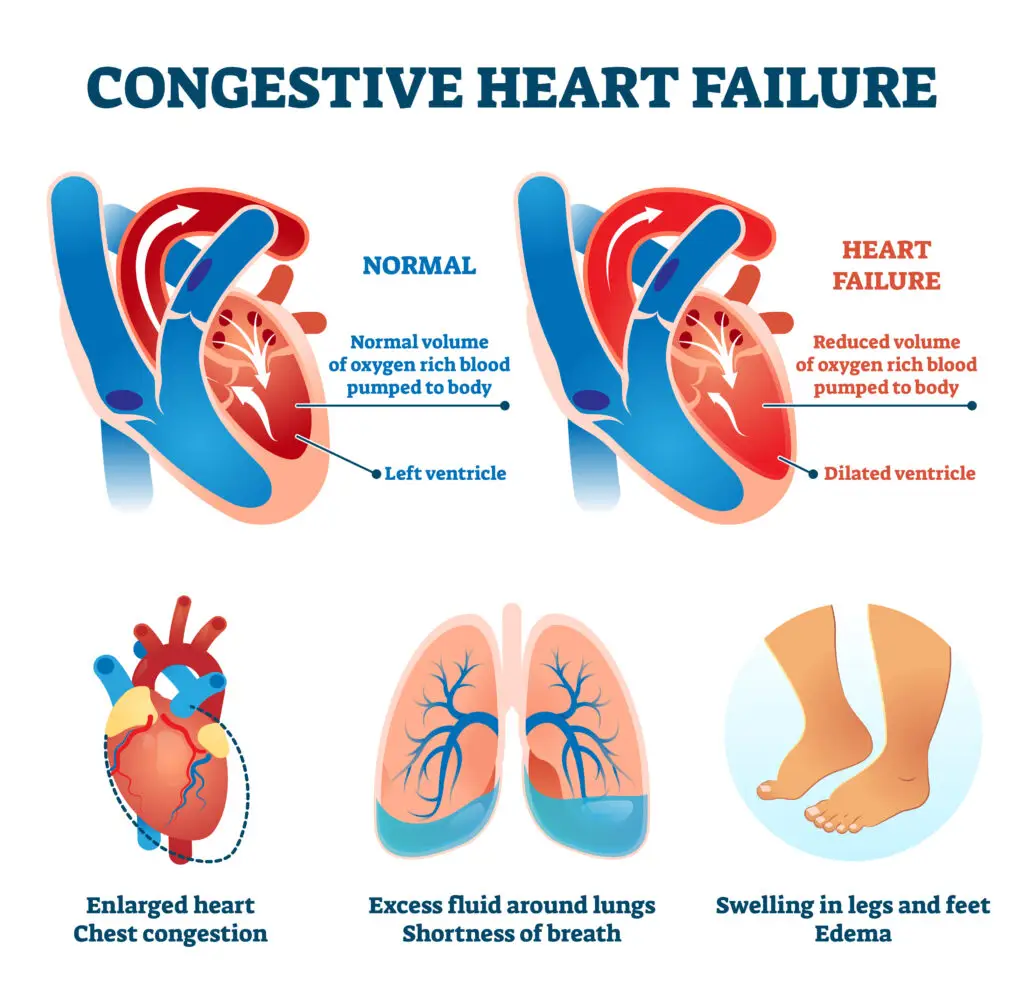
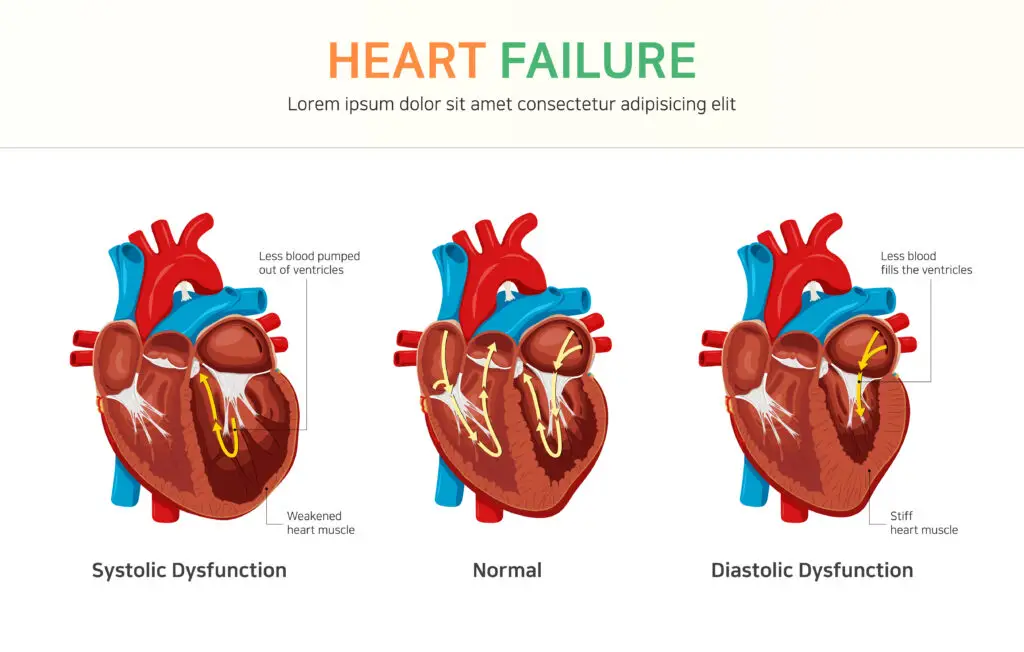
Ejection fraction measures how much blood the left ventricle pumps out with each contraction. It can be important in heart failure claims, but it does not tell the whole story.
A claimant may have significant limitations from:
- reduced ejection fraction
- preserved ejection fraction
- diastolic dysfunction
- valve disease
- arrhythmias
- pulmonary hypertension
- fluid retention
- severe symptoms despite treatment
Social Security should evaluate both objective findings and functional symptoms. A person’s RFC depends on how the heart condition affects work activity, not just one number.
Stress Tests, Exercise Tolerance, and RFC
Stress testing and cardiac rehabilitation records may help show how heart failure affects exertion.
Helpful evidence may include:
- exercise duration
- symptoms during testing
- abnormal heart rhythm
- shortness of breath
- chest pain
- blood pressure response
- fatigue
- reduced exercise capacity
- provider-imposed restrictions
These records may support limitations in walking, standing, lifting, climbing, pace, and physical exertion.
Doctor Statements for Heart Failure RFC
A treating provider’s statement may help explain how heart failure affects work.
A useful statement may address:
- how far the person can walk
- how long the person can stand
- if and how much the person can lift
- whether stairs should be limited
- whether the person needs rest breaks
- whether the person needs leg elevation
- if shortness of breath affects pace
- whether fatigue affects full-time work
- if dizziness creates safety restrictions
- whether medication side effects affect functioning
- how often absences are expected
- whether symptoms persist despite treatment
- expected duration of limitations
The most helpful opinions are specific, consistent with medical records, and tied to work-related functions.
Tracking Heart Failure Symptoms for an RFC Claim
A symptom log may help document how heart failure affects daily life. A useful log may include:
- shortness of breath episodes
- walking distance
- stair tolerance
- fatigue level
- swelling
- daily weight if instructed by a doctor
- dizziness episodes
- chest discomfort
- oxygen saturation if monitored
- blood pressure readings
- heart rate readings
- restroom frequency from diuretics
- missed work or activities
- rest breaks needed
- medication side effects
- doctor visits
- emergency care
- hospitalizations
- recovery time after activity
A symptom log is not a substitute for medical evidence, but it may help support treatment records and testimony.
Examples of RFC Restrictions for Heart Failure
A heart failure RFC may include restrictions such as:
- limited walking
- limited standing
- no lifting and carrying
- no ladders or scaffolds
- limited stair climbing
- no heavy exertion
- avoidance of extreme heat
- avoidance of strenuous outdoor work
- a need to alternate sitting and standing
- need for rest breaks
- need for leg elevation
- reduced pace
- absences from flare-ups or hospitalizations
- off-task time due to fatigue or shortness of breath
- no dangerous machinery if dizziness occurs
- no commercial driving if syncope or dizziness is present
The exact RFC depends on the medical evidence, symptoms, treatment history, and work history.
Signs a Heart Failure RFC May Support Disability
A heart failure RFC may support disability when the evidence shows:
- shortness of breath with minimal activity
- inability to walk or stand long enough for work
- severe fatigue despite treatment
- swelling requiring leg elevation
- dizziness or near-fainting
- repeated hospitalizations
- frequent emergency care
- medication side effects affecting work
- need for excessive breaks
- excessive absences
- inability to complete a full workday
- inability to sustain full-time work
When these limitations are documented and consistent, the claim may be stronger.
When to Speak With a Social Security Disability Lawyer
Heart failure disability claims can be challenging because Social Security may focus on test results without fully understanding daily functional limitations. RFC evidence can be critical.
Many people seek legal help when:
- their disability claim has been denied
- they have chronic heart failure but do not meet a listing
- fatigue or shortness of breath prevents work
- swelling requires leg elevation
- dizziness creates safety concerns
- medication side effects affect functioning
- hospitalizations or flare-ups cause absences
- they are preparing for a disability hearing
Our social security disability attorneys can help evaluate how heart failure affects RFC and what evidence may be needed.
FAQs: Residual Functional Capacity for Heart Failure When Filing for Social Security Disability
What is residual functional capacity for heart failure?
Residual Functional Capacity, or RFC, is Social Security’s assessment of what a person can still do despite heart failure. It may include limits on walking, standing, lifting, climbing, pace, rest breaks, attendance, and environmental exposure.
Can heart failure qualify for Social Security Disability?
Yes. Heart failure may qualify for Social Security Disability if it meets or equals a cardiovascular listing or if RFC evidence shows that symptoms and limitations prevent reliable full-time work.
Does heart failure automatically qualify for SSDI?
No. A diagnosis of heart failure alone does not automatically qualify someone for SSDI. Social Security evaluates objective medical evidence, symptoms, treatment history, and work-related limitations.
What heart failure symptoms matter most for RFC?
Important symptoms may include shortness of breath, fatigue, weakness, swelling, dizziness, chest discomfort, reduced exercise tolerance, sleep disruption, medication side effects, and frequent hospitalizations.
Can heart failure prevent sedentary work?
Yes. Sedentary work may still be difficult if heart failure causes severe fatigue, shortness of breath, leg swelling, need for leg elevation, frequent restroom breaks from diuretics, excessive absences, or inability to complete a full workday.
What medical evidence helps prove heart failure RFC limitations?
Helpful evidence may include cardiology records, echocardiograms, ejection fraction measurements, EKGs, stress tests, hospital records, emergency room records, medication history, swelling documentation, cardiac rehabilitation notes, and provider statements about work limitations.
Can medication side effects affect RFC in a heart failure claim?
Yes. Medication side effects may affect RFC if they are documented and interfere with work. Fatigue, dizziness, low blood pressure symptoms, frequent urination from diuretics, weakness, and brain fog may all matter.
Can Social Security deny a heart failure claim if the person does not meet a listing?
Yes. But even if a person does not meet a Blue Book listing, they may still qualify if RFC evidence shows they cannot perform past work or adjust to other work on a sustained basis.
What should I do if heart failure prevents me from working?
You may want to speak with a Social Security Disability attorney to evaluate whether your heart failure symptoms, treatment history, medical evidence, RFC limitations, and work history may support a disability claim.
Contact MLF Legal for a Free Disability Case Evaluation
If heart failure, shortness of breath, fatigue, swelling, dizziness, medication side effects, or another medical condition prevents you from working, you may qualify for Social Security Disability benefits.
MLF Legal represents disability applicants nationwide. Based in Dallas, Texas, we help individuals across the country pursue disability benefits.
Our social security lawyers can review your situation for free and explain your options.
📞 Call MLF Legal at 214-357-1782 to request a free consultation.
Next Steps:
1st Sign up For a Free One-on-One Disability Case Evaluation
Contact us today to schedule your personalized one-on-one free phone consultation with one of our dedicated legal professionals. Our experienced social security lawyers are here to provide the expert legal guidance and support you need throughout the entire process of your case.
We understand the complexities involved in social security disability claims and are committed to helping you achieve the best possible outcome. Don’t hesitate to reach out and take the first step toward securing the justice you deserve.
2nd Download Free E-Books
Social Security Disability
Navigating the Social Security Disability Benefits process can be complex, but understanding the key steps can help. From gathering medical records to completing the application, this process ensures eligible individuals receive the support they need. Seeking guidance from experts can simplify the journey and increase the chances of a successful outcome.
Call MLF Legal today
214-357-1782
Fill out our online form
for a free consultation.
We only get paid if we win your case.