
Residual Functional Capacity for Fibromyalgia When Filing for Social Security Disability
TELL US WHAT HAPPENED SO WE CAN HELP. FREE CONSULTATION

Contact Us About Your Case
FREE Consultation Today.
Residual Functional Capacity for Fibromyalgia When Filing for Social Security Disability
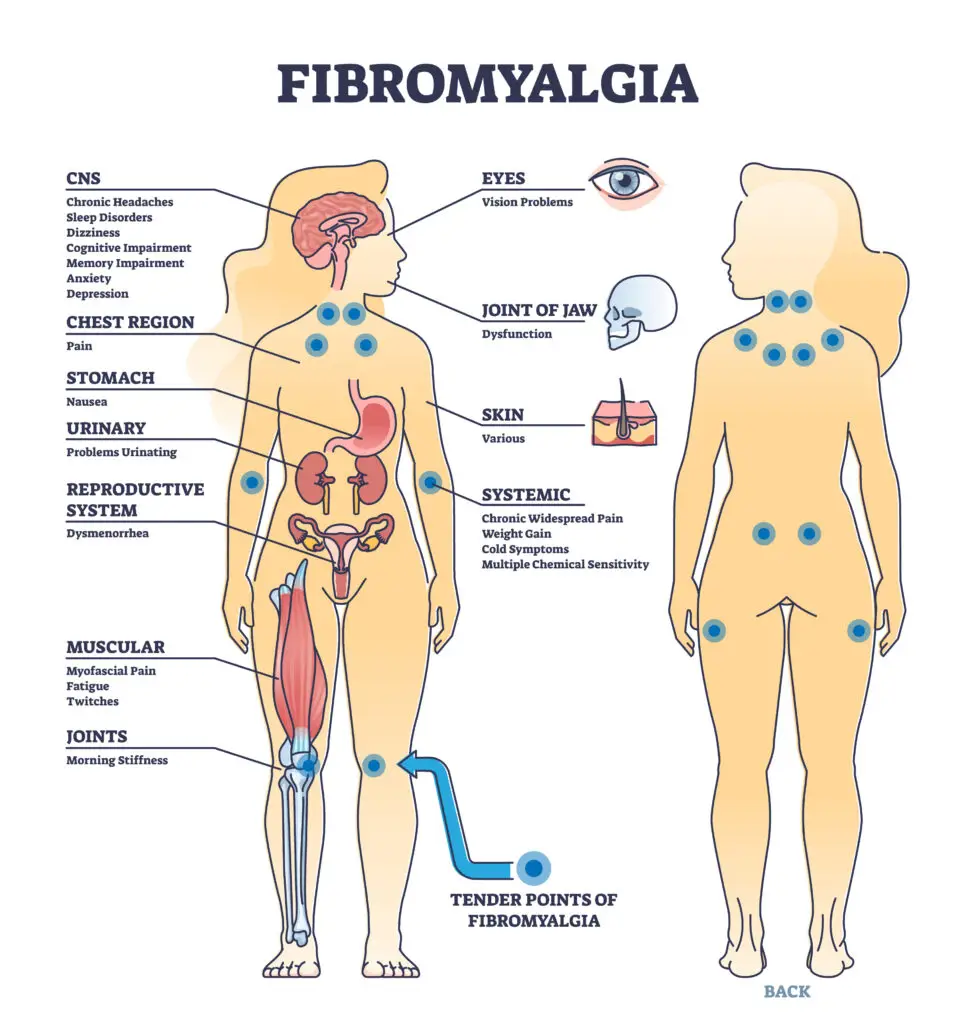
Fibromyalgia can affect a person’s ability to work in ways that are difficult to capture with X-rays, MRIs, or routine lab testing. Many people with fibromyalgia experience widespread pain, fatigue, brain fog, poor sleep, flares, medication side effects, and reduced stamina. These symptoms may make it difficult to sit, stand, walk, lift, carry, concentrate, maintain pace, attend work consistently, or complete a full workday.
For many fibromyalgia disability claims, the most important issue is residual functional capacity, often called RFC for fibromyalgia.
Residual Functional Capacity is Social Security’s assessment of what a person can still do despite medical limitations.
A fibromyalgia RFC may involve limitations related to:
- widespread pain
- chronic fatigue
- brain fog
- memory problems
- difficulty concentrating
- poor sleep
- muscle tenderness
- headaches
- irritable bowel symptoms
- sensitivity to stress
- medication side effects
- reduced stamina
- flares
- absences
- inability to complete a full workday
A diagnosis of fibromyalgia does not automatically qualify someone for Social Security Disability benefits. Social Security evaluates whether the condition, symptoms, treatment history, and functional limitations prevent reliable full-time employment.
This guide explains how RFC applies to fibromyalgia claims, what limitations may matter, what medical evidence may help, and when it may be time to speak with a disability lawyer.

What Is Residual Functional Capacity?
Residual Functional Capacity, or RFC, is Social Security’s evaluation of the most a person can still do despite physical and mental limitations.
In a fibromyalgia claim, RFC may address whether a person can:
- sit
- stand
- walk
- lift
- carry
- reach
- handle objects
- maintain posture
- concentrate
- remember instructions
- stay on task
- maintain pace
- interact with others
- tolerate stress
- attend work reliably
- complete a normal workday and workweek
RFC is important because many fibromyalgia claims are not approved by meeting a Blue Book listing alone. Instead, Social Security may decide the case by asking whether the claimant can perform past work or adjust to other work.
For fibromyalgia, RFC often becomes the bridge between the medical diagnosis and the real-world question:
Can this person sustain competitive employment on a reliable basis?
Why RFC Matters in Fibromyalgia Disability Claims
Fibromyalgia claims often depend heavily on functional evidence. That is because fibromyalgia symptoms may be severe even when imaging or routine testing does not show the same type of structural damage seen in other conditions.
RFC matters because Social Security must consider what the person can do on a regular and continuing basis.
A person with fibromyalgia may have difficulty with:
- sitting for long periods
- standing for long periods
- walking throughout a workday
- lifting or carrying objects
- using the arms or hands repetitively
- maintaining energy through the day
- recovering after activity
- staying focused despite pain or fatigue
- remembering tasks
- handling workplace stress
- attending work during flares
- completing a full workday
The strongest disability claims connect fibromyalgia symptoms to specific work restrictions.
For example:
- Widespread pain may limit lifting, carrying, reaching, standing, walking, and sitting.
- Fatigue may require rest breaks or reduce productivity.
- Brain fog may cause off-task time, mistakes, or inability to sustain concentration.
- Sleep disruption may worsen daytime functioning.
- Flares may cause absences or inconsistent performance.
- Medication side effects may affect alertness, balance, memory, or pace.
Fibromyalgia Symptoms That May Affect RFC
Fibromyalgia can cause a wide range of symptoms that may affect work capacity. Social Security should evaluate the combined effect of all symptoms, not just isolated complaints.
Common work-related symptoms may include:
- widespread muscle pain
- joint-like pain
- tenderness
- burning or aching pain
- stiffness
- chronic fatigue
- non-restorative sleep
- brain fog
- memory problems
- difficulty concentrating
- headaches or migraines
- dizziness
- numbness or tingling
- irritable bowel symptoms
- depression or anxiety
- sensitivity to light, noise, temperature, or stress
- medication side effects
- symptom flares
These symptoms may affect both physical jobs and sedentary jobs.
Widespread Pain and Fibromyalgia RFC
Widespread pain is often the central issue in a fibromyalgia RFC assessment.
Pain may limit the ability to:
- sit for long periods
- stand for long periods
- walk repeatedly during the day
- lift and carry objects
- reach overhead
- use the hands repetitively
- bend or stoop
- maintain posture
- work at a consistent pace
- sleep well enough to function the next day
Pain may also interfere with concentration, mood, social interaction, and stress tolerance.
A person with fibromyalgia may be able to perform certain activities briefly but be unable to repeat those activities throughout a normal workday. That distinction matters. Social Security should evaluate sustained work capacity, not isolated moments of function.
Fatigue and Fibromyalgia RFC
Fatigue can be one of the most disabling symptoms of fibromyalgia. It may feel different from ordinary tiredness. Many people describe fibromyalgia fatigue as deep exhaustion, low stamina, heavy limbs, or the inability to recover after activity.
Fatigue may affect RFC by limiting:
- stamina
- pace
- concentration
- ability to work full shifts
- ability to work consecutive days
- your ability to recover after exertion
- need for rest breaks
- attendance and reliability
A person with fibromyalgia may be able to complete a short task at home but then need extended rest afterward. That can be inconsistent with competitive employment if the person cannot sustain activity throughout a normal workday and workweek.
Brain Fog, Memory Problems, and Concentration
Fibromyalgia may cause cognitive problems often described as “fibro fog.” These symptoms can be highly work-limiting, especially in jobs requiring attention, memory, accuracy, pace, or decision-making.
Brain fog may affect work by causing:
- poor concentration
- forgetfulness
- slower thinking
- difficulty following instructions
- difficulty completing tasks
- trouble multitasking
- mistakes
- reduced pace
- off-task time
- difficulty handling changes
- difficulty learning new procedures
These limitations may be especially important in office jobs, clerical work, customer service, healthcare, bookkeeping, scheduling, call center work, administrative work, skilled labor, and jobs requiring safety awareness.
Sleep Problems and Fibromyalgia RFC
Many people with fibromyalgia experience non-restorative sleep. They may sleep for several hours but wake feeling exhausted. Pain may also interrupt sleep.
Sleep problems may worsen:
- fatigue
- pain sensitivity
- brain fog
- concentration
- memory
- mood
- irritability
- daytime sleepiness
- pace
- attendance
If poor sleep affects work, it should be documented in treatment records. Social Security should consider whether sleep disruption contributes to daytime fatigue, reduced pace, or inability to complete full workdays.
Fibromyalgia Flares and RFC
Fibromyalgia symptoms often fluctuate. A person may have better days and worse days. During flares, pain, fatigue, brain fog, headaches, digestive symptoms, and sleep problems may become more severe.
Flares may affect RFC by causing:
- increased pain
- reduced mobility
- need for rest
- inability to concentrate
- missed workdays
- late arrivals
- reduced productivity
- need for medication changes
- difficulty completing daily activities
- recovery time after activity
A disability claim should explain how often flares occur, how long they last, what triggers them, and how they affect work.
Social Security evaluates whether a person can work reliably over time, not just whether they can function on a good day.
Fibromyalgia and Sitting Limitations
Fibromyalgia may make prolonged sitting difficult because of pain, stiffness, hip discomfort, back pain, leg pain, or the need to change positions frequently.
Sitting limitations may involve:
- needing to stand or move frequently
- inability to sit through meetings
- needing position changes beyond normal breaks
- pain from sustained posture
- difficulty using a computer for long periods
- worsening stiffness after sitting
- inability to complete seated tasks without breaks
This matters because Social Security may deny a claim by finding that the person can perform sedentary work. But sedentary work still requires sustained sitting, attention, pace, attendance, and completion of a full workday.
A person with fibromyalgia may be unable to perform sedentary work if they cannot sit reliably, need excessive breaks, or cannot maintain concentration because of pain and fatigue.
Fibromyalgia and Standing or Walking Limitations
Fibromyalgia may limit standing and walking due to pain, fatigue, dizziness, weakness, poor endurance, or post-activity symptom worsening.
Standing and walking limitations may include:
- difficulty standing in one place
- pain after limited walking
- need to sit frequently
- fatigue after short activity
- difficulty walking through large workplaces
- difficulty climbing stairs
- increased symptoms after physical exertion
- recovery time after activity
These limitations can affect retail, food service, healthcare, warehouse work, security, cleaning, manufacturing, teaching, delivery, and other jobs that require being on one’s feet.
Fibromyalgia and Lifting or Carrying Restrictions
Fibromyalgia may limit lifting and carrying because exertion can worsen pain, fatigue, muscle tenderness, headaches, or post-activity crashes.
RFC restrictions may include limits on:
- heavy lifting
- frequent lifting
- carrying objects while walking
- pushing and pulling
- overhead work
- repetitive exertion
- fast-paced physical activity
Lifting restrictions are especially important for claimants whose past work involved caregiving, healthcare, warehouse work, retail stocking, food service, cleaning, manufacturing, delivery, construction, or childcare.
Fibromyalgia and Reaching, Handling, and Fingering
Fibromyalgia may affect the arms, shoulders, hands, and wrists. Even without inflammatory arthritis, a person may have pain, tenderness, stiffness, weakness, or fatigue that interferes with repetitive use.
Work-related issues may include difficulty:
- typing
- writing
- gripping
- using tools
- sorting objects
- reaching overhead
- reaching in front
- lifting files or supplies
- using a phone or headset
- performing repetitive hand tasks
These limitations are important because many sedentary jobs still require frequent handling, fingering, typing, writing, or reaching.
Fibromyalgia, Headaches, and Migraines
Some people with fibromyalgia also experience frequent headaches or migraines. Headaches may affect RFC when they interfere with concentration, attendance, pace, or sensory tolerance.
Work-related limitations may involve:
- missed workdays
- need to lie down
- sensitivity to light or sound
- nausea
- difficulty using screens
- reduced pace
- off-task time
- inability to complete a full workday
If headaches or migraines are part of the disability picture, they should be documented separately and considered with fibromyalgia symptoms.
Fibromyalgia and Irritable Bowel Symptoms
Fibromyalgia may occur with irritable bowel syndrome or digestive symptoms. These symptoms can affect work if they cause frequent restroom breaks, urgency, abdominal pain, nausea, or missed work.
Digestive symptoms may affect RFC by causing:
- time away from the workstation
- unscheduled restroom breaks
- reduced pace
- absences
- difficulty attending meetings
- difficulty working jobs with limited restroom access
Fibromyalgia and Mental Health Symptoms
Fibromyalgia often overlaps with depression, anxiety, PTSD, panic symptoms, and social withdrawal. Chronic pain and fatigue can also worsen mood and stress tolerance.
Mental health symptoms may affect work by causing:
- reduced concentration
- low motivation
- irritability
- panic symptoms
- difficulty handling stress
- difficulty interacting with others
- social withdrawal
- crying spells
- absences
- reduced pace
If mental health symptoms are significant, they should be evaluated along with fibromyalgia. Social Security must consider the combined effect of all medically determinable impairments.
Fibromyalgia Medications and RFC
Medication history can help show ongoing treatment, but taking medication alone does not prove disability.
Medications used in fibromyalgia-related treatment may include:
- Cymbalta
- Lyrica
- Gabapentin
- Savella
- muscle relaxers
- sleep medications
- antidepressants
- anti-anxiety medications
- pain medications
- anti-inflammatory medications in some cases
The key issue is whether symptoms remain work-limiting despite treatment.
Medication Side Effects and Fibromyalgia RFC
Medication side effects may affect RFC if they are documented and interfere with work.
Possible side effects may include:
- drowsiness
- dizziness
- fatigue
- brain fog
- memory problems
- nausea
- dry mouth
- blurred vision
- balance problems
- slowed reaction time
- reduced alertness
- mood changes
For example:
- Gabapentin may contribute to fatigue, dizziness, or brain fog.
- Lyrica may contribute to sleepiness, swelling, dizziness, or concentration problems.
- Cymbalta may cause nausea, fatigue, sleep changes, dizziness, or other side effects.
- Muscle relaxers or sleep medications may cause sedation.
Social Security may consider side effects when they affect attendance, pace, safety, concentration, or ability to remain productive.
Fibromyalgia and Stress Tolerance
Stress can worsen fibromyalgia symptoms for some people. Work stress may increase pain, fatigue, brain fog, headaches, sleep problems, or mood symptoms.
Stress-related RFC limitations may involve:
- low-stress work
- simple routine tasks
- no fast-paced production requirements
- no strict quotas
- limited public interaction
- conflict avoidance
- limited changes in routine
- reduced decision-making demands
Stress tolerance may be especially important when fibromyalgia overlaps with anxiety, depression, PTSD, panic attacks, or mood instability.
Fibromyalgia and Absences
Absences are often a major issue in fibromyalgia disability claims.
A person may miss work because of:
- severe pain flares
- fatigue crashes
- poor sleep
- migraines
- digestive symptoms
- medication side effects
- medical appointments
- inability to recover after activity
- overlapping depression or anxiety
Social Security should consider whether the person can attend work reliably. A person may be unable to maintain competitive employment if symptoms cause excessive absences, late arrivals, or early departures.
Fibromyalgia and Off-Task Time
Off-task time can be important in RFC analysis. A person may be physically present at work but unable to stay productive.
Fibromyalgia may cause off-task time because of:
- pain
- fatigue
- brain fog
- headaches
- medication side effects
- need for rest breaks
- difficulty concentrating
- slowed pace
- symptom flares
At a social security disability hearing, a vocational expert may consider whether off-task time would be tolerated in competitive employment.
Fibromyalgia and Sedentary Work
Social Security may deny a fibromyalgia claim by finding that the person can perform sedentary work. But sedentary work is not always realistic.
Sedentary jobs still require:
- regular attendance
- staying on task
- maintaining pace
- sitting for long periods
- using the hands
- concentrating
- remembering instructions
- interacting appropriately
- handling workplace stress
- completing full workdays and workweeks
Fibromyalgia may prevent sedentary work if the person:
- cannot sit long enough
- needs frequent unscheduled breaks
- cannot concentrate because of pain or brain fog
- has fatigue that prevents full shifts
- misses work during flares
- cannot use hands repetitively
- cannot maintain pace
- must lie down during the day
The claim should explain why even seated work is not sustainable.
Fibromyalgia and Physical Work
Fibromyalgia may interfere with physical work because physical jobs often require exertion, repetitive movement, lifting, standing, walking, bending, or fast pace.
Often, fibromyalgia may prevent work involving:
- heavy lifting
- frequent lifting
- prolonged standing
- frequent walking
- bending
- crouching
- reaching
- repetitive hand use
- fast-paced production
- patient care
- cleaning
- warehouse work
- food service
- childcare
- manufacturing
- retail stocking
- construction
For people with a history of physical work, RFC evidence should clearly explain why they cannot return to past work.
Fibromyalgia and Past Work
RFC is used to determine whether a person can return to past work.
Fibromyalgia may prevent past work involving:
- lifting and carrying
- standing most of the day
- walking throughout the day
- repetitive hand use
- overhead reaching
- fast pace
- high stress
- irregular schedules
- frequent interaction with the public
- physical caregiving
- cleaning
- warehouse duties
- production work
The more physically demanding or fast-paced the past work, the more important fibromyalgia-related restrictions may become.
Fibromyalgia, Age, and Vocational Factors
Social Security also considers age, education, and work history when determining whether a person can adjust to other work.
This can be important for older workers with fibromyalgia.
For example:
- A worker over 50 with a history of physical labor may have fewer realistic job options.
- A person with limited education may have fewer transferable skills.
- the person limited to sedentary work may be evaluated differently depending on age and work background.
- A person who cannot sustain attendance, pace, or concentration may be unable to perform competitive work at any exertional level.
The medical evidence must still support the RFC limitations.
Relevant Social Security Guidance for Fibromyalgia RFC
Fibromyalgia claims are often evaluated differently from claims based on conditions that show up clearly on imaging or lab tests. Social Security may consider whether fibromyalgia is a medically determinable impairment based on accepted diagnostic criteria, treatment records, physical findings, and evidence of ongoing symptoms.
Once fibromyalgia is established as a medically determinable impairment, Social Security should evaluate the intensity, persistence, and limiting effects of the symptoms.
Many fibromyalgia claims are decided through RFC because fibromyalgia does not have a simple, automatic approval rule. The focus is usually whether pain, fatigue, brain fog, sleep problems, flares, and medication side effects prevent full-time work.
Medical Evidence That May Support a Fibromyalgia RFC
Strong medical evidence is important because Social Security needs more than a diagnosis.
Helpful evidence may include:
- pulmonology records
- primary care records
- pulmonary function testing
- spirometry results
- FEV1 and FVC measurements
- DLCO testing when performed
- oxygen saturation readings
- exercise oximetry
- arterial blood gas testing
- chest X-rays
- CT scans
- emergency room records
- hospitalization records
- records of COPD exacerbations
- steroid or antibiotic treatment records
- rescue inhaler use
- nebulizer records
- oxygen prescriptions
- sleep study records if relevant
- cardiology records if heart disease or pulmonary hypertension is involved
- medication history
- physician statements about work restrictions
The strongest records connect COPD symptoms to specific work limitations.
Physical Examination Findings That May Matter
Fibromyalgia may not show the same objective abnormalities as arthritis or disc disease, but physical exam findings can still help.
Relevant findings may include:
- widespread tenderness
- pain with movement
- reduced range of motion due to pain
- muscle tenderness
- guarded movement
- difficulty rising from a chair
- abnormal gait during flares
- fatigue observed during visits
- sleep-related complaints
- cognitive complaints documented in treatment notes
Repeated documentation over time may help show persistence and consistency.
Evidence of Fatigue, Brain Fog, and Flares
Because fatigue, brain fog, and flares can be difficult to prove, documentation is important.
Helpful evidence may include:
- treatment notes describing fatigue
- reports of post-activity worsening
- records of poor sleep
- medication changes
- provider notes documenting cognitive complaints
- mental status observations
- records of missed appointments or missed work due to symptoms
- symptom logs
- statements from family members, friends, or former coworkers
- provider statements about expected absences or off-task time
Social Security evaluates whether the person can sustain work over time, not just whether they can function during a brief exam or on a better day.
Doctor Statements for Fibromyalgia RFC
A treating provider’s statement may help explain how fibromyalgia affects work.
A useful statement may address:
- sitting tolerance
- standing tolerance
- walking tolerance
- lifting and carrying limits
- reaching limits
- handling or fingering limits
- need to change positions
- need for rest breaks
- any need to lie down
- fatigue severity
- brain fog or concentration problems
- flare frequency
- likely absences
- off-task time
- medication side effects
- whether symptoms persist despite treatment
- expected duration of limitations
The most helpful opinions are specific, consistent with treatment records, and tied to work-related functions.
Tracking Fibromyalgia Symptoms for an RFC Claim
A symptom log may help document how fibromyalgia affects daily life. A useful log may include:
- pain level
- location of pain
- fatigue level
- sleep quality
- brain fog
- memory problems
- headaches
- digestive symptoms
- sitting tolerance
- standing tolerance
- walking distance
- need to rest
- flares
- activities that worsen symptoms
- missed work or activities
- medication side effects
- doctor appointments
- recovery time after activity
A symptom log is not a substitute for medical evidence, but it may help support treatment records and testimony.
Examples of RFC Restrictions for Fibromyalgia
A fibromyalgia RFC may include restrictions such as:
- limited lifting and carrying
- limited standing
- walking duration
- limited sitting
- need to alternate positions
- limited reaching
- limited handling or fingering
- no fast-paced production work
- simple routine tasks if brain fog is significant
- reduced stress demands
- need for rest breaks
- reduced pace
- off-task time
- absences from flares
- inability to complete a full workday
- inability to sustain full-time work
The exact RFC depends on the medical evidence, symptoms, treatment history, and work history.
Signs a Fibromyalgia RFC May Support Disability
A fibromyalgia RFC may support disability when the evidence shows:
- widespread pain despite treatment
- severe fatigue
- brain fog affecting concentration and memory
- inability to sit, stand, or walk long enough for work
- need for frequent rest breaks
- post-activity crashes
- frequent flares
- excessive absences
- medication side effects affecting work
- inability to maintain pace
- lack of ability to complete full workdays
- inability to sustain full-time work
When these limitations are documented and consistent, the claim may be stronger.
Common Mistakes in Fibromyalgia RFC Claims
Fibromyalgia claims can be difficult when records do not clearly explain functional limitations.
Common problems include:
- relying only on the diagnosis
- failing to document fatigue
- failing to document brain fog
- not explaining flares
- not reporting medication side effects
- vague statements like “pain all over” without functional detail
- lack of consistent treatment records
- no explanation of why sedentary work is not sustainable
- lack of a provider statement about work limitations
- no symptom tracking
- ignoring overlapping mental health or sleep problems
A strong claim should explain how fibromyalgia affects work activity over time.
When to Speak With a Social Security Disability Lawyer
Fibromyalgia disability claims can be challenging because symptoms may fluctuate, objective testing may be limited, and Social Security may assume the person can perform sedentary work.
Many people seek legal help when:
- they need to evaluate if they may qualify for SSDI
- their disability claim has been denied
- they have fibromyalgia but do not meet another listing
- pain and fatigue prevent full-time work
- brain fog affects concentration and pace
- flares cause absences
- medication side effects affect functioning
- their records do not clearly explain RFC limitations
- they are preparing for a disability hearing
A social security disability attorney can help evaluate how strong your residual functional capacity for fibromyalgia argument is, and what evidence may be needed to make it better
.

FAQs: Residual Functional Capacity for Fibromyalgia When Filing for Social Security Disability
What is residual functional capacity for fibromyalgia?
Residual Functional Capacity, or RFC, is Social Security’s assessment of what a person can still do despite fibromyalgia. It may include limits on sitting, standing, walking, lifting, carrying, concentration, pace, attendance, rest breaks, and ability to complete a full workday.
Can fibromyalgia qualify for Social Security Disability?
Yes. Fibromyalgia may qualify for Social Security Disability if the evidence shows that chronic pain, fatigue, brain fog, flares, sleep problems, medication side effects, or related symptoms prevent reliable full-time work.
Does fibromyalgia automatically qualify for SSDI?
No. A diagnosis of fibromyalgia alone does not automatically qualify someone for SSDI. Social Security evaluates whether fibromyalgia is medically documented and whether the resulting limitations prevent substantial work activity.
What fibromyalgia symptoms matter most for RFC?
Important symptoms may include widespread pain, chronic fatigue, brain fog, memory problems, poor sleep, headaches, digestive symptoms, depression, anxiety, flares, and medication side effects.
Can fibromyalgia prevent sedentary work?
Yes. Sedentary work may still be difficult if fibromyalgia causes pain with sitting, severe fatigue, brain fog, need for frequent breaks, inability to use the hands repetitively, absences from flares, or inability to complete a full workday.
What medical evidence helps prove fibromyalgia RFC limitations?
Helpful evidence may include rheumatology records, primary care records, pain management records, physical exam findings, treatment history, medication side effect documentation, fatigue reports, cognitive complaints, symptom logs, and provider statements about work limitations.
Can medication side effects affect RFC in a fibromyalgia claim?
Yes. Medication side effects may affect RFC if they are documented and interfere with work. Drowsiness, dizziness, fatigue, brain fog, nausea, balance problems, and reduced alertness may all matter.
Why are fibromyalgia disability claims often denied?
Fibromyalgia claims may be denied when records do not clearly document functional limitations, fatigue, brain fog, flares, treatment history, or why the person cannot sustain even sedentary work.
What should I do if fibromyalgia prevents me from working?
You may want to speak with a Social Security Disability attorney to evaluate whether your fibromyalgia symptoms, treatment history, medical evidence, RFC limitations, and work history may support a disability claim.
Contact MLF Legal for a Free Disability Case Evaluation
If fibromyalgia, chronic pain, fatigue, brain fog, flares, medication side effects, or another medical condition prevents you from working, you may qualify for Social Security Disability benefits.
MLF Legal represents disability applicants nationwide. Based in Dallas, Texas, we help individuals across the country pursue disability benefits.
Our social security lawyers can review your situation for free and explain your options.
📞 Call MLF Legal at 214-357-1782 to request a free consultation.
Next Steps:
1st Sign up For a Free One-on-One Disability Case Evaluation
Contact us today to schedule your personalized one-on-one free phone consultation with one of our dedicated legal professionals. Our experienced social security lawyers are here to provide the expert legal guidance and support you need throughout the entire process of your case.
We understand the complexities involved in social security disability claims and are committed to helping you achieve the best possible outcome. Don’t hesitate to reach out and take the first step toward securing the justice you deserve.
2nd Download Free E-Books
Social Security Disability
Navigating the Social Security Disability Benefits process can be complex, but understanding the key steps can help. From gathering medical records to completing the application, this process ensures eligible individuals receive the support they need. Seeking guidance from experts can simplify the journey and increase the chances of a successful outcome.
Call MLF Legal today
214-357-1782
Fill out our online form
for a free consultation.
We only get paid if we win your case.