
Defective Equipment and Construction Injuries: Who’s Responsible?
TELL US WHAT HAPPENED
FREE CONSULTATION
Contact Us About Your Case
FREE Consultation Today.
Why Defective Equipment Is a Major Threat on Texas Construction Sites
Construction workers rely on tools, machinery, and safety equipment every day. When that equipment is defective — whether due to poor design, manufacturing errors, or lack of maintenance — the results can be catastrophic.
In Texas, defective equipment is a leading cause of falls, electrocutions, crushing injuries, and amputations. When these failures happen, injured workers often wonder: Who is responsible?
At MLF Legal, our construction site injury lawyers help injured workers identify every liable party — from manufacturers to subcontractors to nonsubscriber employers — and pursue full compensation. So, if you have any questions about defective equipment and construction injuries, contact us for a free consultation.
Common Types of Defective Construction Equipment
- Power Tools
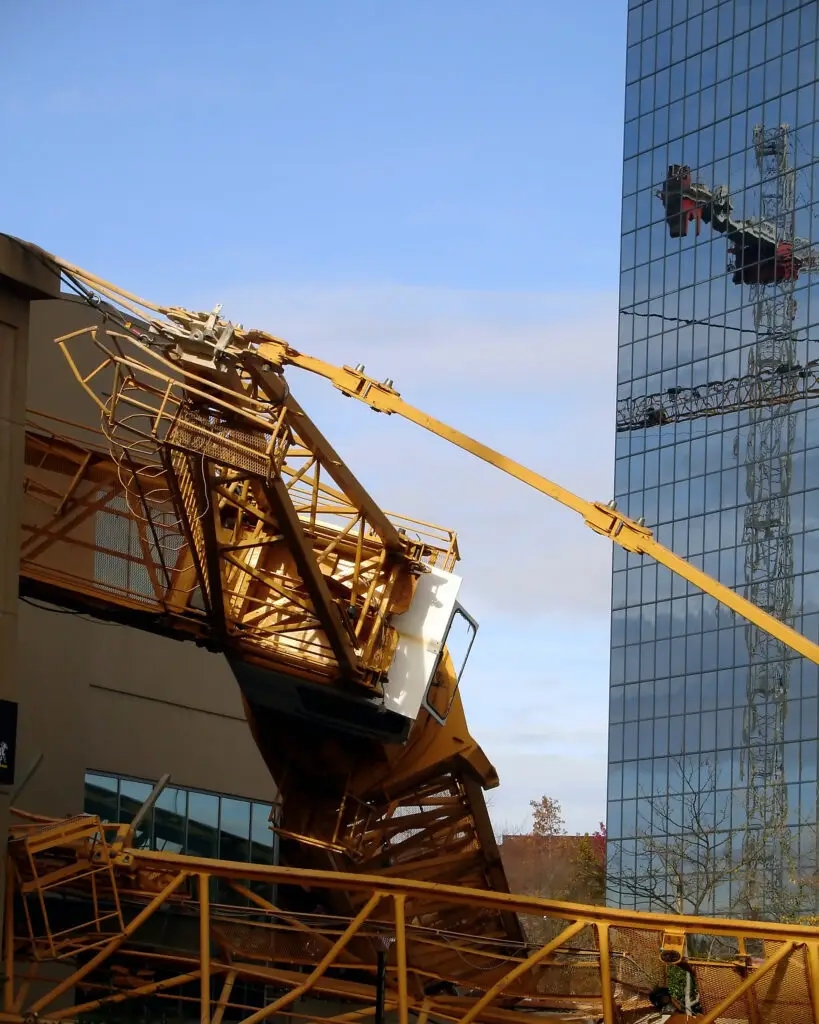
- Heavy Machinery
- Safety Equipment
- Electrical Equipment
- Ladders & Scaffolding
Who Can Be Held Responsible for Defective Equipment Injuries?
Construction accident liability often involves multiple parties. Here’s how responsibility is typically assigned:
1. Equipment Manufacturers
Manufacturers are liable when a product is defective because of:
- Poor design
- Manufacturing errors
- Inadequate warnings or instructions
These are product liability claims, and they do not require proving negligence — only that the product was defective and caused injury.
2. Distributors or Retailers
Any company in the chain of distribution may share responsibility if they sold or supplied defective equipment.
3. Employers (Especially Nonsubscribers)
Texas allows employers to opt out of workers’ comp. If they do, they may be liable for:
- Failing to inspect equipment
- Failing to replace worn or damaged tools
- Ignoring recall notices
- Not providing proper training
Nonsubscriber employers lose key defenses, making these cases strong for injured workers.
4. Subcontractors or General Contractors
If another company on the job site supplied or maintained the equipment, they may be responsible for:
- Improper maintenance
- Unsafe modifications
- Allowing defective equipment to remain in use
FAQ's Defective Equipment and Construction Injuries: Who’s Responsible?
Manufacturers, distributors, employers, subcontractors, and property owners may all be liable depending on how the defect occurred.
Yes. Product liability claims allow injured workers to sue manufacturers for design defects, manufacturing defects, or inadequate warnings.
You may sue them directly for negligence, and nonsubscriber employers lose key legal defenses.
You may have a third‑party claim against the subcontractor or general contractor.
Do not discard it. Preserve the equipment and contact a lawyer immediately.
Injured at work in Texas and your employer doesn’t have workers’ comp?
You may have the right to sue and recover full compensation.
Contact MLF Legal today for a free consultation. You pay nothing unless we win your case.
How to Prove a Defective Equipment Claim
To win a defective equipment case, you must show:
✅ The equipment was defective
✅ The defect caused your injury
✅ You were using the equipment as intended
✅ You suffered damages
Evidence may include:
- Photos of the defective equipment
- Maintenance logs
- Recall notices
- Expert engineering analysis
- OSHA investigation findings
- Witness statements
MLF Legal works with engineers, safety experts, and accident reconstruction specialists to build strong cases involving defective equipment and construction injuries.
5. Property Owners
If the equipment was part of the premises (e.g., elevators, lifts), property owners may be liable under premises liability law.
What Damages Can You Recover?
Depending on the type of claim, you may recover:
- Medical bills
- Lost wages
- Loss of earning capacity
- Pain and suffering
- Physical impairment
- Mental anguish
- Punitive damages (for gross negligence)
Product liability cases often result in significant compensation because manufacturers are held to strict safety standards.
What to Do After a Defective Equipment Injury
- Stop using the equipment immediately
- Preserve the tool or machine (do NOT let your employer discard it)
- Take photos and video
- Report the injury
- Get medical treatment
- Contact a construction injury lawyer
Defective equipment cases depend heavily on preserving the product — early legal intervention is critical.
Speak With a Texas Construction Injury Lawyer Today
Defective equipment and construction injuries are a tragic combination. If you were injured by defective equipment on a construction site, you may have multiple claims — against your employer, subcontractors, or the manufacturer.
📞 Call MLF Legal at 214‑357‑1782
💻 Or fill out our online form below for a free consultation
We only get paid if we win your case.
Call MLF Legal today
214-357-1782
Fill out our online form
for a free consultation.
We only get paid if we win your case.