Shoulder Injuries in Texas Workers’ Compensation Claims
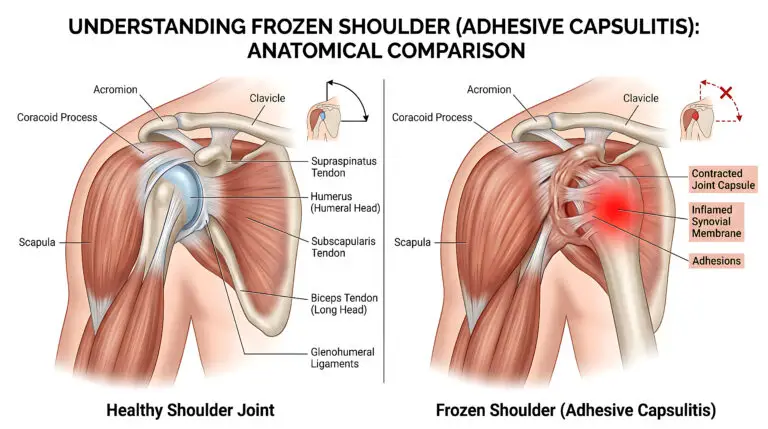
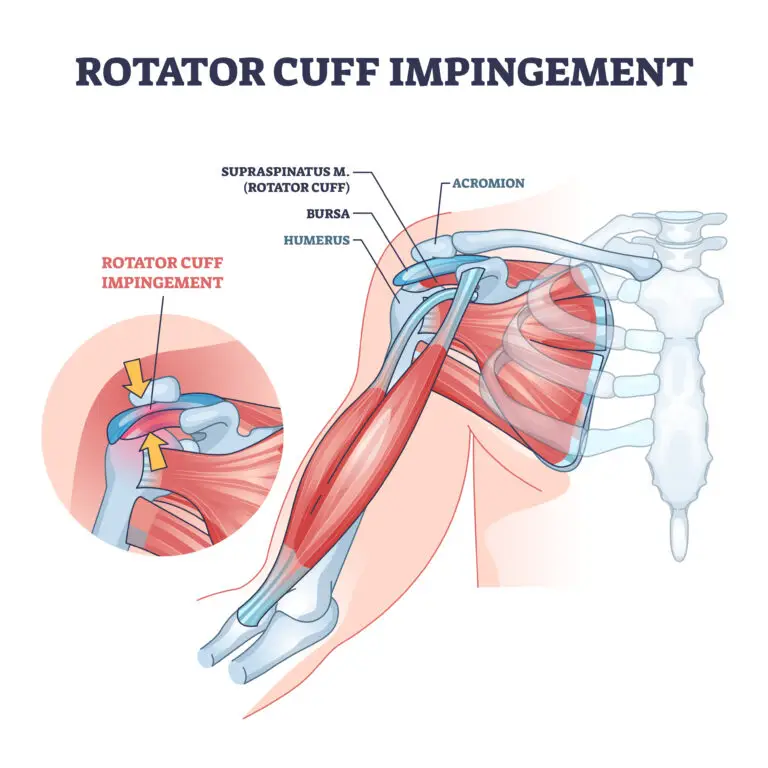
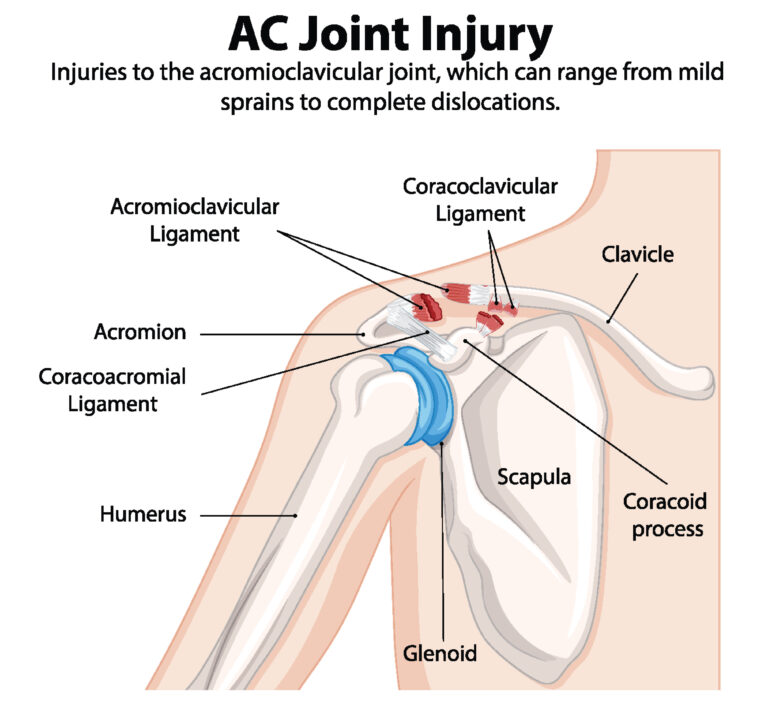
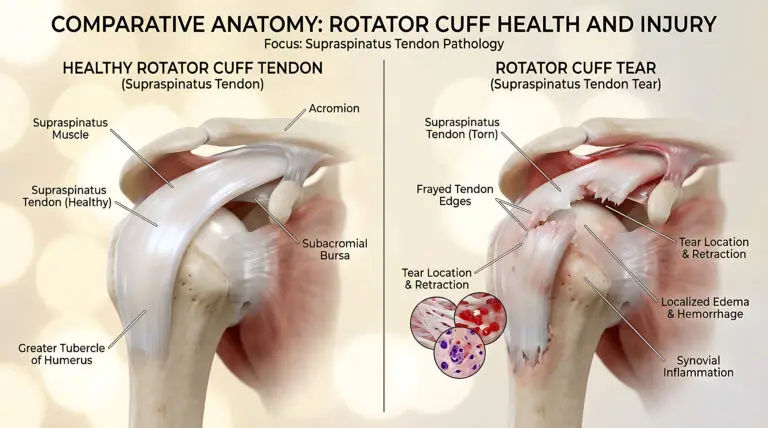
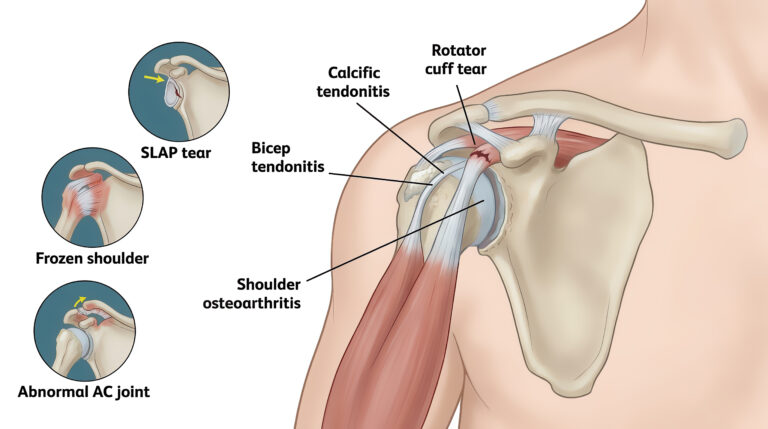
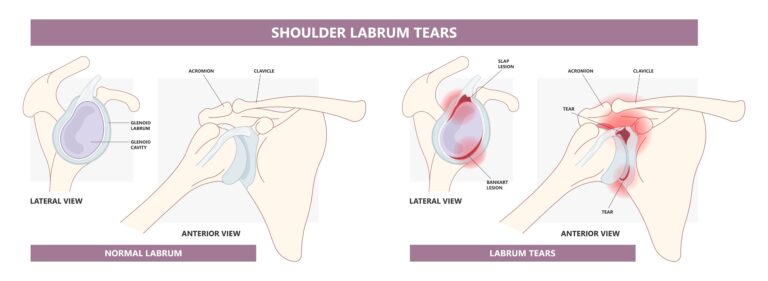
Shoulder injuries are among the most common — and most disabling — injuries in Texas workers’ compensation claims. The shoulder is a complex joint with a wide range of motion,
Business insights and articles written by our team of world-class Legal Professionals

Shoulder injuries are among the most common — and most disabling — injuries in Texas workers’ compensation claims. The shoulder is a complex joint with a wide range of motion,

Impairment Ratings (IRs) are one of the most important — and most misunderstood — parts of a Texas workers’ compensation claim.
For injured workers with lumbar (lower back) or cervical

Lumbar (lower back) and cervical (upper spine) injuries are among the most common and most disabling injuries in Texas workers’ compensation claims. These injuries often require extensive medical care, imaging,

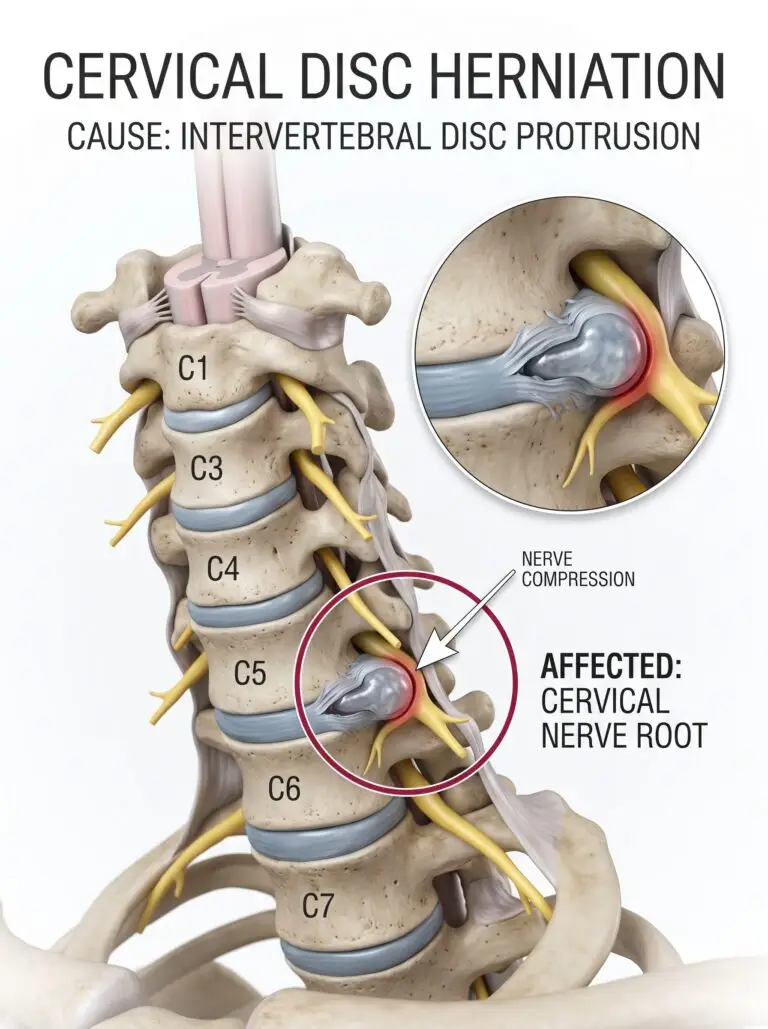
Cervical injuries — injuries to the cervical spine, located in the upper portion of the spine just below the skull — are among the most serious injuries in Texas workers’

Low back injuries are the most common injuries in Texas workers’ compensation — and the most frequently disputed.
Whether caused by lifting, bending, twisting, slipping, or repetitive strain, low back

Lifting injuries are among the most common workplace injuries in Texas — especially in construction, warehousing, manufacturing, delivery, nursing, and oilfield work.
But despite how frequently they occur, lifting

When a worker dies because of a job related injury or illness, Texas law provides Death Income Benefits (DIBs) to help support the surviving family. These benefits are governed by

Lifetime Income Benefits — commonly called LIBs — are the highest‑paying and longest‑lasting benefits available under the Texas Workers’ Compensation Act. They are reserved for the most catastrophic injuries and

Supplemental Income Benefits — commonly called SIBs — are long‑term wage‑replacement benefits available to injured workers in Texas who suffer serious, lasting impairment and cannot return to work at their

The Texas Division of Workers’ Compensation recently released a report showing that designated doctor opinions are upheld 98.6% of the time.
At the same time, Texas Labor Code §408.1225