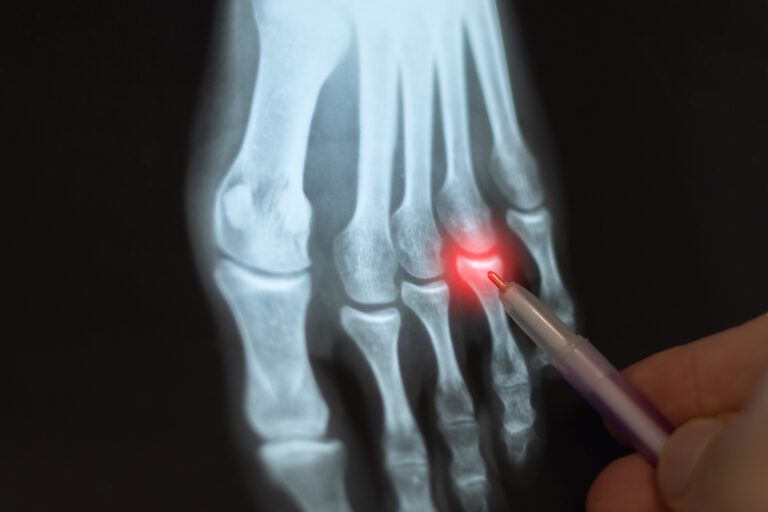
Phalangeal Fractures in Texas Workers’ Compensation Claims
Phalangeal fractures are among the most common finger injuries in Texas workers’ compensation claims. The phalanges are the bones that make up the fingers and thumb, and even small fractures

Phalangeal fractures are among the most common finger injuries in Texas workers’ compensation claims. The phalanges are the bones that make up the fingers and thumb, and even small fractures
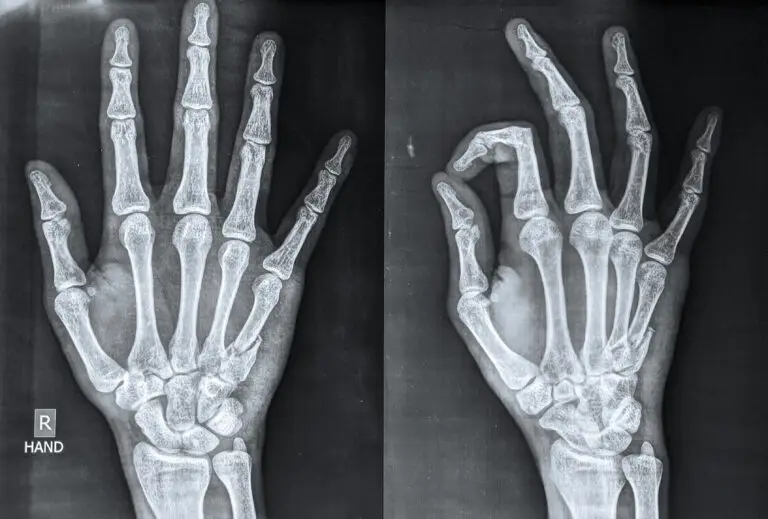
Metacarpal fractures are among the most common hand injuries seen in Texas workers’ compensation claims. The metacarpals are the five long bones that form the palm of the hand and
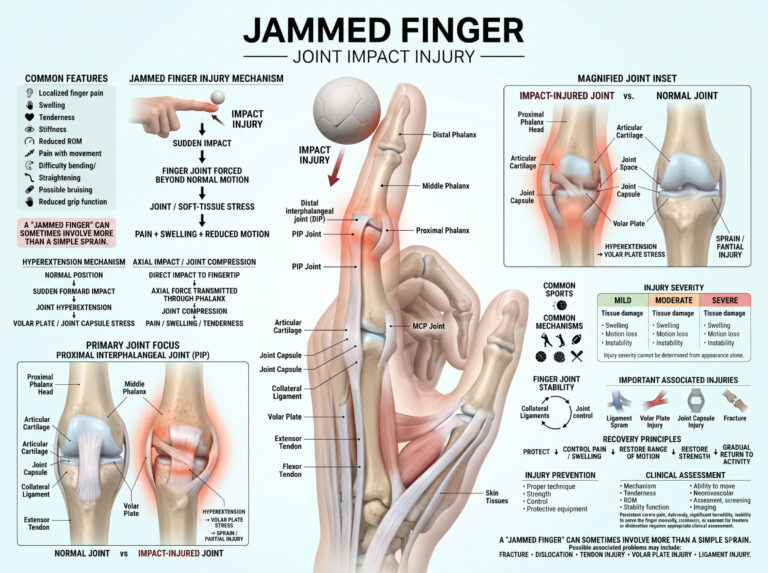
PIP joint injuries are among the most common finger injuries seen in Texas workers’ compensation claims. The proximal interphalangeal (PIP) joint, commonly called the middle finger joint, is critical for
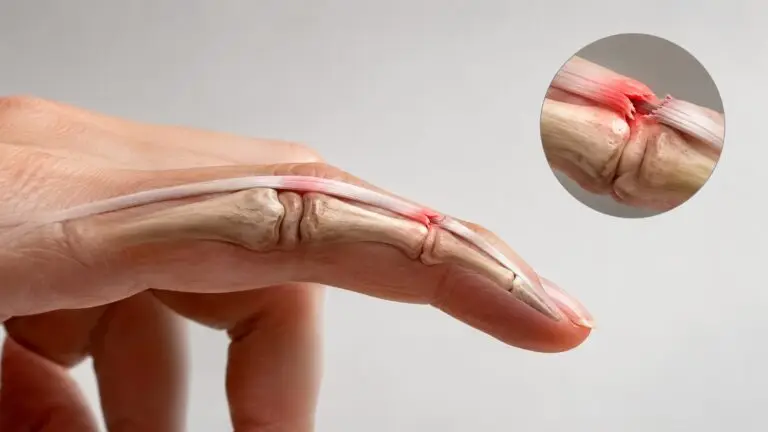
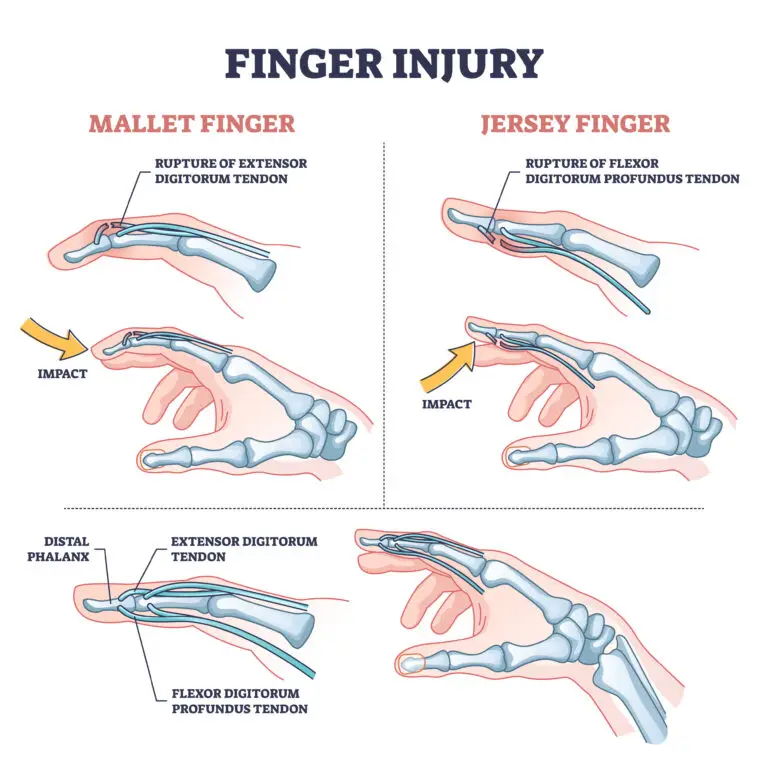
Jersey Finger is one of the most serious tendon injuries affecting the hand and fingers in Texas workers’ compensation claims. The injury occurs when the Flexor Digitorum Profundus (FDP) tendon
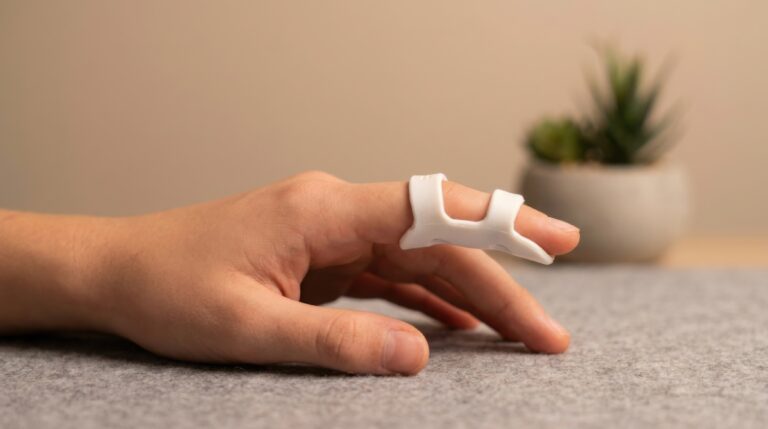
Mallet finger is one of the most common tendon injuries involving the hand and fingers in Texas workers’ compensation claims. Although many people assume it is a minor injury, an
Avulsion fractures are common in Texas workers’ compensation claims — especially in construction, warehousing, manufacturing, oilfield work, transportation, and any job requiring gripping, lifting, pushing, pulling, or tool use. An
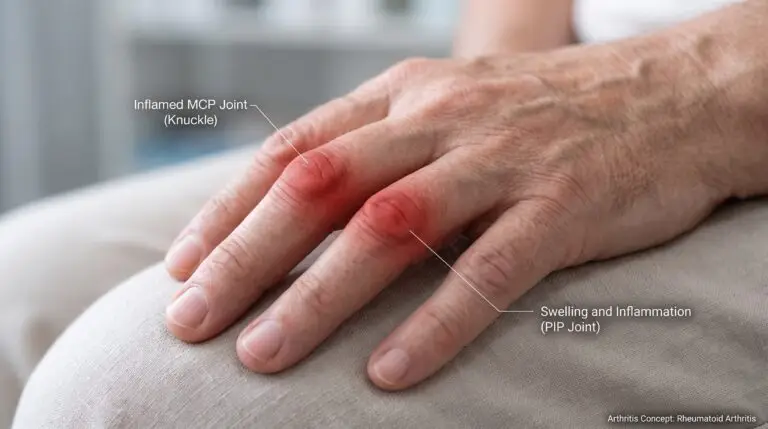
Sagittal band ruptures, often called Boxer’s Knuckle, are painful hand injuries commonly seen in Texas workers’ compensation claims. The injury occurs when the structures responsible for keeping the extensor tendon
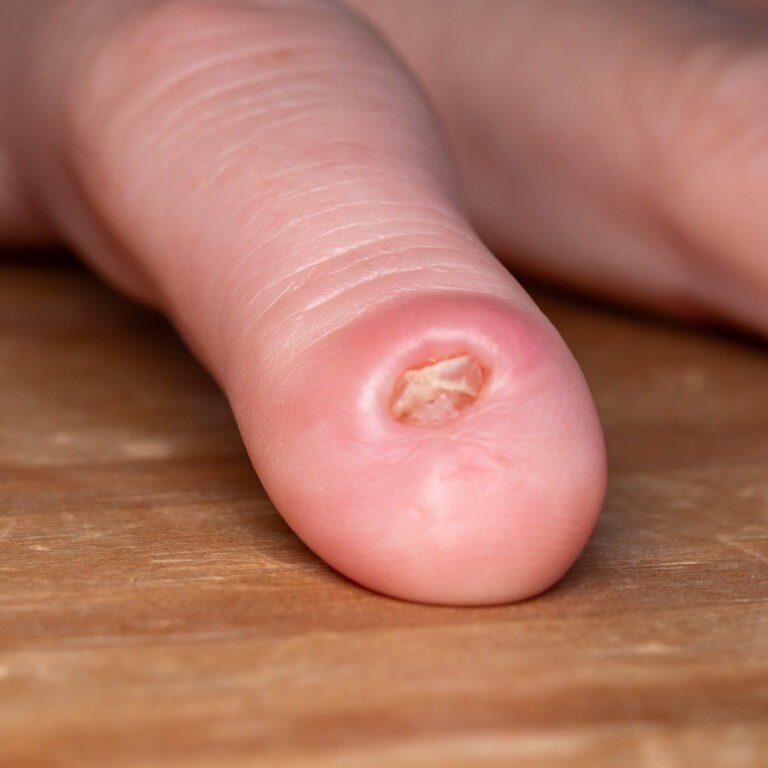
Fingertip amputations are among the most common traumatic amputations in Texas workers’ compensation claims. These injuries frequently occur in construction, manufacturing, warehousing, oilfield work, transportation, food service, and any job
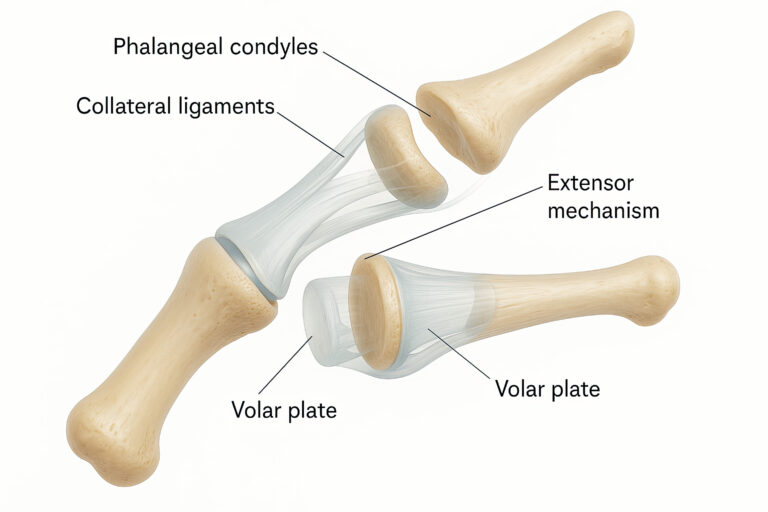
Volar plate injuries are common in Texas workers’ compensation claims — especially in construction, warehousing, manufacturing, oilfield work, transportation, and any job requiring gripping, lifting, pushing, pulling, or tool use.
When you’re hurt at work in Texas, one of the most important parts of your workers’ compensation case is causation — the medical explanation of what the accident actually caused