
What to Do After an Uber or Lyft Accident in Texas
FREE CONSULTATION
Contact Us About Your Case
FREE Consultation Today.
What to Do After an Uber or Lyft Accident in Texas
After an Uber or Lyft accident in Texas, call 911, seek medical care, photograph the scene, save your rideshare trip information, collect driver and witness details, report the crash, and speak with an attorney before giving a recorded statement or accepting a settlement. These steps can protect both your health and your right to pursue compensation.
A rideshare collision can be more complicated than an ordinary car accident. Several drivers may blame one another. The rideshare driver’s app status may determine which insurance policy applies. Uber, Lyft, a personal automobile insurer, and another driver’s carrier may all become involved. Passengers can learn more about these overlapping claims in MLF Legal’s guide to passenger rights in Texas rideshare accidents.
If you were injured as a passenger, driver, pedestrian, bicyclist, or occupant of another vehicle, MLF Legal can investigate the collision and explain your options. Our Texas rideshare injury attorneys examine app records, insurance policies, medical evidence, and the conduct of every driver involved. For broader information about motor-vehicle injury claims, visit our Texas car accident attorney page.
Need help now? Contact MLF Legal for a free consultation or call 214-357-1782.
1. Call 911 and Report the Accident
Call 911 after any rideshare accident involving an injury, significant vehicle damage, a suspected intoxicated driver, or an unsafe roadway. Ask for police and emergency medical assistance.
A responding officer can document important information, including:
- The identities of the drivers
- Driver’s license and insurance information
- Vehicle and license-plate information
- Witnesses
- Road and weather conditions
- Statements made at the scene
- Citations or suspected traffic violations
- The officer’s initial account of the collision
Tell the officer that the vehicle was being used for Uber, Lyft, or another rideshare service. If you were a passenger, explain that you had booked the trip through the app.
Do not assume someone else will report the crash. Before leaving, ask how to obtain the service number or crash-report information. Texas crash reports can later be requested through the official Texas Department of Transportation crash-record system. A crash report can provide useful information, but it is only one part of the evidence needed to prove a claim.
2. Seek Medical Attention Promptly
Your health comes first. Accept emergency care when you have severe pain, bleeding, dizziness, confusion, weakness, numbness, difficulty breathing, or any other concerning symptom.
Some injuries are not immediately obvious. Adrenaline can mask pain, and concussions, soft-tissue injuries, spinal injuries, and internal injuries may worsen over time. If you are not transported from the scene, arrange a medical evaluation as soon as possible.
Tell the medical provider:
- That you were involved in a motor vehicle collision
- Where you were seated
- Whether you struck anything inside the vehicle
- Whether you lost consciousness or felt disoriented
- Every area that hurts or feels different
- When each symptom began
Follow your treatment plan and attend recommended appointments. Gaps in treatment can interfere with recovery and may allow an insurer to argue that your injuries were minor or unrelated to the crash.
3. Photograph and Record the Scene
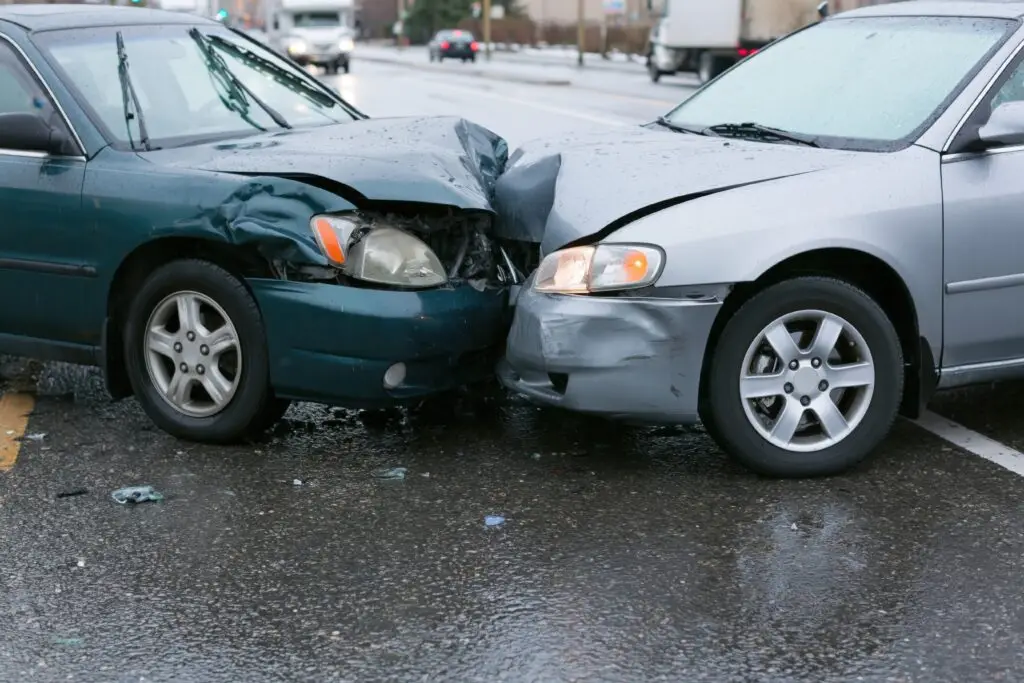
If you can do so safely, use your phone to document the accident before vehicles are moved or evidence disappears.
Photograph or record:
- Every vehicle involved
- Damage to each vehicle
- License plates
- The rideshare company’s window decal, if visible
- Skid marks and debris
- Traffic lights and signs
- Lane markings
- Construction or roadway defects
- Weather and lighting conditions
- Your visible injuries
- Damaged clothing and personal property
Take wide photographs showing the entire scene and close photographs showing specific damage. Video can help establish traffic flow, visibility, vehicle positions, and road conditions.
Do not place yourself in traffic or another dangerous location to obtain evidence.
4. Save Your Uber or Lyft Trip Information
Rideshare records can help establish that the driver was engaged in a covered trip. Before information becomes difficult to locate, take screenshots showing:
- The driver’s name and profile
- The vehicle description
- all license-plate numbers
- pickup location
- destination
- The route
- trip date and time
- The fare or receipt
- Messages exchanged with the driver
- Any accident report or claim number
Keep the electronic receipt and confirmation emails. Do not delete the rideshare app, trip history, photographs, messages, or notifications.
The rideshare company may possess additional evidence, such as app-login data, ride-acceptance timestamps, GPS information, and communications. An attorney can send a preservation notice and pursue appropriate records before they are lost or overwritten.
5. Obtain Information From Everyone Involved
Collect information from the rideshare driver and every other driver involved in the collision. Obtain:
- Full names
- Phone numbers
- Addresses
- Driver’s license information
- Insurance-company names
- Policy information
- Vehicle descriptions
- License-plate numbers
Ask witnesses for their names, phone numbers, and email addresses. A neutral witness may become important if the drivers later provide conflicting accounts.
Do not argue about fault at the scene. Provide accurate information to the police, but avoid guessing about speed, distance, or matters you did not personally observe.
6. Report the Collision Through the Rideshare App
Uber and Lyft provide methods for reporting accidents and safety incidents. Report the collision and retain copies or screenshots of every submission, email, message, claim number, and response.
Keep the report factual and concise. State when and where the collision occurred and that you were injured or are seeking medical evaluation. Do not speculate about fault, minimize your symptoms, or agree to a recorded interview before receiving legal advice.
Reporting the crash does not necessarily begin or complete every insurance claim. You may still need to notify other insurers or pursue separate claims against responsible parties.
7. Understand Which Insurance Policy May Apply
Texas rideshare insurance generally depends on the driver’s status at the time of the crash. What to do after an Uber accident in Texas? – document the rideshare drivers’ fare status at the moment of the crash if possible.
The Driver Was Offline
If the rideshare app was off, the driver’s personal automobile insurance generally applies. Rideshare commercial coverage ordinarily does not apply to purely personal driving.
The App Was On, but No Ride Had Been Accepted
When the driver was logged in and available for a request but had not accepted one, Texas law generally requires liability coverage of at least:
- $50,000 for bodily injury to or death of one person
- $100,000 for bodily injury to or death of two or more people in one incident
- $25,000 for property damage in one incident
The Driver Had Accepted a Ride
After a driver accepts a ride request, Texas law generally requires at least $1 million in total liability coverage for death, bodily injury, and property damage arising from the use of the vehicle. This period generally includes travel to pick up the passenger and the passenger’s trip. That’s why it’s important to note any passengers in the rideshare vehicle that hits you – and get their contact info if possible.
The coverage requirements can be reviewed in the official Texas Insurance Code Chapter 1954. Texas also regulates rideshare companies and drivers through Texas Occupations Code Chapter 2402.
Insurance availability does not guarantee payment. Insurers may dispute fault, the driver’s status, whether the policy applies, the cause of an injury, or the amount of damages.
Because the difference between coverage periods can be significant, preserving app-status and ride-acceptance records should be a priority. A Texas rideshare accident lawyer can request that this electronic evidence be preserved.
8. Avoid Recorded Statements and Broad Medical Authorizations
An insurance adjuster may contact you soon after the accident. The adjuster may sound helpful while asking questions designed to limit the insurer’s responsibility.
Before giving a recorded statement, signing a medical authorization, or providing access to your complete medical history, speak with a lawyer. A broad authorization may give an insurer access to years of unrelated records. A recorded statement may be used to highlight minor inconsistencies or early comments made before the full extent of your injuries was known.
You should not make false statements or hide relevant information. You should, however, understand your rights and the purpose of a request before responding.
9. Do Not Accept a Quick Settlement Without Knowing Your Damages
An early settlement may arrive before doctors know whether you need physical therapy, injections, surgery, or long-term care. It may omit future medical expenses, lost earning capacity, or the lasting effect of an injury.
Once you sign a release, you generally cannot reopen the claim merely because your condition worsens or additional bills arrive. Before accepting an offer, consider:
- The diagnosis and expected recovery
- Future medical treatment
- Past and future lost income
- Physical limitations
- Pain and mental anguish
- Scarring or disfigurement
- Available insurance coverage
- Whether more than one party is responsible
There is no reliable “average” rideshare settlement. Each claim depends on its evidence, injuries, available coverage, and disputed issues.
10. Stay Off Social Media
Insurance companies and defense lawyers may review publicly available posts. A photograph, location check-in, or casual comment can be taken out of context and used to argue that you are less injured than you claim.
Avoid posting about:
- How the crash happened
- Who was at fault
- Your medical condition
- Conversations with insurers
- Settlement discussions
- Travel, exercise, or physical activities
Ask friends and family not to tag you in accident-related or activity-related posts while the claim is pending.
11. Keep a Complete Accident File
Create a paper or electronic folder for all accident-related materials. Keep:
- The police report
- Rideshare receipts and screenshots
- Photographs and videos
- Medical records and bills
- Prescription receipts
- Insurance letters and emails
- Claim numbers
- Repair estimates
- Mileage to medical appointments
- Wage-loss documents
- Notes describing symptoms and limitations
Good records help your attorney understand how the accident affected your health, work, finances, and daily life.
12. Contact a Texas Rideshare Accident Attorney
A lawyer can act quickly to preserve evidence and determine which policies may apply. Depending on the case, our personal injury lawyers may:
- Obtain and analyze the crash report
- Preserve rideshare app and trip data
- Interview witnesses
- Request video and electronic vehicle data
- Determine the driver’s app status
- Identify all potentially responsible parties
- Locate applicable liability and UM/UIM coverage
- Document medical expenses and lost income
- Handle communications with insurers
- Negotiate a settlement
- File a lawsuit and prepare the case for trial when necessary
For additional information about passenger claims, read Passenger Rights in Rideshare Accidents in Texas. You can also learn how our Texas personal injury lawyers investigate negligence, document damages, and pursue compensation for injured clients.
How Long Do You Have to File a Texas Rideshare Accident Lawsuit?
Texas generally requires a personal injury lawsuit to be filed no later than two years after the claim accrues. Wrongful-death claims also generally have a two-year deadline. The general rule appears in Texas Civil Practice and Remedies Code § 16.003.
Exceptions may change the deadline. Claims involving a governmental entity can require formal notice much sooner. Waiting also increases the risk that app records, video, witness memories, and other evidence will disappear.
Do not calculate your deadline without legal advice. Have an attorney review the specific facts as soon as possible.
Injured in an Uber or Lyft Accident? Contact MLF Legal
Rideshare companies and insurers may begin collecting evidence immediately. You deserve a legal team protecting your interests too.
MLF Legal represents injured passengers, drivers, pedestrians, bicyclists, and motorists in Dallas, Fort Worth, North Texas, and across Texas. We can investigate the accident, identify available insurance, and pursue the compensation Texas law allows.
Call MLF Legal at 214-357-1782 or (817) 496-3447, or schedule a free consultation with our Texas injury lawyers. Se habla español.
This article provides general information and is not legal advice. Reading this article or contacting the firm does not create an attorney-client relationship. An attorney-client relationship begins only after a written agreement is signed and accepted.
FAQs: What to Do After an Uber or Lyft Accident in Texas
Call 911, seek medical attention, photograph the scene, collect information from all drivers and witnesses, and save screenshots of the driver profile, trip route, receipt, and app messages. Report the crash and speak with an attorney before giving a recorded statement.
Yes. Make a factual report and preserve copies of all communications and claim numbers. An in-app report may not notify every responsible insurer, so additional claims may still be required.
It depends on who caused the crash and the rideshare driver’s app status. Potential sources include the rideshare driver’s personal policy, rideshare commercial insurance, another driver’s liability coverage, and applicable uninsured or underinsured motorist coverage.
You may have a claim against the other driver. If that driver has no insurance or insufficient insurance, other coverage may be available depending on the policies and facts.
Potentially. Texas law permits parties to present certain seat-belt evidence when relevant to responsibility or damages, but failure to wear a seat belt does not automatically eliminate an injury claim. The effect depends on the evidence.
You should notify the appropriate parties, but consult an attorney before giving a recorded statement, signing a broad medical authorization, or accepting a settlement.
Claim value depends on fault, injury severity, medical treatment, lost income, future limitations, available coverage, and the strength of the evidence. A proper evaluation requires the facts and medical documentation.
MLF Legal offers free consultations. For accepted personal injury cases handled on a contingency-fee basis, attorney’s fees are paid from a recovery under the written representation agreement.
Injured at work in Texas and your employer doesn’t have workers’ comp?
You may have the right to sue and recover full compensation.
Contact MLF Legal today for a free consultation. You pay nothing unless we win your case.
Call MLF Legal today
214-357-1782
Fill out our online form
for a free consultation.
We only get paid if we win your case.