
Symbicort and Social Security Disability Benefits
TELL US WHAT HAPPENED SO WE CAN HELP. FREE CONSULTATION

Contact Us About Your Case
FREE Consultation Today.
Symbicort and Social Security Disability Benefits
Symbicort is an inhaled medication used to treat chronic respiratory conditions such as asthma and COPD. If you are taking Symbicort, it may mean your breathing condition requires ongoing maintenance treatment. Although taking Symbicort does not automatically qualify someone for Social Security Disability benefits, it does help to prove how serious the condition has become.
Social Security does not approve disability benefits simply because a person takes a certain medication. Instead, SSA evaluates the underlying respiratory condition, the severity of symptoms, objective testing, treatment history, medication side effects, and whether the person can sustain full-time work.
Symbicort may appear in disability claims involving:
- asthma
- chronic obstructive pulmonary disease
- chronic bronchitis
- emphysema
- chronic shortness of breath
- wheezing
- chronic cough
- chest tightness
- respiratory exacerbations
- fatigue
- environmental restrictions
- medication side effects
Symbicort contains budesonide, an inhaled corticosteroid, and formoterol, a long-acting beta2-adrenergic agonist. FDA prescribing information lists Symbicort for asthma treatment in patients 6 years of age and older and for maintenance treatment of airflow obstruction in COPD, including chronic bronchitis and emphysema. It is not indicated for relief of acute bronchospasm.
This guide explains how Symbicort may fit into a Social Security Disability claim, what symptoms and limitations matter, what medical evidence may help, and how MLF Legal helps disability applicants nationwide.
What Is Symbicort?
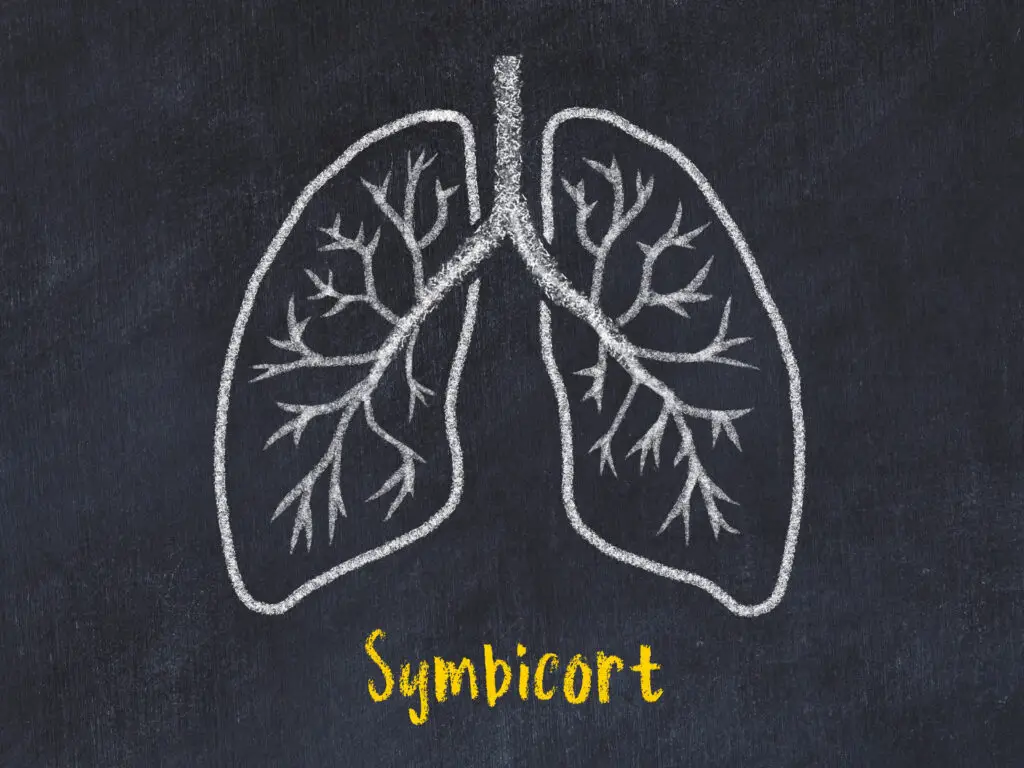
Symbicort is a combination inhaler. It includes:
- budesonide, an inhaled corticosteroid that helps reduce airway inflammation
- formoterol, a long-acting bronchodilator that helps open the airways
Doctors may prescribe Symbicort for respiratory conditions involving:
- asthma
- COPD
- chronic bronchitis
- emphysema
- chronic airflow obstruction
- recurring wheezing
- persistent shortness of breath
- frequent respiratory symptoms despite treatment
Symbicort is a maintenance medication, not a rescue inhaler. The FDA label states that it is not indicated for the relief of acute bronchospasm.
Medication use alone does not prove disability. The key question is whether the underlying respiratory condition and any side effects prevent reliable full-time work.
Can Taking Symbicort Qualify You for Social Security Disability?
Taking Symbicort may support a Social Security Disability claim, but it does not qualify someone by itself.
Social Security may consider Symbicort as part of the treatment history. It may show that a person has asthma, COPD, or another respiratory condition requiring daily maintenance treatment.
But SSA will still evaluate:
- the respiratory diagnosis
- pulmonary function test results
- oxygen saturation
- imaging findings
- frequency of asthma attacks or COPD exacerbations
- emergency room visits or hospitalizations
- shortness of breath
- wheezing
- fatigue
- walking tolerance
- standing tolerance
- oxygen use
- environmental triggers
- medication side effects
- ability to sustain full-time work
The central issue is whether the person can work reliably despite the breathing condition and treatment.
For example, a person taking Symbicort may have a stronger disability claim if they continue to experience:
- shortness of breath with minimal activity
- frequent asthma attacks
- COPD exacerbations
- repeated steroid bursts
- emergency room visits
- hospitalizations
- inability to walk across a workplace
- difficulty climbing stairs
- severe fatigue
- frequent rescue inhaler use
- inability to tolerate dust, fumes, smoke, chemicals, heat, humidity, or cold
- medication side effects
- missed workdays
- inability to complete a full workday
If these limitations are medically documented and prevent reliable employment, disability benefits may be available.
Symbicort and Asthma Disability Claims
Asthma can range from mild and controlled to severe and disabling. Symbicort may be prescribed when asthma requires ongoing controller therapy.
Asthma may affect work when it causes:
- shortness of breath
- wheezing
- chest tightness
- coughing
- frequent attacks
- rescue inhaler use
- emergency room visits
- steroid bursts
- hospitalizations
- reduced exercise tolerance
- missed workdays
- need to avoid triggers
Asthma-related disability claims often depend on the frequency and severity of attacks, response to treatment, medication history, environmental triggers, and whether symptoms prevent full-time work.
Symbicort and COPD Disability Claims
Symbicort may also appear in claims involving COPD, including chronic bronchitis and emphysema. COPD can limit work because it affects breathing, stamina, environmental tolerance, and attendance.
COPD may cause:
- shortness of breath
- wheezing
- chronic cough
- mucus production
- chest tightness
- reduced stamina
- fatigue
- difficulty walking
- difficulty climbing stairs
- frequent respiratory infections
- exacerbations
- need for inhalers, nebulizers, or oxygen
- environmental restrictions
Often, COPD can limit both physical and sedentary jobs. A person may be unable to perform physical labor because of shortness of breath, but may also struggle with sedentary work if they need frequent breathing treatments, cannot tolerate workplace air quality, experience severe fatigue, or miss work due to exacerbations.
Symbicort and Chronic Bronchitis
Chronic bronchitis is a form of COPD involving chronic airway inflammation and mucus production.
Work-related symptoms may include:
- persistent cough
- mucus production
- shortness of breath
- wheezing
- fatigue
- frequent respiratory infections
- difficulty speaking for long periods
- difficulty walking or climbing stairs
- need for respiratory medications
Chronic cough and mucus production may interfere with customer service, phone work, meetings, healthcare work, teaching, public-facing jobs, or jobs requiring steady communication.
Symbicort and Emphysema
Emphysema damages the air sacs in the lungs and can make it difficult to move oxygen effectively.
Emphysema may affect work by causing:
- shortness of breath with exertion
- low oxygen levels
- limited walking tolerance
- difficulty climbing stairs
- fatigue
- reduced ability to lift and carry
- need to avoid respiratory irritants
- need for oxygen in some cases
- frequent exacerbations
A person with emphysema may have difficulty with jobs requiring walking, standing, lifting, carrying, outdoor exposure, heat exposure, or poor ventilation.
Symbicort and Shortness of Breath
Shortness of breath is often the most important symptom in Symbicort-related disability claims.
Shortness of breath may affect work by limiting:
- walking
- standing
- lifting
- carrying
- climbing stairs
- bending
- speaking for long periods
- working at a steady pace
- tolerating stress
- completing a full workday
A person may be stable while sitting in a doctor’s office but become short of breath with ordinary work activity. Social Security should evaluate how symptoms affect sustained work, not just how the person appears at rest.
Symbicort and Wheezing, Coughing, and Chest Tightness
Wheezing, coughing, and chest tightness can interfere with work even when oxygen levels are not severely reduced.
These symptoms may affect:
- speaking
- phone work
- customer service
- teaching
- public-facing work
- physical exertion
- sleep quality
- concentration
- pace
- attendance
Frequent coughing or wheezing may also be worsened by workplace irritants such as dust, fumes, smoke, cleaning products, perfume, or poor ventilation.
Symbicort and Fatigue
Respiratory conditions often cause fatigue because breathing requires extra effort. Poor sleep, coughing, low oxygen levels, infections, steroid use, anxiety, heart complications, and medication side effects may also worsen fatigue.
Fatigue may affect work by causing:
- reduced stamina
- slower pace
- poor concentration
- need for rest breaks
- inability to walk throughout the day
- difficulty working full shifts
- inability to work consecutive days
- absences after respiratory flares
Fatigue can be disabling even when a person is not actively wheezing or gasping for air.
Symbicort and Respiratory Exacerbations
Asthma and COPD can worsen suddenly. These episodes may be called attacks, exacerbations, flares, or acute episodes.
Exacerbations may involve:
- increased shortness of breath
- worsening wheezing
- increased coughing
- increased mucus
- chest tightness
- respiratory infection
- need for steroids or antibiotics
- urgent care visits
- emergency room visits
- hospitalization
- recovery time lasting days or weeks
Absences can be a major issue in respiratory disability claims. A person may be able to function on stable days but still be unable to maintain full-time employment if exacerbations cause excessive missed work.
Symbicort and Rescue Inhaler Use
Symbicort is a maintenance inhaler, not a rescue inhaler for sudden acute bronchospasm. People taking Symbicort may still require rescue inhalers or other fast-acting medication for sudden symptoms.
Ongoing rescue inhaler or nebulizer use may help show that symptoms remain active despite maintenance treatment.
Relevant evidence may include:
- rescue inhaler frequency
- nebulizer use
- urgent care visits
- steroid bursts
- hospitalizations
- shortness of breath despite treatment
- activity limits despite medication
The disability claim should focus on what symptoms remain despite treatment, not merely the fact that Symbicort is prescribed.
Symbicort and Oxygen Use
Some people with COPD or severe respiratory disease require supplemental oxygen. Oxygen use can significantly affect work capacity.
Social Security may consider:
- whether oxygen is prescribed
- whether oxygen is used continuously or with exertion
- oxygen saturation readings
- portable oxygen needs
- how oxygen equipment affects mobility
- whether oxygen use is compatible with workplace demands
- safety restrictions around heat, flames, chemicals, or machinery
Oxygen use may limit jobs involving physical exertion, hazards, open flames, poor ventilation, climbing, fast-paced movement, or long walking distances.
Symbicort and Environmental Restrictions
Environmental restrictions are often critical in respiratory disability claims.
A person taking Symbicort for asthma or COPD may need to avoid exposure to:
- dust
- fumes
- smoke
- chemical odors
- cleaning products
- perfumes
- gases
- poor ventilation
- extreme heat
- extreme cold
- humidity
- pollen
- mold
- respiratory irritants
These restrictions can affect many jobs, including:
- construction
- manufacturing
- warehouses
- cleaning
- food service
- healthcare
- automotive work
- painting
- landscaping
- salons
- laboratories
- agriculture
- maintenance
- factory work
Even if a person can perform some physical activity, environmental restrictions may eliminate many jobs.
Symbicort and Medication Side Effects
Medication side effects can be relevant in a Social Security Disability claim if they are documented and affect work.
Symbicort’s prescribing information includes warnings and precautions involving serious asthma-related events, worsening disease and acute episodes, Candida infection of the mouth and throat, pneumonia risk in COPD patients, immunosuppression, adrenal effects, cardiovascular and central nervous system effects, glaucoma and cataracts, paradoxical bronchospasm, and hypokalemia or hyperglycemia in some circumstances.
Possible work-related side effects may include:
- tremors
- nervousness
- rapid heartbeat
- dizziness
- headache
- throat irritation
- hoarseness
- cough
- oral thrush
- increased infection risk
- pneumonia risk in COPD
- sleep disruption
- fatigue
- weakness
- vision problems from glaucoma or cataracts
- worsening breathing symptoms in unusual cases
Not everyone experiences serious side effects. But when side effects occur and are documented, Social Security may consider how they affect attendance, stamina, safety, and reliability.
Symbicort and Residual Functional Capacity
Residual Functional Capacity, or RFC, describes what a person can still do despite medical limitations.
For someone taking Symbicort, RFC usually focuses on the underlying respiratory condition and any treatment side effects.
RFC limitations may involve:
- limited walking
- limited standing
- no lifting
- limited carrying
- limited climbing
- no ladders or scaffolds
- avoidance of dust, fumes, smoke, gases, chemicals, odors, or poor ventilation
- avoidance of heat, cold, or humidity
- need for oxygen
- need for breathing breaks
- reduced pace
- absences from exacerbations
- off-task time from shortness of breath or fatigue
- no hazardous machinery if dizziness or oxygen use is involved
- inability to complete a full workday
A strong disability claim explains how respiratory symptoms translate into work restrictions.
For example:
- Asthma may require environmental restrictions.
- COPD may limit walking, standing, lifting, and climbing.
- Oxygen use may create mobility and safety limitations.
- Exacerbations may cause absences.
- Fatigue may reduce pace and stamina.
- Medication side effects may affect alertness, safety, or attendance.
Relevant Social Security Blue Book Listings for Symbicort-Related Claims
The Social Security Blue Book listing analysis depends on the underlying respiratory diagnosis.
Symbicort-related claims may involve listings related to:
- chronic respiratory disorders
- asthma
- respiratory failure
- pulmonary hypertension
- chronic heart failure or cardiac complications if present
- sleep-related breathing disorders if symptoms overlap
For COPD, Social Security often considers the adult respiratory listings, including chronic respiratory disorders. Asthma claims may involve asthma-related respiratory listing analysis, but many respiratory claims are decided through RFC rather than a listing alone.
Even if a person does not meet a Blue Book listing, Symbicort-related respiratory symptoms may still support disability if they prevent reliable full-time work.
Medical Evidence That May Support a Symbicort Disability Claim
Strong medical evidence is important because Social Security needs more than a medication list.
Helpful evidence may include:
- pulmonology records
- primary care records
- allergy or asthma specialist records
- pulmonary function testing
- spirometry results
- FEV1 and FVC measurements
- bronchodilator response testing
- DLCO testing when performed
- oxygen saturation readings
- exercise oximetry
- arterial blood gas testing
- chest X-rays
- CT scans
- emergency room records
- hospitalization records
- records of asthma attacks or COPD exacerbations
- steroid or antibiotic treatment records
- rescue inhaler use
- nebulizer records
- oxygen prescriptions
- sleep study records if relevant
- cardiology records if heart disease or pulmonary hypertension is involved
- Symbicort prescription records
- physician statements about work restrictions
The strongest records connect the respiratory diagnosis and treatment to specific work limitations.
Pulmonary Function Testing and Symbicort Claims
Pulmonary function testing can be important in asthma and COPD disability claims. These tests may measure airflow, lung volume, and gas exchange.
Common evidence may include:
- FEV1
- FVC
- FEV1/FVC ratio
- DLCO
- oxygen saturation
- bronchodilator response
- exercise testing
Pulmonary function test results can support the severity of respiratory disease, but RFC still depends on how the condition affects work activities.
For example, test results may support limitations in walking, lifting, climbing, exposure to respiratory irritants, need for oxygen, or ability to sustain pace.
Doctor Statements for Carvedilol-Related Work Limitations
Respiratory exacerbations can be central to a disability claim.
Helpful evidence may include:
- urgent care records
- emergency room records
- hospitalization records
- steroid bursts
- antibiotic prescriptions
- increased rescue inhaler use
- physician notes describing flare frequency
- missed work records
- treatment changes after exacerbations
- recovery time after flares
Social Security evaluates whether a person can work reliably over time, not just whether symptoms are controlled on some days.
Doctor Statements for Symbicort-Related Work Limitations
A treating provider’s statement may help explain how asthma, COPD, or another respiratory condition affects work.
A useful statement may address:
- how far the person can walk
- the duration a person can stand
- how much the person can lift
- whether stairs should be limited
- if oxygen is required
- whether respiratory irritants must be avoided
- whether heat, cold, or humidity worsen symptoms
- how often exacerbations occur
- whether breathing breaks are needed
- how often the person may miss work
- whether fatigue affects pace or productivity
- whether side effects affect functioning
The most helpful opinions are specific, consistent with medical records, and tied to work-related functions.
Tracking Symptoms While Taking Symbicort
A symptom log may help document how the respiratory condition affects daily life. A useful log may include:
- shortness of breath episodes
- wheezing
- coughing
- chest tightness
- walking distance
- stair tolerance
- oxygen saturation readings if monitored
- rescue inhaler use
- nebulizer use
- fatigue level
- environmental triggers
- exacerbation dates
- urgent care or ER visits
- missed work or activities
- medication side effects
- recovery time after activity
A symptom log is not a substitute for medical evidence, but it may help support treatment records and testimony.
Examples of Work Limitations in Symbicort-Related Disability Claims
A person taking Symbicort may have work limitations such as:
- inability to walk across a workplace
- inability to stand for long periods
- difficulty climbing stairs
- limited lifting and carrying
- need to avoid dust, fumes, smoke, chemicals, or poor ventilation
- need to avoid heat, cold, or humidity
- breaks to use oxygen
- need for breathing breaks
- absences from asthma attacks or COPD exacerbations
- reduced pace from shortness of breath
- fatigue that limits full-time work
- inability to tolerate outdoor or industrial work
- inability to complete a full workday
- difficulty sustaining full-time work
At a disability hearing, these limitations may be important because a vocational expert may consider whether a person with those restrictions could sustain competitive employment.
Signs Symbicort May Be Relevant to Your Disability Claim
You may want to explore disability eligibility if you take Symbicort and still experience:
- shortness of breath with minimal activity
- frequent asthma attacks
- frequent rescue inhaler use
- nebulizer use
- repeated steroid bursts
- COPD exacerbations
- emergency room visits
- hospitalizations
- difficulty walking
- difficulty climbing stairs
- severe fatigue
- inability to tolerate respiratory irritants
- missed workdays
- failed attempts to keep working
When the underlying respiratory condition and treatment effects prevent reliable full-time employment, disability benefits may be available.
When to Speak With a Social Security Disability Lawyer
Claims involving Symbicort can be strong when the medication helps show ongoing treatment for asthma or COPD, but the claim still needs evidence of work limitations. Social Security will not approve benefits simply because Symbicort is prescribed.
Many people seek legal help when:
- their disability claim has been denied
- they take Symbicort but still cannot work
- they have asthma, COPD, emphysema, or chronic bronchitis
- shortness of breath interferes with work
- walking, standing, lifting, or climbing is limited
- oxygen use affects daily activity
- environmental restrictions eliminate past work
- exacerbations cause absences
- they are preparing for a disability hearing
Our social security disability attorneys can help evaluate how Symbicort, the underlying respiratory diagnosis, symptoms, and medical evidence fit into the overall SSDI claim.

FAQs: Symbicort and Social Security Disability Benefits
Can taking Symbicort qualify me for Social Security Disability?
Taking Symbicort does not automatically qualify someone for disability benefits. However, Symbicort may support a disability claim by showing treatment for asthma, COPD, or another serious respiratory condition. Social Security will evaluate the underlying diagnosis, symptoms, test results, treatment response, side effects, and work limitations.
What conditions is Symbicort used to treat?
Symbicort is used for asthma treatment in patients 6 years of age and older and for maintenance treatment of airflow obstruction in COPD, including chronic bronchitis and emphysema.
Is Symbicort a rescue inhaler?
No. Symbicort is a maintenance medication. FDA labeling states that Symbicort is not indicated for relief of acute bronchospasm.
Can Symbicort side effects affect a disability claim?
Yes. Medication side effects may matter if they are documented and affect work. Relevant issues may include tremors, nervousness, rapid heartbeat, dizziness, headache, oral thrush, infection risk, pneumonia risk in COPD, fatigue, weakness, or vision problems.
Can asthma treated with Symbicort qualify for SSDI?
Yes. Asthma may support an SSDI claim when attacks, shortness of breath, emergency treatment, hospitalizations, steroid use, environmental triggers, or work restrictions prevent reliable full-time employment.
Can COPD treated with Symbicort qualify for SSDI?
Yes. COPD may qualify for SSDI if it meets or equals a respiratory listing or if RFC evidence shows that shortness of breath, fatigue, oxygen use, exacerbations, environmental restrictions, or other limitations prevent full-time work.
What evidence helps prove a Symbicort-related disability claim?
Helpful evidence may include pulmonology records, asthma specialist records, pulmonary function tests, oxygen saturation readings, imaging, emergency room records, hospitalization records, exacerbation records, rescue inhaler use, oxygen prescriptions, Symbicort prescription records, and provider statements about work limitations.
What should I do if I take Symbicort and cannot work?
You may want to speak with a Social Security Disability attorney to evaluate whether your respiratory symptoms, treatment history, side effects, RFC limitations, and work history may support a disability claim.
Contact MLF Legal for a Free Disability Case Evaluation
If asthma, COPD, shortness of breath, wheezing, respiratory flare-ups, fatigue, Symbicort side effects, or another medical condition prevents you from working, you may qualify for Social Security Disability benefits.
MLF Legal represents disability applicants nationwide. Based in Dallas, Texas, we help individuals across the country pursue disability benefits.
Our social security lawyers can review your situation for free and explain your options.
📞 Call MLF Legal at 214-357-1782 to request a free consultation.
Next Steps:
1st Sign up For a Free One-on-One Disability Case Evaluation
Contact us today to schedule your personalized one-on-one free phone consultation with one of our dedicated legal professionals. Our experienced social security lawyers are here to provide the expert legal guidance and support you need throughout the entire process of your case.
We understand the complexities involved in social security disability claims and are committed to helping you achieve the best possible outcome. Don’t hesitate to reach out and take the first step toward securing the justice you deserve.
2nd Download Free E-Books
Social Security Disability
Navigating the Social Security Disability Benefits process can be complex, but understanding the key steps can help. From gathering medical records to completing the application, this process ensures eligible individuals receive the support they need. Seeking guidance from experts can simplify the journey and increase the chances of a successful outcome.
Call MLF Legal today
214-357-1782
Fill out our online form
for a free consultation.
We only get paid if we win your case.