
Parkinson’s Disease & Social Security Disability Benefits: How to Qualify for SSDI Under SSA Listing 11.06
TELL US WHAT HAPPENED SO WE CAN HELP. FREE CONSULTATION

Contact Us About Your Case
FREE Consultation Today.
Parkinson’s Disease & Social Security Disability Benefits: How to Qualify for SSDI Under SSA Listing 11.06
Parkinson’s disease (PD) is a progressive neurological disorder that affects movement, coordination, speech, and cognitive function. As symptoms worsen, many Americans find it impossible to maintain full‑time employment. Social Security Disability benefits can provide essential financial support — but Parkinson’s Disease and Social Security Disability claims are often denied when medical records don’t clearly document functional limitations.
This guide explains how Parkinson’s disease qualifies for SSDI under SSA Listing 11.06, what evidence matters most, and how MLF Legal helps Americans win disability benefits.

Understanding SSA Listing 11.06: Parkinsonian Syndrome
SSA evaluates Parkinson’s disease under Listing 11.06, which focuses on motor dysfunction, cognitive decline, and behavioral limitations. You do not need a specific subtype of Parkinsonism — only proof of functional impairment.
How to Meet SSA Listing 11.06
To meet the listing, you must show one of the following:
1. Significant Motor Limitations
Parkinson’s must cause disorganization of motor function in two extremities, resulting in:
Extreme difficulty standing up
Extreme difficulty balancing while standing or walking
Extreme difficulty using arms/hands for work tasks
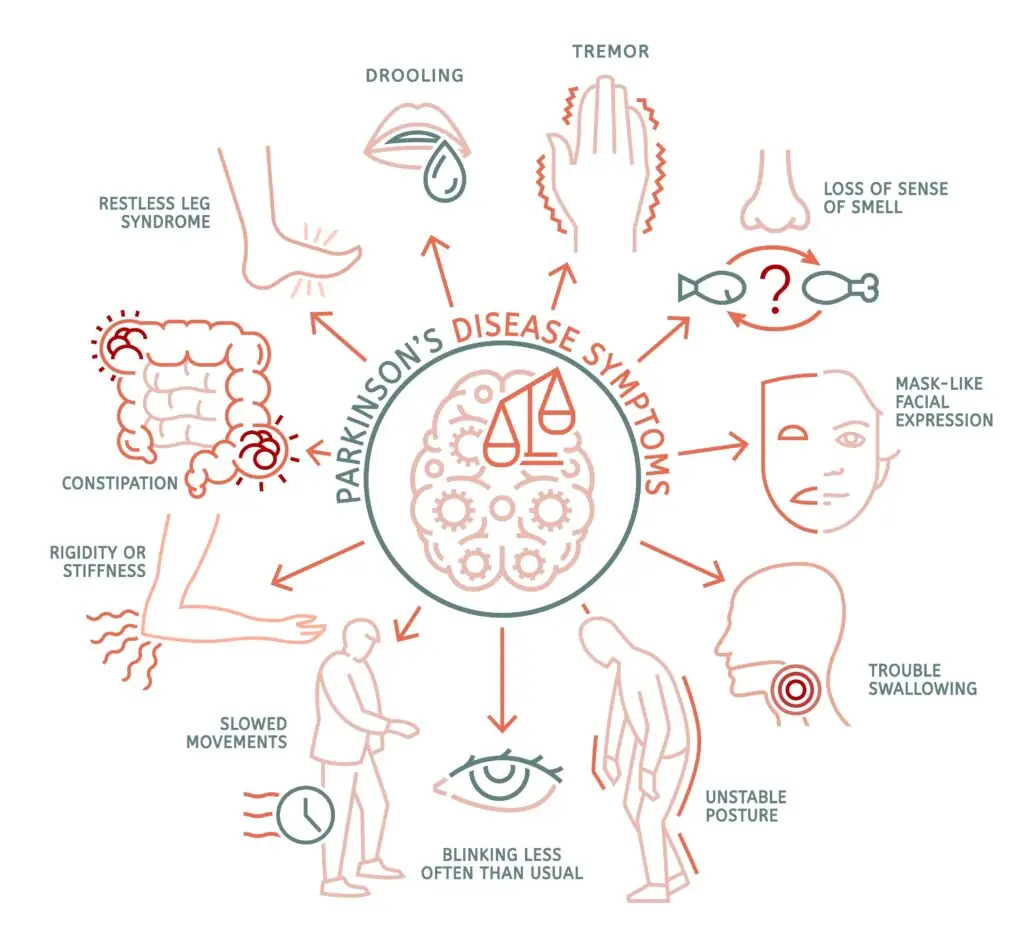
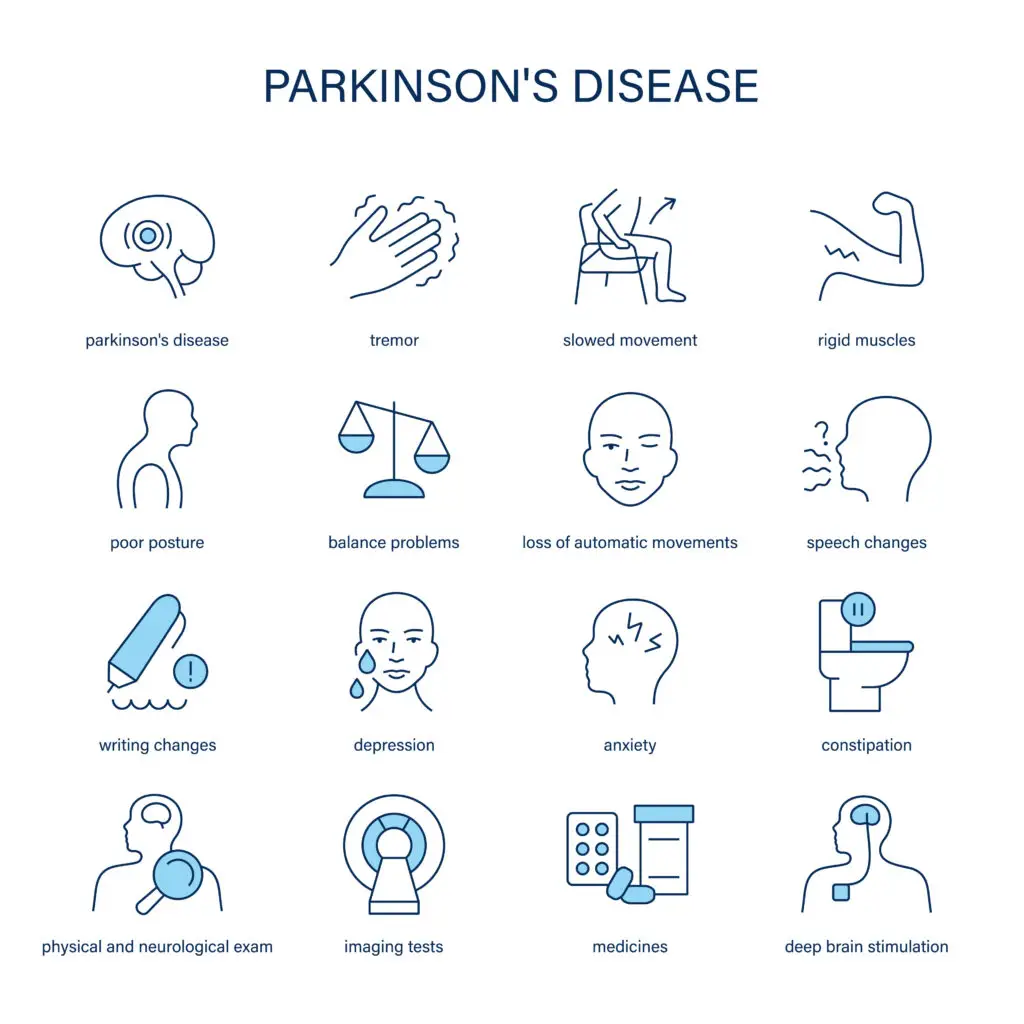
SSA looks for symptoms such as:
Bradykinesia
Tremors
Rigidity
Freezing episodes
Postural instability
These symptoms must seriously limit independent movement to support a Parkinson Disease and Social Security disability claim. This gives applicants the best chance at approval of Parkinson Disease and Social Security disability claims.
2. Marked Physical + Cognitive/Behavioral Limitations
If motor symptoms alone don’t meet the listing, SSA evaluates whether Parkinson’s causes:
Marked physical limitations, AND
Marked limitations in one of the following:
Understanding/remembering/applying information
Interacting with others
Concentration, persistence, or pace
Adapting or managing oneself
This is where many Parkinson’s claims succeed — especially when cognitive decline, slowed thinking, or mood changes interfere with work.
Common Parkinson’s Symptoms That Support SSDI Claims
Parkinson’s affects multiple neurological systems. SSA pays close attention to:
Motor Symptoms
Tremors
Rigidity
Slowed movement
Shuffling gait
Loss of balance
Difficulty with fine motor tasks
Cognitive Symptoms
Memory problems
Slowed processing
Executive dysfunction
Behavioral & Emotional Symptoms
Other Symptoms
Speech difficulties
Sleep disturbances
Autonomic dysfunction
These symptoms often make full‑time work unsafe or unsustainable.
Evidence Needed to Win a Parkinson’s SSDI Claim
Parkinson’s claims are denied most often due to incomplete documentation. Strong claims include:
Neurological Records
Diagnosis from a neurologist
UPDRS (Unified Parkinson’s Disease Rating Scale) scores
MRI or DaTscan results
Medication history (including “on/off” fluctuations)
Functional Evidence
Physical therapy notes
Occupational therapy evaluations
Neuropsychological testing
Gait/balance assessments
Daily Function Documentation
Difficulty dressing, bathing, or preparing meals
Falls or near‑falls
Trouble writing or typing
Fatigue and slowed pace
Work‑Related Limitations
Reduced productivity
Frequent absences
Safety concerns
Inability to meet job demands
Why Parkinson’s Claims Are Often Denied
Even severe Parkinson’s cases get denied because:
Records don’t describe functional limitations
Symptoms appear “controlled” during short office visits
Cognitive symptoms aren’t documented
Medication fluctuations aren’t recorded
Claimants continue part‑time work
No third‑party statements or functional evidence
MLF Legal helps clients avoid these pitfalls by building a complete, medically supported record that aligns with SSA’s expectations.
How MLF Legal Helps Applicants With Parkinson’s Disability Claims
Our social security disability attorneys:
Gather and organize medical evidence
Coordinate with neurologists for detailed documentation
Demonstrate motor, cognitive, and behavioral limitations
Prepare clients for hearings and appeals
Fight for back pay and ongoing benefits
FAQs: Parkinson’s Disease Disability Benefits
Does Parkinson’s automatically qualify for SSDI?
No. You must show motor or cognitive limitations that prevent full‑time work.
Do I need a DaTscan to qualify?
No. A neurologist’s diagnosis and documented symptoms are sufficient.
Can cognitive decline help my claim?
Yes. Memory, processing speed, and concentration issues are key evidence.
Can I qualify if medication helps sometimes?
Yes. SSA evaluates “on/off” fluctuations and overall functional ability.
Does Parkinson’s progression matter?
Yes. SSA considers long‑term decline and increasing limitations.
Contact MLF Legal for a Free Disability Case Evaluation
If Parkinson’s disease prevents you from working, or another medical condition prevents you from working, you may qualify for Social Security Disability benefits.
MLF Legal represents disability applicants nationwide. Based in Dallas, Texas, we help individuals across the country pursue disability benefits.
Our social security lawyers can review your situation for free and explain your options.
📞 Call MLF Legal at 214-357-1782 to request a free consultation.
Next Steps:
1st Sign up For a Free One-on-One Disability Case Evaluation
Contact us today to schedule your personalized one-on-one free phone consultation with one of our dedicated legal professionals. Our experienced social security lawyers are here to provide the expert legal guidance and support you need throughout the entire process of your case.
We understand the complexities involved in social security disability claims and are committed to helping you achieve the best possible outcome. Don’t hesitate to reach out and take the first step toward securing the justice you deserve.
2nd Download Free E-Books
Social Security Disability

Navigating the Social Security Disability Benefits process can be complex, but understanding the key steps can help. From gathering medical records to completing the application, this process ensures eligible individuals receive the support they need. Seeking guidance from experts can simplify the journey and increase the chances of a successful outcome.
Call MLF Legal today
214-357-1782
Fill out our online form
for a free consultation.
We only get paid if we win your case.