
Distracted Driving Accidents in Dallas
FREE CONSULTATION
Contact Us About Your Case
FREE Consultation Today.
Distracted Driving Accidents in Dallas
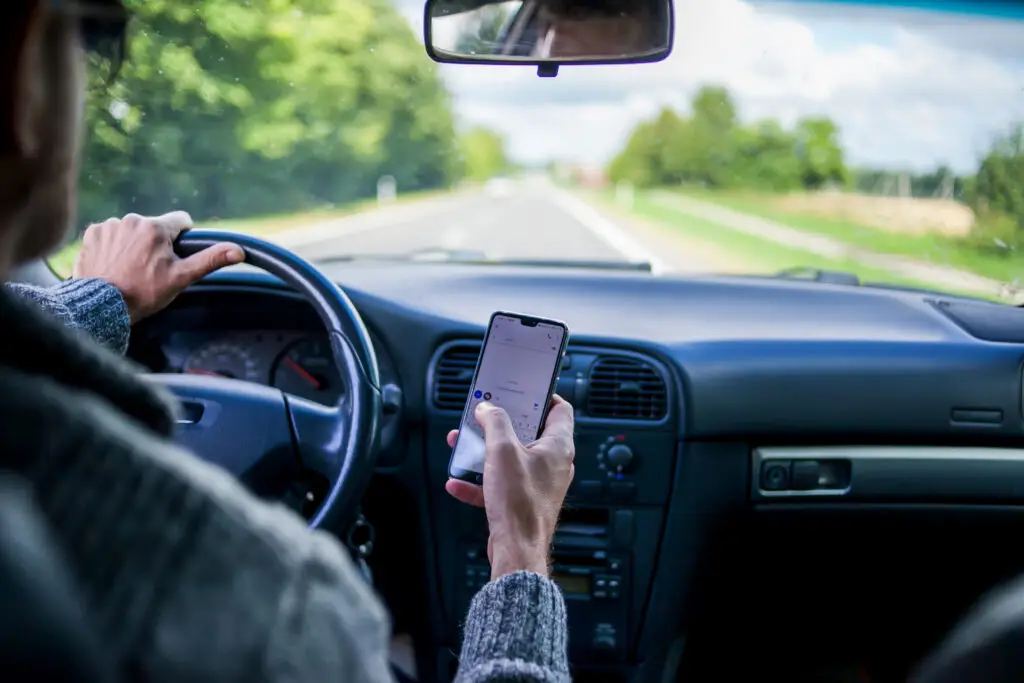
Distracted driving is one of the leading causes of car accidents in Dallas, and the problem continues to grow every year. Even a momentary distraction—just a few seconds—can cause a driver to miss a red light, drift into another lane, or fail to brake in time. Because of this, distracted driving crashes often result in severe injuries, significant medical bills, and long‑term disruption to the lives of injured Texans.
At MLF Legal, our Dallas car wreck lawyers help victims of distracted drivers hold negligent motorists accountable and recover the compensation they deserve.
What Counts as Distracted Driving in Texas
Distracted driving includes any activity that takes a driver’s attention away from the road. Although texting is the most well‑known example, distractions come in many forms.
Common types of distracted driving include:
- Texting or reading messages
- Using social media
- Talking on the phone
- Eating or drinking
- Adjusting the radio or GPS
- Reaching for items in the vehicle
- Talking to passengers
- Personal grooming
- Daydreaming or mental distraction
Texas law prohibits texting while driving, but many drivers still do it. Because of this, distracted driving remains a major cause of preventable crashes.
Why Distracted Driving Is So Dangerous
A vehicle traveling 55 mph covers the length of a football field in just five seconds. When a driver looks down at a phone, even briefly, they lose:
- Visual attention (eyes off the road)
- Manual control (hands off the wheel)
- Cognitive focus (mind off driving)
This combination makes distracted driving as dangerous as drunk driving—and sometimes worse.
Common Injuries in Distracted Driving Crashes
Because distracted drivers often fail to brake or react in time, these crashes frequently occur at higher speeds. As a result, injuries can be severe.
Common injuries include:
- Whiplash
- Herniated or bulging discs
- Concussions and traumatic brain injuries
- Broken bones
- Shoulder and knee injuries
- Nerve damage
- Chronic pain
- Psychological trauma
Even if symptoms appear mild at first, they often worsen over time. Early medical treatment is essential.
How Fault Is Proven in Distracted Driving Cases
Insurance companies rarely admit their driver was distracted. Because of this, proving distraction often requires a strategic investigation.
Evidence that may show distraction includes:
- Cell phone records
- Text message timestamps
- Social media activity
- Surveillance or dash‑cam footage
- Witness statements
- Vehicle black box data
- Police reports
- Inconsistent statements from the at‑fault driver
The stronger the evidence, the harder it is for the insurer to deny responsibility.
Why Insurance Companies Fight Distracted Driving Claims
Even when distraction seems obvious, insurers often try to shift blame or minimize injuries. They may argue:
- You stopped suddenly
- You were partially at fault
- Your injuries were pre‑existing
- You didn’t need certain treatments
- You waited too long to seek care
Because Texas uses comparative negligence, even small fault arguments can reduce your compensation. A strong legal strategy helps prevent this.
Compensation Available After a Distracted Driving Accident
Injured Texans may be entitled to compensation for:
- Medical bills
- Future medical care
- Lost wages
- Loss of earning capacity
- Pain and suffering
- Physical impairment
- Property damage
The value of your claim depends on the severity of your injuries, the length of your recovery, and the long‑term impact on your life.
How MLF Legal Helps Victims of Distracted Drivers
Distracted driving cases require a detailed, evidence‑driven approach. MLF Legal strengthens your claim by:
- Investigating the cause of the crash
- Preserving critical evidence
- Obtaining cell phone records when appropriate
- Documenting your injuries and treatment
- Calculating the full value of your damages
- Negotiating aggressively with insurers
- Preparing your case for litigation if necessary
When insurers know you’re represented, they take your claim more seriously.
What to Do After a Distracted Driving Accident
Taking the right steps early helps protect your claim:
- Call the police and request a crash report
- Take photos and videos of the scene
- Get medical treatment immediately
- Avoid giving recorded statements
- Keep all medical records
- Contact a lawyer as soon as possible
These steps help preserve evidence and prevent the insurer from undervaluing your claim.
When to Call a Dallas Car Wreck Lawyer
You should contact a lawyer immediately if:
- You suspect the other driver was distracted
- The insurance company is blaming you
- You’re still in pain days or weeks after the crash
- You received a low settlement offer
- You’re unsure what your claim is worth
Distracted driving cases are too important to handle alone.
Call MLF Legal at 214‑357‑1782 .
Our injury lawyers in Dallas and Fort Worth are available for a free consultation.
FAQs: Distracted Driving Accidents in Dallas
Any activity that takes a driver’s attention away from the road, including texting, eating, or using a GPS.
Yes. Texas law prohibits texting while driving statewide.
Evidence may include phone records, witness statements, video footage, or inconsistent statements.
Yes, as long as you are 50% or less responsible under Texas law.
Injured at work in Texas and your employer doesn’t have workers’ comp?
You may have the right to sue and recover full compensation.
Contact MLF Legal today for a free consultation. You pay nothing unless we win your case.
Call MLF Legal today
214-357-1782
Fill out our online form
for a free consultation.
We only get paid if we win your case.