
Vision Impairments and Social Security Disability Benefits
TELL US WHAT HAPPENED SO WE CAN HELP. FREE CONSULTATION

Contact Us About Your Case
FREE Consultation Today.
Disability Benefits for Vision Loss and Eye Disorders
How Vision Impairments Impact Work
Vision is essential for nearly every type of employment. When eye disorders or vision loss prevent you from performing daily tasks, you may qualify for Social Security Disability Insurance (SSDI) or Supplemental Security Income (SSI). The SSA recognizes severe vision impairments and social security disability under Section 2.00 of the Blue Book: Special Senses and Speech Disorders.
At MLF Legal, our social security disability lawyers help Texans, and people all across the USA, secure the benefits they deserve. Call us today at 214-357-1782 for a free consultation.
Common Vision Conditions That May Qualify
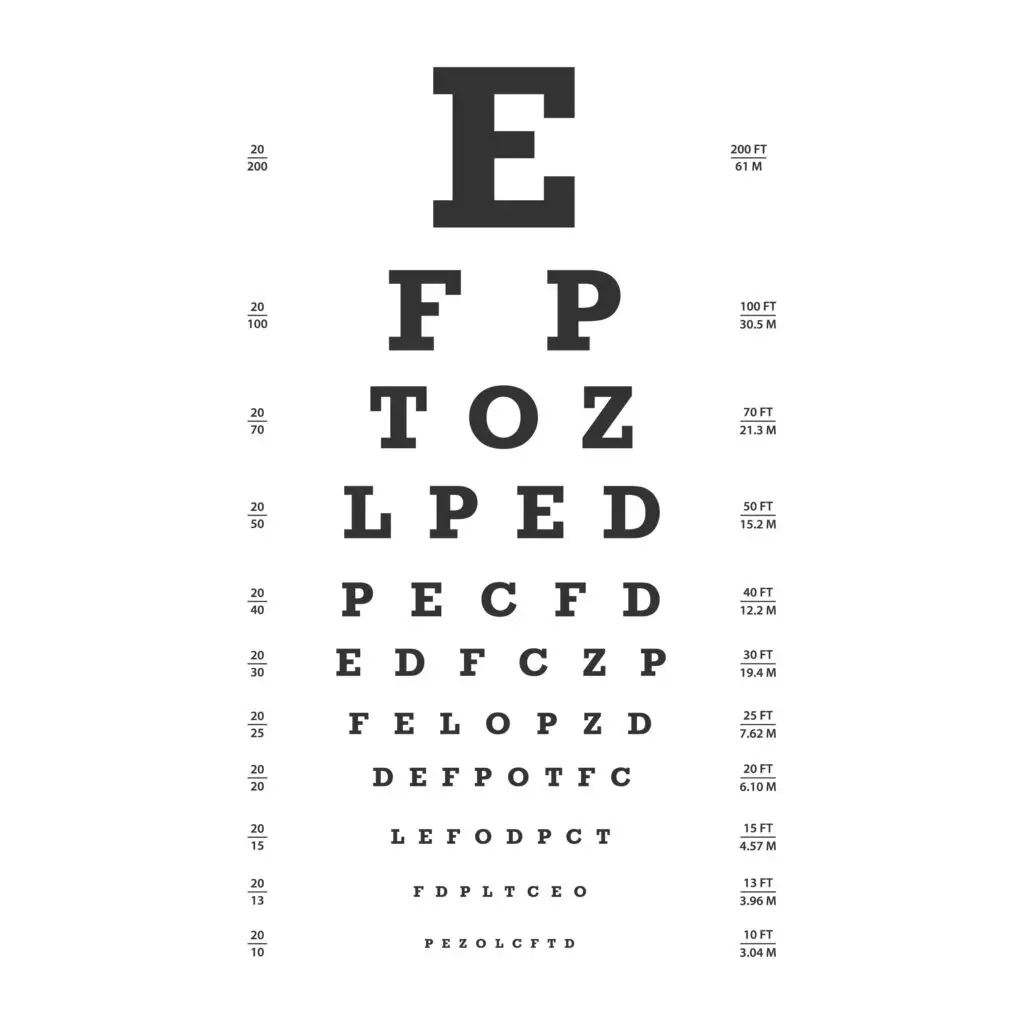
Blindness: Central visual acuity of 20/200 or less in the better eye.
Visual Field Loss: Narrowing of the field of vision to 20 degrees or less.
Diabetic Retinopathy: Damage to the retina caused by diabetes.
Glaucoma: Progressive optic nerve damage leading to vision loss.
Cataracts: Clouding of the lens that severely impairs vision.
Macular Degeneration: Loss of central vision affecting reading and detail work.
SSA Evaluation Criteria
The SSA uses specific medical tests to evaluate vision claims:
Visual Acuity Tests: Measure clarity of vision.
Visual Field Tests: Assess peripheral vision.
Medical Imaging: Document retinal or optic nerve damage.
Even if your condition does not meet the exact listing, you may still qualify if your vision impairment prevents you from performing substantial gainful activity.
The Sequential Evaluation Process
The SSA uses a five-step sequential evaluation process to decide disability claims:
Substantial Gainful Activity (SGA): Are you currently working and earning above the SGA threshold?
Severity of Impairment: Is your vision impairment severe enough to significantly limit basic work activities?
Meeting or Equaling a Listing: Does your condition meet or medically equal the SSA’s Blue Book listing for vision impairments?
Past Relevant Work: Based on your RFC, can you still perform the work you’ve done in the past?
Other Work: If you cannot perform past work, can you adjust to other jobs given your age, education, and RFC?
For many claimants with vision impairments, or other speech and senses impairments, steps 4 and 5 are decisive. Even if the listing is not met, the SSA may find that your limitations prevent you from sustaining competitive employment.
Residual Functional Capacity (RFC)
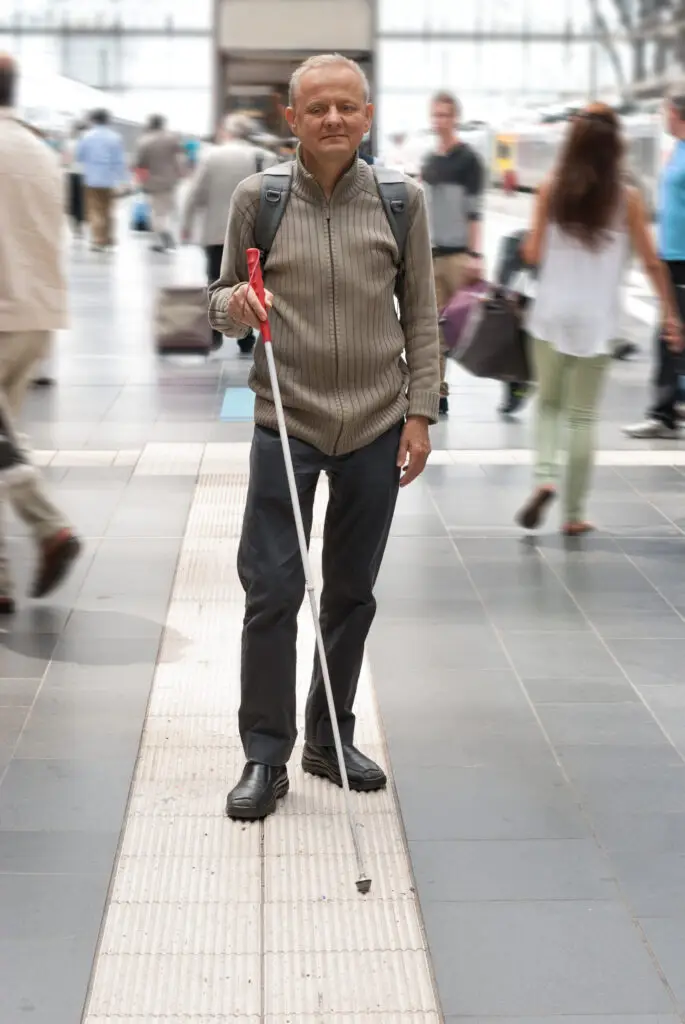
If your vision impairment does not meet the SSA’s listing, the agency will evaluate your Residual Functional Capacity (RFC). RFC measures what you can still do despite your limitations. For vision impairments, this may include:
Ability to read or recognize objects at a distance
Capacity to navigate safely in a workplace setting
Limitations on driving, operating machinery, or performing tasks requiring fine detail
Need for assistive devices such as magnifiers or screen readers
RFC is critical because it determines whether you can perform past relevant work or adjust to other work in the national economy.
Strengthening Your Claim
To build a strong disability case:
Provide ophthalmology records and test results.
Document daily limitations (difficulty reading, driving, or performing work tasks).
Include supporting statements from doctors and family.
Work with a social security disability attorney to ensure your claim is properly presented. Vision loss and social security disability benefits is a complex combination. Using a lawyer is the quickest way to increase your odds of winning.
Why Choose MLF Legal
At MLF Legal, our SSDI attorneys understand the challenges of living with vision loss. Our team combines legal expertise with compassionate advocacy to help you secure social security disability benefits.
Call 214-357-1782 today to schedule your consultation.
FAQs About Vision Impairments and Social Security Disability Benefits
What vision conditions qualify for disability benefits?
Blindness, visual field loss, diabetic retinopathy, glaucoma, cataracts, and macular degeneration may qualify.
Do I need to be completely blind to qualify?
No. Severe visual field loss or reduced acuity may also qualify.
What medical evidence is required?
Ophthalmology records, visual acuity tests, and documentation of functional limitations.
How does the SSA decide disability claims for vision impairments?
Through the five-step sequential evaluation process, including RFC analysis.
How can MLF Legal help with my claim?
We ensure your case is properly documented and presented to maximize your chance of approval.
Call MLF Legal today
214-357-1782
Fill out our online form
for a free consultation.
We only get paid if we win your case.