
Adult ADHD and Social Security Disability Benefits in Texas
TELL US WHAT HAPPENED SO WE CAN HELP. FREE CONSULTATION

Contact Us About Your Case
FREE Consultation Today.
Can Adults With ADHD Qualify for SSDI Benefits?
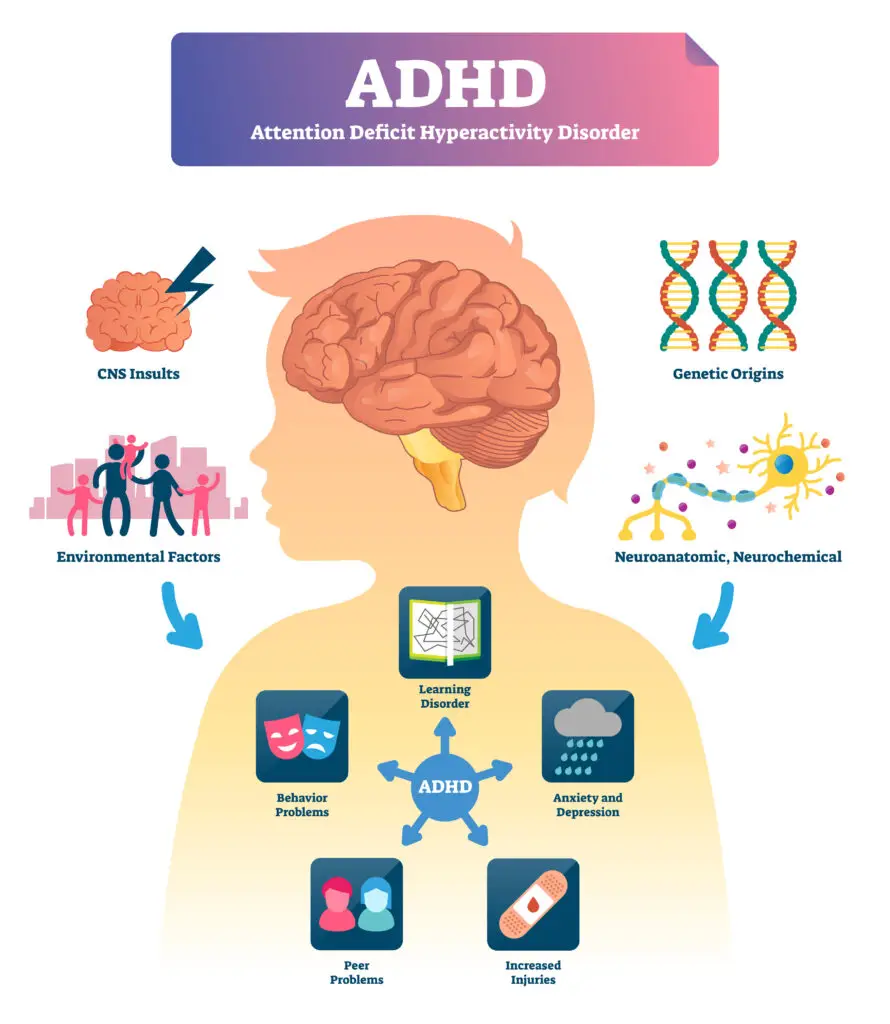
Attention‑Deficit/Hyperactivity Disorder (ADHD) is often misunderstood as a childhood condition, but millions of adults struggle with severe symptoms that interfere with daily functioning. When ADHD affects concentration, memory, organization, emotional regulation, or the ability to stay on task, maintaining full‑time employment can become impossible.
If your ADHD symptoms prevent you from working, you may qualify for Social Security Disability Insurance (SSDI).
At MLF Legal, our social security disability lawyers help Americans build strong mental health disability claims backed by medical evidence and clear documentation.
For guidance on your case, call 214‑357‑1782.

How the SSA Evaluates ADHD in Adults
Adult ADHD and social security disability falls under Listing 12.11: Neurodevelopmental Disorders in the SSA Blue Book. To qualify under this listing, you must show:
Documented ADHD diagnosis
Significant limitations in attention, impulse control, or executive functioning
Difficulty maintaining pace, persistence, or reliability
Impaired ability to manage daily tasks or workplace demands
Even if you don’t meet the listing exactly, you may still qualify through Residual Functional Capacity (RFC) limitations that show you cannot sustain full‑time work.
Common ADHD Symptoms That Impact Work Performance
The SSA focuses on how your symptoms affect your ability to function in a work environment. Examples include:
Inability to stay focused or complete tasks
Difficulty following instructions
Disorganization and poor time management
Impulsive decision‑making
Forgetfulness or frequent mistakes
Difficulty handling stress or changes in routine
Problems interacting with coworkers or supervisors
Chronic lateness or absenteeism
These limitations can make it impossible to meet employer expectations for productivity, reliability, and behavior.
Types of ADHD That May Qualify for SSDI
Any ADHD subtype can qualify if symptoms are severe enough:
ADHD – Inattentive Type
ADHD – Hyperactive/Impulsive Type
ADHD – Combined Type
Treatment‑resistant ADHD
ADHD with co‑occurring disorders (anxiety, depression, PTSD, learning disabilities)
Co‑occurring conditions often strengthen an ADHD and social security disability claim because they compound functional limitations.
Evidence That Strengthens an Adult ADHD Disability Claim
ADHD and social security disability claims are frequently denied due to lack of documentation. Strong evidence includes:
Diagnosis from a psychiatrist, psychologist, or neurologist
Neuropsychological testing
Medication history (stimulants, non‑stimulants)
Therapy notes (CBT, executive functioning therapy)
Workplace write‑ups or performance reviews
Statements from treating providers
Documentation of missed deadlines, errors, or inability to stay organized
School records showing long‑term impairment
MLF Legal helps clients gather and present this evidence effectively.
Why ADHD Disability Claims Are Often Denied
ADHD and social security disability claims face unique challenges:
Symptoms are often minimized or misunderstood
Many adults were never formally diagnosed as children
The SSA expects extensive documentation
Claimants may appear “high functioning” despite severe limitations
Inconsistent work history can be misinterpreted
Our social security disability lawyers know how to address these issues and build a compelling case.
How MLF Legal Helps Texans With ADHD Disability Claims
We assist with:
Filing initial SSDI applications
Appealing denials
Preparing for disability hearings
Communicating with the SSA
Developing RFC arguments tailored to ADHD limitations
You don’t have to navigate the process alone. ADHD is real, disabling, and deserving of support.

FAQs: Adult ADHD and Social Security Disability Benefits in Texas
Can adults with ADHD qualify for SSDI?
Yes. If ADHD symptoms prevent you from maintaining full‑time work, you may qualify for SSDI.
Do I need neuropsychological testing for ADHD disability claims?
Testing is not required but can significantly strengthen your case.
Can ADHD qualify even if medication helps?
Yes. The SSA evaluates your ability to function consistently, even with treatment.
What if I was diagnosed with ADHD as an adult?
Adult diagnosis is common and does not prevent you from qualifying.
What if my ADHD claim was denied?
MLF Legal can help you appeal and build stronger evidence for approval.
Call MLF Legal Today
If ADHD prevents you from maintaining full‑time work, you may qualify for SSDI benefits. Let our team guide you through the process with clarity and compassion.
MLF Legal represents disability applicants nationwide. Based in Dallas, Texas, we help individuals across the country pursue disability benefits.
Our social security lawyers can review your situation for free and explain your options.
📞 Call MLF Legal at 214-357-1782 to request a free consultation.
Next Steps:
1st Sign up For a Free One-on-One Disability Case Evaluation
Contact us today to schedule your personalized one-on-one free phone consultation with one of our dedicated legal professionals. Our experienced social security lawyers are here to provide the expert legal guidance and support you need throughout the entire process of your case.
We understand the complexities involved in social security disability claims and are committed to helping you achieve the best possible outcome. Don’t hesitate to reach out and take the first step toward securing the justice you deserve.
2nd Download Free E-Books
Social Security Disability
Navigating the Social Security Disability Benefits process can be complex, but understanding the key steps can help. From gathering medical records to completing the application, this process ensures eligible individuals receive the support they need. Seeking guidance from experts can simplify the journey and increase the chances of a successful outcome.
Call MLF Legal today
214-357-1782
Fill out our online form
for a free consultation.
We only get paid if we win your case.