
T-Bone Collisions in Texas
FREE CONSULTATION
Contact Us About Your Case
FREE Consultation Today.
T-Bone Collisions in Texas
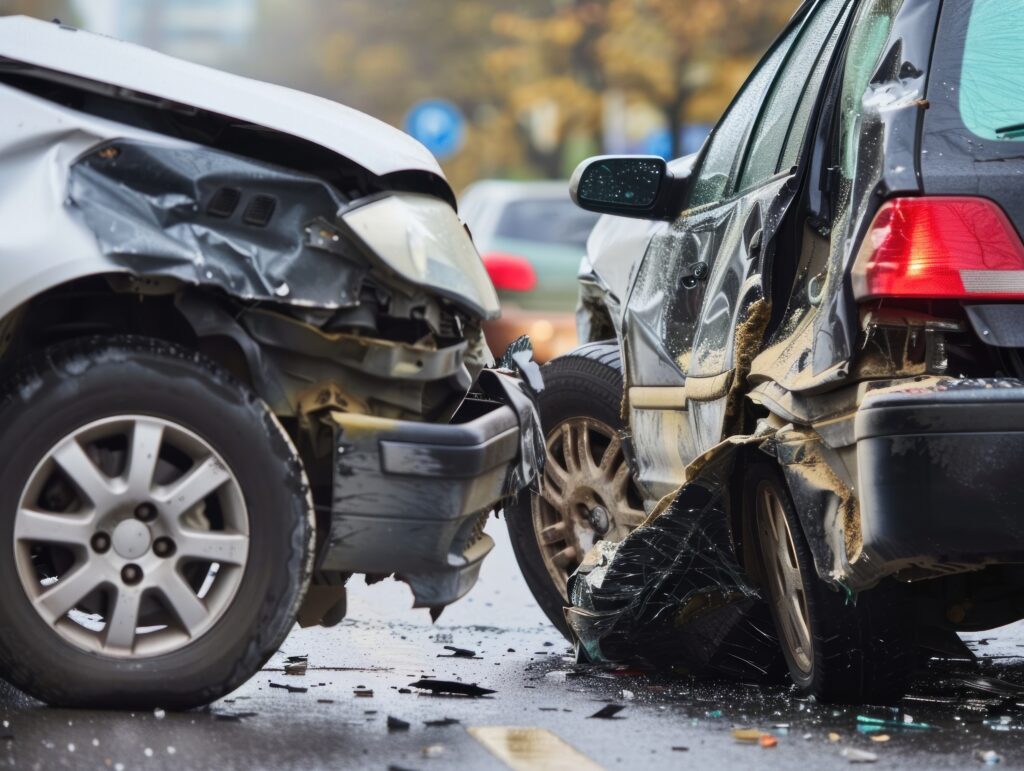
T‑bone collisions—also called side‑impact or broadside crashes—are among the most dangerous types of car accidents in Texas. These crashes happen when the front of one vehicle strikes the side of another, forming a “T” shape. Because the sides of a vehicle offer far less protection than the front or rear, T‑bone collisions often lead to severe injuries, long‑term medical needs, and significant financial losses.
At MLF Legal, our Dallas personal injury attorneys help injured Texans understand their rights, prove fault, and recover the full compensation they deserve after a side‑impact crash.
How T Bone Collisions Happen
T‑bone crashes usually occur at intersections, parking lots, and areas where drivers must yield or stop. Most of these collisions are caused by preventable driver negligence.
Common causes include:
- Running red lights or stop signs
- Failing to yield the right‑of‑way
- Distracted driving
- Speeding through intersections
- Misjudging oncoming traffic
- Drunk or impaired driving
- Unsafe left turns
- Aggressive or reckless driving
Because these crashes often happen at higher speeds, the impact can be devastating.
Why T Bone Collisions Are So Dangerous
Side‑impact crashes are uniquely hazardous because the sides of a vehicle provide minimal protection. There is less space between the occupant and the point of impact, which increases the risk of serious injury.
Factors that increase injury severity include:
- Lack of structural protection on the side of the vehicle
- Direct impact to the driver or passenger door
- Higher speeds at intersections
- Secondary collisions with other vehicles or objects
Even with side airbags, the force of a T‑bone collision can cause life‑altering injuries.
Common Injuries in T Bone Crashes
Because the impact is concentrated on one side of the vehicle, injuries are often severe and sometimes permanent.
Common injuries include:
- Broken ribs and fractures
- Pelvic and hip injuries
- Head trauma and concussions
- Traumatic brain injuries (TBI)
- Spinal cord injuries
- Internal bleeding
- Shoulder and arm injuries
- Nerve damage
- Chronic pain and long‑term impairment
Many victims do not feel the full extent of their injuries until hours or days later, making early medical care essential.
Who Is at Fault in a T Bone Collision?
Fault in a T‑bone crash depends on which driver failed to follow traffic laws. Because these crashes often occur at intersections, determining liability requires a careful investigation.
Parties who may be at fault include:
- A driver who ran a red light or stop sign
- Driver who failed to yield during a left turn
- A distracted driver
- Drunk or impaired driver
- A driver who ignored traffic signals or signs
- Speeding drivers
In some cases, additional parties may share responsibility, such as:
- Municipalities that failed to maintain traffic signals
- Construction companies that created unsafe traffic patterns
- Vehicle manufacturers (if a defect contributed to the crash)
Because Texas uses comparative negligence, even small fault arguments can reduce your compensation. Strong evidence is critical.
Evidence That Strengthens a T Bone Collision Claim
Proving fault in a side‑impact crash often requires multiple forms of evidence.
Helpful evidence includes:
- Traffic‑cam or intersection footage
- Dash‑cam video
- Witness statements
- Police reports
- Accident reconstruction
- Vehicle black box data
- Photos of the scene and damage
- Cell phone records (if distraction is suspected)
The more evidence preserved early, the stronger your case becomes.
Compensation Available After a T Bone Collision
Injured Texans may be entitled to compensation for:
- Medical bills
- Future medical care
- Lost wages
- Loss of earning capacity
- Pain and suffering
- Physical impairment
- Property damage
- Wrongful death damages (if applicable)
Because T‑bone injuries are often severe, the value of these claims can be significant.
How MLF Legal Helps After a T-Bone Collision
T‑bone collision cases require a detailed, evidence‑driven approach. MLF Legal strengthens your claim by:
- Investigating the crash thoroughly
- Preserving critical evidence
- Working with accident reconstruction experts
- Documenting your injuries and treatment
- Calculating the full value of your damages
- Negotiating aggressively with insurers
- Preparing your case for litigation if necessary
When insurers know you’re represented, they take your claim more seriously.
What to Do After a T Bone Accident
Taking the right steps early helps protect your claim:
- Call the police and request a crash report
- Take photos and videos of the scene
- Get medical treatment immediately
- Avoid giving recorded statements
- Keep all medical records
- Contact a lawyer as soon as possible
These steps help preserve evidence and prevent the insurer from undervaluing your claim.
When to Call a Dallas Car Wreck Lawyer
You should contact a lawyer immediately if:
- The other driver ran a red light or stop sign
- You suffered serious injuries
- The insurance company is blaming you
- You received a low settlement offer
- You’re unsure what your claim is worth
T‑bone collisions are too serious to handle alone.
Call the Dallas car wreck lawyers at MLF Legal at 214‑357‑1782 for a free consultation.
FAQs: T-Bone Collisions in Texas
Most T‑bone crashes happen when a driver runs a red light, fails to yield, or drives distracted.
Yes. Side‑impact crashes often cause severe injuries because the sides of vehicles offer less protection.
Evidence such as traffic‑cam footage, witness statements, and police reports can help establish liability.
Yes. Under Texas law, you can recover compensation as long as you are 50% or less responsible.
Injured at work in Texas and your employer doesn’t have workers’ comp?
You may have the right to sue and recover full compensation.
Contact MLF Legal today for a free consultation. You pay nothing unless we win your case.
Call MLF Legal today
214-357-1782
Fill out our online form
for a free consultation.
We only get paid if we win your case.