Autoimmune & Neuromuscular Disorders Affecting Breathing: Social Security Disability Benefits in Texas
TELL US WHAT HAPPENED SO WE CAN HELP. FREE CONSULTATION

Contact Us About Your Case
FREE Consultation Today.
How SSA Evaluates Respiratory Impairments Caused by Autoimmune, Neuromuscular, and Systemic Diseases
Not all respiratory disorders begin in the lungs. Many autoimmune and neuromuscular conditions weaken the muscles that control breathing, cause inflammation in the lung tissue, or impair the body’s ability to move air effectively. These conditions often lead to chronic shortness of breath, reduced stamina, respiratory infections, and long‑term breathing limitations that make full‑time work impossible. That’s why there is a link between autoimmune and neuromuscular conditions and social security disability.
If an autoimmune or neuromuscular disorder affects your ability to breathe or perform physical activity, you may qualify for Social Security Disability Insurance (SSDI) or Supplemental Security Income (SSI)—even if your primary diagnosis is not a lung disease.
At MLF Legal, we help Texans build strong disability claims by documenting how systemic conditions impact respiratory function. If your condition affects your breathing or work ability, call 214‑357‑1782 for a free consultation.
How Autoimmune & Neuromuscular Disorders Affect Breathing
Autoimmune and neuromuscular conditions can impair breathing in several ways:
1. Weakening the respiratory muscles
Conditions like ALS or muscular dystrophy weaken the diaphragm and chest muscles, making it difficult to inhale fully or exhale effectively.
2. Causing inflammation or scarring in the lungs
Autoimmune diseases such as lupus or rheumatoid arthritis can cause interstitial lung disease (ILD) or pulmonary fibrosis.
3. Impairing the nervous system
Neurological disorders can disrupt the signals that control breathing.
4. Increasing the risk of respiratory infections
Weak respiratory muscles or immune dysfunction can lead to chronic infections.
5. Causing hypoventilation or low oxygen levels
Some conditions impair the body’s ability to maintain normal oxygen and carbon dioxide levels.
Common Autoimmune & Neuromuscular Disorders That Affect Breathing
Autoimmune Disorders
Lupus (SLE)
Rheumatoid arthritis (RA)
Sarcoidosis
Polymyositis and dermatomyositis
Vasculitis
Neuromuscular Disorders
Amyotrophic lateral sclerosis (ALS)
Myasthenia gravis
Spinal muscular atrophy (SMA)
Multiple sclerosis (MS)
Guillain‑Barré syndrome
Post‑polio syndrome
Other Systemic Conditions
Obesity hypoventilation syndrome
Mitochondrial disorders
Metabolic myopathies
These conditions often overlap with respiratory listings due to their impact on lung function. That’s another way autoimmune and neuromuscular conditions and social security disability get intertwined.
FAQs About Autoimmune & Neuromuscular Respiratory Social Security Disability Benefits
Can autoimmune diseases qualify for Social Security disability?
Yes. Lupus, RA, scleroderma, sarcoidosis, and other autoimmune diseases may qualify if they impair breathing or cause severe functional limitations.
Can neuromuscular disorders qualify for disability?
Yes. ALS, muscular dystrophy, myasthenia gravis, and similar conditions often qualify due to muscle weakness and respiratory involvement.
What tests are important for these disability claims?
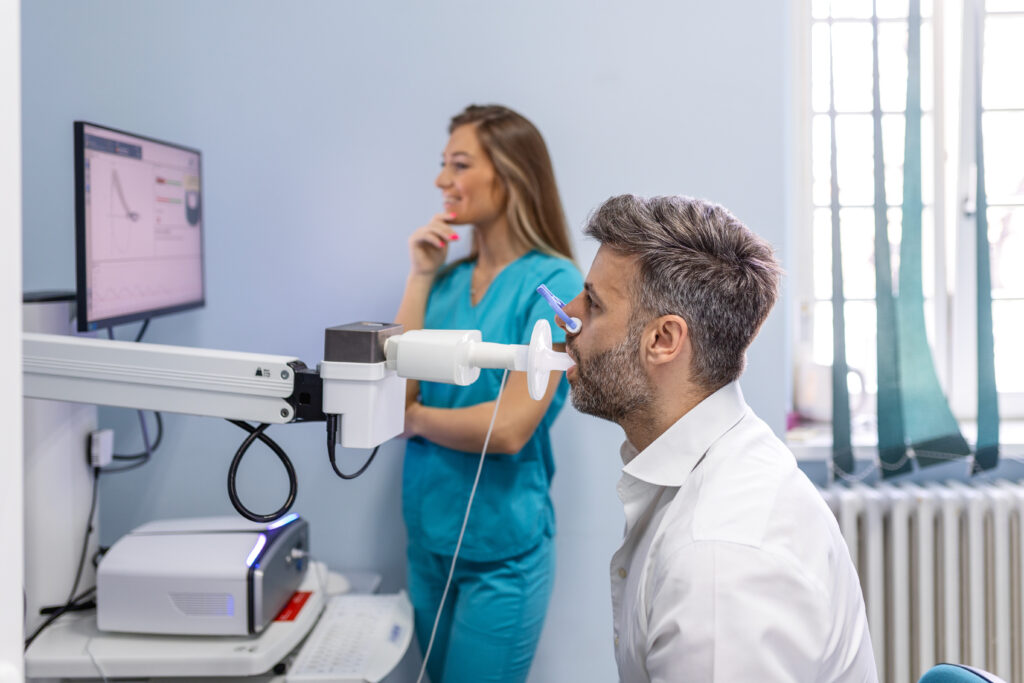
Pulmonary function tests, neurological exams, autoimmune labs, imaging, and muscle strength testing are key.
Can I qualify if my breathing problems are caused by another condition?
Yes. SSA evaluates the functional impact, not just the diagnosis.
Do I need to meet a listing to be approved?
No. Many claimants qualify through RFC limitations.
How can a lawyer help with these disability claims?
A lawyer helps gather medical evidence, coordinate with specialists, prepare RFC documentation, and appeal denials.

How SSA Evaluates These Conditions
The Social Security Administration evaluates respiratory impairments caused by autoimmune and neuromuscular conditions under multiple listings, depending on the underlying disease and symptoms.
1. Listing 3.02 – Chronic Respiratory Disorders
Used when lung function tests show reduced airflow or gas exchange.
2. Listing 3.14 – Respiratory Failure
Used when the condition causes hypoxemia, hypercapnia, or the need for ventilation.
3. Listing 11.00 – Neurological Disorders
Used for ALS, muscular dystrophy, MS, and other neuromuscular diseases.
4. Listing 14.00 – Immune System Disorders
Used for lupus, RA, scleroderma, and other autoimmune diseases.
5. Listing 1.00 – Musculoskeletal Disorders
Used when muscle weakness affects mobility and stamina.
6. Residual Functional Capacity (RFC)
Most claimants qualify through RFC when symptoms prevent:
Walking more than short distances
Standing for long periods
Lifting or carrying objects
Maintaining consistent attendance
Working around respiratory irritants
Sustaining full‑time work without breaks
SSA evaluates both the primary condition and its respiratory impact. This gives you more ways to qualify when analyzing autoimmune and neuromuscular conditions and social security disability.
How Chronic Lung Infections Limit Work Ability
Chronic lung infections affect both physical and environmental work functions.
Physical limitations include:
Shortness of breath
Reduced stamina
Chronic fatigue
Difficulty lifting or carrying
Needing frequent breaks
Inability to walk long distances or climb stairs
Environmental limitations include:
Inability to tolerate dust, fumes, smoke, or chemicals
Sensitivity to temperature extremes
Difficulty working in poorly ventilated areas
Attendance issues:
Frequent medical appointments
Long‑term antibiotic therapy
Hospitalizations
Flare‑ups requiring rest
These limitations often make full‑time work unsustainable.
Do You Need to Meet a Listing to Qualify?
No. Many claimants qualify through RFC limitations, especially when:
Breathing is impaired
Fatigue is severe
Muscle weakness limits exertion
Cognitive symptoms affect concentration
Frequent flare‑ups cause absences
Treatment side effects impact functioning
Even if your test results do not meet SSA’s exact thresholds, your symptoms and limitations may still support disability.
How These Disorders Limit Work Ability
Autoimmune and neuromuscular disorders affect both physical and cognitive work functions.
Physical limitations include:
Shortness of breath
Muscle weakness
Reduced stamina
Difficulty lifting or carrying
Needing frequent breaks
Inability to walk long distances or climb stairs
Cognitive limitations include:
Brain fog
Memory problems
Difficulty concentrating
Slowed thinking
Fatigue from low oxygen levels or inflammation
Environmental limitations include:
Inability to tolerate dust, fumes, smoke, or chemicals
Sensitivity to temperature extremes
Difficulty working in poorly ventilated areas
Attendance issues:
Frequent medical appointments
Flare‑ups
Hospitalizations
Treatment side effects
These limitations often make full‑time work unsustainable.
Evidence That Strengthens These Disability Claims
MLF Legal helps you gather:
Pulmonary function tests (PFTs)
DLCO and ABG testing
Imaging (X‑ray, CT, HRCT)
Neurological evaluations
Autoimmune lab results
Muscle strength testing
Hospitalization records
Medication lists
Specialist notes (pulmonology, neurology, rheumatology)
RFC forms completed by your doctors
We also help ensure your medical records clearly document:
Frequency of flare‑ups
Muscle weakness
Fatigue
Breathing limitations
Treatment response
Environmental sensitivities
Get Help With Your Autoimmune or Neuromuscular Disability Claim
Autoimmune and neuromuscular disorders are complex—and SSA’s rules are even more complex. You don’t have to navigate this alone.
If your condition affects your breathing or prevents you from working, call the social security disability lawyers at MLF Legal – 214‑357‑1782 for a free case review.
We help Texans, and people all over the United States, gather the right evidence, communicate with their doctors, and fight for the benefits they deserve.
Call MLF Legal today
214-357-1782
Fill out our online form
for a free consultation.
We only get paid if we win your case.