


What Is a Required Medical Examination (RME) Doctor in Texas Workers’ Compensation?
A Required Medical Examination (RME) doctor is a physician chosen by the insurance company and approved by the Division of Workers’ Compensation (DWC) to examine an injured worker for...
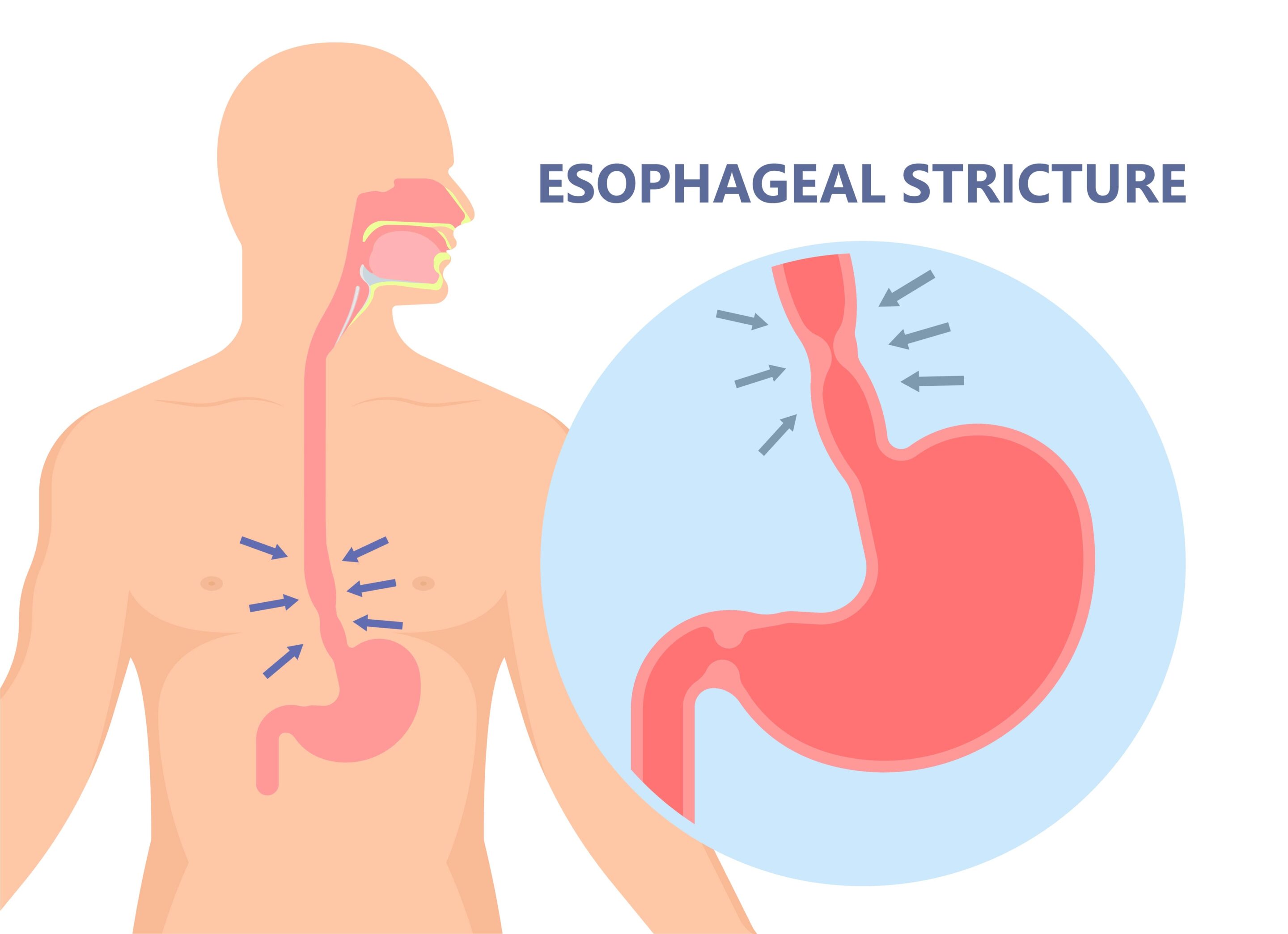
Esophageal Disorders and Social Security Disability Benefits
Esophageal disorders are often overlooked in disability evaluations, yet they can be among the most painful, disruptive, and function‑limiting digestive conditions. For many Texans, esophageal disease is not just...

Gabapentin and Social Security Disability Benefits
Gabapentin is a commonly prescribed medication used to treat nerve pain, seizures, and certain neurological conditions. Many people who take gabapentin experience chronic medical conditions that can interfere with...

What Is a Peer Review Doctor in Texas Workers’ Compensation?
A peer review doctor is a physician hired by the insurance company to review medical records and issue an opinion about the injured worker’s diagnosis, treatment, or extent of...
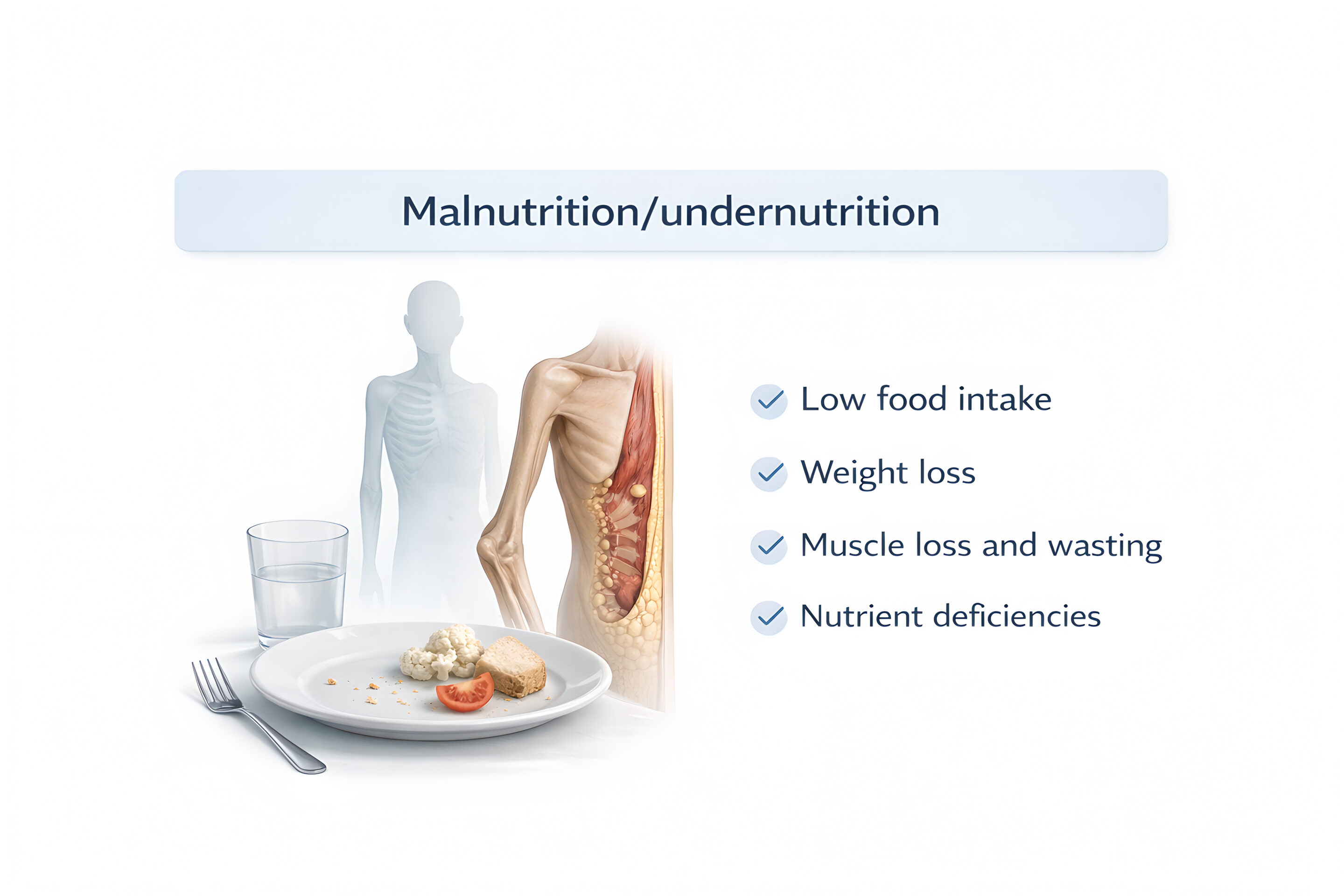
Malabsorption Syndromes and Social Security Disability Benefits
Malabsorption syndromes are among the most disabling digestive conditions evaluated by the Social Security Administration (SSA). For many Texans, malabsorption is not simply a nutritional issue — it is...

Gross Negligence and Punitive Damages in Texas Car Accident Cases
Most Texas car accident claims involve ordinary negligence—careless mistakes that cause injuries. But some crashes happen because a driver’s conduct was far more dangerous than a simple lapse in...
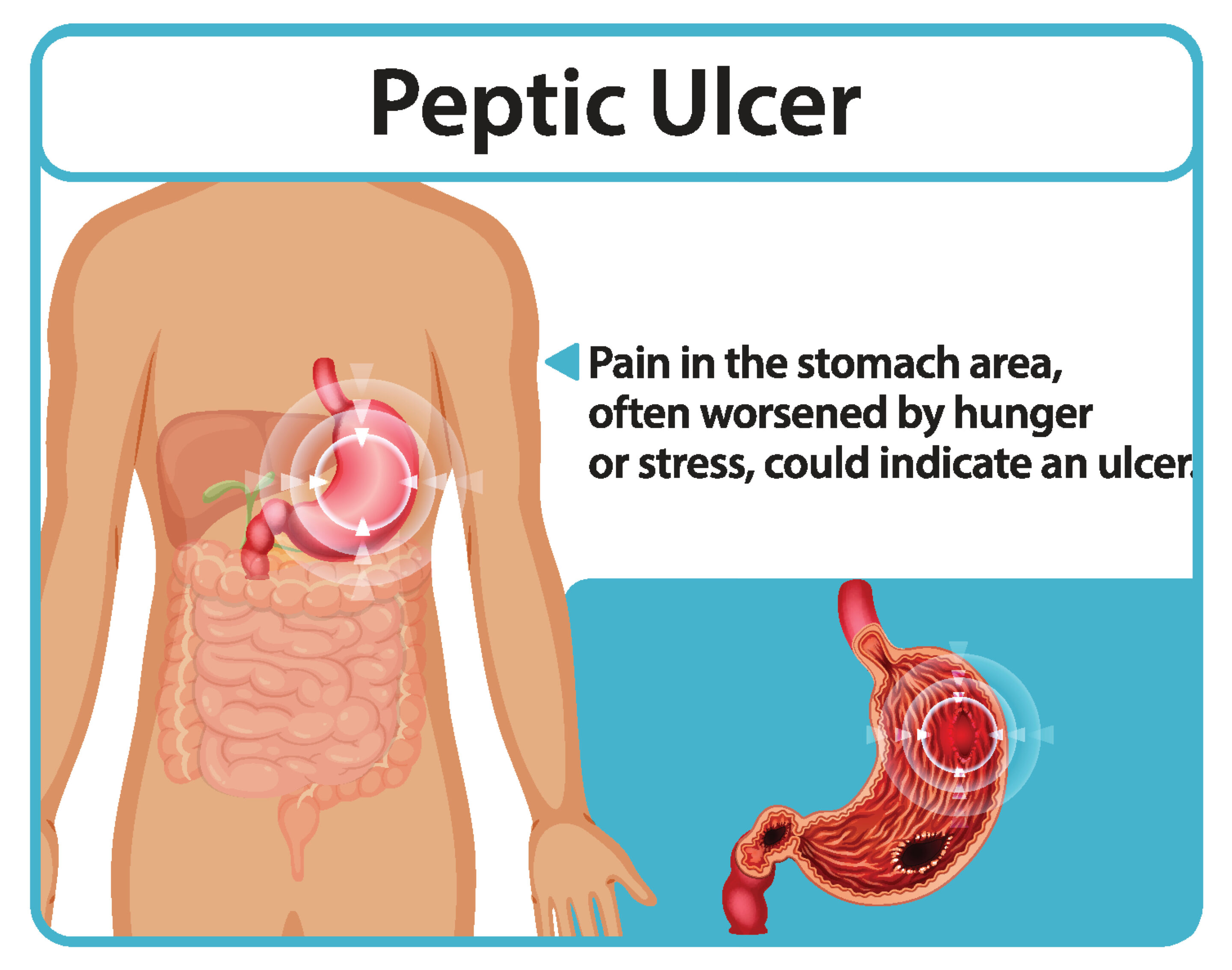
Peptic Ulcer Disease (PUD) and Social Security Disability Benefits
Peptic Ulcer Disease (PUD) is often mistaken for simple heartburn or indigestion, but for many Texans, it is a chronic, painful, and medically serious condition that affects far more...

Prescription Medications and Social Security Disability Eligibility
Many Americans rely on prescription medications to manage serious medical conditions. While taking a medication does not automatically qualify someone for Social Security Disability benefits, the underlying medical condition...