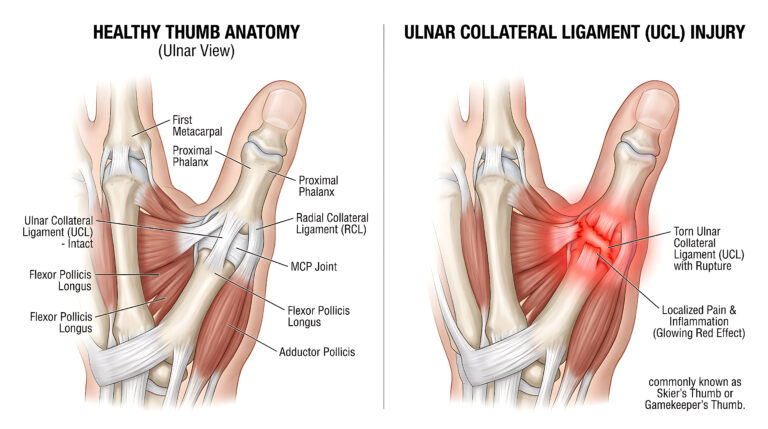
Thumb RCL Tears in Texas Workers’ Compensation Claims
Thumb RCL tears — injuries to the radial collateral ligament of the thumb — are less common than UCL tears but often more traumatic and more disabling. The RCL stabilizes

Thumb RCL tears — injuries to the radial collateral ligament of the thumb — are less common than UCL tears but often more traumatic and more disabling. The RCL stabilizes

Post‑traumatic hand and finger arthritis is one of the most disabling long‑term consequences of workplace hand injuries in Texas workers’ compensation claims. It develops when trauma — such as fractures,

Hand and finger amputations are among the most catastrophic and life‑altering injuries seen in Texas workers’ compensation claims. These injuries often occur in construction, manufacturing, warehousing, oilfield work, transportation, and
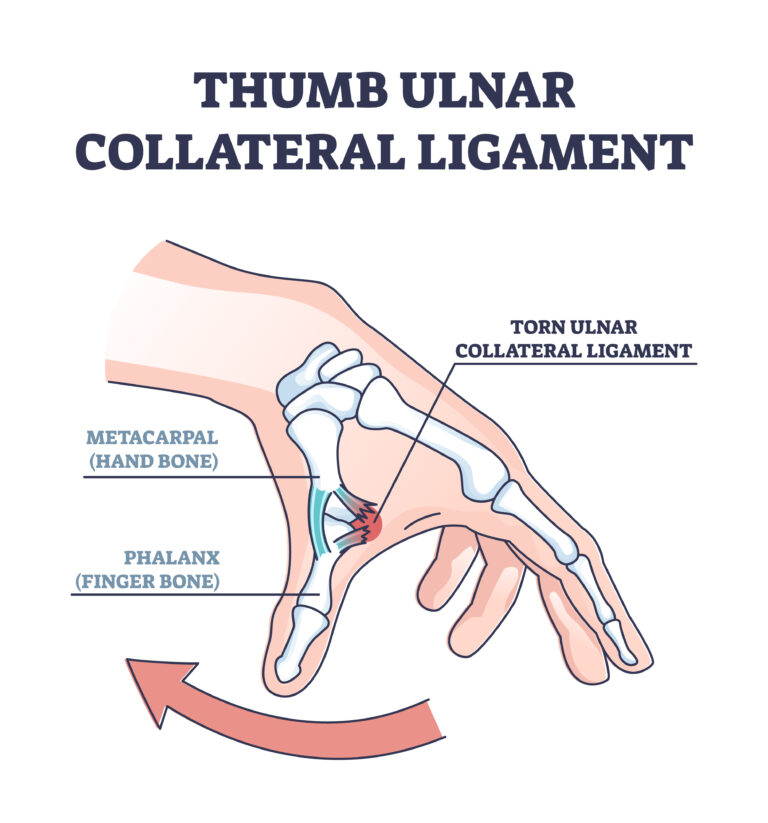
Thumb UCL tears — injuries to the ulnar collateral ligament of the thumb — are common in Texas workers’ compensation claims. The UCL stabilizes the thumb’s MCP joint and is
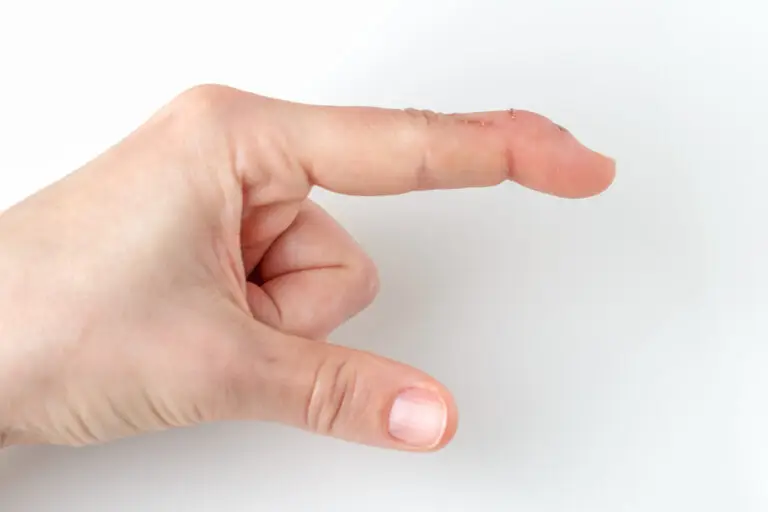
Boutonnière deformity is a painful and function‑limiting finger injury seen in Texas workers’ compensation claims. It occurs when the central slip of the extensor tendon is torn, causing the middle

Finger dislocations are common finger injuries in Texas workers’ compensation claims — especially in construction, warehousing, manufacturing, oilfield work, transportation, and any job requiring gripping, lifting, pushing, pulling, or tool

Hand sprains and ligament tears are extremely common in Texas workers’ compensation claims — especially in construction, warehousing, manufacturing, oilfield work, transportation, and any job requiring gripping, lifting, pushing, pulling,

Hand crush injuries are among the most severe, traumatic, and life‑altering injuries seen in Texas workers’ compensation claims. These injuries often occur in construction, manufacturing, warehousing, oilfield work, transportation, and
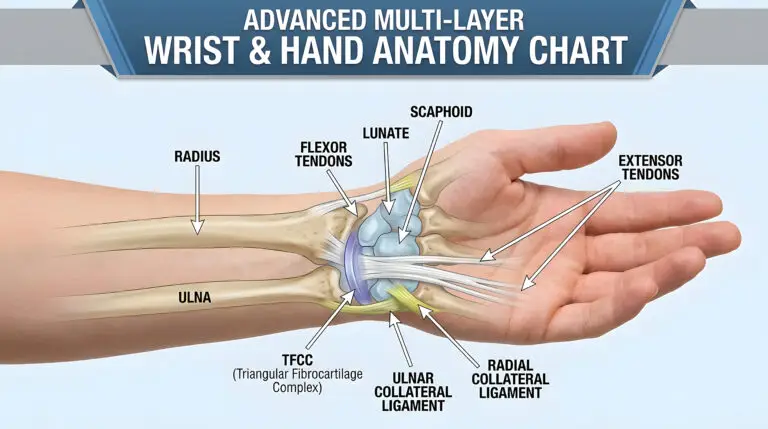
Extensor tendon injuries are common in Texas workers’ compensation claims — especially in construction, warehousing, manufacturing, oilfield work, transportation, and any job requiring lifting, gripping, pushing, pulling, or tool use.
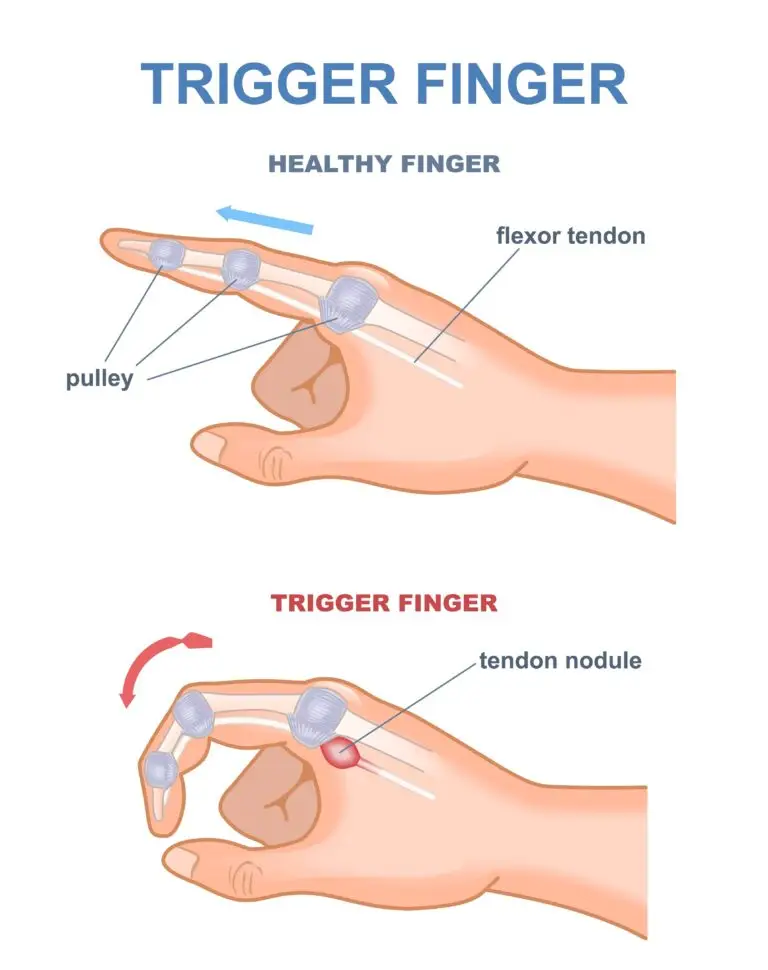
Trigger Finger — medically known as stenosing tenosynovitis — is one of the most painful and function‑limiting hand injuries seen in Texas workers’ compensation claims. It occurs when the flexor