
Who Pays Medical Bills After an Uber or Lyft Accident in Texas?
Medical bills after a Texas rideshare crash may be paid through health insurance, PIP, MedPay, liability proceeds, or UM/UIM coverage. Learn which sources may apply.

Medical bills after a Texas rideshare crash may be paid through health insurance, PIP, MedPay, liability proceeds, or UM/UIM coverage. Learn which sources may apply.

Discover the crucial insights behind the Average Weekly Wage in Texas Workers’ Compensation Claims! Understanding how wages are calculated can significantly impact the benefits you receive if you find yourself
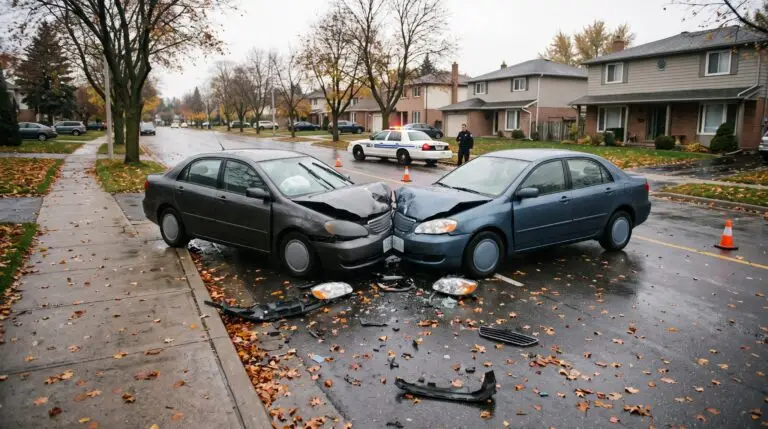
Uber and Lyft insurance coverage in Texas changes according to the driver’s app status. Learn which policy may cover passengers, drivers, and other accident victims.
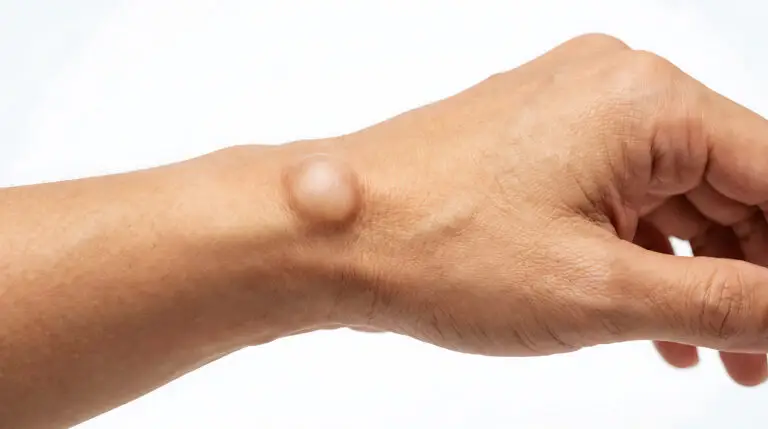
Ganglion cysts are one of the most common soft‑tissue masses seen in Texas workers’ compensation claims. Although often dismissed as “minor,” ganglion cysts can cause significant pain, weakness, nerve compression,
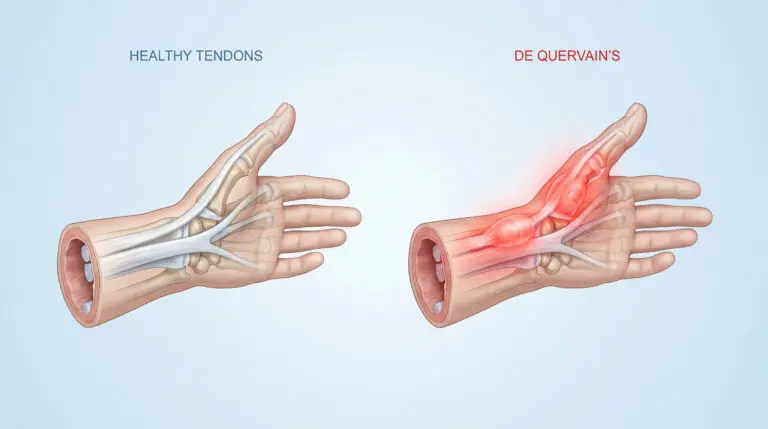
De Quervain’s Tenosynovitis is one of the most painful and function‑limiting tendon injuries seen in Texas workers’ compensation claims. It occurs when the tendons controlling thumb movement — the abductor
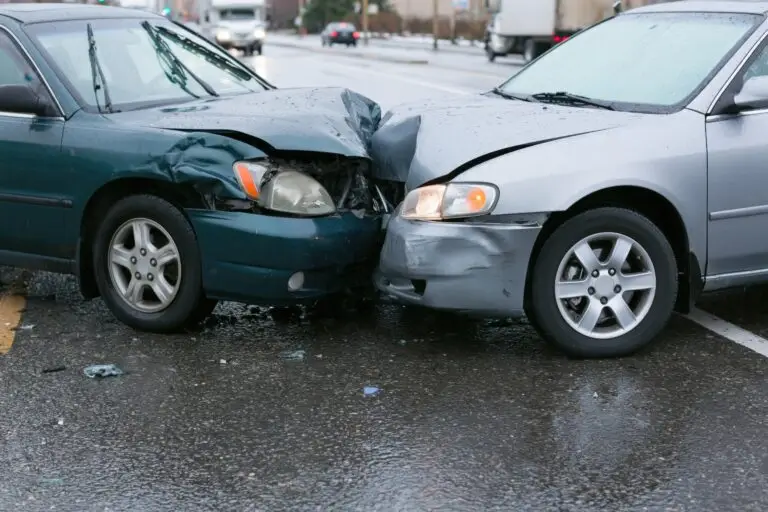
An Uber or Lyft crash can involve several drivers, insurance companies, and app-based coverage rules. These steps can protect your health, evidence, and Texas injury claim.
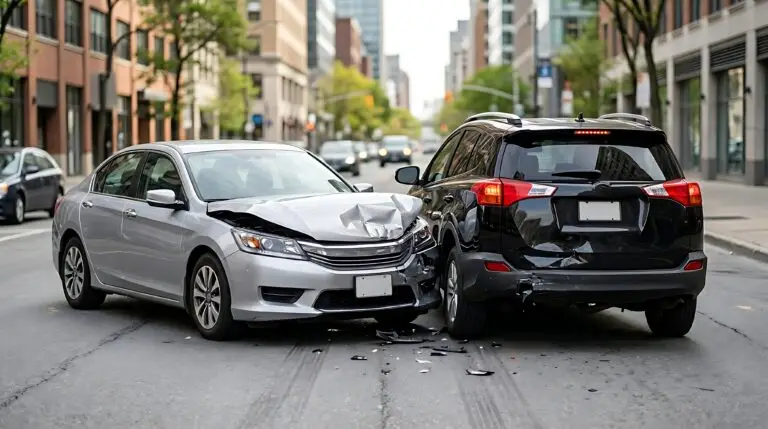
Injured as an Uber or Lyft passenger, driver, pedestrian, or motorist? Learn how Texas rideshare claims work, which insurance policy may apply, and how MLF Legal can help.
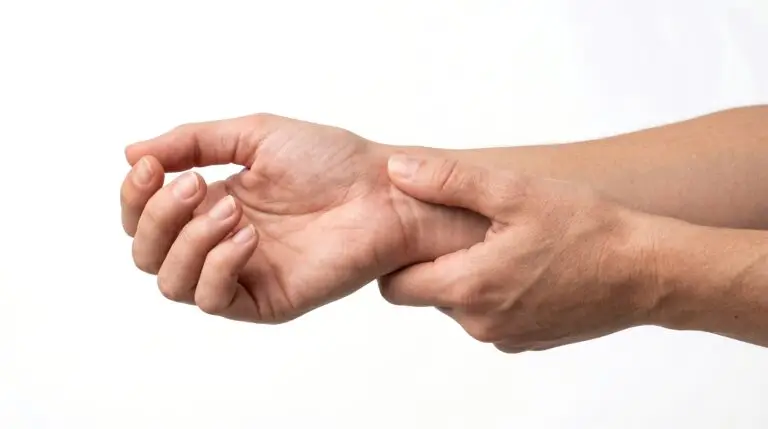
Wrist sprains and ligament tears are extremely common in Texas workers’ compensation claims — especially in construction, warehousing, manufacturing, oilfield work, transportation, and any job requiring lifting, gripping, twisting, or
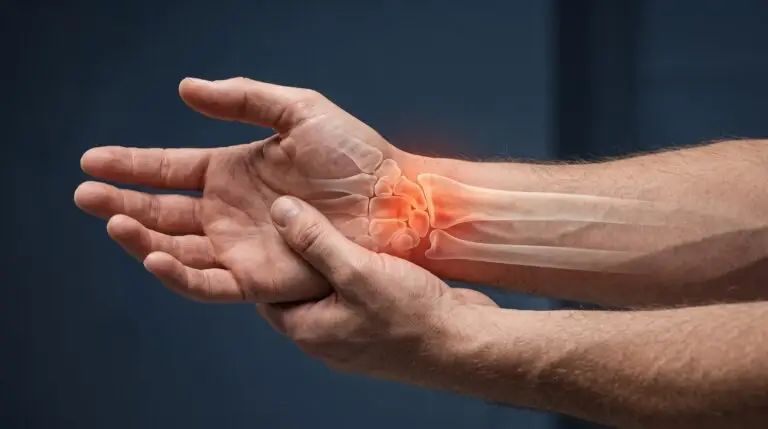
Wrist tendon injuries are extremely common in Texas workers’ compensation claims — especially in construction, warehousing, manufacturing, oilfield work, transportation, and any job requiring repetitive gripping, lifting, twisting, or tool
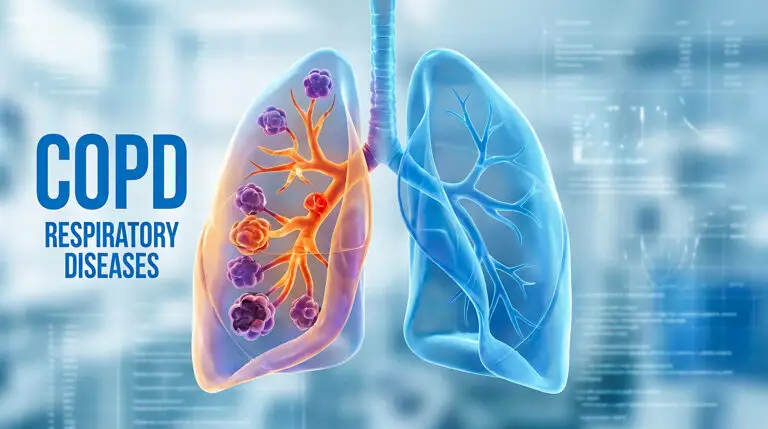
Many people with COPD want to keep working as long as they can. Some people can continue working with COPD if symptoms are mild, controlled with treatment, and compatible with