
Seroquel and Social Security Disability Benefits
TELL US WHAT HAPPENED SO WE CAN HELP. FREE CONSULTATION

Contact Us About Your Case
FREE Consultation Today.
Seroquel and Social Security Disability Benefits
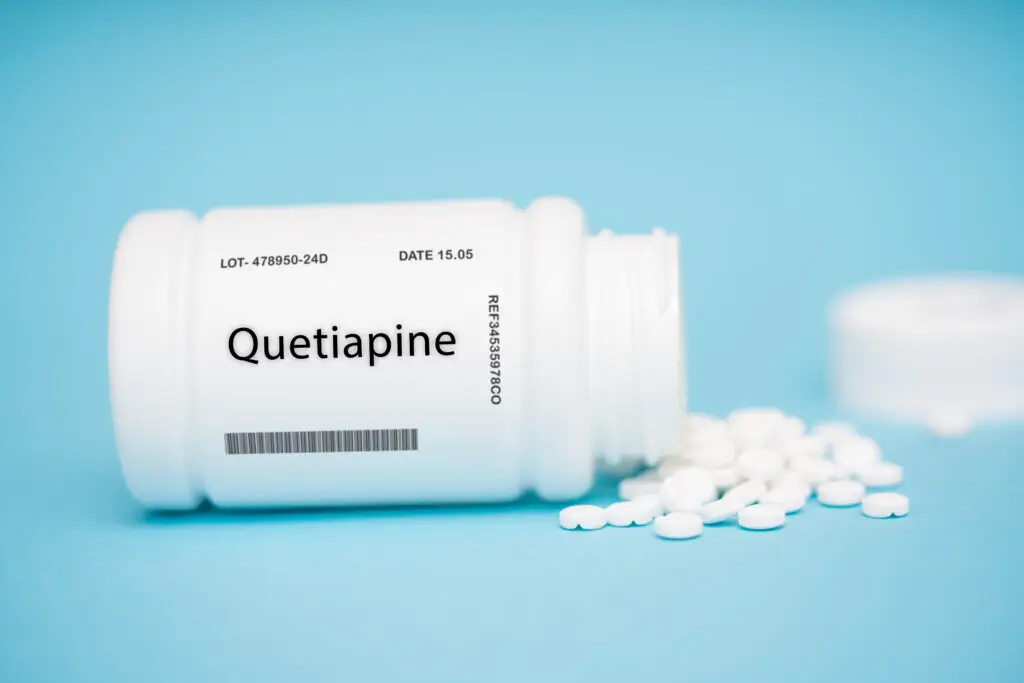
Seroquel (quetiapine) is a prescription medication used to treat serious mental health conditions, including bipolar disorder, schizophrenia, and major depressive disorder. Many people who take Seroquel experience symptoms that can significantly affect their ability to work.
While taking Seroquel alone does not qualify someone for Social Security Disability benefits, the underlying mental health condition may qualify if it prevents a person from maintaining full-time employment.
Mental health conditions treated with Seroquel can sometimes qualify for Social Security Disability Insurance (SSDI) or Supplemental Security Income (SSI) benefits when symptoms are severe, persistent, and interfere with daily functioning.
This guide explains:
- what Seroquel is prescribed for
- how mental health conditions affect the ability to work
- when these conditions may qualify for disability benefits
- how Social Security evaluates mental health claims
If a mental health condition is preventing you from working, you may want to explore whether disability benefits are available.

What Is Seroquel Prescribed For?
Seroquel is an atypical antipsychotic medication that affects brain chemicals involved in mood, thinking, and behavior.
Doctors commonly prescribe Seroquel for:
- bipolar disorder
- schizophrenia
- major depressive disorder (as an add-on treatment)
- anxiety (off-label in some cases)
- sleep disturbances (off-label use)
These conditions can affect:
- mood stability thinking and perception
- behavior and emotional regulation
- sleep patterns
Common symptoms may include:
- severe mood swings
- depression or mania
- hallucinations or delusions
- difficulty concentrating
- sleep disruption
- fatigue
These symptoms can interfere with the ability to function in a work environment.
Common Seroquel Side Effects
Seroquel is known for side effects that can significantly affect daily functioning.
Common side effects include:
- drowsiness or sedation
- fatigue
- dizziness
- weight gain
- difficulty concentrating
- low blood pressure
Many individuals experience significant sedation or fatigue, which can make it difficult to stay alert and productive during the day.
These side effects, combined with the underlying condition, can create serious work limitations.
When Mental Health Conditions Become Disabling
Mental health conditions treated with Seroquel can become disabling when symptoms significantly interfere with work-related activities.
Symptoms that may impact employment include:
- inability to concentrate or complete tasks
- difficulty interacting with others
- mood instability
- severe fatigue or sedation
- sleep disruption affecting daytime functioning
- hallucinations or disorganized thinking
For example:
- Sedation may prevent staying awake or alert during work
- Mood swings may affect reliability
- Cognitive issues may impact performance
Even simple jobs may be difficult when symptoms affect focus, consistency, and interaction.
Can Bipolar Disorder or Schizophrenia Qualify for Social Security Disability?
Yes. In many cases, bipolar disorder, schizophrenia, and other serious mental illnesses may qualify for Social Security Disability benefits.
The Social Security Administration evaluates mental health conditions based on:
- medical evidence
- severity of symptoms
- functional limitations
SSA may review:
- psychiatric evaluations
- therapy records
- medication history
- treatment notes
SSA also evaluates how symptoms affect the ability to:
- understand and remember information
- concentrate and complete tasks
- interact with others
- regulate behavior
- adapt to workplace changes
- maintain consistent attendance
If symptoms prevent full-time work for 12 months or longer, disability benefits may be available.
Medical Evidence That May Support a Mental Health Disability Claim
Strong documentation is critical in disability claims involving mental health conditions.
Evidence may include:
- psychiatric evaluations
- therapy or counseling records
- hospitalization records (if applicable)
- medication history including Seroquel
- provider notes documenting symptoms
Because mental health claims often depend on clinical documentation rather than imaging, consistent treatment is essential.
Signs Your Condition May Qualify for Disability Benefits
You may want to explore disability eligibility if your condition causes:
- severe fatigue or sedation
- difficulty concentrating or completing tasks
- inability to interact with others
- mood instability
- hallucinations or disorganized thinking
- inability to maintain full-time employment
When these symptoms prevent consistent work, disability benefits may be available.
When to Speak With a Social Security Disability Lawyer
Mental health disability claims often require detailed documentation of symptoms and functional limitations.
Many individuals seek legal help when:
- they are unsure whether their condition qualifies
- their disability claim has been denied
- they need help documenting symptoms
- they are preparing for a disability hearing
A social security disability attorney can help evaluate your case and guide you through the process.

FAQs: Seroquel and Social Security Disability Benefits
Does taking Seroquel qualify you for Social Security Disability?
No. Taking Seroquel alone does not qualify someone for disability benefits. However, the underlying mental health condition may qualify if it prevents you from working.
Can bipolar disorder qualify for Social Security Disability?
Yes. Bipolar disorder may qualify if symptoms such as mood instability or depression significantly interfere with work ability.
Can schizophrenia qualify for disability benefits?
Yes. Schizophrenia may qualify if symptoms such as hallucinations or impaired thinking affect daily functioning and employment.
Do Seroquel side effects affect disability eligibility?
Yes. Side effects such as sedation, fatigue, and difficulty concentrating may be considered when evaluating work limitations.
What should I do if a mental health condition prevents me from working?
You may want to speak with a Social Security Disability attorney to evaluate whether your condition qualifies for benefits.
Contact MLF Legal for a Free Disability Case Evaluation
If bipolar disorder, schizophrenia, or another mental health condition is preventing you from working, you may qualify for Social Security Disability benefits. Oftentimes, the use of prescription medications indicates potential eligibility for benefits,
MLF Legal represents disability applicants nationwide. Based in Dallas, Texas, we help individuals across the country pursue disability benefits.
Our social security disability lawyers can review your situation for free and explain your options.
📞 Call MLF Legal at 214-357-1782 to request a free consultation.
Next Steps:
1st Sign up For a Free One-on-One Disability Case Evaluation
Contact us today to schedule your personalized one-on-one free phone consultation with one of our dedicated legal professionals. Our experienced social security lawyers are here to provide the expert legal guidance and support you need throughout the entire process of your case.
We understand the complexities involved in social security disability claims and are committed to helping you achieve the best possible outcome. Don’t hesitate to reach out and take the first step toward securing the justice you deserve.
2nd Download Free E-Books
Social Security Disability
Navigating the Social Security Disability Benefits process can be complex, but understanding the key steps can help. From gathering medical records to completing the application, this process ensures eligible individuals receive the support they need. Seeking guidance from experts can simplify the journey and increase the chances of a successful outcome.
Call MLF Legal today
214-357-1782
Fill out our online form
for a free consultation.
We only get paid if we win your case.