
Eliquis and Social Security Disability Benefits
TELL US WHAT HAPPENED SO WE CAN HELP. FREE CONSULTATION

Contact Us About Your Case
FREE Consultation Today.
Eliquis and Social Security Disability Benefits
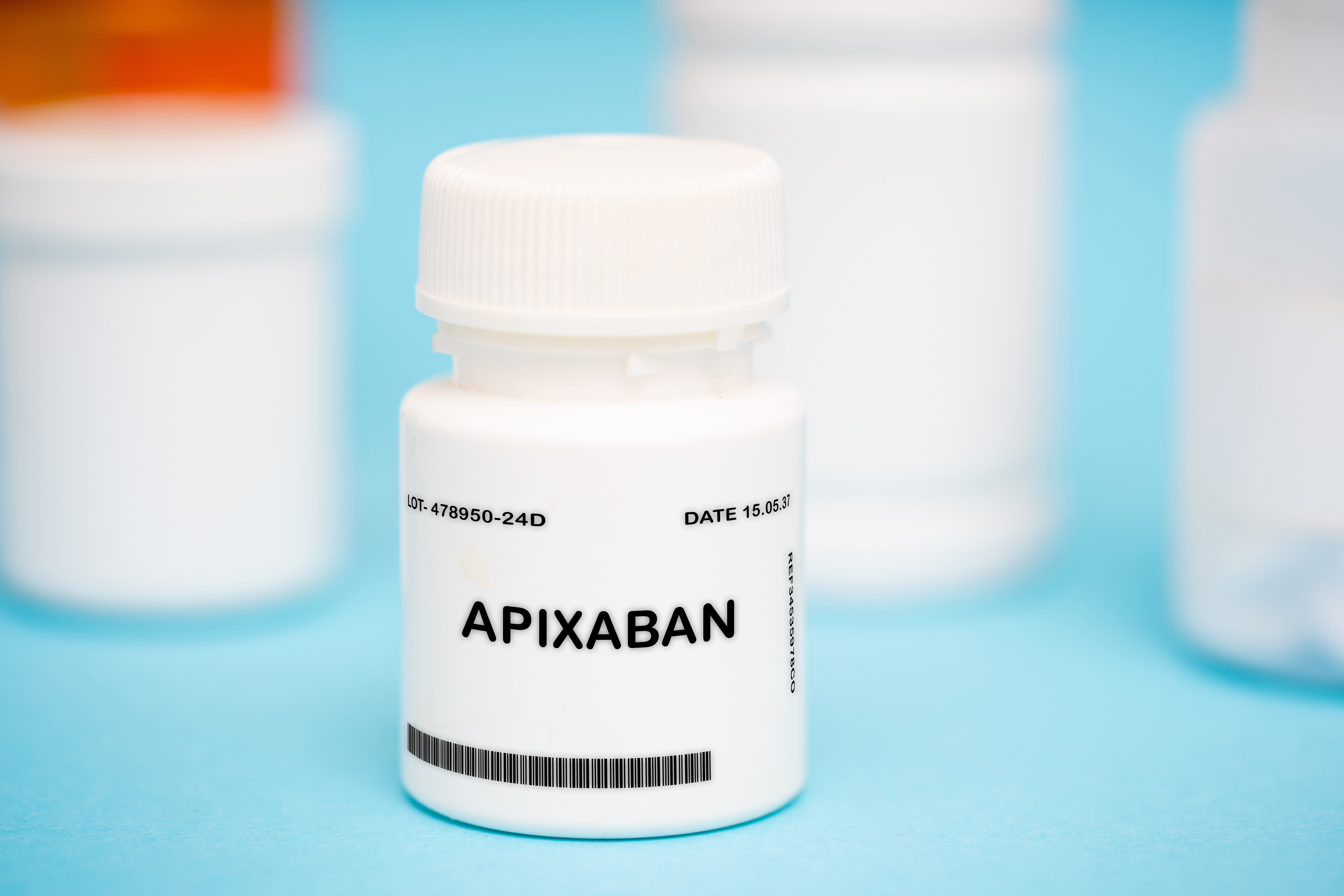
Eliquis (apixaban) is a prescription medication used to reduce the risk of blood clots, stroke, and other serious cardiovascular events. Many people who take Eliquis have underlying heart or circulatory conditions that can significantly affect their ability to work.
While taking Eliquis alone does not qualify someone for Social Security Disability benefits, the underlying condition—such as atrial fibrillation or a history of stroke—may qualify if it prevents a person from maintaining full-time employment.
Cardiovascular and stroke-related conditions can sometimes qualify for Social Security Disability Insurance (SSDI) or Supplemental Security Income (SSI) benefits when symptoms are severe and long-lasting.
This guide explains:
- what Eliquis is prescribed for
- how cardiovascular and stroke-related conditions affect work
- when these conditions may qualify for disability benefits
- how Social Security evaluates these claims
If a heart condition or stroke is preventing you from working, you may want to explore whether disability benefits are available.
What Is Eliquis Prescribed For?
Eliquis is a blood thinner (anticoagulant) used to reduce the risk of clot formation. It is commonly prescribed for individuals with cardiovascular conditions that increase the risk of stroke.
Doctors often prescribe Eliquis for:
- atrial fibrillation (AFib)
- prevention of stroke
- deep vein thrombosis (DVT)
- pulmonary embolism (PE)
- other clotting disorders
These conditions can lead to serious complications, including stroke, reduced circulation, and organ damage.
Symptoms associated with these conditions may include:
- irregular heartbeat
- fatigue
- shortness of breath
- dizziness
- weakness
- complications following a stroke
These symptoms can interfere with a person’s ability to perform work activities.
Common Eliquis Side Effects
Eliquis can cause side effects that may affect daily functioning, particularly when combined with underlying cardiovascular issues.
Common side effects include:
- increased risk of bleeding
- bruising
- fatigue
- dizziness
- weakness
Because Eliquis affects blood clotting, individuals may need to avoid certain activities due to risk of injury or bleeding, which can impact job performance.
When Heart Conditions or Stroke Become Disabling
Cardiovascular conditions and strokes can have a major impact on a person’s ability to work.
Symptoms that may become disabling include:
- fatigue and reduced stamina
- shortness of breath
- dizziness or fainting
- cognitive impairment following a stroke
- weakness or paralysis
- difficulty speaking or concentrating
Individuals who have experienced a stroke may have lasting impairments that affect:
- mobility
- coordination
- speech
- memory
These limitations can make it difficult to return to work, especially in physically or mentally demanding jobs.
Can Stroke or Heart Conditions Qualify for Social Security Disability?
Yes. In many cases, stroke and serious cardiovascular conditions may qualify for Social Security Disability benefits.
The Social Security Administration evaluates these conditions based on:
For stroke-related claims, SSA may review:
- neurological evaluations
- imaging studies such as MRIs or CT scans
- speech or cognitive assessments
- physical therapy records
For cardiovascular conditions, SSA may review:
- cardiology records
- EKG or echocardiogram results
- stress tests
- hospital records
- medication history
SSA also evaluates how symptoms affect a person’s ability to:
- stand or walk
- use their hands
- communicate effectively
- concentrate or complete tasks
- maintain consistent attendance
If symptoms prevent full-time work for 12 months or longer, disability benefits may be available.
Medical Evidence That May Support a Disability Claim
Strong medical documentation is critical in stroke and cardiovascular disability claims.
Evidence may include:
- imaging studies (MRI, CT scans)
- cardiology evaluations
- neurological exams
- hospital records
- therapy or rehabilitation records
- medication history including Eliquis
Consistent medical treatment helps demonstrate the severity and long-term impact of a condition.
Signs Your Condition May Qualify for Disability Benefits
You may want to explore disability eligibility if your condition causes:
- fatigue or reduced stamina
- dizziness or fainting
- difficulty walking or using your hands
- cognitive or speech problems
- limitations following a stroke
- inability to maintain full-time employment
When these symptoms prevent consistent work, disability benefits may be available.
When to Speak With a Social Security Disability Lawyer
Cardiovascular and stroke-related claims often involve complex medical evidence and long-term impairments.
Many individuals seek legal help when:
- they are unsure whether their condition qualifies
- their disability claim has been denied
- they need help gathering medical records
- they are preparing for a disability hearing
A social security disability attorney can help evaluate your case and guide you through the process.

FAQs: Eliquis and Social Security Disability Benefits
Does taking Eliquis qualify you for Social Security Disability?
No. Taking Eliquis alone does not qualify someone for disability benefits. However, the underlying condition—such as atrial fibrillation or stroke—may qualify if it prevents you from working.
Can a stroke qualify for Social Security Disability?
Yes. A stroke may qualify if it causes lasting impairments such as difficulty walking, speaking, or concentrating.
Can atrial fibrillation qualify for disability?
In some cases, atrial fibrillation may qualify if it causes severe symptoms such as fatigue, dizziness, or complications that limit work ability.
What evidence is needed for stroke disability claims?
Evidence may include:
- MRI or CT scans
- neurological evaluations
- therapy records
- physician treatment notes
- medication history
What should I do if a heart condition prevents me from working?
You may want to speak with a Social Security Disability attorney to evaluate whether your condition qualifies for benefits.
Contact MLF Legal for a Free Disability Case Evaluation
If a heart condition, stroke, or circulatory disorder is preventing you from working, you may qualify for Social Security Disability benefits. Many prescription medications indicate potential eligibility for benefits.
MLF Legal represents disability applicants nationwide. Based in Dallas, Texas, we help individuals across the country pursue disability benefits.
Our team can review your situation and explain your options.
📞 Call MLF Legal at 214-357-1782 to request a free consultation.
Call MLF Legal today
214-357-1782
Fill out our online form
for a free consultation.
We only get paid if we win your case.