
Celiac Disease and Social Security Disability Benefits
TELL US WHAT HAPPENED SO WE CAN HELP. FREE CONSULTATION

Contact Us About Your Case
FREE Consultation Today.
Celiac Disease and Social Security Disability Benefits
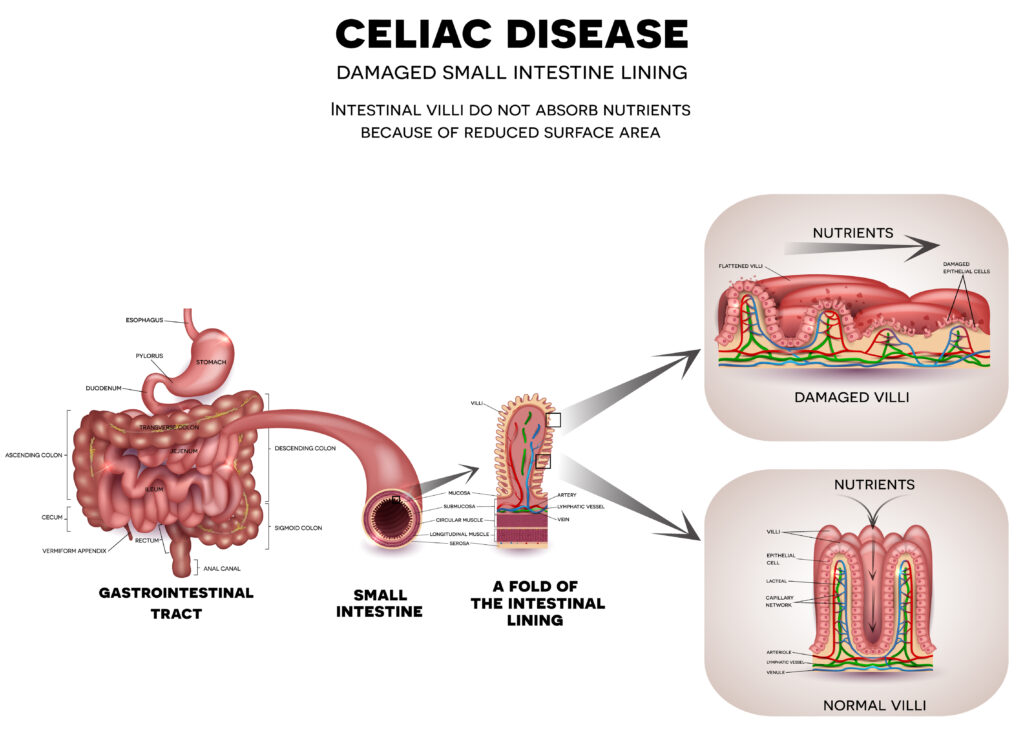
Celiac disease is often misunderstood as a simple dietary intolerance, but for many Texans, it is a chronic autoimmune disorder that affects far more than the digestive system. When someone with celiac disease consumes gluten, the immune system attacks the small intestine, damaging the villi responsible for absorbing nutrients. Over time, this damage can lead to severe malnutrition, weight loss, chronic diarrhea, abdominal pain, anemia, neurological symptoms, bone loss, and a wide range of systemic complications. Even with a strict gluten‑free diet, some individuals continue to experience debilitating symptoms due to refractory celiac disease, coexisting autoimmune conditions, or long‑term intestinal damage.
A Constant Struggle
For people with severe or treatment‑resistant celiac disease, daily life becomes a constant struggle. Eating becomes a source of anxiety. Symptoms can flare without warning. Fatigue, weakness, and cognitive difficulties make it hard to concentrate or maintain stamina. Many individuals require ongoing medical care, nutritional support, and repeated testing to monitor intestinal healing. Others face complications such as small bowel cancer, dermatitis herpetiformis, osteoporosis, or neurological impairment. When these symptoms interfere with the ability to work full‑time, Social Security Disability benefits may be available — but qualifying for a Celiac Disease and Social Security Disability claim requires strong medical documentation and a clear demonstration of functional limitations.
The Social Security Administration (SSA) does not have a dedicated blue book listing for celiac disease, but the condition can qualify for disability when it causes severe complications or when its symptoms prevent a person from sustaining full‑time employment.
At MLF Legal, our social security disability attorneys help Texans with celiac disease build strong, well‑supported disability claims that meet SSA’s strict requirements. If celiac disease has made working impossible, call 214‑357‑1782 for help.
Understanding Celiac Disease
Celiac disease is an autoimmune disorder triggered by gluten, a protein found in wheat, barley, and rye. When gluten is consumed, the immune system attacks the small intestine, causing inflammation and damage.
Common symptoms include:
Chronic diarrhea
Abdominal pain
Bloating
Nausea and vomiting
Weight loss
Malnutrition
Fatigue
Anemia
Joint pain
Headaches
Skin rashes (dermatitis herpetiformis)
Neuropathy
Cognitive difficulties (“brain fog”)
Some individuals develop refractory celiac disease, where symptoms persist despite a strict gluten‑free diet.
Complications That May Support a Disability Claim
Celiac disease can lead to serious long‑term complications, including:
Severe malabsorption
Osteoporosis or bone fractures
Iron‑deficiency anemia
Vitamin deficiencies
Peripheral neuropathy
Liver disease
Small bowel cancer
Fertility issues
Dermatitis herpetiformis
Weight loss and muscle wasting
These complications can significantly impair a person’s ability to work.
Does Celiac Disease Qualify for Social Security Disability?
Yes — celiac disease can qualify for disability benefits, but not through a dedicated listing. Instead, SSA evaluates celiac disease and social security disability claims under:
1. Related Listings
Celiac disease may qualify under listings for:
Digestive disorders (Listing 5.00)
Weight loss (Listing 5.08)
Malabsorption syndromes
Neurological disorders (if neuropathy is present)
Skin disorders (dermatitis herpetiformis)
Cancer (if complications arise)
2. Residual Functional Capacity (RFC)
Most celiac disease and social security disability claims are approved through RFC, which evaluates:
Frequency of digestive symptoms
Ability to maintain weight
Nutritional deficiencies
Fatigue and stamina
Cognitive impairment
Ability to maintain attendance
Medication or dietary restrictions
3. Medical‑Vocational Allowances
SSA considers age, education, and work history when determining whether a person can adjust to other work. This is part of the sequential evaluation process.
FAQs: Celiac Disease and Social Security Disability Benefits
Can celiac disease qualify for disability?
Yes. Severe or refractory celiac disease can qualify if symptoms prevent full‑time work.
Does celiac disease have its own SSA listing?
No, but it can qualify under related listings or through RFC.
Can celiac disease cause long‑term complications?
Yes. Complications include malnutrition, anemia, neuropathy, and bone loss.
Do I need a biopsy to prove my claim?
Yes. A biopsy is the gold standard for diagnosing celiac disease.
Can celiac disease cause weight loss that supports a disability claim?
Yes. Weight loss and malnutrition are strong evidence of impairment.

Medical Evidence Needed for a Celiac Disease Disability Claim
SSA requires extensive medical documentation, including:
Positive celiac serology (tTG‑IgA, EMA)
Small bowel biopsy results
Endoscopy reports
Nutritional assessments
Weight records
Lab results showing anemia or deficiencies
Imaging studies
Documentation of refractory celiac disease
Notes from gastroenterologists
Records of hospitalizations
Dietary compliance documentation
MLF Legal helps clients gather and organize this evidence to build a strong claim.
How Celiac Disease Limits Work Capacity
SSA evaluates how your condition affects:
Physical Functioning
Fatigue limiting stamina
Weakness from malnutrition
Frequent bathroom needs
Difficulty standing, walking, or lifting
Cognitive Functioning
Brain fog
Difficulty concentrating
Memory issues from nutritional deficiencies
Attendance
Frequent medical appointments
Flare‑ups requiring rest
Unpredictable symptoms
Safety
Dizziness
Weakness
Complications from anemia
How MLF Legal Strengthens Celiac Disease Disability Claims
Our social security disability lawyers focus on:
Documenting biopsy results and serology
Demonstrating how symptoms affect work attendance and performance
Obtaining detailed statements from treating physicians
Highlighting complications such as malnutrition or neuropathy
Preparing clients for SSA interviews and disability hearings
Appealing denials with strong medical and legal arguments
We understand the complexity of celiac disease and know how to present your case effectively.
When to Apply for Disability Benefits
You should consider applying if:
You cannot maintain full‑time work
You experience chronic diarrhea or abdominal pain
You have severe weight loss or malnutrition
You have refractory celiac disease
You experience neurological complications
Your symptoms persist despite a strict gluten‑free diet
If you’re unsure whether you qualify, MLF Legal can evaluate your case.
Call MLF Legal for Help With Your Celiac Disease Disability Claim
Celiac disease and social security disability can make working impossible. You deserve support and financial stability. Call MLF Legal at 214‑357‑1782 to get help filing your claim or appealing a denial.
Call MLF Legal today
214-357-1782
Fill out our online form
for a free consultation.
We only get paid if we win your case.