
Arrhythmias, Syncope, and Social Security Disability: How To Qualify Under Listing 4.05
TELL US WHAT HAPPENED SO WE CAN HELP. FREE CONSULTATION

Contact Us About Your Case
FREE Consultation Today.
Arrhythmias, Syncope, and Social Security Disability: How Texans Can Qualify Under Listing 4.05
Heart rhythm disorders—known as arrhythmias—can be unpredictable, frightening, and disabling. For many Texans, arrhythmias cause dizziness, fainting (syncope), chest discomfort, and sudden episodes that make it impossible to work safely or consistently. Yet many Arrhythmias and Social Security Disability claims are denied because the Social Security Administration (SSA) requires very specific documentation of episodes, testing, and treatment.
This comprehensive guide explains how SSA evaluates arrhythmias under SSA Blue Book Listing 4.05, how syncope episodes impact disability claims, and how the social security lawyers at MLF Legal help people build strong, medically supported cases. If you’re struggling with arrhythmias or fainting spells that interfere with work, call MLF Legal at 214‑357‑1782 for a free case evaluation.
Understanding Arrhythmias and Syncope
Arrhythmias occur when the heart beats too fast, too slow, or irregularly. These abnormal rhythms can disrupt blood flow to the brain and body, causing sudden and severe symptoms.
Common symptoms of arrhythmias include:
Dizziness or lightheadedness
Fainting (syncope) or near‑fainting
Heart palpitations
Chest pain
Shortness of breath
Fatigue
Sudden weakness
Confusion or difficulty concentrating
Common types of arrhythmias:
Atrial fibrillation (AFib)
Ventricular tachycardia
Supraventricular tachycardia (SVT)
Sick sinus syndrome
Long QT syndrome
Bradycardia
Heart block
Even with treatment—such as medications, ablations, pacemakers, or defibrillators—many people continue to experience unpredictable episodes that make work unsafe.
How SSA Evaluates Arrhythmias (Listing 4.05)
Listing 4.05 is one of the most technical cardiovascular listings. To meet it, you must show:
1. Recurrent Arrhythmias Despite Treatment
SSA requires evidence that your arrhythmias continue even when you follow prescribed treatment, such as:
Antiarrhythmic medications
Pacemaker or ICD
Ablation procedures
Lifestyle modifications
2. Documented Episodes of Syncope or Near‑Syncope
SSA requires objective documentation, such as:
ER visits
Hospitalizations
EKGs during or after episodes
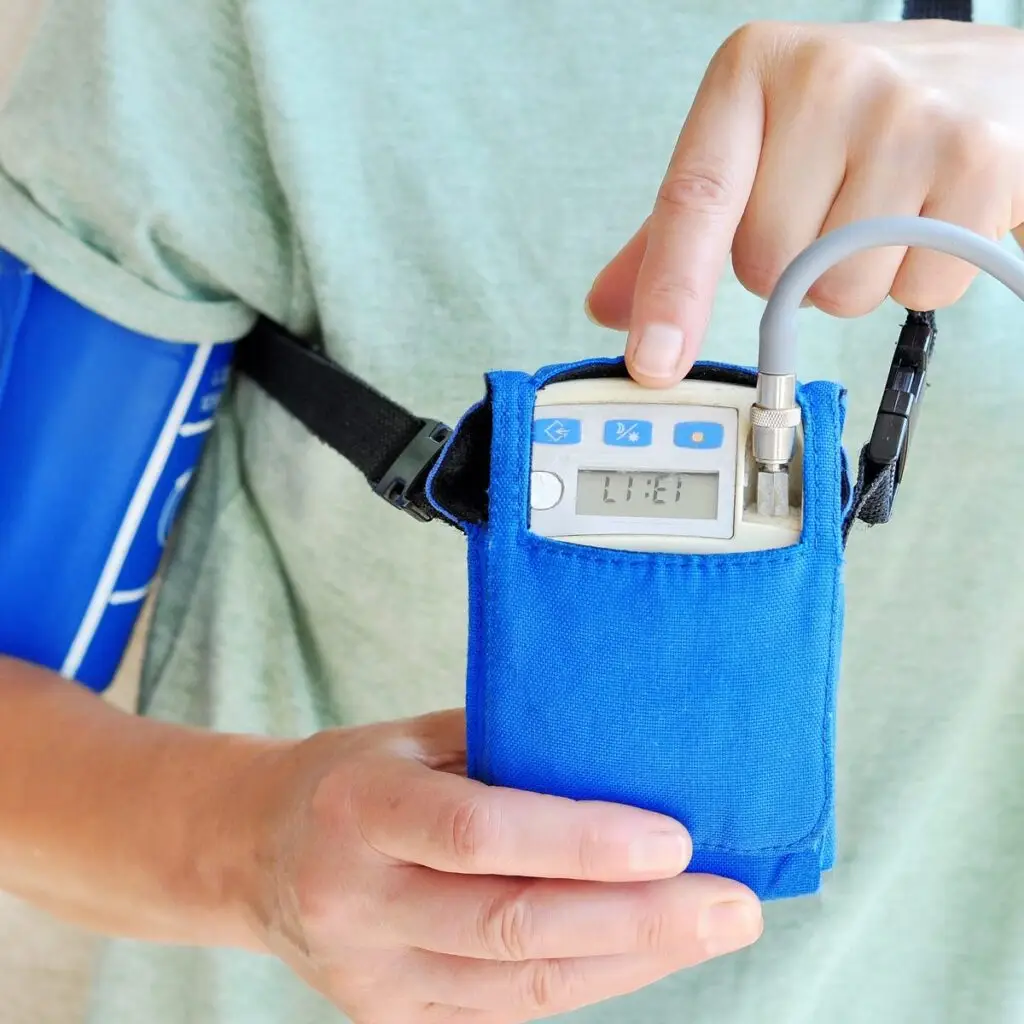
Holter monitor results
Event monitor recordings
Self‑reported symptoms alone are not enough.
3. Abnormal Testing
SSA looks for:
EKG abnormalities
Holter monitor findings
Electrophysiology study results
Stress test abnormalities
4. Functional Limitations
Episodes must interfere with:
Walking
Standing
Lifting
Concentration
Safety‑sensitive tasks
Reliability and attendance
If your arrhythmias cause unpredictable episodes, you may meet or equal the listing.
FAQs Arrhythmias, Syncope, and Social Security Disability
Do arrhythmias automatically qualify for disability?
Severe chronic heart failure, heart transplants, and certain congenital heart defects may qualify automatically if they meet SSA listing criteria.
Do I need documented fainting episodes to qualify?
Yes. Many claimants qualify through a medical‑vocational allowance based on symptoms and limitations.
Can I qualify if I have a pacemaker or ICD?
SSA typically reviews EKGs, echocardiograms, stress tests, catheterization results, and imaging studies.
What if my arrhythmias are intermittent?
Not usually, but complications such as heart failure or aneurysms may qualify.
Do I need a cardiologist to qualify?
Initial decisions take 3–6 months, but appeals may take longer.
Qualifying for Disability Even If You Don’t Meet Listing 4.05
Most arrhythmias and Social Security Disability claims do not meet the exact listing criteria. Many still qualify through an analysis of your residual functional capacity which evaluates how your symptoms limit your ability to work.
Common limitations that support disability:
Unpredictable fainting spells
Dizziness that limits standing or walking
Fatigue from irregular heart rhythms
Inability to perform safety‑sensitive tasks
Difficulty concentrating after episodes
Need to avoid physical exertion
Frequent medical appointments
Medication side effects
Even if your testing is inconclusive, your functional limitations may still qualify you as you move through the sequential evaluation process.
Syncope Episodes and Disability Claims
Syncope (fainting) is one of the most disabling symptoms associated with arrhythmias. SSA takes syncope seriously because it creates safety risks and disrupts work performance.
Syncope can prevent work when it causes:
Falls or injuries
Inability to drive
Inability to operate machinery
Unpredictable absences
Difficulty standing or walking
Cognitive fog after episodes
SSA evaluates how often episodes occur, how long they last, and how they impact your daily functioning.
Essential Medical Evidence for Arrhythmia Disability Claims
SSA requires objective medical evidence, including:
1. Diagnostic Testing
EKGs
Holter monitor results
Event monitor recordings
Electrophysiology studies
Stress tests
Echocardiograms
2. Treatment Records
Medication lists
Pacemaker or ICD reports
Ablation procedure notes
ER visits for fainting or palpitations
Cardiologist notes
3. Functional Evidence
Difficulty standing or walking
Unpredictable episodes
Fatigue that limits daily activities
Difficulty concentrating
Need for rest after episodes
4. Compliance With Treatment
SSA expects:
Medication adherence
Follow‑up appointments
Use of monitoring devices
If you cannot afford treatment, that should be documented.
How Arrhythmias Limit Your Ability to Work
Arrhythmias affect both physical and cognitive functioning. SSA evaluates how your symptoms impact:
Physical Demands
Walking
Standing
Lifting
Carrying
Climbing stairs
Cognitive Demands
Concentration
Memory
Pace
Reliability
Safety‑Sensitive Demands
Driving
Operating machinery
Working at heights
Working around hazards
Many arrhythmia claimants cannot sustain full‑time work because episodes are unpredictable and dangerous.
Common Reasons Arrhythmia Disability Claims Are Denied
Even legitimate Arrhythmias and Social Security Disability claims are often denied due to:
1. Lack of documented episodes
SSA needs medical records, not just self‑reports.
2. No recent testing
Holter or event monitor results are essential.
3. Gaps in treatment
Missed appointments can hurt your case.
4. Underreporting symptoms
If you tell your doctor “I’m fine,” SSA assumes you are.
5. Failure to explain functional limitations
SSA must see how symptoms affect work activities. Ask your doctors for a medical source statement.
MLF Legal’s social security disability lawyers help you avoid these pitfalls by building a complete, well‑documented case.
How MLF Legal Helps Texans With Arrhythmia Disability Claims
Arrhythmia claims require detailed medical evidence and strong legal arguments. MLF Legal supports you by:
Gathering all cardiology records
Obtaining detailed medical opinions
Documenting your functional limitations
Preparing you for SSA exams
Handling appeals and hearings
Presenting your case clearly and effectively
If you suffer from a cardiovascular disorder that makes work unsafe or impossible, you deserve support. Call MLF Legal at 214‑357‑1782 for a free consultation.
Call MLF Legal today
214-357-1782
Fill out our online form
for a free consultation.
We only get paid if we win your case.