
Respiratory Failure and Social Security Disability Benefits
TELL US WHAT HAPPENED SO WE CAN HELP. FREE CONSULTATION

Contact Us About Your Case
FREE Consultation Today.
How SSA Evaluates Acute and Chronic Respiratory Failure Under Blue Book §3.14 & The Sequential Evaluation Process
Respiratory failure is one of the most serious respiratory conditions evaluated by the Social Security Administration (SSA). When your lungs can no longer supply enough oxygen to your blood—or remove enough carbon dioxide—your body cannot function normally. Many Texans with respiratory failure experience severe shortness of breath, extreme fatigue, confusion, and repeated hospitalizations. These symptoms often make full‑time work impossible. In these situations, many people need help connecting the dots between respiratory failure and social security disability.
If you have experienced acute respiratory failure, chronic respiratory failure, or require mechanical ventilation or noninvasive ventilation (BiPAP), you may qualify for Social Security Disability Insurance (SSDI) or Supplemental Security Income (SSI).
At MLF Legal, our social security disability lawyers help Texans gather the right medical evidence, document their symptoms, and build strong disability claims. If respiratory failure is affecting your ability to work, call 214‑357‑1782 for a free consultation.
Understanding Respiratory Failure
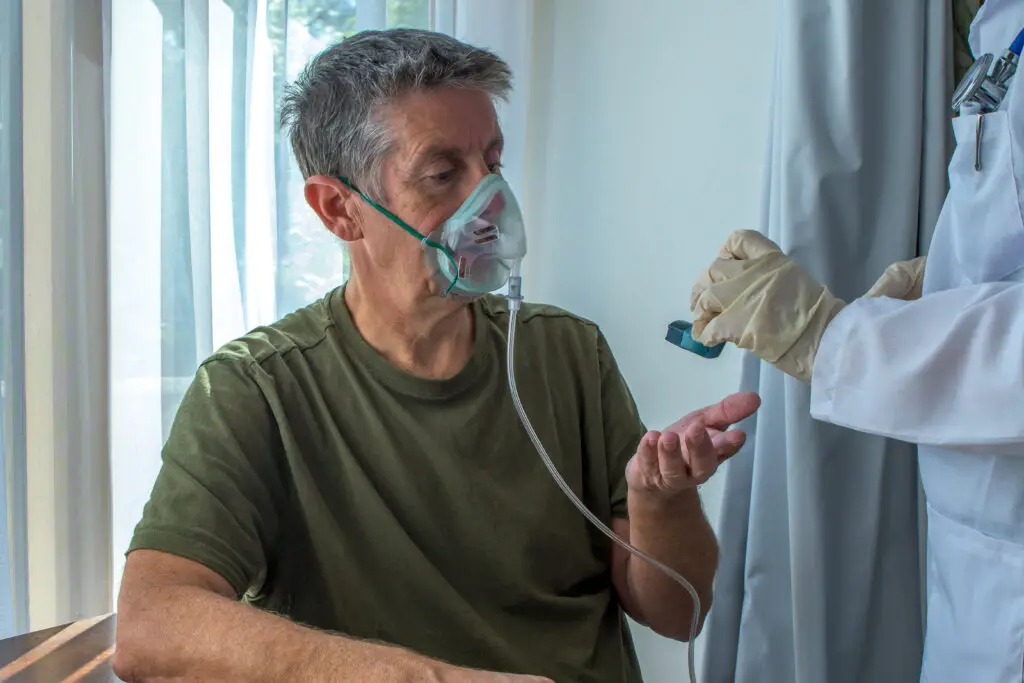
Respiratory failure occurs when the lungs cannot maintain normal oxygen or carbon dioxide levels. It may be:
1. Acute Respiratory Failure
A sudden, life‑threatening event often caused by:
Pneumonia
Pulmonary embolism
Trauma
Drug overdose
COVID‑19 or other viral infections
2. Chronic Respiratory Failure
A long‑term condition often caused by:
Obesity hypoventilation syndrome
Sleep‑related hypoventilation
Common symptoms include:
Severe shortness of breath
Low oxygen levels
High carbon dioxide levels
Confusion or disorientation
Fatigue
Cyanosis (bluish skin)
Need for oxygen or ventilation
These symptoms often require emergency treatment and long‑term management.
How SSA Evaluates Respiratory Failure Under Listing 3.14
Respiratory failure is evaluated under Blue Book Listing 3.14, which focuses on:
1. Need for Mechanical Ventilation
You may meet the listing if you require:
Mechanical ventilation (invasive)
Noninvasive ventilation (BiPAP)
Ventilation for at least 48 hours
Ventilation on two separate occasions within 12 months
2. Chronic Respiratory Failure
You may qualify if you have:
Resting oxygen saturation below SSA thresholds
Chronic hypercapnia (high CO₂ levels)
Need for continuous oxygen therapy
Severe gas‑exchange impairment
3. Hospitalizations
SSA reviews:
ER visits
ICU stays
Intubations
Exacerbations requiring ventilation
Repeated episodes of acute respiratory failure
4. Underlying Conditions
Respiratory failure often results from:
COPD
Pulmonary fibrosis
ILD
Cystic fibrosis
Neuromuscular disorders
Sleep‑related breathing disorders
SSA evaluates both the failure itself and the underlying disease.
FAQs About Respiratory Failure And Social Security Disability Benefits
Does respiratory failure automatically qualify for disability?
Not automatically. You must show that your condition meets Listing 3.14 or prevents you from sustaining full‑time work through RFC limitations.
What tests are most important for a respiratory failure disability claim?
Arterial blood gas (ABG) tests, oxygen saturation records, ventilation records, and pulmonary function tests are key.
Can I qualify if I use BiPAP or mechanical ventilation?
Yes. Ventilation for at least 48 hours—or on two separate occasions within 12 months—may meet Listing 3.14.
Can chronic respiratory failure qualify for disability?
Yes. Chronic hypoxemia, hypercapnia, or the need for continuous oxygen therapy can support disability approval.
How does SSA evaluate respiratory failure episodes?
SSA reviews ER visits, ICU stays, intubations, and repeated episodes requiring ventilation or oxygen therapy.
How can a lawyer help with a respiratory failure disability claim?
A lawyer helps gather medical evidence, coordinate with your pulmonologist, prepare RFC documentation, and appeal denials. A lawyer will try to prove that you meet the blue book listing, and if not, that you have good evidence to support the sequential evaluation process level of review.
Do You Need to Meet Listing 3.14 to Qualify?
No. Many respiratory failure claimants qualify through Residual Functional Capacity (RFC) instead of meeting the listing.
You may qualify if your condition prevents you from:
Walking more than short distances
Standing for long periods
Lifting or carrying objects
Working around dust, fumes, smoke, or chemicals
Maintaining consistent attendance
Staying alert or focused due to low oxygen levels
Performing your past work or adjusting to new work
Even if you do not require ventilation, chronic respiratory failure can still support disability.
How Respiratory Failure Limits Work Ability
Respiratory failure affects both physical and cognitive work functions.
Physical limitations include:
Shortness of breath with minimal exertion
Reduced stamina
Difficulty lifting or carrying
Needing frequent breaks
Inability to walk long distances or climb stairs
Cognitive limitations include:
Confusion
Memory problems
Difficulty concentrating
Slowed thinking
Fatigue from low oxygen levels
Environmental limitations include:
Inability to tolerate dust, fumes, smoke, or chemicals
Sensitivity to temperature extremes
Difficulty working in poorly ventilated areas
Attendance issues:
Frequent medical appointments
Hospitalizations
Exacerbations requiring rest
These limitations often make full‑time work unsustainable.
Evidence That Strengthens a Respiratory Failure And Social Security Disability Claim
MLF Legal helps you gather:
Arterial blood gas (ABG) results
Oxygen saturation records
Ventilation records (BiPAP or mechanical ventilation)
Pulmonary function tests (PFTs)
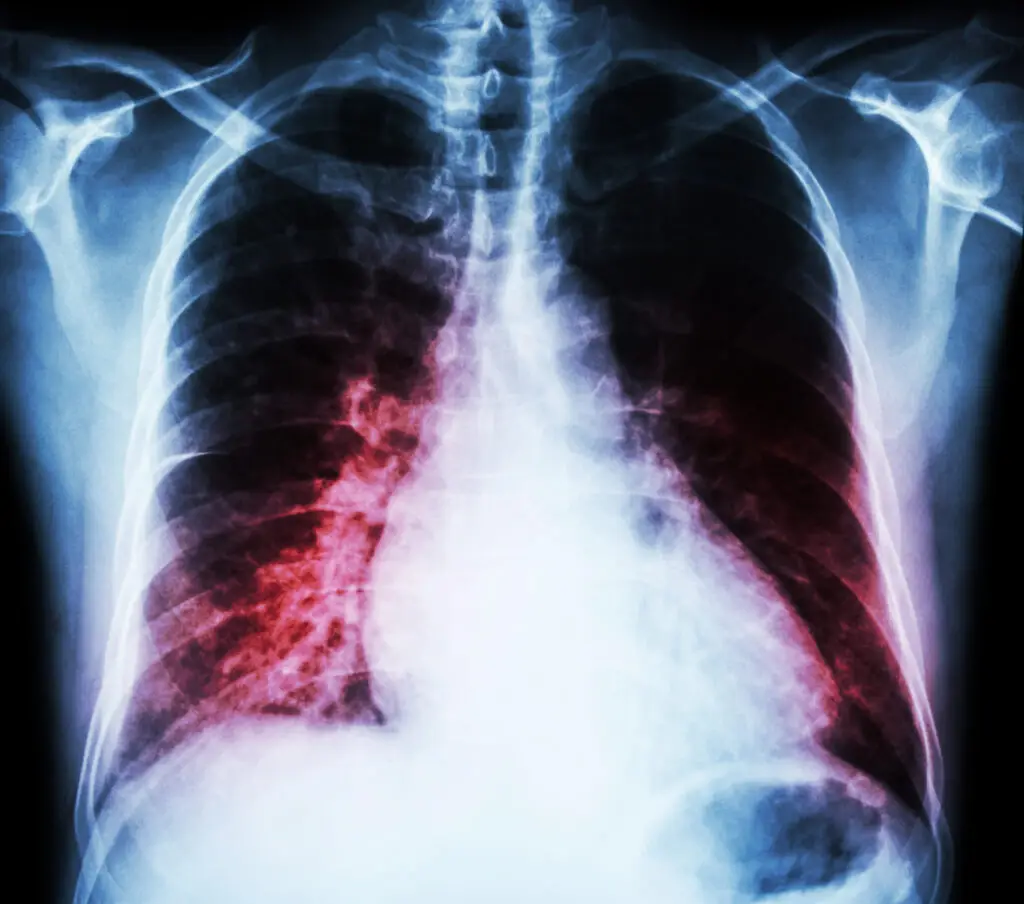
Imaging (X‑ray, CT scans)
Hospitalization and ICU records
Medication lists
Specialist (pulmonologist) notes
We also help ensure your medical records clearly document:
Frequency of respiratory failure episodes
Response to treatment
Limitations in daily activities
Need for oxygen or ventilation
Environmental sensitivities
Get Help With Your Respiratory Failure Disability Claim
Respiratory failure is a life‑threatening condition—and SSA’s rules are complex. You don’t have to navigate this alone. It’s too hard to deal with respiratory failure and social security disability by yourself.
If your breathing problems prevent you from working, call MLF Legal at 214‑357‑1782 for a free case review. We help Texans gather the right evidence, communicate with their doctors, and fight for the benefits they deserve.
Call MLF Legal today
214-357-1782
Fill out our online form
for a free consultation.
We only get paid if we win your case.