
SSDI Denied But VA Approved: Why Was My SSDI Claim Denied When the VA Says I Am Disabled?
TELL US WHAT HAPPENED SO WE CAN HELP. FREE CONSULTATION

Contact Us About Your Case
FREE Consultation Today.
SSDI Denied But VA Approved: Why Was My SSDI Claim Denied When the VA Says I Am Disabled?
The VA has recognized your disability. You may have a 100% rating or receive Total Disability based on Individual Unemployability, known as TDIU. Then Social Security denies your disability application.
It is understandable to wonder how two federal agencies can reach different conclusions about the same health problems.
A VA disability award does not automatically qualify you for Social Security Disability Insurance, or SSDI. The programs have different requirements, and Social Security makes its own decision. A denial also does not necessarily mean that you cannot win benefits on appeal. The next step is to identify why the claim was denied and address that reason.
The VA and Social Security Apply Different Rules
The VA awards disability compensation for service-connected conditions using a percentage rating system. SSDI evaluates whether your medical conditions prevent substantial gainful activity under Social Security’s rules.
Social Security also requires sufficient qualifying work history and disabling limitations that have lasted, or are expected to last, at least 12 consecutive months, or are expected to result in death. Your conditions do not have to be connected to military service.
Even TDIU, which addresses inability to sustain substantially gainful employment because of service-connected disabilities, does not bind Social Security. For current applications, SSA is not required to analyze the VA’s decision itself. It must, however, consider the supporting evidence underlying that decision that it receives in your claim.
Start With the Actual Reason for Your Denial
Your denial notice should explain the basis for the decision. Requesting and reviewing your Social Security claim file can provide more detail about the medical records, work history, and functional findings used.
The distinction between a medical denial and a denial based on work-history or other eligibility requirements matters. Each calls for a different response and different types of evidence.
Social Security Believes You Can Still Work
SSA may acknowledge serious health conditions but conclude that you can perform your past relevant work or adjust to other work. It uses your residual functional capacity, or RFC, along with the applicable vocational factors, to make those determinations.
The agency may also deny a claim because work activity qualifies as substantial gainful activity, or because the evidence does not establish the required severity or duration.
Review what Social Security says you can do. Does that assessment account for your need to change positions, take breaks, manage symptom episodes, or receive help completing tasks?
The Record Does Not Fully Explain Your Limitations
A file can contain years of treatment without clearly explaining how symptoms affect a workday. Another issue to investigate is whether SSA received the relevant VA examinations, private treatment records, or medical opinions. When SSDI denied but VA approved disability, this is likely a first place to start looking when you want to make sure all of the right evidence made it to the SSA.
A diagnosis or rating letter may establish part of the picture. Evidence describing specific limitations helps Social Security assess what you can still do despite your conditions. We can help coordinate this with your doctors.
There Is a Work-Credit or Insured-Status Problem
SSDI requires you to have worked long enough and recently enough in employment covered by Social Security. A VA award does not satisfy that requirement.
If your insured status expired, the question may be whether the evidence establishes disability on or before your date last insured. Current evidence alone may not explain your condition during that earlier period. Review your earnings record and the relevant dates rather than assuming that additional medical records will resolve every eligibility issue.
Build the Appeal Around the Evidence Social Security Needs
An effective appeal should address the reason for denial, rather than simply repeat that the VA found you disabled.
Depending on the issue, useful evidence may include:
- VA treatment records and Compensation and Pension examinations that were missing from the original file.
- Medical opinions explaining restrictions on sitting, standing, walking, lifting, concentration, or social interaction.
- Records showing symptom frequency, treatment response, and medication side effects.
- Employer documentation of accommodations, reduced duties, absences, or unsuccessful work attempts.
- Records from the period before your insured status expired.
For example, “I have PTSD” identifies a diagnosis. Explaining how often symptoms interrupt concentration, what triggers difficulty interacting with others, and how long recovery takes provides a clearer account of functioning.
Our article on residual functional capacity explains how medical evidence connects to work limitations. SSA considers relevant medical and other evidence, including the combined effects of medically established impairments, when assessing RFC. You can check out our video on residual functional capacity as well.
Protect Your Appeal Deadline
You generally have 60 days after receiving the denial notice to request an appeal. Social Security ordinarily presumes receipt five days after the notice date unless you show that it arrived later. Follow the instructions in your notice and act promptly.
Do not let the deadline pass while waiting for additional records. You can submit the appeal request and identify evidence that is still being obtained, subject to the rules and deadlines for your appeal stage.
After an initial denial, the next step is generally reconsideration. If reconsideration is denied, you can generally request a hearing before an administrative law judge. Later review stages may also be available.
If you believe the deadline has passed, seek advice promptly. SSA may extend an appeal deadline for good cause, but an extension is not automatic.
Should You Appeal or File a New Application?
A new application is not automatically the best response to a denial. It may leave the earlier decision unchallenged and affect the period for which benefits can be considered.
The right approach depends on the denial reason, appeal stage, filing dates, insured status, and whether your condition has changed. Have those issues reviewed before abandoning an existing claim.

FAQs: SSDI Denied But VA Approved: Why Was My SSDI Claim Denied When the VA Says I Am Disabled?
Can Social Security deny me with a 100% VA disability rating?
Yes. A 100% rating, including Permanent and Total status, does not automatically establish SSDI eligibility. Social Security applies its own requirements.
Does Social Security have to consider my VA records?
SSA must consider supporting evidence underlying the VA decision that it receives in your claim. That differs from being required to accept or analyze the VA’s disability conclusion.
Can I appeal if I receive TDIU but was denied SSDI?
Yes. You can challenge the SSDI denial through the applicable appeal process. TDIU does not guarantee success; the appeal must address SSA’s reasons and requirements.
Should I wait for more medical records before appealing?
Do not miss the appeal deadline while waiting for records. Submit the appeal on time and identify outstanding evidence, following the submission rules for your appeal stage.
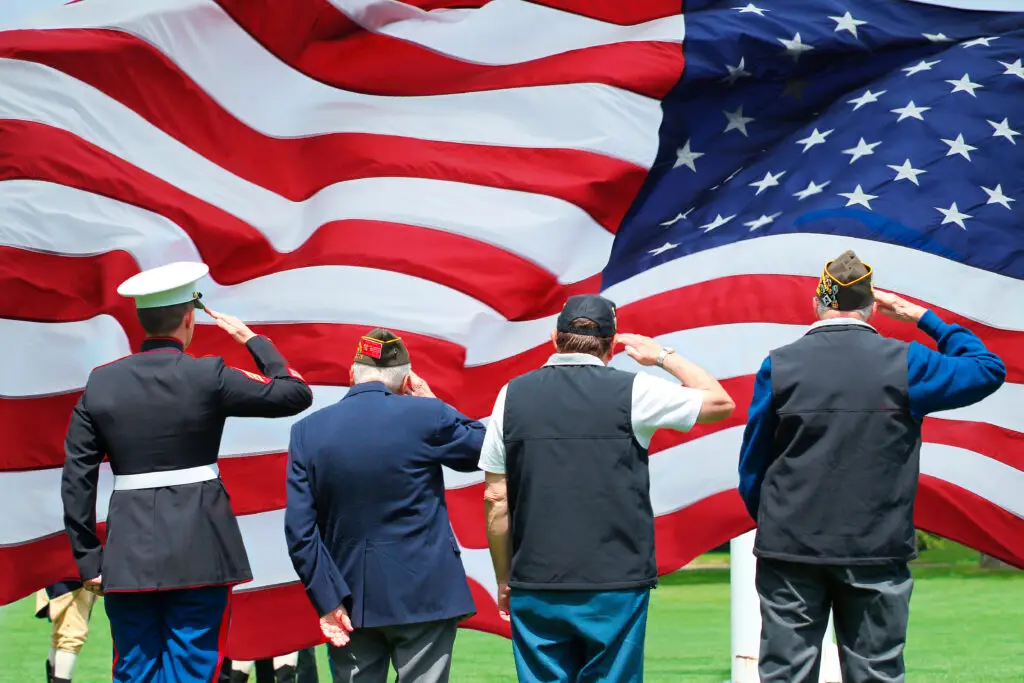
MLF Legal Helps Veterans Appeal SSDI Denials
A Social Security denial can feel especially discouraging when the VA has already recognized your disability. You do not have to figure out the next step alone.
MLF Legal represents Social Security disability applicants nationwide. Based in Dallas, Texas, we help individuals across the country pursue disability benefits. We handle initial disability applications, requests for reconsideration and hearings before the judge.
Our social security lawyers can review your situation for free and explain your options.
📞 Call MLF Legal at 214-357-1782 to request a free consultation.
Next Steps:
1st Sign up For a Free One-on-One Disability Case Evaluation
Contact us today to schedule your personalized one-on-one free phone consultation with one of our dedicated legal professionals. Our experienced social security lawyers are here to provide the expert legal guidance and support you need throughout the entire process of your case.
We understand the complexities involved in social security disability claims and are committed to helping you achieve the best possible outcome. Don’t hesitate to reach out and take the first step toward securing the justice you deserve.
2nd Download Free E-Books
Social Security Disability
Navigating the Social Security Disability Benefits process can be complex, but understanding the key steps can help. From gathering medical records to completing the application, this process ensures eligible individuals receive the support they need. Seeking guidance from experts can simplify the journey and increase the chances of a successful outcome.
Call MLF Legal today
214-357-1782
Fill out our online form
for a free consultation.
We only get paid if we win your case.