
Texas Premises Liability Laws: What Injured Visitors Need to Prove
FREE CONSULTATION
Contact Us About Your Case
FREE Consultation Today.
Texas Premises Liability Laws: What Injured Visitors Need to Prove
An injury at a grocery store, apartment complex, hotel, or another property can leave you facing medical bills and missed work. But being injured on someone else’s property does not automatically establish a right to compensation.
Texas premises liability laws determine when a property owner or operator may be legally responsible for a dangerous condition. Your reason for being on the property, the defendant’s knowledge, and the connection between the condition and your injury can all affect the claim.
MLF Legal, PLLC’s personal injury attorneys can review what happened and explain the evidence needed to pursue compensation.
What Is Premises Liability?
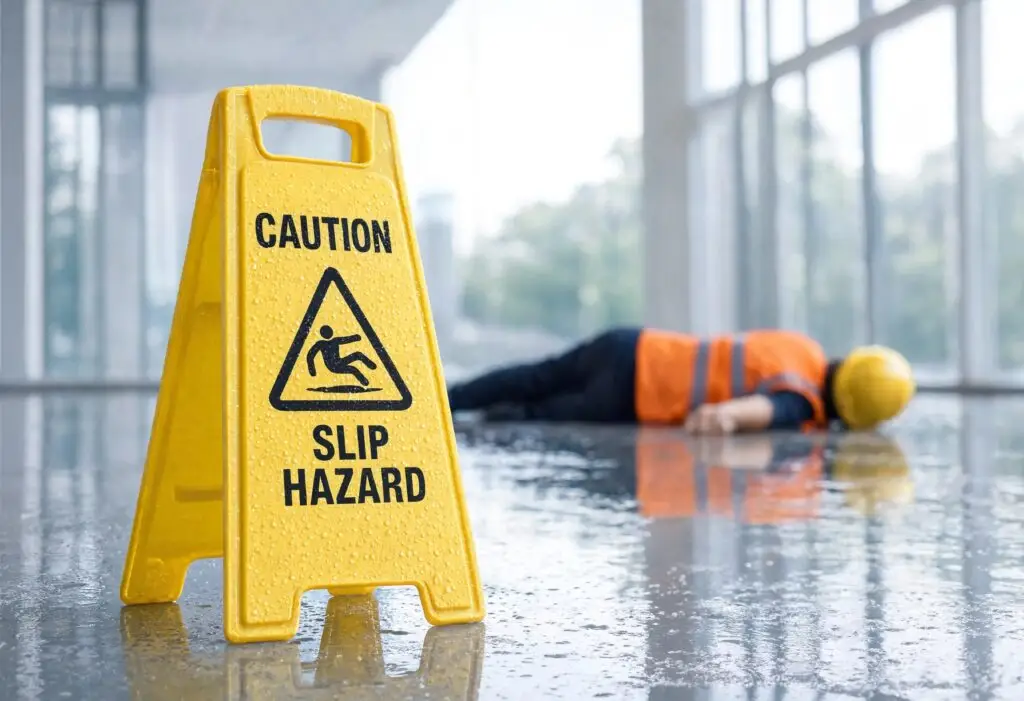
Premises liability addresses injuries caused by unsafe property conditions. Potential examples include slippery flooring, damaged stairs, loose railings, or hazardous walkways.
Responsibility depends on the facts and the applicable duty. Ownership alone does not resolve every claim; a business operator or another party controlling the relevant area may also require investigation.
Your Visitor Status Affects the Duty Owed
Texas commonly distinguishes between invitees, licensees, and trespassers.
Invitees: Customers and Other Business Visitors
A customer entering a store for the mutual benefit of the customer and business is generally an invitee. Invitee claims ordinarily involve whether the owner or operator actually knew or had constructive knowledge of the dangerous condition.
Licensees: Social Guests
A social guest is generally a licensee. An owner ordinarily must avoid willful, wanton, or grossly negligent injury. When the owner actually knows about a dangerous condition and the guest does not, the owner generally must warn about it or make it safe.
For an ordinary licensee claim, showing that the owner merely should have known about the hazard is generally insufficient. Texas courts explain this distinction in Cowgill v. Burch. txcourts.gov
Trespassers
A person entering without permission generally receives more limited protection. Exceptions and special rules can apply, including some cases involving children.
Visitor status requires careful review. Having permission to enter does not automatically make someone an invitee.
What Must an Injured Invitee Prove?
For a typical invitee claim, the injured person must establish four elements:
- The owner or operator had actual or constructive knowledge of the condition.
- The condition posed an unreasonable risk of harm.
- The defendant failed to use reasonable care to reduce or eliminate the risk.
- That failure proximately caused the injury.
The Texas Supreme Court discusses these requirements in Austin v. Kroger Texas, L.P.. txcourts.gov
Knowledge of the Condition
Actual knowledge concerns awareness of the relevant condition. Complaints, maintenance communications, or employee observations may help establish what the defendant knew.
Constructive knowledge can involve proof that the condition existed long enough to be discovered through reasonable inspection. For a temporary spill, evidence of timing is often critical. An employee’s proximity to the area alone does not establish how long the spill existed.
The Texas Supreme Court addresses the knowledge distinction in its opinion in No. 23-0041.
An Unreasonable Risk of Harm
Identify the specific condition that caused the incident. The fact that an accident occurred does not, by itself, establish an unreasonable danger.
Useful questions include: What was defective? Where was it? How did it affect the visitor’s movement? Photographs, measurements, and witness accounts can help answer those questions.
Failure to Use Reasonable Care
An adequate warning or making the condition reasonably safe may satisfy the applicable duty. The circumstances determine whether the defendant’s response was sufficient.
A Connection to the Injury
The evidence must connect the defendant’s failure to the injury. Medical records and a clear account of the incident can help distinguish injuries caused by the event from unrelated conditions.
What Evidence Can Support Your Claim?
Evidence should address the specific issues in dispute. Useful materials may include:
- Photographs of the condition and surrounding area.
- Surveillance footage from before and during the incident.
- Witness names and statements.
- Incident reports.
- Inspection, cleaning, and maintenance records.
- Prior complaints about the same condition.
- Leases or contracts identifying control of the area.
- Medical records and documentation of lost earnings.
For an apartment stairway injury, an earlier repair request might help establish notice. For a grocery-store spill, video may help establish the timeline. Neither automatically proves the entire claim.
Seek medical care first, report the incident, and preserve records when safe. Prompt investigation matters because conditions change and recordings may be overwritten.
What if the Hazard Was Open and Obvious?
Texas generally limits the duty to protect invitees from dangers that are open and obvious or already known to them. Limited exceptions exist, including certain necessary-use situations.
This issue concerns the defendant’s duty and is distinct from assigning a percentage of fault. The specific facts require review.
What if You Were Partly at Fault?
In cases governed by Texas Civil Practice and Remedies Code Chapter 33, a claimant cannot recover if their responsibility exceeds 50%. At 50% or less, their damages are reduced by their percentage of responsibility.
For example, a $100,000 damages finding with 20% claimant responsibility would be reduced to $80,000 before other applicable adjustments. This illustration is not a prediction of case value.
Do Different Rules Apply to Certain Properties?
Yes. The ordinary invitee framework does not apply identically to every situation.
- Governmental property: The Texas Tort Claims Act addresses immunity, premises duties, and notice requirements.
- Recreational use: Chapter 75 may limit landowner liability when its requirements are met. tcss.legis.texas.gov
- Contractor injuries: Chapter 95 imposes additional requirements for certain claims involving construction, repair, renovation, or modification of improvements. An attorney should identify the governing rules before evaluating whether the evidence supports liability.
How Long Do You Have to File?
Many Texas personal injury lawsuits must be filed within two years after the claim accrues, often the injury date, under Section 16.003. Exceptions may affect the deadline.
Government claims may also require notice within six months under Section 101.101, with valid local requirements potentially imposing shorter periods. Reporting an accident does not necessarily satisfy those requirements. Do not assume settlement discussions extend the filing deadline.
Discuss Your Premises Liability Claim With MLF Legal
Understanding Texas premises liability laws is the starting point. A useful claim evaluation connects the legal requirements to evidence about your accident.
If you were injured on unsafe property in Dallas–Fort Worth or elsewhere in Texas, MLF Legal can review the circumstances, evaluate potential responsibility, and explain your options.
Contact the premises liability lawyers at MLF Legal, PLLC to discuss your injury.
Call 214-357-1782 today!
FAQs: Texas Premises Liability Laws: What Injured Visitors Need to Prove
No. You must establish the applicable duty and the required elements of your claim. The location of the accident alone does not prove liability.
Possibly. For an invitee claim, constructive knowledge may be sufficient. The evidence must support that conclusion; the rules differ for licensees.
Not automatically. Whether the warning was adequate matters. A sufficient warning may satisfy the applicable duty.
Potentially. Control of the relevant area, legal duties, notice, and causation require investigation. A company’s title alone does not establish liability.
Other evidence may help, including video, witnesses, and maintenance records. Explain what happened to an attorney rather than assuming the claim cannot proceed.
Injured at work in Texas and your employer doesn’t have workers’ comp?
You may have the right to sue and recover full compensation.
Contact MLF Legal today for a free consultation. You pay nothing unless we win your case.
Call MLF Legal today
214-357-1782
Fill out our online form
for a free consultation.
We only get paid if we win your case.
Contact MLF Legal Today