
Gastroparesis and Social Security Disability Benefits
TELL US WHAT HAPPENED SO WE CAN HELP. FREE CONSULTATION

Contact Us About Your Case
FREE Consultation Today.
Gastroparesis and Social Security Disability Benefits
Gastroparesis is a chronic digestive disorder that can completely disrupt a person’s ability to work, maintain nutrition, and perform daily activities. For many Texans, gastroparesis is not just an uncomfortable stomach issue — it is a debilitating medical condition that affects every part of life. When the stomach cannot empty properly, food remains in the digestive tract for too long, causing nausea, vomiting, bloating, abdominal pain, early fullness, weight loss, dehydration, and dangerous electrolyte imbalances. These symptoms can strike unpredictably, making it nearly impossible to maintain a consistent work schedule or meet the physical and cognitive demands of full‑time employment.
Gastroparesis is often caused by diabetes, nerve damage, autoimmune disease, viral infections, surgery, or unknown factors. Many individuals require feeding tubes, gastric electrical stimulation, specialized diets, or long‑term medication management. Gastroparesis and Social Security Disability claimants experience repeated hospitalizations for dehydration, malnutrition, or uncontrolled vomiting. Even with treatment, symptoms may persist or worsen over time, and flare‑ups can leave individuals bedridden for days or weeks.
The Social Security Administration (SSA) does not have a dedicated blue book listing for gastroparesis, but the condition can qualify for disability when it causes severe complications or when its symptoms prevent a person from sustaining full‑time employment.
At MLF Legal, our social security lawyers help Texans with gastroparesis build strong, well‑supported disability claims that meet SSA’s strict requirements. If gastroparesis has made working impossible, call 214‑357‑1782 for help.
Understanding Gastroparesis
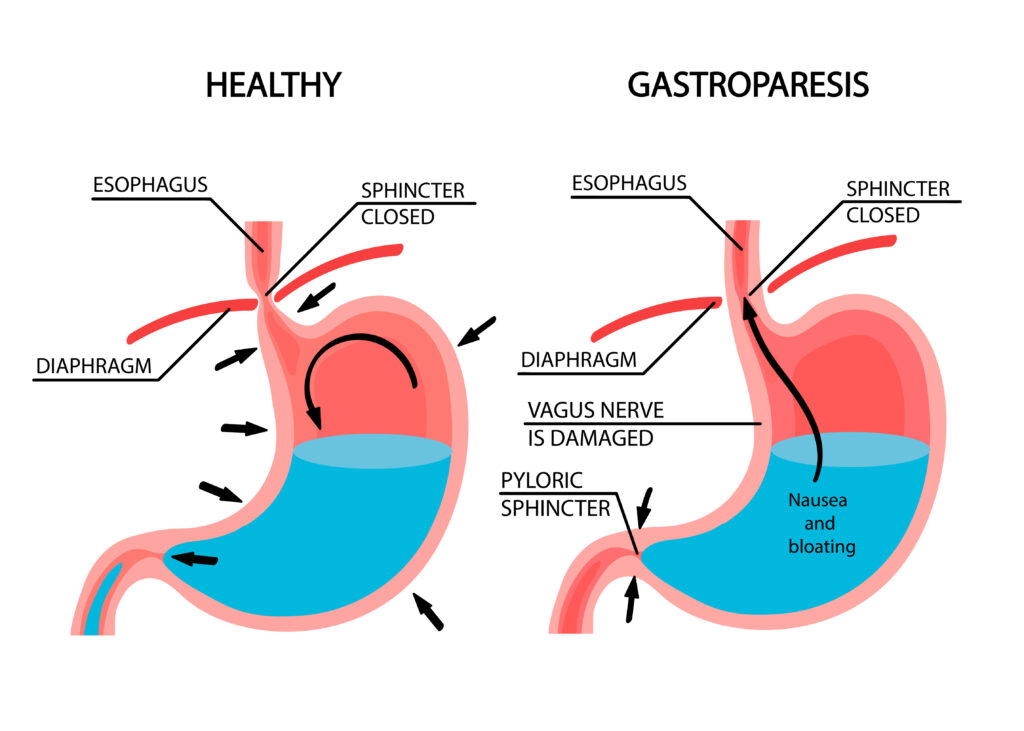
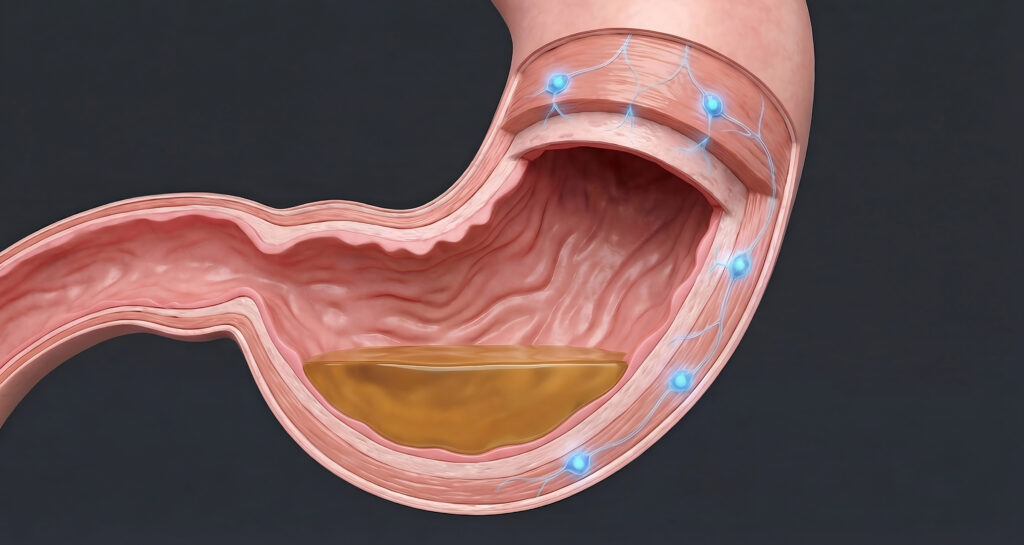
Gastroparesis occurs when the stomach muscles do not function properly, slowing or stopping the movement of food into the small intestine. This leads to:
Delayed gastric emptying
Chronic nausea
Vomiting
Bloating
Abdominal pain
Early satiety
Weight loss
Malnutrition
Common causes include:
Diabetes (the most common cause)
Vagus nerve damage
Autoimmune disease
Viral infections
Medications
Post‑surgical complications
Idiopathic (unknown cause)
Gastroparesis and Social Security Disability claims can be mild, moderate, or severe — and severe cases often require long‑term medical intervention.
Symptoms That Affect Work Ability
Gastroparesis can cause:
Persistent nausea
Frequent vomiting
Severe abdominal pain
Chronic fatigue
Dizziness
Weight loss
Malnutrition
Dehydration
Blood sugar instability (especially in diabetics)
Cognitive difficulties from weakness or electrolyte imbalance
These symptoms can make it impossible to maintain a regular work schedule or perform job duties safely.
Does Gastroparesis Qualify for Social Security Disability?
Yes — gastroparesis can qualify for disability benefits, but not through a dedicated listing. Instead, SSA evaluates gastroparesis and social security disability claims under:
1. Related Listings
Gastroparesis may qualify under listings for:
Digestive disorders (Listing 5.00)
Weight loss (Listing 5.08)
Diabetes complications (Listing 9.00)
Nutritional deficiencies
Autonomic neuropathy
2. Residual Functional Capacity (RFC)
Most gastroparesis claims are approved through RFC, which evaluates:
Frequency of vomiting
Ability to eat and maintain weight
Need for feeding tubes or IV nutrition
Ability to sit, stand, walk, or lift
Ability to maintain attendance
Medication side effects
3. Medical‑Vocational Allowances
SSA considers age, education, and work history when determining whether a person can adjust to other work. This is part of the sequential evaluation process.
FAQs: Gastroparesis and Social Security Disability Benefits
Can gastroparesis qualify for disability?
Yes. Severe gastroparesis can qualify if symptoms prevent full‑time work.
Does gastroparesis have its own SSA listing?
No, but it can qualify under related listings or through RFC.
Can gastroparesis cause long‑term complications?
Yes. Complications include malnutrition, dehydration, and blood sugar instability.
Do I need a gastric emptying study to prove my claim?
Yes. Gastric emptying studies are essential evidence for gastroparesis.
Can gastroparesis cause weight loss that supports a disability claim?
Yes. Weight loss and malnutrition are strong evidence of impairment.
Medical Evidence Needed for a Pancreatitis Disability Claim
SSA requires extensive medical documentation, including:
Gastric emptying studies
Endoscopy results
Imaging studies
Lab results showing nutritional deficiencies
Weight records
Hospitalization records
Feeding tube or TPN documentation
Blood sugar logs (if diabetic)
Notes from gastroenterologists
Medication history
Documentation of dehydration or electrolyte imbalance
MLF Legal’s social security disability lawyers help clients gather and organize this evidence to build a strong claim.
How Gastroparesis Limits Work Capacity
SSA evaluates how your condition affects:
Physical Functioning
Fatigue limiting stamina
Weakness from malnutrition
Frequent bathroom or vomiting episodes
Difficulty standing, walking, or lifting
Cognitive Functioning
Brain fog
Difficulty concentrating
Medication side effects
Attendance
Frequent medical appointments
Hospitalizations
Unpredictable flare‑ups
Safety
Risk of fainting
Blood sugar instability
Complications from dehydration
How MLF Legal Strengthens Gastroparesis Disability Claims
Our social security disability lawyers focus on:
Documenting the frequency and severity of symptoms
Demonstrating how gastroparesis affects work attendance and performance
Obtaining detailed statements from treating physicians
Highlighting complications such as malnutrition or dehydration
Preparing clients for SSA interviews and disability hearings
Appealing denials with strong medical and legal arguments
We understand the complexity of gastroparesis and know how to present your case effectively.
When to Apply for Disability Benefits
You should consider applying if:
You cannot maintain full‑time work
You experience frequent vomiting or nausea
You have severe weight loss or malnutrition
You require feeding tubes or IV nutrition
Your symptoms persist despite treatment
You experience frequent hospitalizations
If you’re unsure whether you qualify, MLF Legal can evaluate your case.
Call MLF Legal for Help With Your Gastroparesis Disability Claim
Gastroparesis and Social Security Disability can make working impossible. You deserve support and financial stability. Call MLF Legal at 214‑357‑1782 to get help filing your claim or appealing a denial.
Call MLF Legal today
214-357-1782
Fill out our online form
for a free consultation.
We only get paid if we win your case.