
Heart Transplant Recipients and Social Security Disability: Understanding Listing 4.09 for Texas Claimants
TELL US WHAT HAPPENED SO WE CAN HELP. FREE CONSULTATION

Contact Us About Your Case
FREE Consultation Today.
Heart Transplant Recipients and Social Security Disability: Understanding Listing 4.09 for Texas Claimants
A heart transplant is one of the most serious and life‑altering medical procedures a person can undergo. Even after a successful transplant, recipients face lifelong medical monitoring, strict medication regimens, immune system suppression, and a high risk of complications. For many Texans, these limitations make it impossible to return to full‑time work.
The Social Security Administration (SSA) recognizes the severity of Heart Transplant and Social Security Disability recovery and evaluates these claims under blue book Listing 4.09. While transplant recipients are automatically considered disabled for one year following surgery, many continue to qualify long after that period ends.
This comprehensive guide explains how SSA evaluates heart transplant and social security disability claims, what evidence is required, and how the social security lawyers at MLF Legal help Texans build strong, medically supported cases. If you’ve undergone a heart transplant and cannot work, call MLF Legal at 214‑357‑1782 for a free case evaluation.
Understanding Heart Transplant Recovery
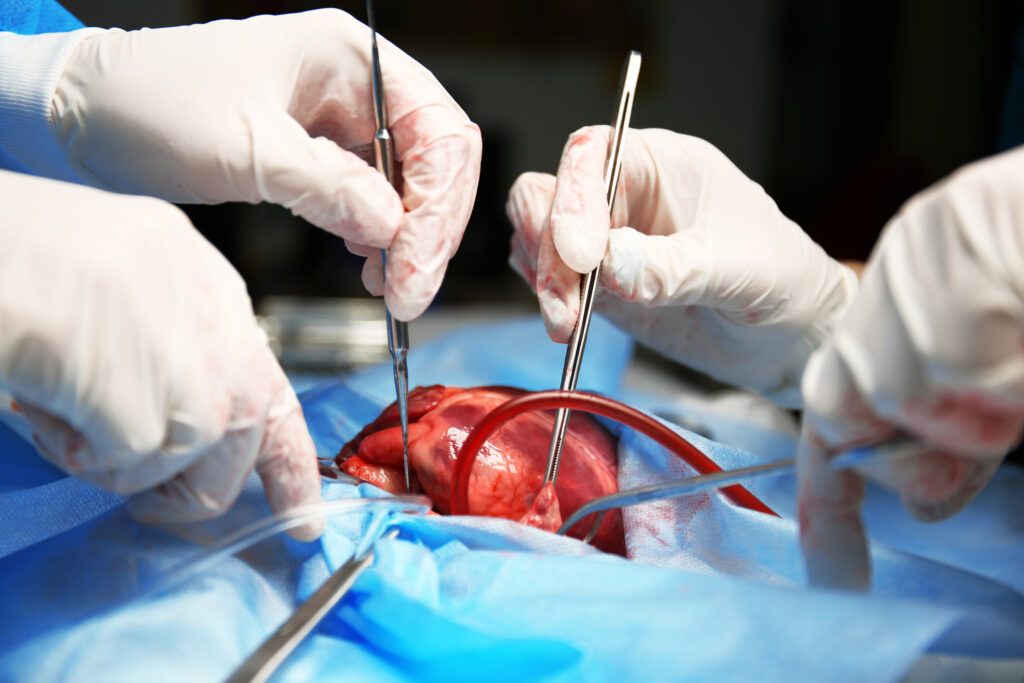
A heart transplant replaces a failing heart with a donor heart. While the surgery can be life‑saving, recovery is long, complex, and physically demanding. Because of this, complications may arise.
Common post‑transplant challenges include:
Fatigue
Shortness of breath
Chest discomfort
Muscle weakness
Difficulty walking or standing for long periods
Medication side effects
Increased risk of infection
Cognitive fog or memory issues
Emotional stress or anxiety
These symptoms often make it difficult to maintain the pace, stamina, and reliability required for full‑time employment.
Common reasons for heart transplants:
End‑stage heart failure
Cardiomyopathy
Coronary artery disease
Recurrent arrhythmias
Valve disease
Regardless of the underlying cause, SSA focuses on how your post‑transplant limitations affect your ability to work.
How SSA Evaluates Heart Transplants (Listing 4.09)
Listing 4.09 is one of the most straightforward cardiovascular listings. It states:
You are automatically considered disabled for one year following a heart transplant.
This one‑year period allows your body to recover and stabilize. However, SSA does not assume that all transplant recipients recover fully after one year.
After the first year, SSA evaluates:
Ongoing symptoms
Medication side effects
Risk of infection
Organ rejection episodes
Exercise tolerance
Functional limitations
Complications from surgery
Comorbid cardiovascular conditions
If your medical records show persistent limitations, you may continue to qualify for disability benefits.
Common Post‑Transplant Complications That Support Disability
Even after the initial recovery period, many transplant recipients experience complications that limit their ability to work.
1. Organ Rejection
Rejection episodes can cause:
Chest pain
Shortness of breath
Fatigue
Hospitalizations
Need for medication adjustments
2. Medication Side Effects
Immunosuppressants can cause:
Tremors
Weight gain
Diabetes
High blood pressure
Kidney problems
Increased infection risk
Cognitive fog
3. Infections
Because the immune system is suppressed, even minor infections can become serious.
4. Reduced Exercise Tolerance
Many recipients struggle with:
Fatigue
Weakness
Shortness of breath
Difficulty walking or standing
5. Psychological Effects
Transplant recovery can cause:
Anxiety
Depression
PTSD‑like symptoms
Difficulty concentrating
SSA evaluates all of these factors when determining disability.
Qualifying for Disability After the One‑Year Automatic Period
After the first year, SSA evaluates your residual functional capacity (RFC) to determine whether you can sustain full‑time work.
Common limitations that support disability:
Needing frequent rest breaks
Inability to walk long distances
Difficulty standing for extended periods
Fatigue that limits concentration
Medication side effects
Frequent medical appointments
Increased susceptibility to illness
Unpredictable flare‑ups or rejection episodes
Even if your transplant is considered “successful,” your functional limitations may still qualify you.
FAQs Heart Transplant Recipients and Social Security Disability
Does a heart transplant automatically qualify for disability?
Yes. You are automatically considered disabled for one year after surgery.
Can I qualify after the one‑year period?
Yes. Many recipients continue to qualify due to complications or limitations.
Do medication side effects help my case?
Absolutely. Immunosuppressant side effects are strong evidence of limitations.
Do I need a cardiologist to qualify?
It is strongly recommended. SSA gives more weight to specialist records.
What if my symptoms vary day‑to‑day?
Documenting flare‑ups is essential. Many transplant claimants qualify because their symptoms are unpredictable.

Essential Medical Evidence for Aortic Dissection Disability Claims
SSA requires objective medical evidence, including:
1. Surgical Records
Transplant date
Operative reports
Hospitalization records
2. Post‑Transplant Monitoring
Echocardiograms
EKGs
Biopsy results
Stress tests
Lab work
3. Treatment Records
Medication lists
Immunosuppressant levels
ER visits
Hospitalizations
Cardiologist notes
4. Functional Evidence
Difficulty walking or standing
Fatigue that limits daily activities
Cognitive issues
Difficulty concentrating
Need for rest throughout the day
5. Compliance With Treatment
SSA expects:
Medication adherence
Follow‑up appointments
Lifestyle modifications
If you cannot afford treatment, that should be documented.
How Heart Transplant Recovery Limits Your Ability to Work
Heart transplant recovery affects both physical and cognitive functioning. SSA evaluates how your symptoms impact:
Physical Demands
Walking
Standing
Lifting
Carrying
Climbing stairs
Cognitive Demands
Concentration
Memory
Pace
Reliability
Environmental Demands
Exposure to illness
Stress
Physical exertion
Temperature extremes
Many Heart Transplant and Social Security Disability claimants cannot sustain full‑time work because fatigue, weakness, and medication side effects limit their ability to perform even sedentary tasks.
Common Reasons Heart Transplant Disability Claims Are Denied
Even legitimate Heart Transplant and Social Security Disability claims are often denied due to:
1. Lack of detailed medical records
SSA needs ongoing monitoring results.
2. Gaps in treatment
Missed appointments can hurt your case.
3. Underreporting symptoms
If you tell your doctor “I’m fine,” SSA assumes you are.
4. No documentation of functional limitations
SSA must see how symptoms affect work activities. Consider a medical source statement.
5. Failure to explain complications
Many transplant claimants don’t describe how symptoms vary day‑to‑day.
MLF Legal helps you avoid these pitfalls by building a complete, well‑documented case.
How MLF Legal Helps Texans With Heart Transplant Disability Claims
Heart Transplant and Social Security Disability claims require detailed medical evidence and strong legal arguments. MLF Legal supports you by:
Gathering all transplant and cardiology records
Obtaining detailed medical opinions
Documenting your functional limitations
Preparing you for SSA exams
Handling appeals and hearings
Presenting your case clearly and effectively
When your transplant recovery makes work impossible, you deserve support. Call MLF Legal’s social security disability lawyers at 214‑357‑1782 for a free consultation.
Call MLF Legal today
214-357-1782
Fill out our online form
for a free consultation.
We only get paid if we win your case.