
Chronic Venous Insufficiency and Social Security Disability: How Texans Can Qualify Under Listing 4.11
TELL US WHAT HAPPENED SO WE CAN HELP. FREE CONSULTATION

Contact Us About Your Case
FREE Consultation Today.
Chronic Venous Insufficiency and Social Security Disability: How Texans Can Qualify Under Listing 4.11
Chronic Venous Insufficiency (CVI) is a painful and progressive circulatory disorder that affects the veins in the legs. For many Texans, CVI causes swelling, skin discoloration, ulcerations, and mobility limitations that make full‑time work impossible. Yet Chronic Venous Insufficiency and Social Security Disability claims are often denied because the Social Security Administration (SSA) requires very specific medical evidence and documentation of functional limitations.
This comprehensive guide explains how SSA evaluates CVI under blue book Listing 4.11, how you can qualify even if you don’t meet the listing, and how the Texas social security disability lawyers at MLF Legal help people build strong, medically supported disability claims. If CVI is limiting your mobility or ability to work, call MLF Legal at 214‑357‑1782 for a free case evaluation.
Understanding Chronic Venous Insufficiency
Chronic Venous Insufficiency occurs when the veins in the legs cannot efficiently return blood to the heart. This causes blood to pool in the lower extremities, leading to swelling, pain, and skin changes.
Common symptoms of CVI include:
Swelling in the legs or ankles
Pain or aching after standing
Skin discoloration (brown or reddish patches)
Varicose veins
Thickened or hardened skin
Itching or burning sensations
Slow‑healing wounds or venous ulcers
Leg heaviness or fatigue
These symptoms often worsen throughout the day, especially for people who stand or sit for long periods.
Common causes of CVI:
Deep vein thrombosis (DVT)
Varicose veins
Obesity
Pregnancy
Prolonged standing
Family history of venous disease
Trauma to the legs
CVI is progressive, meaning symptoms typically worsen without treatment.
How SSA Evaluates CVI (Listing 4.11)
Listing 4.11 outlines the medical criteria required to qualify for disability based on chronic venous insufficiency. To meet the listing, you must show:
1. Chronic Venous Insufficiency of a Lower Extremity
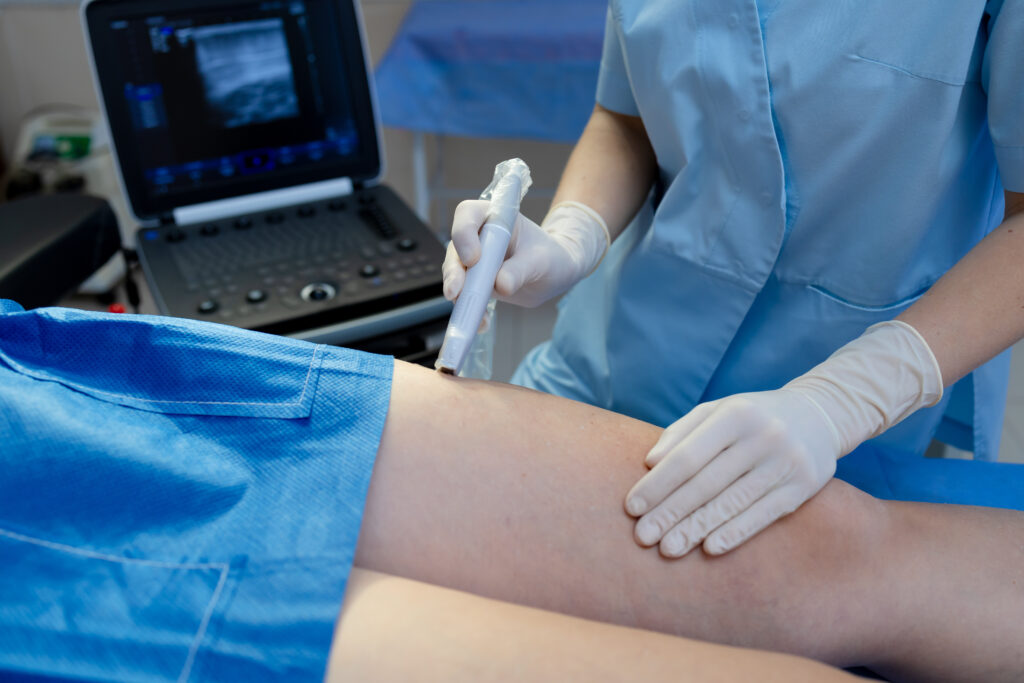
SSA requires objective evidence such as:
Doppler studies
Duplex ultrasound
Venous reflux testing
Imaging showing venous obstruction
2. Severe Functional Limitations
SSA looks for:
Persistent swelling
Skin changes (stasis dermatitis, hyperpigmentation)
Thickening or hardening of the skin
Recurrent or persistent ulcerations
Pain that limits mobility
3. Inability to Ambulate Effectively
This may include:
Needing a cane or walker
Difficulty walking long distances
Difficulty standing for extended periods
Frequent rest breaks
If your medical records show significant limitations, you may meet or equal the listing.

FAQs Chronic Venous Insufficiency and Social Security Disability
Does chronic venous insufficiency automatically qualify for disability?
Not always. You must meet Listing 4.11 or show that your symptoms prevent full‑time work.
Do venous ulcers help my disability case?
Yes. Recurrent or persistent ulcers are strong evidence of severe limitations.
Can I qualify if I can still walk short distances?
Yes. SSA evaluates whether you can sustain full‑time work, not occasional tasks.
Do I need a vascular specialist to qualify?
It is strongly recommended. SSA gives more weight to specialist records.
What if my symptoms vary day‑to‑day?
Documenting flare‑ups is essential. Many CVI claimants qualify because their symptoms are unpredictable.
Qualifying for Disability Even If You Don’t Meet Listing 4.11
Many people with Chronic Venous Insufficiency and Social Security Disability claims do not meet the exact listing criteria. However, you may still qualify through a medical‑vocational allowance, which evaluates how your symptoms limit your ability to work. This is commonly referred to as your residual functional capacity, which is analyzed through the sequential evaluation process.
Common limitations that support disability:
Pain when standing or walking
Need to elevate legs frequently
Difficulty standing for more than a few minutes
Slow‑healing ulcers that require ongoing care
Swelling that worsens throughout the day
Difficulty climbing stairs
Fatigue due to poor circulation
Frequent medical appointments
Unpredictable flare‑ups
Even if your imaging is borderline or your ulcers are intermittent, your functional limitations may still qualify you.
Venous Ulcers and Disability Claims
Venous ulcers are one of the most disabling complications of CVI. These wounds are slow to heal and often recur.
Venous ulcers can prevent work when they cause:
Severe pain
Risk of infection
Need for daily wound care
Difficulty standing or walking
Frequent medical visits
Inability to wear normal footwear
SSA evaluates how often ulcers occur, how long they last, and how they impact your daily functioning.
Essential Medical Evidence for CVI Disability Claims
SSA requires objective medical evidence, including:
1. Diagnostic Testing
Doppler ultrasound
Venous reflux studies
Duplex imaging
CT or MR venography
2. Treatment Records
Wound care notes
Compression therapy records
Medication lists
ER visits for swelling or infection
Vascular specialist notes
3. Functional Evidence
Difficulty walking or standing
Need for frequent rest breaks
Pain that limits daily activities
Difficulty climbing stairs
Need to elevate legs during the day
- Medical source statements
4. Compliance With Treatment
SSA expects:
Use of compression stockings
Medication adherence
Follow‑up appointments
Wound care compliance
If you cannot afford treatment, that should be documented.
How CVI Limits Your Ability to Work
CVI affects both physical and cognitive functioning. SSA evaluates how your symptoms impact:
Physical Demands
Walking
Standing
Lifting
Carrying
Climbing stairs
Cognitive Demands
Concentration (affected by pain)
Pace
Reliability
Environmental Demands
Heat
Humidity
Prolonged standing or sitting
Many CVI claimants cannot sustain full‑time work because pain, swelling, and mobility issues limit their ability to perform even sedentary tasks.
Common Reasons CVI Disability Claims Are Denied
Even legitimate Chronic Venous Insufficiency and Social Security Disability claims are often denied due to:
1. Lack of objective testing
SSA needs Doppler or venous reflux results.
2. Gaps in treatment
Missed appointments can hurt your case.
3. Underreporting symptoms
If you tell your doctor “I’m fine,” SSA assumes you are.
4. No documentation of functional limitations
SSA must see how symptoms affect work activities.
5. Failure to explain flare‑ups
Many CVI claimants don’t describe how symptoms vary day‑to‑day.
MLF Legal’s social security lawyers help you avoid these pitfalls by building a complete, well‑documented case.
How MLF Legal Helps Texans With CVI Disability Claims
Chronic Venous Insufficiency and Social Security Disability claims require detailed medical evidence and strong legal arguments. MLF Legal supports you by:
Gathering all vascular and wound care records
Obtaining detailed medical opinions
Documenting your functional limitations
Preparing you for SSA exams
Handling appeals and disability hearings
Presenting your case clearly and effectively
When your circulation problems make work impossible, you deserve support. Call MLF Legal at 214‑357‑1782 for a free consultation.
Call MLF Legal today
214-357-1782
Fill out our online form
for a free consultation.
We only get paid if we win your case.