
Aneurysms and Social Security Disability: How Texans Can Qualify Under Listing 4.10
TELL US WHAT HAPPENED SO WE CAN HELP. FREE CONSULTATION

Contact Us About Your Case
FREE Consultation Today.
Aneurysms and Social Security Disability: How Texans Can Qualify Under Listing 4.10
Aneurysms are among the most dangerous cardiovascular conditions evaluated by the Social Security Administration (SSA). When a major artery weakens and bulges, the risk of rupture or dissection becomes life‑threatening. Even with treatment, aneurysms can cause chronic pain, mobility limitations, and long‑term complications that make full‑time work impossible.
Yet Aneurysms and Social Security Disability claims are often denied because SSA requires very specific imaging, documentation, and evidence of functional limitations. This guide explains how SSA evaluates aneurysms under Listing 4.10, how you can qualify even if you don’t meet the listing, and how the Dallas social security lawyers at MLF Legal help Texans build strong, medically supported disability claims.
If you’re living with an aneurysm or recovering from aneurysm surgery, call MLF Legal at 214‑357‑1782 for a free case evaluation.
Understanding Aneurysms
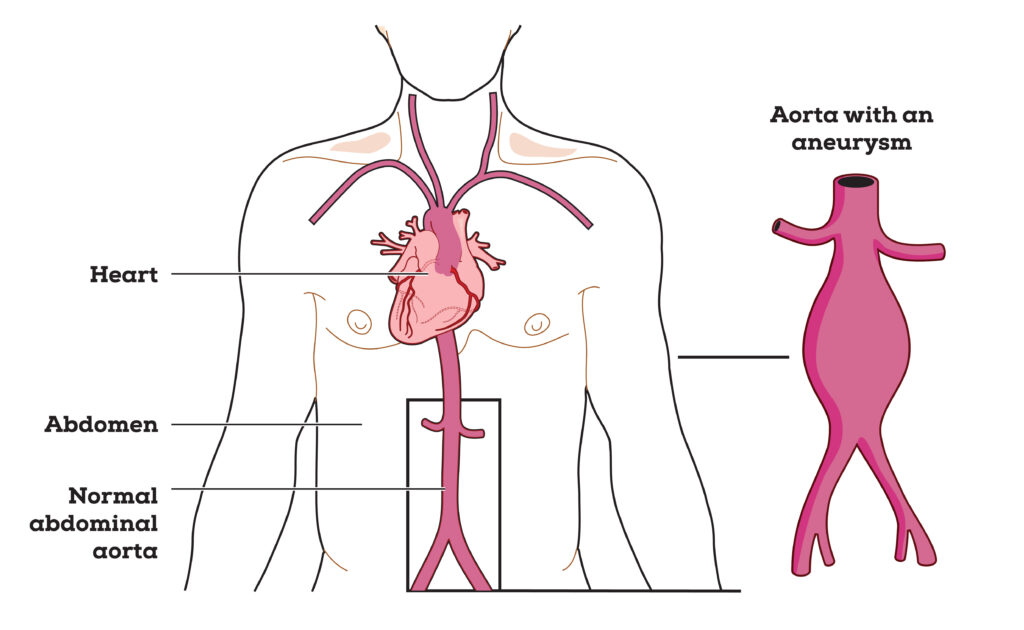
An aneurysm occurs when the wall of an artery weakens and bulges outward. If the aneurysm grows too large or ruptures, it can cause internal bleeding, stroke, or death.
Common types of aneurysms include:
Abdominal aortic aneurysm (AAA)
Thoracic aortic aneurysm (TAA)
Thoracoabdominal aneurysm
Cerebral (brain) aneurysm
Peripheral artery aneurysms (femoral, popliteal, iliac)
Common symptoms of aneurysms:
Deep, persistent abdominal or back pain
Chest pain
Pulsating sensation in the abdomen
Shortness of breath
Leg pain or numbness
Dizziness or fainting
Sudden severe headache (for brain aneurysms)
Many aneurysms are asymptomatic until they become large or rupture, which is why imaging is essential.
How SSA Evaluates Aneurysms (Listing 4.11)
Listing 4.10 outlines the medical criteria required to qualify for disability based on aneurysms of the aorta or major branches.
To meet the listing, you must show:
1. Aneurysm of the Aorta or Major Branches
SSA requires imaging such as:
CT scan
MRI
Echocardiogram
Angiography
The imaging must show:
Aneurysm size meeting SSA criteria
Dissection
Rupture risk
Structural abnormalities
2. Not Controlled by Prescribed Treatment
SSA evaluates whether:
The aneurysm continues to grow
Symptoms persist despite treatment
Surgery is required or has been performed
Post‑surgical complications limit functioning
3. Severe Functional Limitations
SSA looks for:
Pain that limits mobility
Difficulty walking or standing
Shortness of breath
Fatigue
Risk of rupture with exertion
If your medical records show significant limitations, you may meet or equal the blue book listing.
FAQs Aneurysms and Social Security Disability
Does an aneurysm automatically qualify for disability?
Not always. You must meet Listing 4.10 or show that your symptoms prevent full‑time work.
What size aneurysm qualifies for disability?
There is no single size that guarantees approval—SSA evaluates imaging and functional limitations.
Can I qualify if my aneurysm is stable?
Yes. Pain, fatigue, and rupture risk may still limit your ability to work.
Do I need a vascular surgeon to qualify?
It is strongly recommended. SSA gives more weight to specialist records.
What if I had aneurysm surgery?
You may still qualify if you have complications or ongoing limitations.
Qualifying for Disability Even If You Don’t Meet Listing 4.10
Many people with Aneurysms and Social Security Disability claims do not meet the exact listing criteria. However, you may still qualify through a medical‑vocational allowance, which evaluates how your symptoms limit your ability to work. This is commonly referred to as your residual functional capacity, which is analyzed through the sequential evaluation process.
Common limitations that support disability:
Pain that limits walking or standing
Fatigue due to poor circulation
Shortness of breath
Inability to lift or carry objects
Restrictions on physical exertion
Risk of rupture with activity
Post‑surgical complications
Frequent medical appointments
Even if your aneurysm is “stable,” your functional limitations may still qualify you.
Aneurysm Surgery and Disability Claims
Many Aneurysms and Social Security Disability claimants undergo surgery, such as:
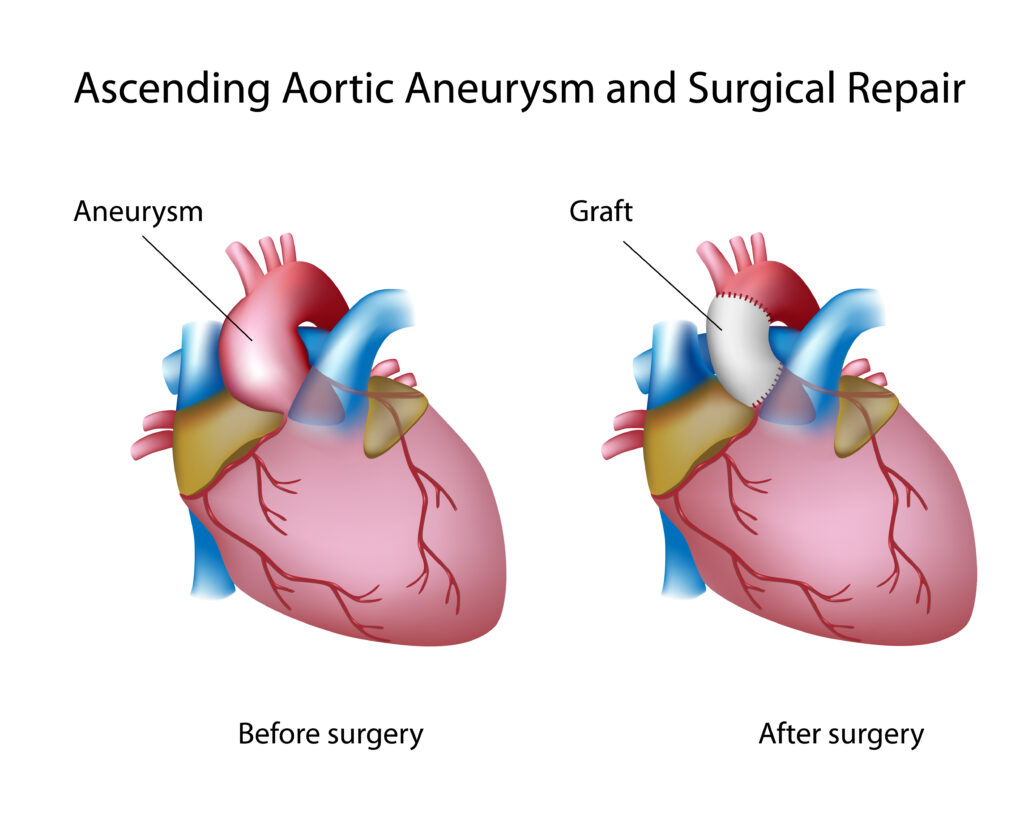
Open aortic repair
Endovascular aneurysm repair (EVAR)
Thoracic endovascular aortic repair (TEVAR)
Post‑surgical complications may include:
Chronic pain
Limited mobility
Fatigue
Infection
Graft complications
Nerve damage
Reduced exercise tolerance
SSA evaluates your recovery, ongoing symptoms, and long‑term limitations.
Essential Medical Evidence for Aneurysm Disability Claims
SSA requires objective medical evidence, including:
1. Diagnostic Testing
CT scans
MRIs
Angiograms
Echocardiograms
2. Treatment Records
Surgical reports
Hospitalizations
Medication lists
ER visits
Vascular surgeon notes
3. Functional Evidence
Difficulty walking or standing
Pain that limits daily activities
Fatigue
Difficulty lifting or carrying
Need to avoid exertion
- Medical source statements
4. Compliance With Treatment
SSA expects:
Medication adherence
Follow‑up appointments
Lifestyle modifications
If you cannot afford treatment, that should be documented.
How Aneurysms Limit Your Ability to Work
Aneurysms affect both physical and cognitive functioning. SSA evaluates how your symptoms impact:
Physical Demands
Walking
Standing
Lifting
Carrying
Climbing stairs
Cognitive Demands
Concentration (affected by pain)
Pace
Reliability
Environmental Demands
Heat
Stress
Physical exertion
Many aneurysm claimants cannot sustain full‑time work because pain, fatigue, and rupture risk limit their ability to perform even sedentary tasks.
Common Reasons Aneurysm Disability Claims Are Denied
Even legitimate claims are often denied due to:
1. Lack of imaging
SSA needs CT, MRI, or angiography results.
2. Gaps in treatment
Missed appointments can hurt your case.
3. Underreporting symptoms
If you tell your doctor “I’m fine,” SSA assumes you are.
4. No documentation of functional limitations
SSA must see how symptoms affect work activities.
5. Failure to explain complications
Many claimants don’t describe how symptoms vary day‑to‑day.
MLF Legal helps you avoid these pitfalls by building a complete, well‑documented case.
How MLF Legal Helps Texans With Aneurysm Disability Claims
Aneurysms and Social Security Disability claims require detailed medical evidence and strong legal arguments. MLF Legal supports you by:
Gathering all vascular and cardiology records
Obtaining detailed medical opinions
Documenting your functional limitations
Preparing you for SSA exams
Handling appeals and social security disability hearings
Presenting your case clearly and effectively
When your aneurysm or recovery makes work impossible, you deserve support. Call MLF Legal at 214‑357‑1782 for a free consultation.
Call MLF Legal today
214-357-1782
Fill out our online form
for a free consultation.
We only get paid if we win your case.