

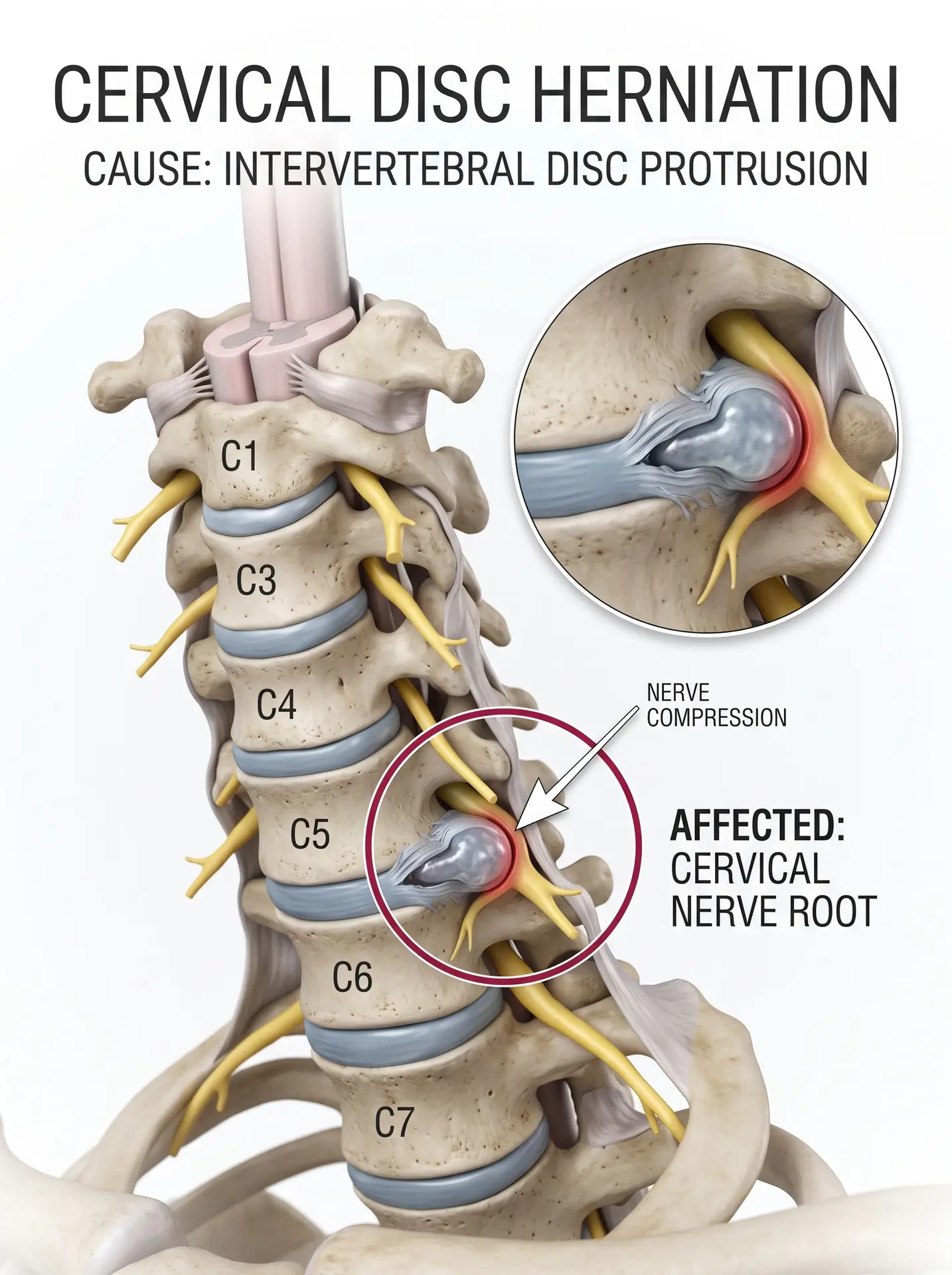
Cervical Herniated Discs in Texas Workers’ Compensation Claims
Cervical herniated discs are among the most significant and frequently disputed neck injuries in Texas workers’ compensation claims. A workplace fall, motor vehicle collision, lifting accident, machinery incident, or...
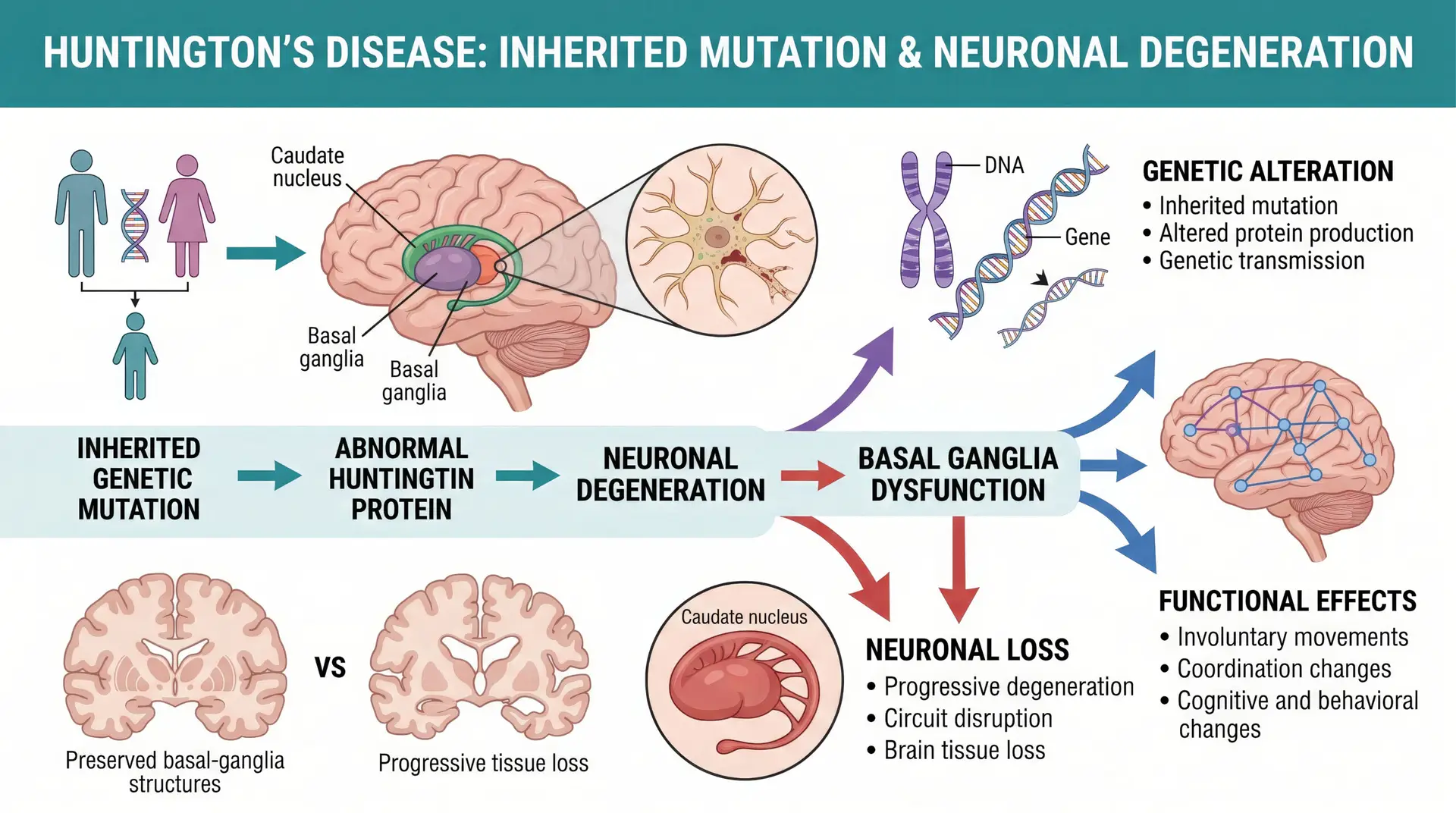
Huntington’s Disease and Social Security Disability Benefits
Huntington’s disease is a progressive neurological disorder that can affect movement, thinking, behavior, mood, speech, swallowing, and the ability to function independently. Early in the disease, a person may still...

Who Pays Medical Bills After a Slip and Fall Accident in Texas?
Medical bills after a slip and fall in Texas may initially be handled through your health coverage, available medical-payments coverage, or arrangements with your providers. A responsible property owner...
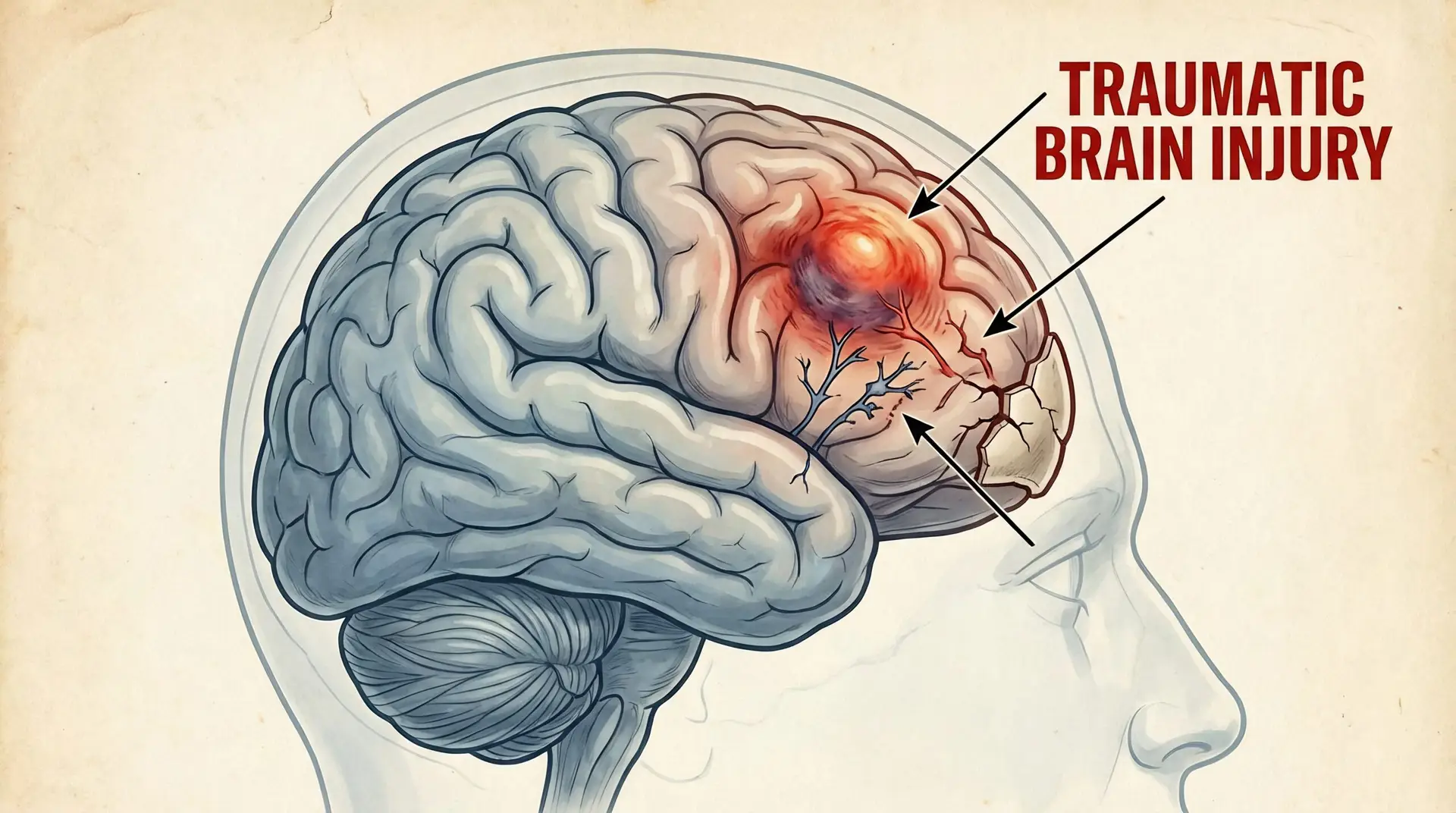
Traumatic Brain Injury and Social Security Disability Benefits
A traumatic brain injury can change far more than a person's ability to perform physical work. A TBI may affect: memory concentration processing speed judgment balance coordination speech vision headaches emotional control behavior fatigue ability to tolerate stress Some people recover substantially after a...

Cervical Sprains and Strains in Texas Workers’ Compensation Claims
Cervical sprains and strains are among the most common neck injuries in Texas workers’ compensation claims. They can occur when a worker falls, is struck by an object, is...

How Much Is a Slip and Fall Case Worth in Texas?
A Texas slip and fall case has no standard payout. Its potential value depends on the injuries and losses you can prove, the strength of the liability evidence, available...

Bimzelx and Social Security Disability Benefits
Bimzelx, also known by its generic name bimekizumab-bkzx, is a prescription biologic medication used to treat several inflammatory conditions. Current FDA-approved uses include: moderate-to-severe plaque psoriasis active psoriatic arthritis active non-radiographic axial spondyloarthritis...
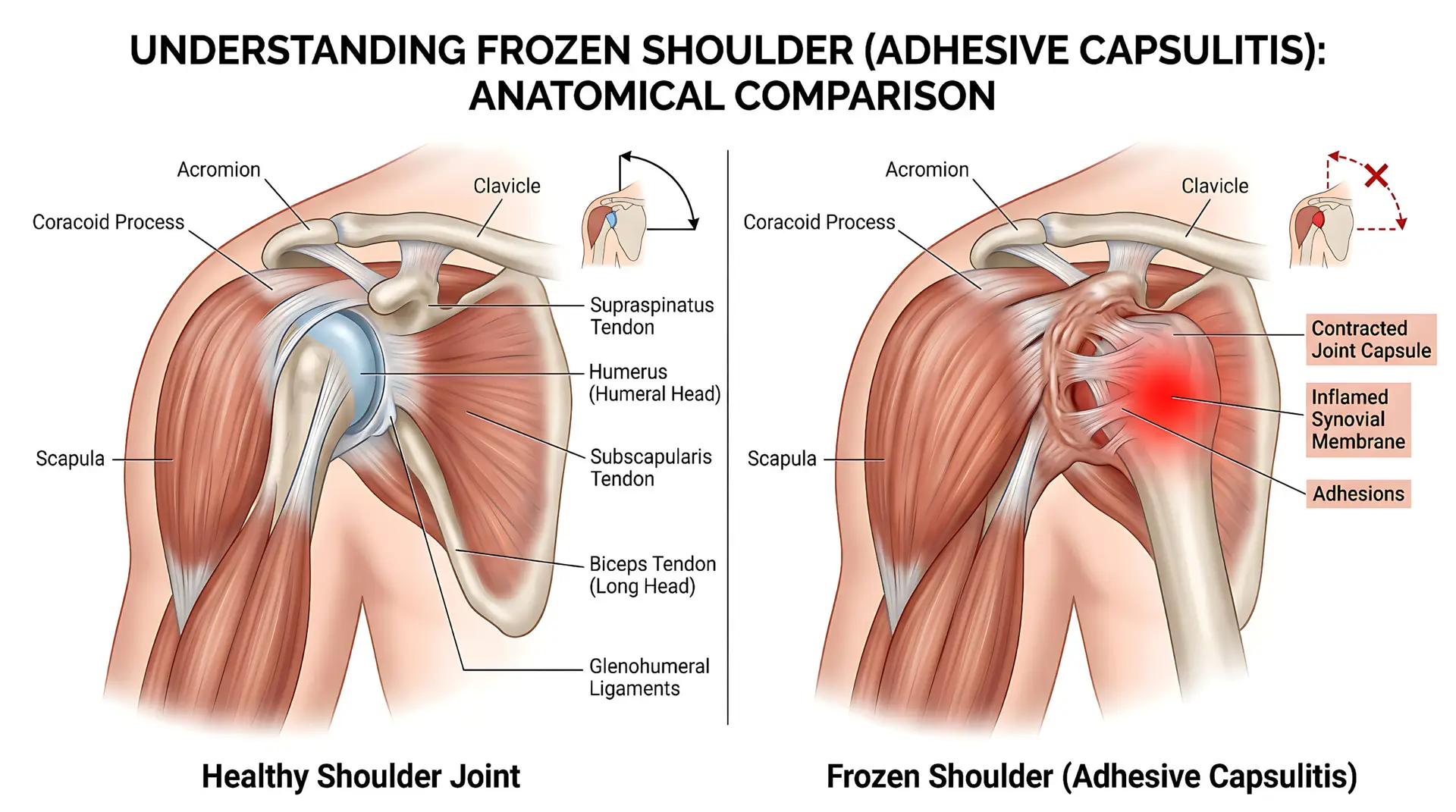
Frozen Shoulder (Adhesive Capsulitis) in Texas Workers’ Compensation Claims
Frozen shoulder, medically known as adhesive capsulitis, can become a serious complication of a workplace shoulder injury. The condition causes progressive pain and stiffness until movement of the shoulder...